
Did you know that in the 1950s, the CIA faked a vampire attack in the Philippines? Stay to the end of the episode to learn all the details.
Vampires have captivated the imagination for centuries. While fictional vampires have become pop culture icons, real-life bloodsuckers have occasionally been weaponized in the service of warfare. Such was the case in the early 1950s in the Philippines, when the CIA exploited local vampire folklore to combat an insurgent threat.
Vampires
Vampires are mythological creatures that subsist by feeding on the blood of the living. Though vampire myths exist in many cultures, some of the most famous archetypes come from Eastern Europe. These fictional tales influenced American author Bram Stoker’s Dracula. The vampire in folklore is a murderous undead creature that possesses fangs to puncture victims’ necks and drain their blood. Tales of vampires persist in pop culture through books, films, and television shows.
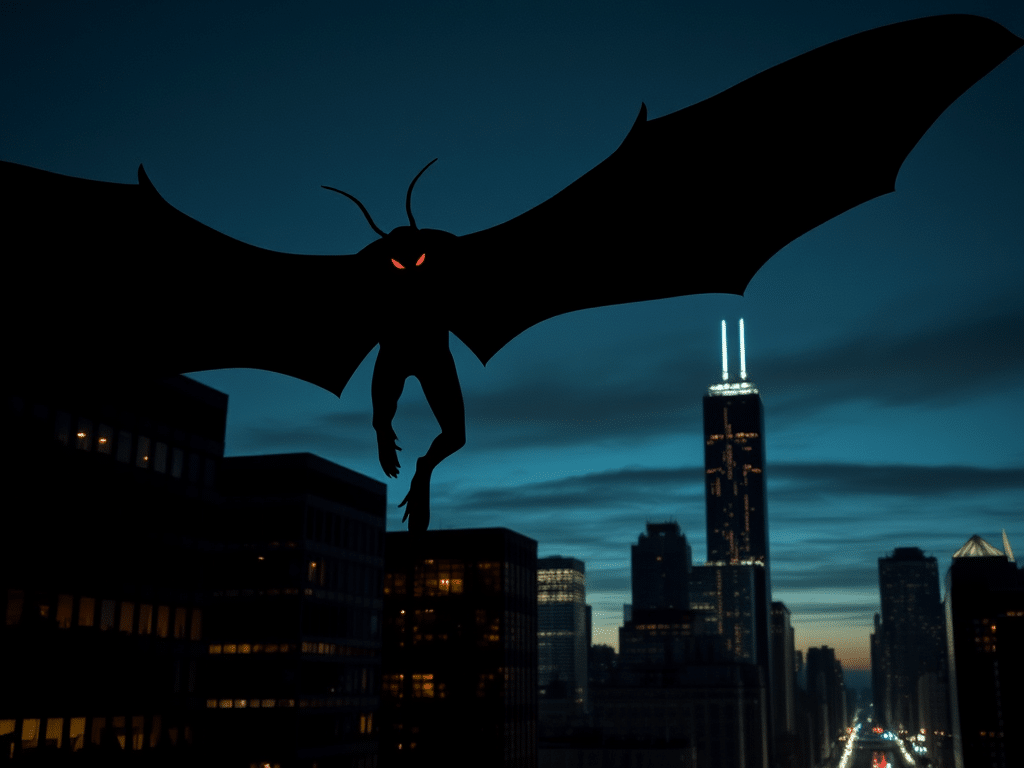
The vampire lore in the Philippines is rich and deeply rooted in Filipino folklore, with one particular creature at its center: the Aswang. This is a mythical creature that embodies various vampiric traits, captivating generations with its terrifying presence and supernatural abilities.
In Philippine folklore, the Aswang is believed to be a shape-shifting monster capable of transforming into different forms such as a bat, dog, or even an attractive person. With its ability to seamlessly blend into society, it often preys on unsuspecting victims under the cover of darkness. This makes it an especially fearsome entity that strikes fear into the hearts of many Filipinos.
Unlike traditional Western vampires who typically feed on blood alone, the Aswang has a broader range of dietary preferences. It feasts not only on human blood but also on organs such as livers and entrails. Additionally, some versions suggest that it derives sustenance from unborn fetuses or newborn infants—an aspect that adds another layer of horror to its already sinister reputation.
What sets the Aswang apart from other vampire legends around the world is its distinct method for hunting prey. It possesses an elongated proboscis-like tongue which it uses to drink bodily fluids through small openings like belly buttons or window cracks. This unusual feeding mechanism further contributes to its eerie nature.
Stories surrounding encounters with these creatures are passed down through oral traditions and have become ingrained in Filipino culture over centuries. The mere mention of their name instills both terror and fascination among locals who grew up with the legend.

Civil War in the Philippines
After World War two, the Philippines became fully independent from American colonial rule. However, the U.S. still maintained a strong military and trade presence there. During the Cold War, American officials became concerned about the Hukbalahap or “Huks,” communist-leaning Filipino guerillas.
The Hukbalahap, a Filipino guerrilla movement that emerged during World War two, is renowned for its mixed history of success. Operating primarily on the island of Luzon in the Philippines, the Hukbalahap played a significant role in resisting Japanese occupation and became known as one of the most effective anti-Japanese forces in the country.
Initially formed as a peasant army to fight against Japanese Imperial forces, their main objective was to protect local communities from enemy oppression. Led by Luis Taruc and supported by communist ideology, they quickly gained popularity among impoverished farmers who were struggling under harsh conditions imposed by both Japanese occupiers and wealthy landowners.
After Japan’s surrender in 1945 marked the end of World War two, tensions shifted towards post-war politics and socio-economic issues within Philippine society. The Hukbalahap’s initial goal had been achieved with Japan’s defeat but they now sought broader reforms such as land redistribution and improved living conditions for peasants—an agenda that put them at odds with returning American colonial authorities who favored preserving existing social structures.
The ensuing power struggle resulted in armed conflict.
CIA Trick
To contain this insurgent threat, the CIA installed Edward Lansdale as an operative in the Philippines.
To drive the Huks from one contested rural area, Lansdale devised a psy-ops mission exploiting local belief in the aswang, the vampire-like monster from Filipino folklore.
Lansdale ordered his soldiers to start spreading tales that the aswang was in the area in an attempt to drive the Huks out. The story was spread through the villagers who were know confidants of the insurgents.
When Landsdale thought the Huks had heard the rumor a few days later, soldiers pursued a small squad on one of their well-known tracks. The final member in the patrol was slain by the Americans after they grabbed him and pierced his neck twice. After that, the victim was hung upside down to let his blood run out. By the time the Huks found the body, they had reason to suspect that the guy had been assaulted by the aswang. As Lansdale had expected, they soon left that area. It was only a small part of the war but one that would be remembered.
Lansdale wrote a book about his experiences titled In the Midst of Wars: An American’s Mission to Southeast Asia.
In it, Lansdale wrote, “After they found their bloodless comrade, every member of the patrol believed that the aswang had got him and that one of them would be next if they remained on that hill. When daylight came, the whole Huk squadron moved out of the vicinity. Another day passed before the local people were convinced that they were really gone. Then Magsaysay moved the troops who who were guarding the town into a BCT.” (Page 73.)
While morally questionable, this early CIA dirty trick worked as intended, leveraging local superstition to scare away the enemy. The aswang operation exemplifies the agency’s Cold War willingness to use unorthodox and brutal tactics in counterinsurgency missions.
The vampire operation was only part of combatting the Huks. However, it has become a famous example of using vampire lore as a part of a psyop operation.
Conclusion
Ultimately, the Huk lost the war. Leadership disputes emerged, leading to fragmentation and ideological differences among members of the Hukbalahap ranks. These disagreements hindered coordinated actions and compromised their ability to mount successful offensives.
Furthermore, external factors played a pivotal role in tipping the scales against them. The Philippine government implemented counterinsurgency measures with increased firepower and strategic tactics that put pressure on Hukbalahap strongholds. Their limited resources compared to well-equipped military forces made it increasingly challenging for them to sustain prolonged resistance.
The Huk were defeated and vampires, at least briefly, played a role in this.
References
Goh, J. M. A. (2024). Looking into the Eyes of Aswang: Alyx Arumpac’s Aswang (2019) as a “Gothumentary” of the Philippine War on Drugs. Manusya: Journal of Humanities, 27(1), 1-16.
Joyce, M. J. (2018). The vampires our age deserves: 21st century forms of ancient evil. eTropic: electronic journal of studies in the Tropics, 17, 117-136.
Kuzmarov, J. (2020). Under the façade of benevolence: psy-wars, amnesty and defectors in America’s Asian wars. The International History Review, 42(5), 987-1008.
Prados, J. (2006). Safe for democracy: The secret wars of the CIA. Bloomsbury Publishing PLC.
Rojas, D. (2019). Trans-Pacific Connections, World Hegemony and Asymmetric Warfare in 1950. Le Recueil Ouvert-Projet Épopée| L’Ouvroir Litt&Arts.



Leave a Reply