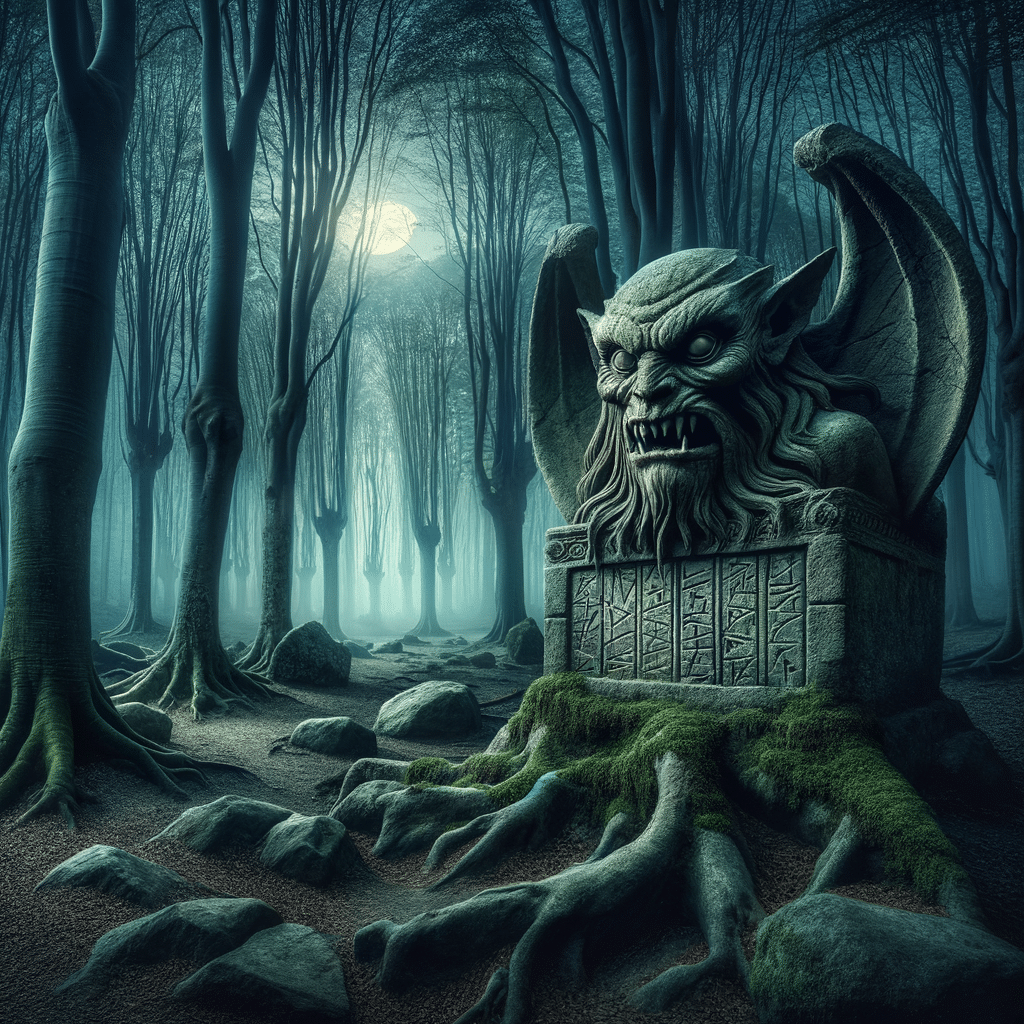
Although gargoyles are historically significant architectural ornaments, many people think they are actual paranormal entities.
Gargoyles, particularly in Gothic architecture, are carved stone figures commonly found on churches, cathedrals, and other buildings. Their appearance is typically that of an animal or monster, complete with wings, horns, claws, and fangs. Gargoyles frequently have an open mouth or hollow body that allows water to pass through because they are meant to function as rainspouts, diverting liquid away from the building.
History
Their name is derived from the French term gargouille, which means throat. Frequently attached to the roof edges of imposing structures, these intricately designed grotesqueries successfully combine aesthetic appeal and functionality. Their legend strongly incorporates their mythology, religion, and popular culture, in addition to serving as useful rainwater drainage systems.
In the Middle Ages, gargoyles gained popularity, particularly in France and England in the twelfth and fourteenth centuries. In addition to their functional use as rainspouts, they were ornamental, frequently fashioned to resemble chimera monsters or otherworldly beings. Certain gargoyles portrayed humans, animals, or fantastical creatures.
It was thought that their grotesque appearance might drive away evil spirits. Gargoyles adorned Gothic cathedrals like Notre Dame in Paris in abundance. According to certain folklore from the Middle Ages, gargoyles came to life at night.
The use of gargoyles dates back to the time of ancient civilizations, when Greek and Egyptian artisans created waterspouts shaped like animals. But the word “gargoyle” itself did not originate in Europe until the Middle Ages.
This was the height of their use in architecture, and Gothic churches are now known for having these ornate water outlets. Paris’s Notre-Dame Cathedral exemplifies the use of gargoyles. Famously positioned on the cathedral’s exterior is a row of legendary creatures known as the Chimera Gallery.
Legends
Gargoyles are believed to possess mystical abilities that enable them to guard and protect. People believe that a gargoyle can repel demons and harmful spirits. People believe that at night, gargoyles can animate and transform into stone. They can also fly, breathe fire, and watch over people from their elevated positions atop structures.
Some legends claim that they occasionally monitor those walking beneath them. According to certain legends, gargoyles are able to curse anyone who mistreats them, predict the future, and converse with humans.
Throughout history, many individuals have believed in the existence of gargoyles. While some saw them as protectors, others were concerned that evil could animate them.
Mythology and folklore frequently bestow magical abilities on gargoyles. When these stone animals awaken at dusk, legend has it that they become guardians, defending their homes from bad spirits. They are immune to conventional weapons because of their rocky surface.
People often find gargoyles perched high on buildings and often associate them with the ability to fly.

Popular Culture
The terrifying, winged monstrous creatures known as gargoyles are a familiar sight to adventurers playing the wildly popular role-playing game Dungeons and Dragons. These powerful creatures have a fascinating duality to them; in the light of day, they seem to change into motionless stone statues, but at night, they come to life and attack unsuspecting heroes without mercy.
After dark, adventurers should be cautious around gargoyles because they are incredibly hostile to outsiders. Their undying tenacity and uncanny speed allow them to persistently pursue anyone who dares to disturb their sanctuaries or go too close to their lairs.
Even in modern times, gargoyles are still a popular theme in television, video games, and literature. Animation gargoyles starred as characters in the Disney picture The Hunchback of Notre Dame. Gargoyles influenced superheroes like Batman.
They typically appear as eerie, hideous creatures in Gothic horror and fantasy literature. Architects and builders continue to incorporate gargoyles into churches, institutions, and residences due to their aesthetic value, individuality, and connection to the medieval past.
Because of their strange, grotesque designs and associations with myth and legend, gargoyles have captivated people’s attention for generations. Gargoyles have evolved from their original functions to become timeless symbols in modern popular culture.
Literature, movies, and television shows demonstrate this. They have evolved from lifeless, carved stone forms to sentient entities endowed with consciousness and otherworldly powers.
Conclusion
Gargoyles never cease to enthrall and enchant, so their legacy of transforming our past into our present has not waned in appeal.
References
Camille, M. (2024). The gargoyles of Notre-Dame: medievalism and the monsters of modernity. University of Chicago Press.
Hartog, E. D. (2023). On the meaning of gargoyles. Bulletin du centre d’études médiévales d’Auxerre| BUCEMA, (Hors-série n° 13).
Murray, J. (2016). Gallants, Ghosts, and Gargoyles: Illustrating the Gothic Tale. In Bram Stoker and the Gothic: Formations to Transformations (pp. 222-252). London: Palgrave Macmillan UK.
Varner, G. R. (2007). Gargoyles, Grotesques & Green Men: Ancient Symbolism in European and American Architecture. Lulu. com.
Youvan, D. C. (2024). Monstrous Guardians: Interpreting Gargoyles as Demonic Symbols in Religious Architecture.

Leave a Reply