
With enigmatic beings like the djinn and nephilim holding notable places in religious history and contemporary paranormal conversation, the supernatural domains depicted in ancient religious literature have captivated mankind for millennia. Originating from various religious traditions—the djinn from Islamic theology and the nephilim from Judeo-Christian texts—these mysterious beings share fascinating similarities that have inspired some academics and mystics to speculate about links between them. Both beings inhabit a transitional area between the divine and human spheres, have remarkable powers, and have complicated connections with humanity ranging from good to evil. This essay looks at these mysterious beings, their special origins, possible connections, and how our understanding of them has changed over time, taking into account both religious views and cultural influences that still affect how we think about them today.

The Djinn
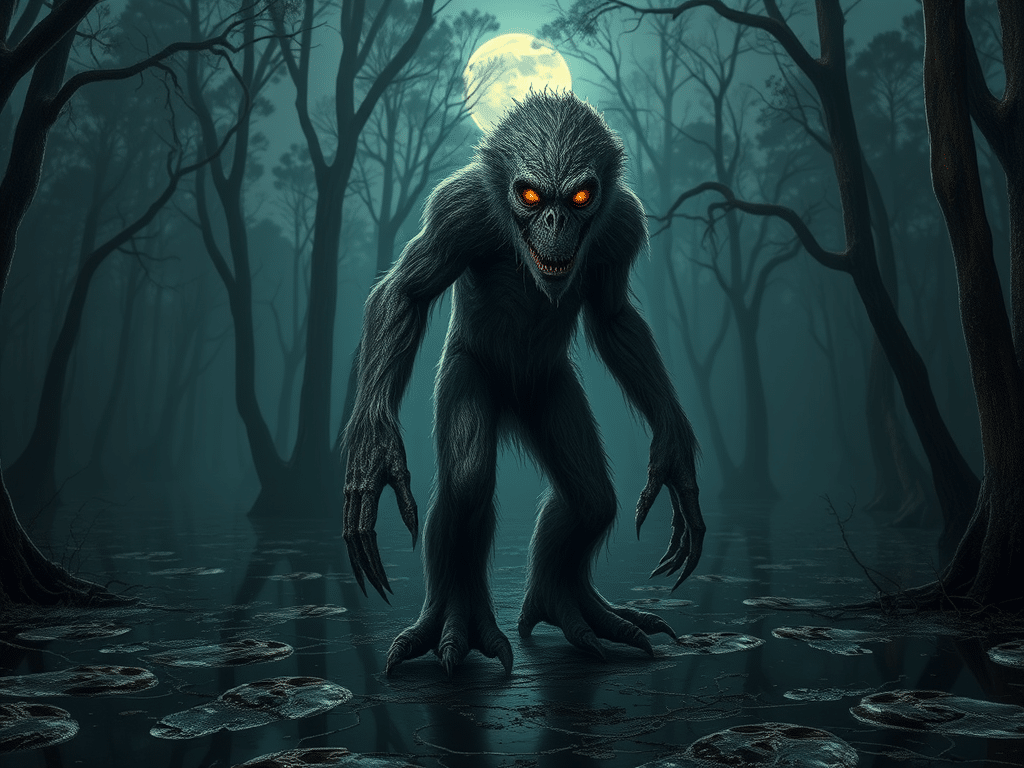
Islamic custom holds that Allah made djinn, smart beings, from “smokeless fire” before forming people from clay. These beings live in a parallel dimension to ours, occupying a realm that overlaps with the human world but stays mostly undetectable to human awareness. Like people, djinn have free choice; they can be good or evil, follow divine direction or defy it. Djinn are described as having the ability to influence human affairs through subtle and dramatic means, alter physical reality, and assume various forms. Though many choose not to follow this divine purpose, the Quran explicitly says that, like humans, djinn were created to worship Allah; Iblis (Satan) is the most well-known example of a defiant djinn who rejected Adam’s command and was expelled from paradise (Dibi, 2021).
Islamic writings go into more detail about the character of djinn, calling them social creatures structured into communities with their family structures, faiths, and even governmental systems reflecting human society in certain ways. Hadith literature claims djinn might be Muslims, Christians, Jews, or pursue completely other belief systems, including pagan or idolatrous activities. Traditional Islamic scholarship classifies djinn into several types according to their nature and conduct, using names like ifrit to describe especially strong and malicious djinn and marid to refer to the most powerful and rebellious among them. Religious writings have recorded interactions with djinn throughout Islamic history; legends of Solomon (Sulaiman) exercising control over djinn who assisted in the construction of his temple and carried out other remarkable duties are detailed in both the Quran and later Islamic literature.
Incorporating local cultural components into the theological framework set by the Quran and hadith, folk traditions around the Muslim world have evolved elaborate belief systems about djinn. Many areas have unique sites like abandoned buildings, cemeteries, caverns, and desert areas that are said to be where djinn are very active, which inspires cultural traditions meant to guard against undesirable djinn influence. Ranging from recitation of certain Quranic passages to complex exorcism rites conducted by religious professionals, traditional medicine in different Islamic societies includes therapeutic techniques for diseases ascribed to djinn possession. Though modernization and scientific progress have changed many aspects of life, belief in djinn remains surprisingly tenacious in different Muslim communities. Surveys show that significant numbers of people in nations ranging from Morocco to Indonesia continue to believe in their presence and impact.

The Nephilim
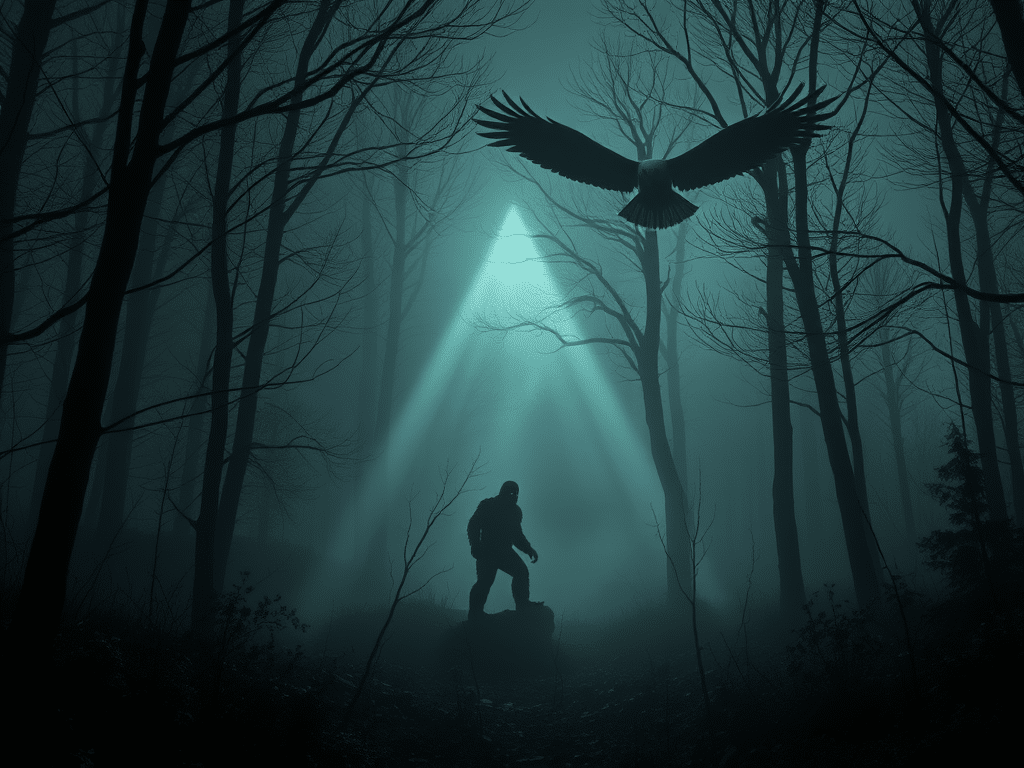
By contrast, the Nephilim show up in Hebrew texts as enigmatic figures referred to as “heroes of old, men of renown” who were born when the “sons of God” mated with the “daughters of men” in Genesis 6:4. These enigmatic passages have sparked hundreds of years of theological controversy over their exact nature and origin. Some readings, especially those shaped by the non-canonical Book of Enoch, depict the Nephilim as the hybrid progeny of fallen angels and human women with enormous stature, power, and magical powers. Some claim their existence before the Biblical flood is one cause for the divine judgment that followed, implying these people were a corruption of the natural order God had set, bringing violence and depravity that finally required the world to be cleansed by the deluge (Scodel, 2021).
Nephilim comes from the Hebrew word naphal, which means “to fall,” “to descend,” or “to cast down,” hence supporting readings that relate these people to fallen angels or their offspring. Nephilim are mentioned outside Genesis in Numbers 13:33, when Israelite spies claim to have seen “nephilim, the sons of Anak” in Canaan, characterizing them as giants who made the Israelites feel like grasshoppers in contrast. This second biblical allusion has prompted readings implying that some nephilim survived the deluge, maybe via the lineage of extrabiblical characters not on board Noah’s ark or via other theories claiming several instances of angel-human interbreeding. Early Jewish readings in documents like the Book of Jubilees and different Dead Sea Scrolls expand on the nephilim story, implying these entities imparted forbidden knowledge to humans including metallurgy, cosmetics, sorcery, and astronomy—inventions that perverted mankind and hastened their moral decline.
Early Christian authors such as Justin Martyr, Clement of Alexandria, Tertullian, and Lactantius accepted readings that saw the “sons of God” as fallen angels and the nephilim as their giant progeny, so interpreting this story as explaining the beginning of demonic influences in the world. Often referencing extrabiblical writings such as the Book of Enoch, which was widely read in early Christian communities but later removed from most biblical canons, these early church fathers With powerful theologians like Augustine of Hippo suggesting that the “sons of God” referred to the righteous descendants of Seth rather than angels and the “daughters of men” to the corrupt line of Cain, reinterpreting the nephilim as the morally compromised progeny of these human lineages rather than angel-human hybrids, alternate readings appeared as Christianity evolved, especially from the fourth century forward.
Links
Comparative study uncovers several fascinating similarities between djinn and nephilim that have inspired hypotheses about possible links between these magical beings. Described as having superhuman powers and knowledge beyond normal human capacity, the Book of Enoch specifically credits the nephilim with knowledge of metallurgy, weaponry, and cosmetic arts, paralleling the magical powers usually ascribed to djinn in Islamic tradition. Operating under motives that may correspond with or go against divine intent, both spirits inhabit religious stories as beings who engage with people, sometimes harmfully, sometimes helpfully, and frequently ambiguously. Both are connected to great power apart from the normal interaction between the divine and people, which suggests they could be sources of forbidden knowledge or negative influence, concepts found in many religious warnings about interacting with supernatural forces beyond human comprehension or control (Hines, 2007).
The physical depictions of these beings reveal intriguing parallels as well; some Islamic traditions describe certain kinds of strong djinn as having enormous size, similar to the Nephilim’s depiction as giants. Sometimes both are linked to distant or deserted places: the djinn with ruins and deserts, the nephilim with pre-flood civilizations and, in later stories, with particular geographic areas including the hills of Canaan. Perhaps most importantly, both are considered able to engage in sexual relationships with people; explicit depictions of djinn-human marriages in certain Islamic traditions mirror the partnerships between “sons of God” and human women that generated the Nephilim. Some speculative theologians and paranormal researchers have proposed that djinn and nephilim could be alternative cultural interpretations of the same supernatural event, filtered via different religious traditions.
From the academic to the fanciful, theories linking these entities span all kinds and some say both reflect cultural memories of a pre-flood civilization or non-human intelligence that once roamed the Earth. Though conventional archaeology credits such results to mistaken megafauna fossils or people with medical disorders like gigantism, archaeological finds of abnormally huge human remains have often been mentioned as potential physical proof for giant beings like the Nephilim. Some alternative theories suggest that the nephilim were the offspring of djinn (rather than angels) who interacted with people, creating a mixed race with characteristics from both supernatural and human backgrounds, attempting to unite these various religious narratives into one general knowledge of the cosmos.
“Sons of God” and djinn represent advanced beings from other worlds whose technology seemed magical to ancient observers; others say both entities could signify extraterrestrial intervention in human affairs reinterpreted via religious frameworks available to ancient cultures. Modern “ancient astronaut” hypotheses typically include both nephilim and djinn stories as proof for their assertions, reinterpreting old literature using the perspective of modern science fiction ideas. Usually at odds with these conflicting readings, Islamic scholars maintain that djinn are a particular creation of Allah and not connected to the entities referenced in Judeo-Christian writings. Many biblical academics, too, oppose attempts to merge these various theological concepts, therefore stressing the importance of knowing each tradition in its unique religious and historical background.
Some comparative religion academics have suggested more subtle links, arguing that ancient Near Eastern customs of intermediate creatures predating both Judaism and Islam could underlie both stories. With characters like the Anunnaki, Apkallu, and various sorts of demons likely acting as models for the later concepts of nephilim and djinn, Mesopotamian mythology offers many varieties of semi-divine or supernatural beings that may have influenced subsequent religious notions. This method acknowledges both the similarities and the significant theological differences that grew over time and investigates how ancient cultural ideas changed and diverged as they were integrated into various religious systems, therefore rejecting any assertion of direct equivalence between these entities.
Evolution of Thought
Reflecting shifting religious concerns and cultural settings, historical readings of both djinn and nephilim have changed dramatically throughout time. Early rabbinic writings built on the short Biblical references to nephilim, with different customs understanding them as fallen angels themselves, their progeny, or perhaps as human monarchs asserting heavenly authority. Some religious leaders in the Talmudic era sought to link the nephilim narrative with the belief in one God by lowering the independent power granted to these entities. Often connecting nephilim to particular demons or negative spiritual forces, medieval Jewish mystics—especially in Kabbalistic traditions—included nephilim in elaborate systems describing the hierarchy of spiritual entities and their relationship to the material world.
Influential theologian Ibn Taymiyyah wrote extensively on the nature of djinn and the correct Islamic knowledge of their role in creation, so medieval Islamic scholars created elaborate taxonomies of djinn kinds, their powers, and their interactions with human civilization. During the medieval period, both Islamic and Christian cultures developed complex systems of magic that claimed to provide methods for calling and controlling supernatural beings, including djinn in Islamic texts like Shams al-Ma’arif and various spirits and demons in Christian magical writings, sometimes linked to Nephilim traditions. With medical literature from both sides occasionally citing djinn or demons as causes for particular problems, notably mental ailments, Christian and Islamic faiths at times included these entities to account for illnesses, misfortunes, or unusual phenomena difficult to grasp.
Renaissance and early modern period researchers in Europe grew increasingly fascinated with the study of angels and devils as they discovered ancient classical manuscripts and studied Islamic scholarship during the Crusades and in Muslim Spain. Occasionally, they combined concepts about djinn with Western mystical beliefs. Often based on allegations that humans were conversing with supernatural beings exhibiting characteristics of both fallen angels and djinn, the European witch trials of the 16th and 17th centuries revealed how these notions evolved and affected one another across many societies. Revealing how these ideas kept evolving and cross-pollinating across cultural boundaries, the European witch trials of the 16th and 17th centuries sometimes contained charges of consorting with supernatural beings resembling fallen angels and djinn. Scholarly arguments about the exact character of these beings persisted during this time; some experts confirmed their physical reality while others saw them as only spiritual beings or moral allegories.
Rational theologians in both faiths reinterpreted djinn and nephilim stories as symbolic or allegorical rather than literal, causing a change toward skeptical readings of these beings throughout the Enlightenment era. Scientific progress questioned the old ways of understanding the universe that included supernatural beings, leading to new interpretations that focused more on the moral or psychological aspects of these stories instead of taking them literally. While reform movements within Islam occasionally sought to rationalize djinn beliefs or stress their spiritual rather than physical nature, liberal theological movements in Christian settings came to see nephilim tales as mythological components woven into scripture from earlier Near Eastern traditions.
Modern Views
Many contemporary religious academics view these writings as reflections of the ancient authors’ knowledge of the cosmos rather than as factual explanations of otherworldly realities; they examine their context and literary style to find references to supernatural beings. Modern biblical scholars frequently examine the nephilim narrative in light of ancient Near Eastern myths, contrasting it with other tales of semi-divine heroes and stressing how the book seeks to delineate the distinctions between gods and people. Modern Islamic academics also look at the Quran’s references to djinn; some think these allusions are intended to clarify theological concepts from seventh-century Arabia rather than provide a genuine scientific narrative of another kind of entity.
Still, in many Islamic countries, believing in djinn is rather common and has real effects on religious observances, medical treatments, and everyday life. Surveys done around the Muslim world reveal persistent high percentages of djinn believers across all educational and socioeconomic strata, with many citing personal experiences or family stories about djinn encounters. In many areas, traditional medical methods dealing with djinn possession or influence still coexist with contemporary medicine; trained doctors provide therapies from Quranic reading to more complex rituals. Many Muslims who combine these old beliefs with otherwise modern lives continue to take certain precautions against djinn—such as particular prayers when entering toilets or abandoned places—even in highly educated, urbanized settings (Guiley, 2011).
Likewise, especially for those with fundamentalist views of the Bible, some Christian groups continue to understand the Nephilim story literally. Some evangelical and Pentecostal churches include Nephilim in modern apocalyptic narratives, implying links between these ancient entities and current events spanning from genetic engineering to UFO sightings. Often based on extrabiblical texts such as the Book of Enoch in addition to biblical allusions, these readings produce complex theological systems that situate nephilim in a cosmic battle between good and evil ongoing until the present. Though not shared by most academics, these beliefs reveal that certain religious organizations attempting to understand current problems using conventional theological perspectives still value these ancient principles.
Modern popular culture has changed these ancient ideas even further, sometimes combining them with other supernatural customs to produce fresh syncretic readings separated from their theological roots. Often under the anglicized name genie, Hollywood movies, TV shows, and urban fantasy novels can include djinn and nephilim in fictional stories that borrow selectively from religious heritage and introduce new components for dramatic effect. Similarly, video games, role-playing games, and other types of interactive media reinterpret these ideas, sometimes stressing their more dramatic or dangerous sides while minimizing their religious relevance. These cultural artifacts create feedback loops whereby fictional interpretations progressively shape public knowledge of these religious ideas, hence supporting popular beliefs about these entities (Harding, 2023).
Some paranormal groups claim links between djinn and nephilim with contemporary events such as alien abductions, cryptid sightings, or strange archeological finds in the internet age, which has also helped to disseminate alternate views about both. Online forums dedicated to the paranormal can include personal stories of encounters with beings ascribed to either category, therefore generating modern folklore that combines conventional religious components with current paranormal narratives. Extreme cases of how ancient religious concepts have been modified into modern dubious beliefs are conspiracy theories, like Nephilim bloodlines allegedly still present in influential families or hidden djinn- running countries. Often combining aspects from different religious traditions, pseudohistorical stories, and contemporary science fiction, these modern reimaginings produce hybrid ideas that show the ongoing human inclination to explain the unknown by reference to supernatural beings, so distorting their original religious backgrounds.
With anthropologists examining how people today believe in djinn in different Islamic cultures, religious scholars investigating the functions of nephilim stories in both ancient and modern times, and folklorists noting how these customs evolve with society, researchers in various disciplines continue to investigate these subjects. Some scholars in the field of comparative religion examine how beliefs about intermediary creatures like djinn and nephilim fulfill similar social and psychological roles across various cultures, and they offer frameworks for understanding misfortune, illness, and strange experiences. Such methods acknowledge the huge cultural influence of these beings and the vital part they play in religious meaning-making for millions of followers all over, hence neither confirming nor denying their metaphysical actuality.
The environmental aspects of these beliefs also deserve attention, especially in light of traditional djinn lore, which includes ecological knowledge encoded in supernatural language. Stories of djinn in abandoned wells or certain desert areas could help to warn people away from hazardous areas. Warnings about djinn occupying certain places often matched with real environmental risks. Likewise, bans on upsetting djinn by pouring hot water down drains or on particular rocks or trees may have aided in maintaining biological equilibrium in delicate desert environments. Connecting religious respect for supernatural occupants of natural areas with current environmental issues, some modern environmentalists in Muslim-majority nations have started investigating how traditional djinn beliefs could be used to support conservation initiatives.
Conclusion
Although djinn and nephilim originated from separate religious traditions with varying theological goals and settings, the similarities between these supernatural beings still fascinate academics, theologians, and paranormal enthusiasts. Their common traits—existing between divine and human spheres, having exceptional abilities, and keeping complicated interactions with humanity—offer rich ground for comparative religious studies and speculative links. But ethical scholarship calls for recognizing the notable theological variances between these ideas and honoring the different religious traditions from which they arise. Beliefs about djinn and nephilim have changed over time to show how religious ideas evolve to fit different cultural settings even as they remain linked to their ancient roots. Whether regarded as genuine animals, symbolic ideas, or cultural icons, these enigmatic beings nonetheless reflect the strong forces ancient faiths thought were beyond normal human comprehension. The timeless interest in djinn and nephilim in the continuing conversation between tradition and modernity, between science and religion, exposes humanity’s unrelenting need to understand the invisible aspects of reality and to seek significance in events that go beyond normal explanation.
References
Dibi, T. (2021). Djinn. State University of New York Press.
Guiley, R. E. (2011). Vengeful Djinn: Unveiling the Hidden Agenda of Genies. Llewellyn Worldwide.
Harding, M. (2023). Heroes of Old, Warriors of Renown: Historicizing the Role of Nephilim in Popular Culture.
Hines, C. (2007). Gateway of the Gods: An Investigation of Fallen Angels, the Nephilim, Alchemy, Climate Change, and the Secret Destiny of the Human Race. Stygian Press.
Scodel, R. (2021). Heroes and Nephilim. Gods and Mortals in Early Greek and Near Eastern Mythology, 6, 169.

Leave a Reply