Key Points About Paranormal Phenomena at Bryce Canyon National Park
-
According to Paiute traditions, the hoodoos are “Legend People” who were turned to stone by the trickster god Coyote.
-
People have seen ghosts, such as a woman in historical dress at the lodge and a Native American figure watching from the hoodoos.
-
Floating orbs, drops in temperature, and the feeling of being touched on trails are all examples of unexplained events.
-
Since the 1950s, people have reported seeing UFOs and having close encounters in the park’s dark skies.
-
Skeptics say that things that happen are caused by strange sounds, high altitudes, and psychological variables.
-
Despite scientists’ attempts to provide explanations, Bryce Canyon continues to be regarded as paranormal due to the ongoing reports of strange experiences by visitors.
![By NPS photo from [1] - Originally uploaded to English Wikipedia by en:User:Maveric149., Public Domain, https://commons.wikimedia.org/w/index.php?curid=616696](https://i0.wp.com/connectparanormal.net/wp-content/uploads/2025/07/Horseriders_in_Bryce_Canyon-NPS_photo.jpg?resize=300%2C225&quality=89&ssl=1)
Introduction
People have been amazed by the natural splendor of Bryce Canyon National Park for generations. The park includes unearthly hoodoos and wide views that are sure to impress. But there is another side to the park that isn’t as well known: it is known for strange events and paranormal activity. Bryce Canyon features a lot of intriguing supernatural stories that have been told by Native Americans and modern visitors. These stories continue to interest both believers and nonbelievers. This secret part of the park adds to the intrigue of a region that is already known for its amazing geology.
Overview
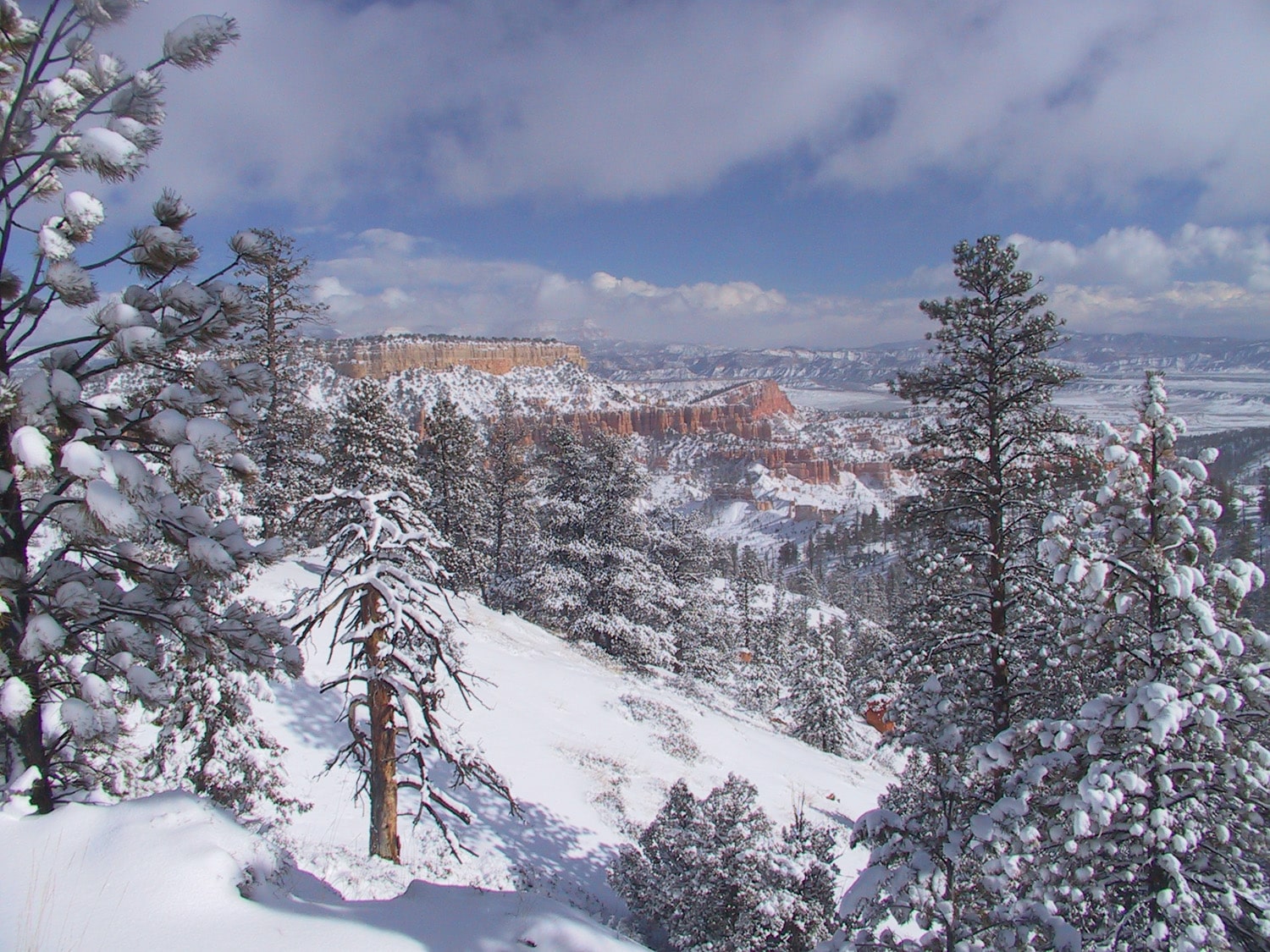
Bryce Canyon National Park lies in the southwestern part of Utah and covers around 36,000 acres of high-altitude plateau land. The park isn’t a canyon; it’s a collection of natural amphitheaters carved into the edge of the Paunsaugunt Plateau. The famed hoodoos, which are tall, thin spires of rock that rise dramatically from the basin floor, are also there. These unique rock formations, which took millions of years to produce, shine in bright oranges, reds, and pinks, especially at sunrise and sunset. The park’s solitary landscape, its dark skies, and the peculiar shapes of the hoodoos invite the mind to delve into the eerie (Haddon et al, 2015).
The area’s history of strange events starts with the native people who lived there first. The Southern Paiute, who lived here for hundreds of years, thought that the hoodoos were Legend People who had been turned to stone by the trickster god Coyote as punishment for their bad behavior. They believed that certain areas of the present-day park were spiritually charged zones where the boundary between worlds was indistinct. These Native beliefs laid the groundwork for a lengthy history of magical connections to the land. The Paiutes stayed away from specific places at night because they thought the souls of the Legend People may sometimes come to life and wander among the living (Eininger, 2004).
When European settlers came in the late 1800s, they started to hear new stories about weird things happening. Early Mormon pioneers said that they heard disembodied voices in the amphitheaters and saw strange lights moving amid the hoodoos at night. Ebenezer Bryce, the homesteader who gave the canyon its name, is said to have told his neighbors that it was “a hell of a place to lose a cow.” Animals would sometimes vanish and reappear days later in places they couldn’t have gotten to on their own, and the land was hard to navigate (Lapshinoff, 2010). When the area became a national park in the early 1900s, rangers and early tourists started writing down their strange experiences.
People who see ghosts at Bryce Canyon generally see them in certain parts of the park. The ancient lodge, built in the 1920s, is a popular place for ghost sightings. One of them is a woman in period clothes who appears in the main lobby and then disappears. Park rangers have written down many allegations from guests who say they were woken up by footsteps in empty hallways or saw a dark figure standing at the foot of their beds. Along the Navajo Loop Trail, hikers have said they saw a ghostly Native American figure watching them from the tops of the hoodoos. The apparition then vanished when they got too close. The most disturbing stories come from kids who say they see “the stone people” roaming among the hoodoos at dark. They sound a lot like the old Paiute folklore (Edwards, 2022).
Visitors and workers have claimed a number of additional paranormal events at the park throughout the years, in addition to ghostly sightings. Many have seen unexplained spheres of light hovering among the hoodoos after dark. They are often characterized as looking like lanterns that are moving without anybody holding them. Hikers have reported unexpected, localized reductions in temperature on routes, even on warm days, along with feelings of being watched or followed. In some parts of the park, electronic devices break down surprisingly often, and cameras either don’t work or take pictures with strange things in them. Park rangers have pictures of visitors that reveal weird mists, figures that can’t be explained, and light effects that don’t make sense. Some staff members have said that they feel like someone is touching or pushing them while they are alone on distant paths, especially in places that are sacred to the Paiute (Hauck, 2002).
Bryce Canyon’s reputation for being haunted has changed in the modern period. The park is a wonderful place to see stars because of its very black skies (Collison & Poe, 2013). It’s also a fantastic place to see UFOs. Since the 1950s, those who have been here have seen strange things in the sky, like lights that move in strange ways, things that float, and even close encounters. In the 1970s, a few park workers wrote down what they saw: a weird craft that seemed to land for a short time in a remote part of the park and then vanish without a trace. The park’s remote location and high elevation have made it a popular setting for conspiracy theories about the government hiding evidence of alien activity. Some people even claim that certain areas of the park are restricted to conceal evidence of alien visits.

Analysis
Skeptics have many ideas on why Bryce Canyon has a reputation for being paranormal. Geologists say that the amphitheater formations make strange sounds that can travel long distances and make people think they are hearing things. The red granite and weather circumstances can make the light look strange, which some people can mistake for anything otherworldly. Some places are more than 8,000 feet above sea level, which can make it challenging for tourists to breathe and create hallucinations or changes in how they see things. Psychologists say that the dramatic and somewhat strange terrain naturally sparks the imagination, making people more likely to see everyday events in a supernatural way. They say that a lot of the ghost stories show how Native American spiritual beliefs have affected our culture, along with how people naturally try to make sense of random events.
More scientific hypotheses discuss certain things that have been seen at Bryce. The strange lights that people saw dancing about the hoodoos could be bioluminescent fungi or insects, or they could be the headlights of cars far away reflecting off of moisture in the air. The canyon’s distinctive microclimate and the air currents that move through the amphitheaters could explain why the temperature changes. The rocks have a lot of iron oxide in them, which could generate strange electromagnetic fields that could impact electronic devices and maybe even how people see things. Some scientists believe that the location may contain unusual amounts of naturally occurring gases, which could subtly alter people’s perceptions and thoughts, making experiences seem supernatural despite having geological explanations.
Despite the logical explanations for these phenomena, Bryce Canyon’s paranormal reputation continues to grow with each new generation. Park rangers said that they get many accounts of strange things happening each year, even though they are officially impartial on the matter. Some longtime workers have told me in private that they have had strange experiences in the park. The mix of old beliefs, settler stories, modern visitors’ experiences, and the indisputably unearthly terrain makes it a wonderful place for paranormal stories to grow. It’s up to each person to decide if these things are real supernatural events, misunderstandings of natural events, or just the power of the human mind.
Conclusion
Bryce Canyon National Park is a tribute to both the wonderful geology of our planet and the fact that people have always been interested in things they can’t understand. The tall hoodoos will continue to impress visitors with their natural beauty, but the paranormal aspect adds an additional layer of intrigue that attracts some people to the park specifically for this reason. Legends and stories about ghosts, aliens, and ancient spirits living in the stone formations have become an important part of Bryce Canyon’s culture, whether or not you believe in them. As long as people keep walking its trails and looking at its strange landscape, new stories will come to light to add to the rich tapestry of paranormal lore that has grown around this amazing place. This will make sure that Bryce Canyon stays not only a natural wonder but also a place where the line between the known and unknown world seems very thin.
References
Collison, F. M., & Poe, K. (2013). “Astronomical tourism”: The astronomy and dark sky program at Bryce Canyon National park. Tourism Management Perspectives, 7, 1-15.
Edwards, D. M. (2022). Supernatural Lore of Southern Utah. Arcadia Publishing.
Eininger, S. (2004). Bryce Canyon National Park: Archeology of the Paunsaugunt Plateau (No. 69). Archeology Program, Cultural Resources Management, Intermountain Region, National Park Service, Department of the Interior.
Haddon, E. K., Webb, C., McNitt, J., Pollock, G. L., Davis, L., & MacLean, J. S. (2015, December). Brittle deformation and hoodoo development in Bryce Canyon National Park. In AGU Fall Meeting Abstracts (Vol. 2015, pp. EP53A-0970).
Hauck, D. W. (2002). Haunted Places: The National Directory: Ghostly Abodes, Sacred Sites, UFO Landings, and Other Supernatural Locations. Penguin.
Lapshinoff, A. (2010, July 30). Travel: A hell of a place to lose a cow. Pique Newsmagazine. https://www.piquenewsmagazine.com/travel/travel-a-hell-of-a-place-to-lose-a-cow-2486131
Leave a Reply