
The moon is stunning and essential to earthly life. Is it haunted, though?
Since the beginning of human civilization, people have been fascinated, curious, and in awe of the moon, the celestial body that is nearest to Earth. Its unavoidable presence and periodic changes have spawned a plethora of myths, tales, and paranormal beliefs throughout history. Moon-related superstitions and paranormal connotations range from werewolves and goddesses of lunar deity to lunar influences on human conduct. This essay’s purpose is to examine the cultural roots and significance of these beliefs while delving into their richness.
Mythology
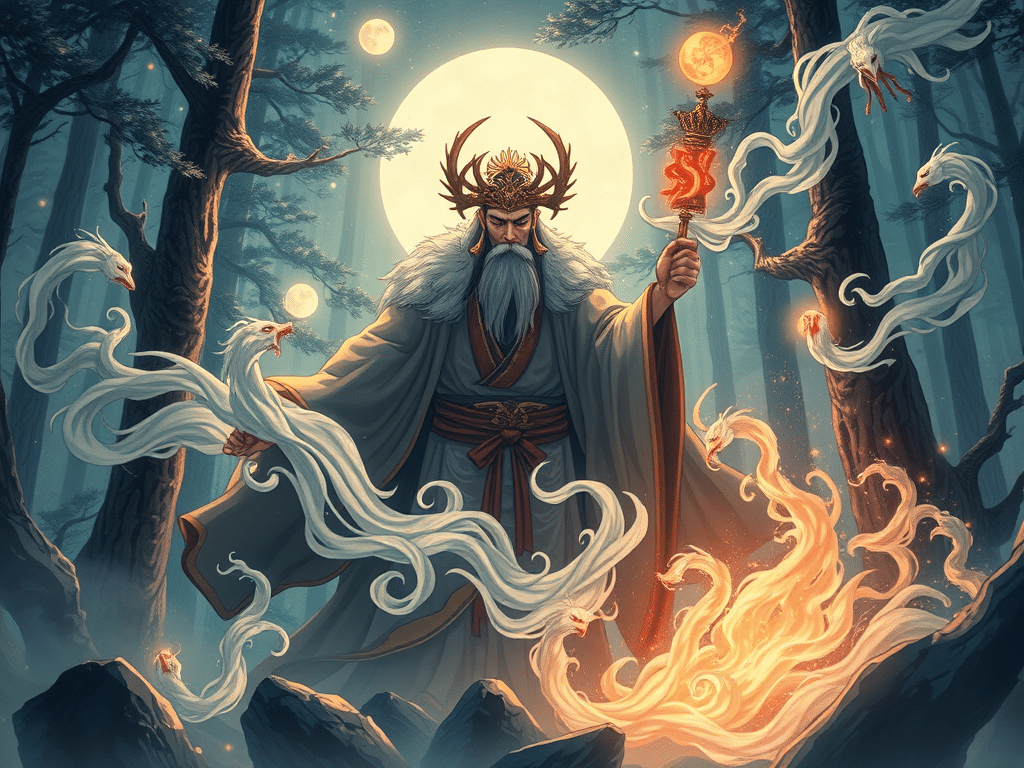
Many cultures have always personified the moon as a supernatural being due to its mysterious radiance and cyclical changes. Many cultures associate the Moon’s phases with immortality and perpetual return, symbolically connecting it to the life, death, and rebirth cycle. Lunar deities are abundant in the myths of ancient civilizations, representing fertility, knowledge, and power, among other things.
For instance, ancient Egyptians worshipped Thoth, the lunar deity of magic and wisdom, while Greek mythology represented the moon as Selene. While the Native American tribes had multiple moon goddesses, each connected to a different phase of the moon, Hindu mythology features Chandra as the lunar deity. These beliefs emphasize the strong psychological and spiritual bond that humans have with the moon body, despite the fact that they are primarily anthropomorphic interpretations of natural phenomena.
Behavior
Changes in both the physical and mental realms frequently correlate with the phases of the moon, particularly the full moon. The most well-known example is the werewolf myth, which has its origins in European mythology and holds that, on full moons, people can change into wolves. Pop culture and literature have firmly established this notion, despite the lack of scientific evidence, adding to the eerie and enigmatic associations associated with the full moon.
Another common paranormal belief about the moon is its direct influence on human behavior. Others believe that the phases of the moon may make people more sensitive, even to the point of causing mental disease. Researchers have discovered that the moon’s phases influence human mood and sleep patterns. The exact nature of the relationship between the moon and human behavior is yet unknown, though.
Similarly, the theory of lunar madness, also referred to as the “lunacy” effect, suggests that the full moon influences metal sickness, causing erratic behavior and elevated emotional states. Despite much investigation, there is no solid scientific evidence linking insanity to full moons. Still, the notion persists, perhaps due to cognitive biases or the lingering effects of long-gone beliefs. This steadfast conviction illustrates our never-ending search for patterns and significance in the natural world.
Dark Side
The moon’s dark side, which is always facing away from Earth, is a subject of curiosity and conjecture. Its isolation has made it a haven for conspiracy theories and otherworldly convictions. While some experts think it’s an artificial building, others think it’s home to the bases of extraterrestrial life. With the dawn of the space age, the far side of the moon came into focus; nonetheless, the mystery and lack of comprehensive knowledge surrounding it continue to fuel imaginations and foster beliefs in the paranormal.
It is thought that the moon has an impact on growth and fertility, in addition to other aspects of earthly life. For example, many agricultural communities believed that the waxing and waning of the moon affected plant development; thus, they planted or harvested crops according to the phases of the moon. Similarly, some cultures see the moon as a sign of nourishing and life-giving energy, and they link its cycle to women’s menstrual cycles and reproduction.
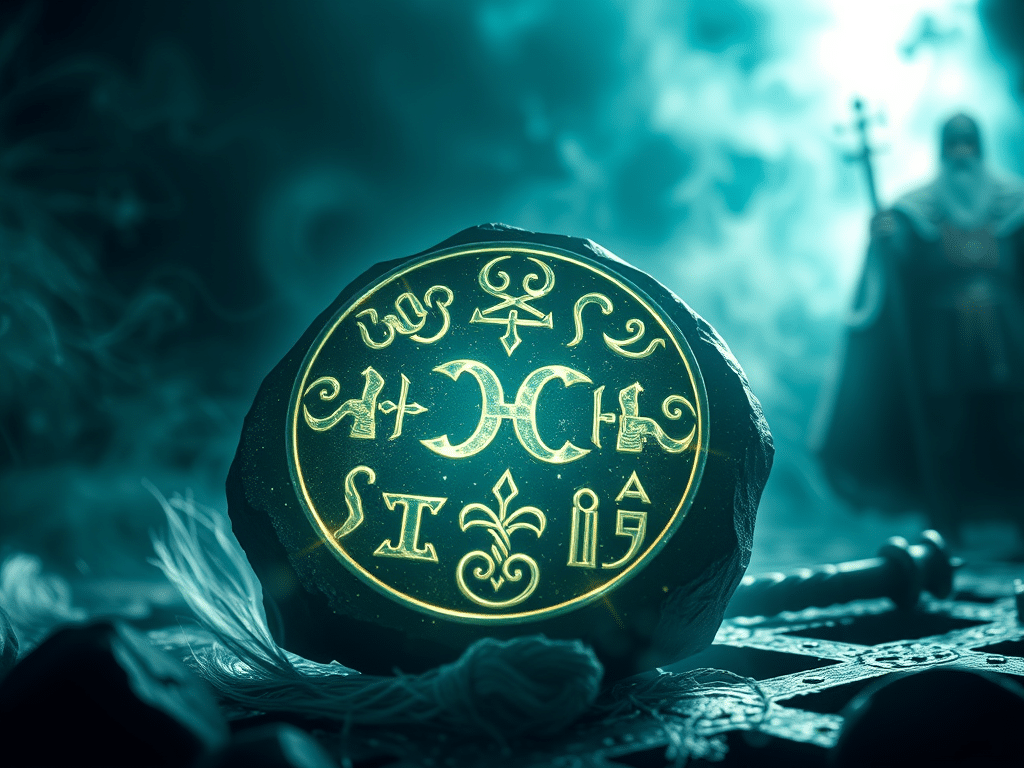
Other people assert a connection between the moon and the paranormal. Some people think it provides witches and other magic practitioners with power. Some believe it enables communication with the deceased.
In addition to the ideas already described, there are numerous other paranormal theories about the moon. Some people think it’s a doorway to other planets, while others think it’s a demon prison. Some people also believe that the moon is a living entity, and that ghosts and spirits reside there. Paranormal enthusiasts widely accept these assertions despite the lack of scientific proof.

Psychology
The psychological foundation of these ideas stems from pattern-seeking behavior, which is a fundamental human characteristic. The need to identify dependable patterns, particularly in unpredictable or chaotic situations, facilitates the construction and maintenance of such beliefs. Confirmation bias, the tendency to notice and remember evidence that confirms preexisting views, also fuels these paranormal stories.
Deeply ingrained in our collective psyche and popular culture, moon paranormal beliefs persist even in an age of science and skepticism. They are the central theme of many fictions, and they also influence astrology, fortunetelling, and modern pagan rituals. Paradoxically, these ideas demonstrate the breadth and complexity of human intellect, adding levels of mystery to our comprehension of the cosmos, even in the face of their lack of factual backing.
Conclusion
As a fundamental component of human awareness, the moon has sparked a variety of paranormal theories that combine the known and the unknown, the natural and the supernatural. Even though the majority of these theories are unsupported by evidence, they nevertheless hold true because they reflect our deep-seated need to make sense of the universe, understand its cycles, and solve its riddles. They also serve as an example of the diverse ways that cultures have interpreted astronomical occurrences, serving as a reminder of the curiosity, wonder, and storytelling that define humankind as a whole. Whether true or not, these superstitions about the moon enhance the depth of our common cultural heritage and the fascination of the night sky.
References
Chalbanova, A. (2022). The Moon and the Sun in Kalmyk Mythology. Litera, DOI:10.25136/2409-8698.2022.11.39267
Greatbatch, D., Morrison, S., & Lawton, C. (2019). Rescue responses during a full moon and Friday 13th. International Journal of Emergency Services, DOI:10.1108/ijes-12-2017-0066
Gokhale, S., & Kumar, A. (2023). Moon and Health: Myth or Reality? Cureus, DOI:10.7759/cureus.48491
Hui, Y. (2016). The Magic Appeal: Fantasy Elements in the Twilight Series. Sino-US English Teaching, DOI:10.17265/1539-8072/2016.03.008
Kong, G., Pretorius, E., & Dube, A. (2021). The correlation between full moon and admission volume for penetrating injuries at a major trauma centre in South Africa. South African Journal of Surgery, DOI:10.17159/2078-5151/2021/v59n3a3528
Ram, D., Vasan, P., & Mindar, M. (2016). Level of paranormal beliefs and its relationship with explanatory models, treatment adherence and satisfaction. Archives of Clinical Psychiatry (São Paulo), DOI:10.1590/0101-60830000000084

Leave a Reply