
Do you believe in trolls?
Trolls have long been a part of human folklore and mythology, occupying a unique space in the human imagination as both monstrous and enigmatic creatures. These beings have been portrayed in many different ways, from their humble origins in Norse mythology to their recent depictions in modern literature and cinema. In this essay, we will explore the evolution of trolls as monsters, their description and powers, the significance of their monstrous nature, and the ways in which they represent the fears and anxieties of the societies that created them.

Description
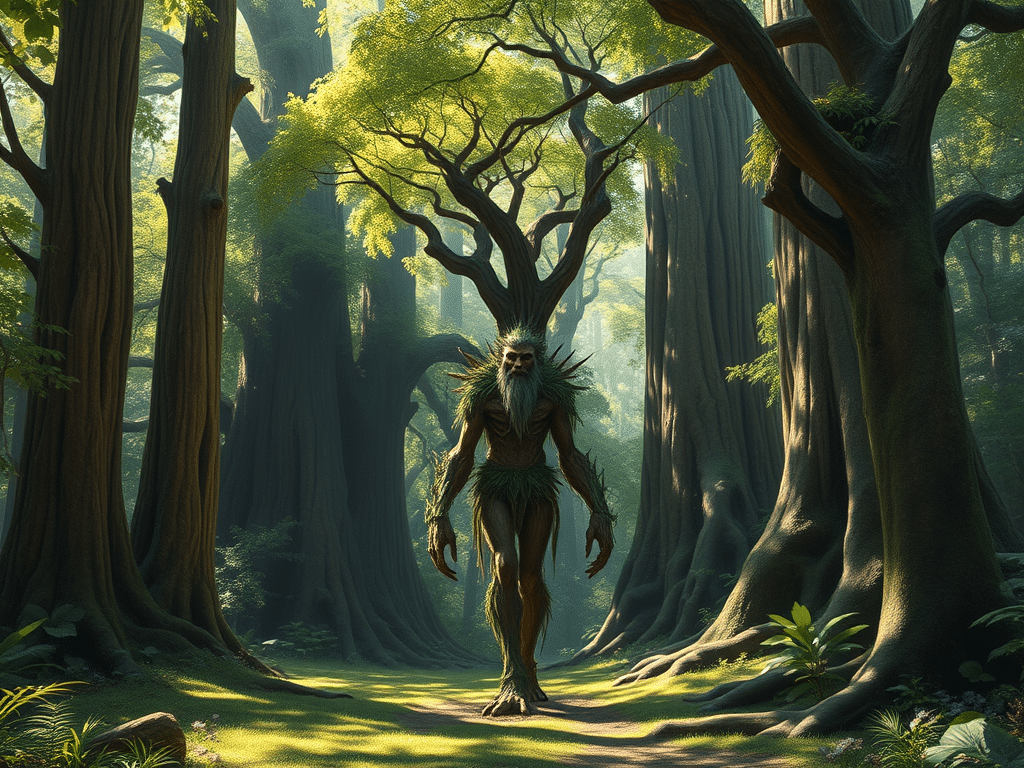
Trolls have often been depicted as large, brutish creatures with a distinctly humanoid appearance. Their most common features include a grotesque visage, an ungainly gait, and a hulking physique. Traditionally, trolls are characterized by their coarse, shaggy hair and thick, warty skin that is often depicted in various shades of green, gray, or brown. In some legends, trolls have long, sharp claws and fangs, which they use to devour their prey. a good example is Grendel.
The powers and abilities of trolls vary widely across different mythologies and popular culture. In Scandinavian folklore, trolls were believed to possess immense strength and a fierce, warlike temperament. They were often thought to be skilled in the use of magic, with the ability to shape-shift, cast spells, and even turn invisible.
Another defining feature of trolls in many stories is their remarkable regenerative abilities. They are often portrayed as being nearly invulnerable to physical harm, with the ability to regenerate lost limbs and recover from severe injuries. In some cases, trolls can only be killed by fire or acid, which prevents their rapid healing.
Norse Mythology
The earliest accounts of trolls can be traced back to Norse mythology, where they were described as supernatural beings possessing immense strength and an insatiable appetite for human flesh. Typically depicted as giant, grotesque creatures with an uncanny connection to nature, trolls were often portrayed as a threat to human civilization, embodying the unpredictable and destructive forces of the natural world. It was believed that they would emerge from their hidden lairs at night to wreak havoc on unsuspecting humans, highlighting the inherent danger of venturing into the untamed wilderness.
Trolls were believed to inhabit the remote wilderness, often living in caves, under bridges, or deep within the forests. Trolls were typically depicted as malevolent beings, feared by humans and blamed for various misfortunes, such as natural disasters or the disappearance of livestock.
Some scholars believe that belief in Bigfoot type creatures can be traced back to belief in trolls as they have a lot of similarities.
Over time, the depiction of trolls evolved and diversified, with the emergence of different types and sizes of trolls, such as the hulking mountain trolls, the smaller forest trolls, and the shape-shifting, more cunning trolls. These creatures have been a staple of European fairy tales and folklore, often featuring as antagonists in stories like “Three Billy Goats Gruff” and “Peer Gynt.”
As Norse mythology gave way to Scandinavian folklore, the image of trolls underwent significant transformation. They were no longer seen exclusively as giants, but rather as a diverse collection of creatures that varied in size, appearance, and temperament. Some tales depicted trolls as malicious tricksters, while others portrayed them as more benevolent, if somewhat mischievous, beings. Regardless of their specific characterization, trolls in Scandinavian folklore continued to embody the primal fears and uncertainties associated with the unknown and the natural world.

Modern World
Trolls have been a mainstay in Dungeons & Dragons since its creation, and they remain one of the most formidable opponents for adventurers. Not only do trolls possess tremendous regenerative capabilities that allow them to heal from even severe wounds with ease, they are also driven by an insatiable hunger for flesh which makes them particularly dangerous adversaries. To defeat these creatures requires the players to be creative and utilize tactics beyond simply attacking head-on; outsmarting the troll is often key to victory. Traps, decoys and other strategies using fire are often used in order to give adventurers an edge against their powerful foe.
Modern literature and cinema have continued to draw inspiration from the rich history of troll folklore, reimagining these creatures for contemporary audiences. In the works of J.R.R. Tolkien, for example, trolls are depicted as dim-witted and brutish monsters that serve in armies of darkness or as servants to evil characters such as Sauron in The Lord of the Rings trilogy. This portrayal emphasizes their monstrous nature and highlights their innate cruelty and disregard for human life which is evident throughout Tolkien’s work.
Trolls continue to be used in modern stories today with a few exceptions where they may be portrayed more sympathetically or even comedic relief instead of being seen solely as an enemy or force for evil like they appear in many classic tales such as those found within Norse mythology and fairy tales from around the world.
In contrast, the trolls in the Harry Potter series by J.K. Rowling are portrayed as more neutral creatures, capable of both violence and vulnerability. This nuanced depiction challenges the traditional image of trolls as purely evil monsters, encouraging readers to consider the complexities of the human-monster dynamic.
Conclusion
The enduring appeal of trolls as monsters can be attributed to their ability to embody the fears and anxieties of the societies that created them. In Norse mythology and Scandinavian folklore, trolls represented the dangers and uncertainties of the natural world, a theme that continues to resonate in modern depictions of these creatures. By confronting these fears through the lens of monstrosity, humans are able to explore the limits of their understanding, ultimately gaining greater insight into the complexities of existence.
Trolls have evolved significantly over time, reflecting the changing fears and anxieties of the societies that have imagined them. From their roots in Norse mythology to their diverse manifestations in modern literature and cinema, trolls have continued to occupy a unique space in the human imagination as both monstrous and enigmatic beings. By examining the significance of their monstrous nature and the ways in which they represent the fears and uncertainties of the human experience, we can gain a deeper understanding of the cultural and psychological factors that have shaped the evolution of these fascinating creatures.

Leave a Reply