
Werewolves have long been a part of human folklore, and they still hold a special place in the hearts of people all over the world. Numerous works of fiction, including books, films, and television programs, have addressed the subject of humans changing into wolves, whether by choice or as a result of a curse. However, the topic of whether hunting and killing werewolves is morally acceptable is complicated and necessitates a comprehensive comprehension of the problem.
Hunting has been a part of human society for thousands of years, with different cultures and regions having their own rules and regulations surrounding it. Hunting has taken the form of food hunting to provide sustenance, sport hunting as a recreational activity, and trophy hunting as an act of prestige or accomplishment. However, when we consider the morality of werewolf hunting- which involves sentient beings with supernatural abilities- we must take into account how these implications differ from those related to other types of hunting. It is essential to analyze this difference in order to fully understand the ethical considerations associated with werewolf hunting.

Hunting Werewolves
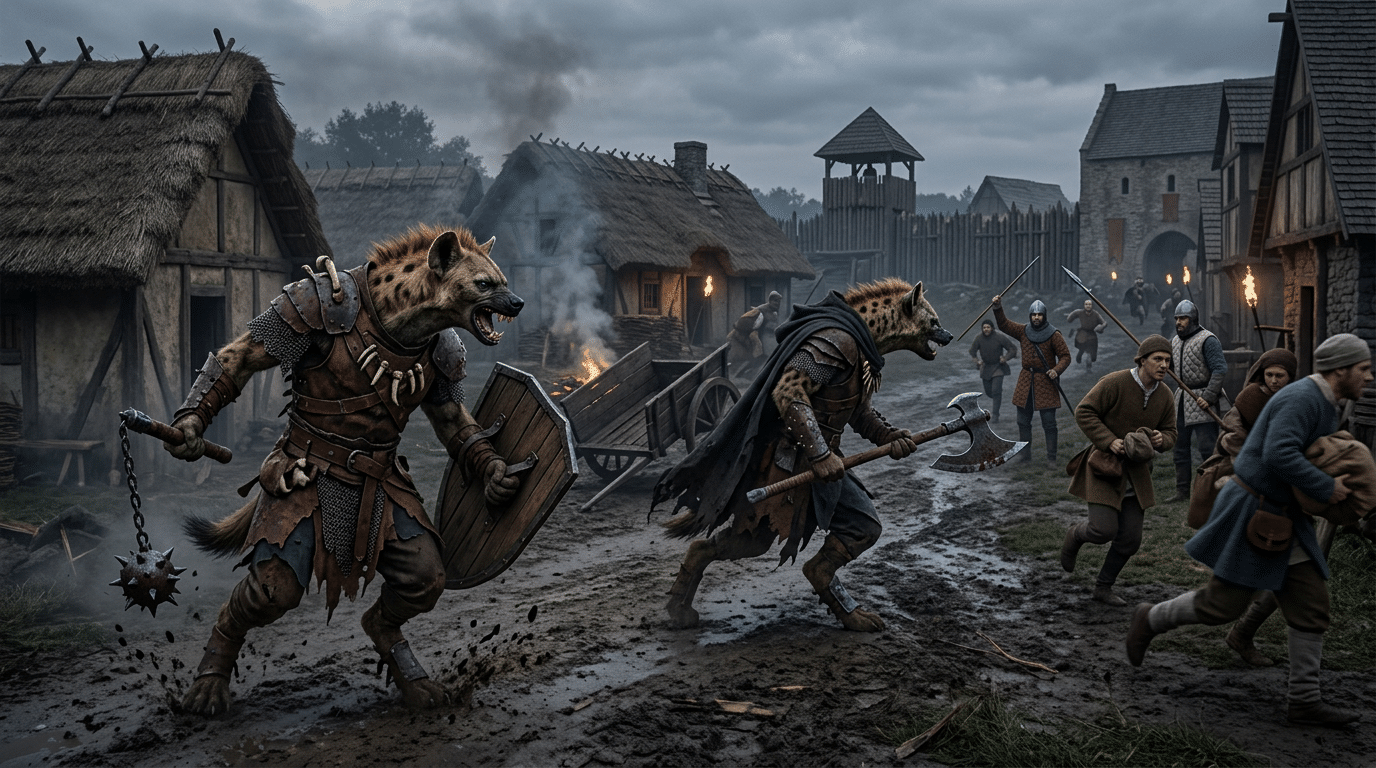
On the surface, hunting werewolves may appear to be no different than other types of hunting. It involves pursuing and then killing an animal. However, the key difference between these activities is that werewolves are sentient beings with human-like traits as opposed to animals. Werewolves possess similar cognitive abilities such as thought processes, language skills, and emotional expression which sets them apart from regular animals; thus making werewolf hunting a unique activity with its own ethical implications instead of being just another kind of hunt. Moreover, it’s important to take into consideration that werewolves actually are humans too; hence we should approach this matter accordingly.
There are a lot of parallels and distinctions to take into account when contrasting werewolf hunting with other types of hunting. Both involve taking the life of another being, which is one commonality. Werewolf hunters kill werewolves to defend humans or for other purposes, whereas hunters kill animals for food, sport, or other purposes. The primary distinction, though, is that animals lack werewolves’ level of cognition and consciousness. Therefore, hunting animals is less ethically difficult than hunting werewolves.
Supporters of hunting werewolves argue that it is essential for human protection. Werewolves, as they are often portrayed in popular culture, can be dangerous predators and difficult to control; thus, killing them may be considered a necessary evil. However, werewolves are not just animals; they possess thoughtful and moral tendencies similar to those of humans. While there is no denying that werewolves have feelings and personalities like any other living creature, this justification might still be sufficient enough to support their hunting as it could protect people from potential danger.
Hunting werewolves creates a moral dilemma because they are still human beings. Being transformed into a werewolf does not take away their basic rights and protections as citizens, nor should it be used to justify the taking of their life. The same ethical considerations apply when hunting them as would for any other person; killing someone just because they have special abilities is wrong. It is extremely difficult to defend such an action, especially when done solely on the basis of supernatural powers or skills. Ultimately, this debate boils down to whether it is morally acceptable to hunt these creatures when they are human in nature but with additional capabilities gained from their transformation.

Considerations
The potential effect on the species being pursued is a major consideration when it comes to hunting werewolves. Unlike the majority of animals that humans kill, which are generally not threatened or endangered and have steady populations, werewolves are an uncommon creature with their own unique social structures and hierarchies. This means that the death of just one individual could be much more detrimental to the werewolf population than if an individual from a larger species had been killed instead. Furthermore, when deciding whether or not it is ethical to hunt werewolves, it is important to take into account both the possible effects on this rare species as well as any moral implications of killing such a sentient entity.
The goal of hunting for werewolves can be very different from the goals of other types of hunting. Most hunters use animal hunting to provide sustenance or recreation, but werewolf hunters have different motives such as fear and prejudice. This means that when it comes to hunting werewolves, deeper feelings and reasons are often at play compared to other forms of hunting including bigotry. In many cases, these motivations may arise out of a sense of self-preservation or a desire to protect one’s community from an unknown threat. For example, if someone believes that their family is in danger due to the presence of a werewolf in the area, they might decide to hunt it down out of fear rather than enjoyment or consumption needs. Thus, while there may be ethical considerations involved with any type of hunting activity – whether it’s animal or otherwise -werewolf hunters must take into account additional moral implications involving potential bias and discrimination against this particular species.
The death of a single werewolf could potentially cause a ripple effect throughout the entire werewolf community. This is because all members of the species are likely to be connected in some way and may abide by their own social rules and hierarchies. The family of the deceased werewolf would also feel this loss, but it could easily extend beyond them if the rest of the species took offense at its death and chose to retaliate against humans who hunt them. Furthermore, there is a possibility that these civilizations have been hidden from human view for years; any disruption caused by hunters tracking down werewolves might lead to unforeseen consequences that could further disrupt existing societies or create new ones altogether.
Fear is one of the most detrimental repercussions of werewolf hunting on human-werewolf relationships. Werewolves may feel anxious and scared when they are being hunted, particularly in regards to their own safety as well as that of their loved ones. This anxiety can lead to defensive or hostile behavior from the werewolves towards humans, which can further fuel mistrust and animosity between these two groups. Furthermore, this increase in fear among humans can prompt more hunts and persecution of werewolves in an effort to protect themselves from potential danger resulting from werewolf presence. In turn, this leads to a vicious cycle where each side remains fearful and suspicious of the other—ultimately eroding any chance for meaningful reconciliation between them.
The development of mistrust between humans and werewolves is a direct consequence of hunting activities. Humans may feel threatened by their presence, which can lead to them avoiding any interaction with werewolves out of fear. This lack of communication and collaboration makes it difficult for werewolves to ask for help when needed, limiting their ability to live peacefully among humans. As the cycle continues, this mistrust strengthens as more people take part in hunting activities, furthering the divide between both species and making it harder for them to coexist harmoniously.
Hunting werewolves has a detrimental effect on the relationships between humans and werewolves. It can disrupt the social structures within their community, as well as lead to negative ideas of what it means to be a werewolf. This in turn results in mistrust and fear among both groups, further disrupting communication and collaboration. This can create an endless cycle of animosity that is difficult for either side to break out from, resulting in resentment and hatred that could potentially last for generations. Without intervention or understanding from both sides, it will be very hard for them to come together peacefully.
The morality of pursuing and murdering werewolves is ultimately a complex problem that defies a straightforward resolution. The ethical ramifications of killing sentient individuals cannot be overlooked, nor can the potential harm that werewolves bring to humanity. One can contend that a middle ground can be reached, such as catching and containing werewolves as opposed to putting them to death. The werewolf community must be taken into account, and such measures must be carried out with regard for the rights and wellbeing of werewolves. Werewolf hunting might not be the best method of controlling werewolves. As a result, it’s critical to take into account alternate methods of managing werewolf populations.
Containment
Containment of werewolves in a certain region would provide them with the opportunity to live and thrive without fear of being hunted or killed. This would also benefit humans, as it would protect them from potential attacks by werewolves while still allowing for research into their habits and behaviors. In order to successfully contain werewolves, effective traps must be used that can capture and secure them. It is important to note that these should not cause harm to the werewolf so as to keep both parties safe. Furthermore, once contained, proper care must be taken when housing the werewolf such as providing adequate food and shelter while also ensuring its safety from predators. With this approach, people can co-exist peacefully with werewolves without having to resorting to hunting or killing them.
The confinement strategy has several drawbacks. Werewolves are highly intelligent and sensitive creatures, so they may not be able to cope with being confined in captivity. Not only will this cause them severe psychological distress and emotional trauma, but it could lead to destructive behaviors or health problems. Building a werewolf containment facility is also costly; many communities or governments may not have the resources available to fund such an endeavor. Furthermore, maintaining such a facility would require regular upkeep expenses which might further strain financial resources.
Rehabilitation of werewolves would require a team effort and could include specialists from many different fields. Counselors, psychologists, doctors and even animal behavior experts can work together to teach werewolves how to control their transformation process and better adjust to living among humans. They would need instruction on how to manage difficult emotions, alter their behaviors when they feel the change coming on, remain in control while changing form, and learn the social conventions that govern human interactions. By providing this kind of support and guidance, rehabilitation could offer an effective alternative for managing werewolf populations without resorting to hunting them down or other violent solutions.
The main advantage of rehabilitation is that it would allow werewolves to live more regular lives without fear of being hunted or ostracized. In order to peacefully co-exist with humans, werewolves could learn how to control their shift and assimilate into society. This would ensure that they are treated with respect and dignity, which makes it a far better moral choice than hunting them down. Rehabilitation also preserves the lives of werewolves, allowing them to live in peace rather than in constant fear of being persecuted or killed due to their condition. This further cements the idea that rehabilitation is a much more ethical choice when compared to hunting as it allows for greater understanding between both species while still preserving both human and werewolf livelihoods.
The idea of rehabilitation for werewolves is a noble one, though there are several drawbacks. The most obvious issue is that not all werewolves may be willing to accept the help necessary for rehabilitation due to their hostile and often violent natures. Moreover, the time, money and resources needed to rehabilitate these creatures could prove difficult or impossible depending on the community in question. It would require significant commitments from governments as well as medical experts in order to ensure success while also being mindful of safety concerns posed by these powerful species.
Conclusion
In conclusion, it is important to give significant thought to the morality of werewolf hunting. While there may be justifications for hunting them to protect humans, it is important to consider the moral ramifications of such actions. The potential effects on the werewolf community and any other supernatural creatures that coexist with humans must also be taken into account. To properly address this issue, a fair strategy that upholds the rights and welfare of all parties concerned is required.



Leave a Reply