What do ghosts, ghouls, and banshees have in common? They’re all part of the spine-tingling realm of the undead! Today, we’re going to look deep into myth and folklore to find out where these scary creatures came from.
The undead have long been a symbol of our deepest fears and our relationship with death. They have caught our attention and given us nightmares.
The idea of the undead has been around for a long time. It can be found in everything from ancient mythology to modern pop culture, and it is always changing to reflect the fears and problems of the time.
This essay will look at the different kinds of undead beings, how they came to be, and what makes them unique.
Beings that have passed away but still show indications of life, frequently retaining part or all of their powers and talents, are referred to as the “undead.”
Monsters come in many different shapes and sizes, depending on the culture they come from and the myths they come from.
They are often easy to spot because they act strangely and sometimes savagely, which effectively conveys fear and the unknown.
Ancient civilizations were the first to talk about the undead, and different cultures have their own unique ideas about these creatures. It is believed that many of these ancient societies had a belief in some form of afterlife or rebirth after death. The concept of life after death and the resurrection of the dead has survived over time and distance, from Egyptian mummies to Greek shades. In Ancient Egypt, for example, people believed that by preserving bodies through mummification they could ensure an everlasting life for those who had died. Similarly in Ancient Greece, it was thought that when someone passed away their spirit would remain on earth as an invisible shade; this belief became known as “shadeism”. Both beliefs focused on bringing back the dead while still allowing them to live beyond physical death – a notion which transcends many cultures today.
Today’s horror books and movies often use the undead to talk about death, power, and the bad things that can happen when people are too proud.
Here are ten types of undead.
1. Ghosts
Ghosts have been an integral part of folklore and literature for centuries, with stories about them being passed down through generations. Ghosts are usually portrayed as the spirits of people who have passed away and are stuck in the world of the living because they were unable to resolve some issue from their life or a traumatic experience. They can show up in many ways, like voices that don’t come from anywhere or ghostly figures that appear out of nowhere and scare people. Ghost stories have long been used to both scare people into behaving better and also teach lessons about morality and ethics. In addition, they can be used to explore social fears such as prejudice, racism and other issues that may not be spoken openly but still exist within society.

2. Vampires
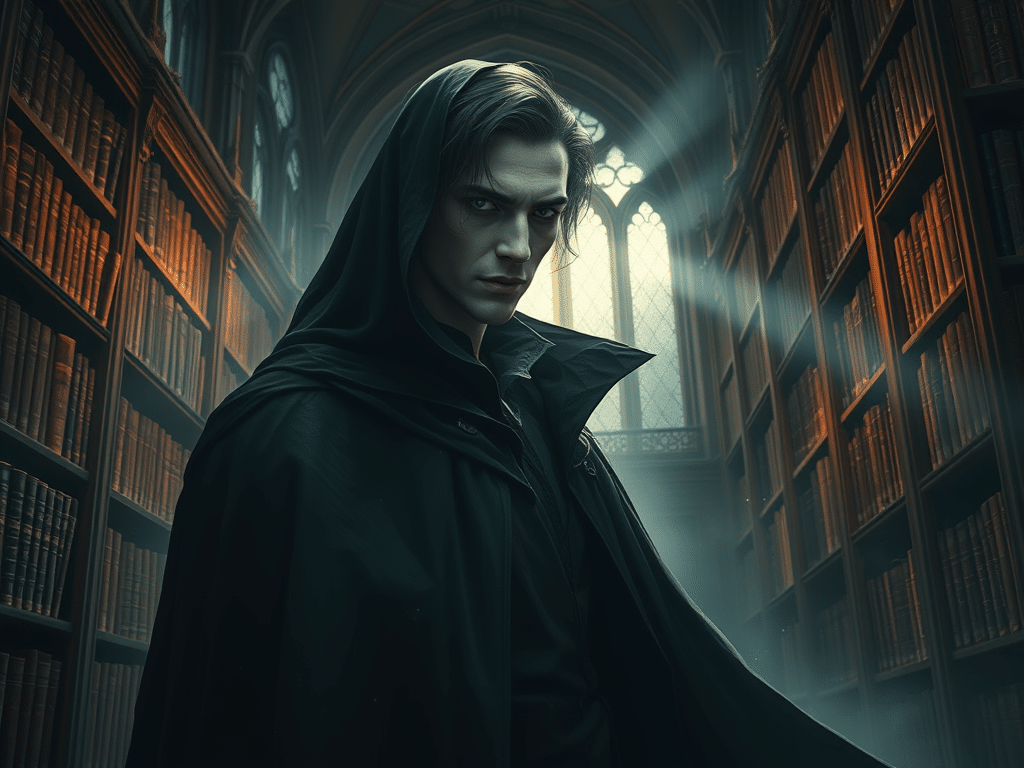
Vampires have been a part of popular culture since they first appeared in Eastern European folklore. Their stories have grown and changed over time to include a wide range of strengths and weaknesses, from physical powers like superhuman strength and speed to more subtle ones like being able to change into animals or listen to people’s thoughts. Besides their physical strength, vampires often represent themes like seduction, power, danger, and how immortality can make people bad. The idea that these creatures possess both powerful abilities and vices is part of what makes them so compelling characters—they’re both dangerous predators but also intriguingly flawed individuals with whom readers can sympathize.
3. Zombies
These dead people, or zombies, have come to life and their main goal is to consume human flesh. The idea of the zombie originates from Haitian Vodou beliefs but has become more popular in recent times through books and movies such as The Walking Dead. As this idea has become more popular, it has changed to reflect modern fears, such as disease outbreaks, the end of society, and a lack of personal freedom. Zombies are often depicted as shambling hordes with an insatiable hunger for flesh which serves as an analogy for how modern society strips away individualism and can make us feel like we are just another faceless person in the crowd.
4. Skeletons
These are the living remains of the dead. They are often shown as sentient beings who can think and act on their own but are usually mindless. Skeletons are less common than other undead creatures, but they do show up in myths and folktales. They are the physical and spiritual remains of once-living beings. Skeletons are often used as minions or henchmen in popular culture. They are a reminder that death is always around the corner.
5. Ghouls
These have been a part of Arabian mythology for centuries, known to desecrate the dead and feed on their flesh. Often they will take on the appearance of their victims in an attempt to blend into society unnoticed. In modern fiction, on the other hand, ghouls are often used to represent abstract ideas like cannibalism, predation, and the way people’s lives can go downhill when they don’t care about morals and values. Writers use these creatures as metaphors for how human behaviour can become twisted if unchecked or driven by selfishness or greed. Ghouls are also sometimes seen as reflections of our own fear of death; a reminder that even those who have gone cannot escape its cold grasp forever.
6. Wraiths
These are the malevolent spirits that embody the essence of darkness and despair. Often depicted as shadowy, ethereal beings, wraiths are known to drain the life force of their victims, leaving behind only empty husks. Wraiths are often linked to feelings of sadness, loss, and hopelessness. They represent the darker sides of human emotions and bring our deepest fears to life.
7. Liches
These are powerful undead sorcerers who have become immortal by binding their souls to a physical object called a phylactery and using dark magic. This is typically achieved through a forbidden ritual that requires the lich to sacrifice their own life. In medieval Europe, liches were often shown as beings that looked like skeletons and had a lot of magic knowledge and skills. People look at them as stories about ambition, corruption, and what happens when you try to get power at any cost. With an eternal lifespan, liches can pursue goals that might otherwise be impossible due to time constraints or mortality – however these pursuits sometimes come with unintended consequences for themselves or those around them.
8. Banshees
Banshees are supernatural creatures from Irish folklore, usually portrayed as female spirits whose sorrowful cries foretell of death. In Ireland, it was believed that the appearance or sound of a banshee heralded the coming of an impending death or tragedy. As such, they represent grief and loss – symbols of mortality and fragility. They serve as a reminder that life is fleeting and no one can avoid death forever. Some scholars argue that banshee are actually living members of the fae and are not undead.

9. Mummies
These are a classic horror trope that has been around for centuries, often associated with ancient Egyptian culture. The process of mummification was thought to protect the dead from harm and ensure their safe passage into the afterlife. In popular fiction, however, mummies have taken on a more sinister role; they become cursed beings seeking revenge against those who disturb their eternal rest. This serves as an example of cultural heritage and desecration- what happens when something sacred is disturbed or mishandled? Mummies represent these themes in an eerie way by blending traditional beliefs with modern stories that fascinate us all.
10. Dullahans
This is one of the oldest and most famous Irish myths about the dead. These headless horsemen are seen as harbingers of death, carrying their severed heads with them wherever they go. The head serves as a lantern to light up the night and guide its way, while an eerie whip made from human spine accompanies it on its travels. But perhaps what makes the Dullahan so feared is that it can call out someone’s name who will then immediately die, confirming our mortality and the unstoppable force that is fate. For centuries now, these legendary creatures have embodied themes of mortality and destiny which still haunt us today – reminding us of our own inevitable passing away into nothingness.
People’s imaginations have been captivated by different kinds of undead creatures throughout history. These creatures show both our deepest fears and how our culture is always changing. From the sad cries of banshees to the never-ending hunger of zombies, these creatures represent our fears of death, power, and the unknown. By looking at the different kinds of zombies, we can learn more about the human mind and why we are so interested in the macabre.
References
Can such things be. (n.d.). Etext.virginia.edu. Retrieved July 31, 2012, from http://etext.virginia.edu
Lovecraft, H. P. (1988). Supernatural horror in literature (Original work published 1927–1935). Gaslight.mtroyal.ca. Retrieved July 31, 2012, from http://gaslight.mtroyal.ca
Melton, J. G. (2010). The vampire book: The encyclopedia of the undead. Visible Ink Press.
Stoker, B. (1975). The annotated Dracula (L. Wolf, Ed.). Crown. (Original work published 1897)

Leave a Reply