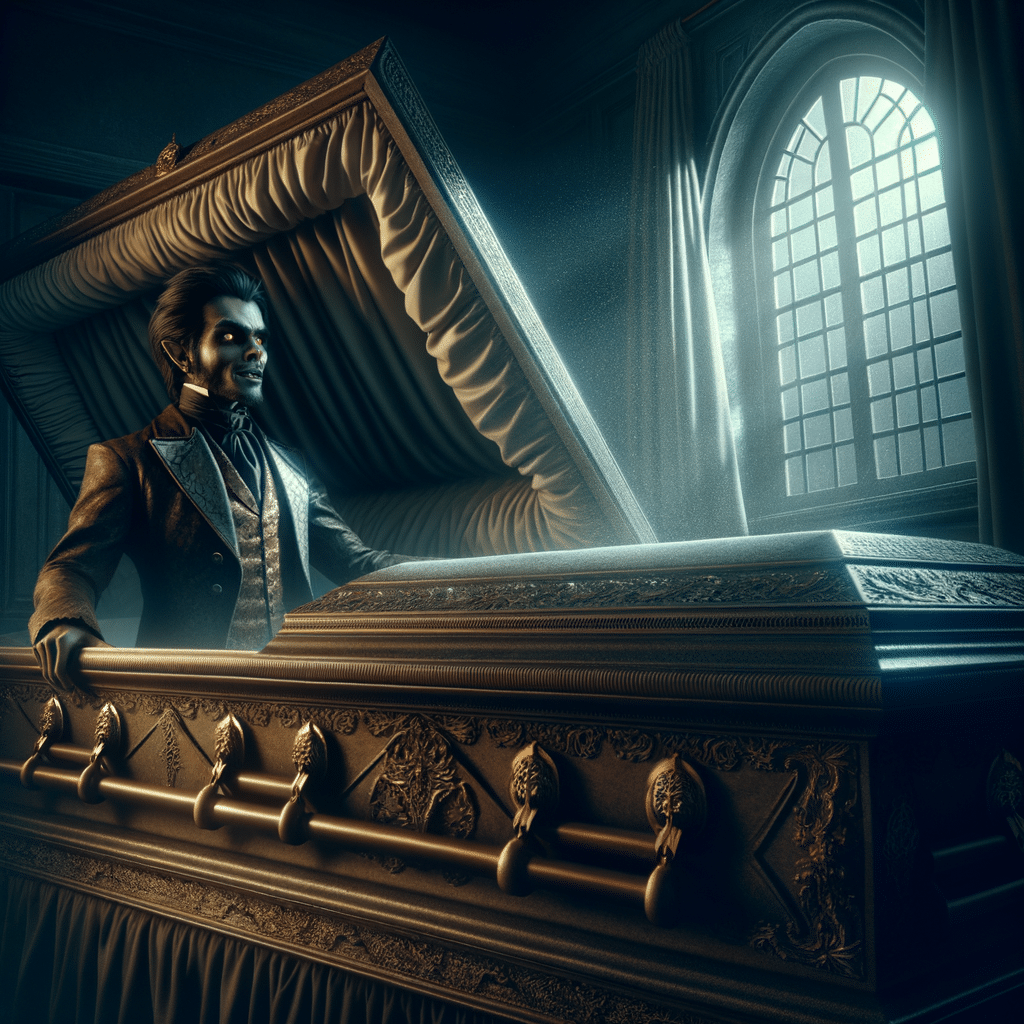
Vampires have haunted the human imagination for centuries, embodying fears and superstitions that span cultures and continents. These mythical creatures of the night have been characterized by an array of supernatural traits and a singular thirst for blood. But how does one become a vampire feared and revered throughout history? The transformation from mortal to vampire is steeped in mystery and varies widely in tales and legends across the world.
Nowadays, people often think becoming a vampire is a good thing. People believe they could become immortal and have great power. But historically, this was not how vampirism was perceived. Being a vampire was once a highly bad life occurrence, and real vampires were generally cruel people. Vampirism was to be avoided at all costs.

Methods
The most well-known and dreaded method of transformation in the world of vampire folklore is a hauntingly simple one: getting bit by a vampire. The vampire’s saliva contains a virus or magical essence that transforms the victim into a vampire. The transformation process typically takes several days or weeks, during which the victim experiences a range of physical and psychological changes.
Across cultures and throughout history, tales of individuals succumbing to vampirism through this harrowing encounter have been passed down through generations. Through this transformative bite, mortals are said to undergo a profound metamorphosis that transcends their former existence into something otherworldly—forever bound to the nocturnal realm.
Yet, beyond its terrifying implications lies another layer: the potential allure hidden within this macabre ritual. For some seekers who yearn for immortality or seek forbidden knowledge, willingly offering themselves as vessels for vampiric transformation may be seen as an alluring path towards power or even an escape from mortal limitations. The tantalizing prospect of shedding mortality like a worn-out garment can exert an almost magnetic pull on those who dare flirt with danger.
Yet, this is merely the tip of the iceberg when it comes to the numerous ways one might fall prey to such a cursed existence.
In some legends, a person could be advised to drink the ashes of a burned vampire after being bitten, a grim potion thought to seal their fate as a creature of the night. This method is often associated with revenge or protection, as the ashes of a vampire are believed to be powerful and dangerous.
Yet, vampirism could also be a consequence of one’s actions and circumstances in life—or death. The Christian church, along with Jewish and Muslim doctrines, deemed suicide a grievous sin, with repercussions extending beyond the mortal coil. Not only was the act illegal, with the deceased’s property often seized, but it was believed to leave the soul vulnerable to a vampiric transformation. As attitudes evolved in the 19th century, attributing suicide to insanity rather than moral failing, the term suicide itself emerged, yet the supernatural stigma lingered.
Sorcery, too, could be implicated in the birth of a vampire. Witches casting spells might inadvertently—or very deliberately—turn a person into a vampire, and some witches were themselves considered to be vampires.
Moreover, a child brought into the world under peculiar circumstances—a baby born with teeth, on Christmas, or to a seventh son of a seventh son—could be destined for a vampiric fate.
Ancient civilizations and religions perceived the neglect of rituals or moral deviance as a path to vampirism. Swearing a false oath or breaking a sacred vow can also lead to vampirism in some cultures. This is often seen as a form of betrayal or dishonesty, which is believed to attract the attention of dark forces.
Even physical attributes or behaviors, such as having red hair, talking to oneself, or being born with certain birthmarks, could mark one as a future vampire.
Adding to the pantheon of methods for creating a vampire, a new concept has emerged: the Vampire’s Shadow. According to this notion, a person who falls under the shadow of a vampire—literally or metaphorically—begins a transformation that mirrors the stages of grief. The shadow represents a curse that slowly drains the life force, leaving the victim in a state between life and death. As the shadow feeds, it grows stronger until the afflicted individual succumbs entirely, rising again as a vampire.
Fascinatingly, cultures have developed a myriad of practices to prevent vampirism. These ranged from specific funeral rites to the strategic placement of garlic on windows. The goal was to protect the living from the undead, sometimes involving drastic measures like mutilating the corpse to ensure it would not rise again.

Modern Perception
While older legends offer intriguing origins for vampires, contemporary books, films, and television have expanded on or deviated from these myths. Modern stories have vampires being created not just from bites but from blood exchange or even viruses. The transition is also shown as an extended process spanning days, not a single bite or instantaneous transformation.
As in traditional folklore, the vampire bite is a common trope in popular culture. Films such as Dracula and Twilight depict the transformation of humans into vampires through the bite of a vampire.
In some works of fiction, vampirism is transmitted through blood transfusions. This method is often used to create a sense of urgency or danger, as the recipient of the transfusion must race against time to find a cure or prevent their transformation.
Popular culture also features various rituals or ceremonies that can lead to vampirism. For example, in the TV series The Vampire Diaries, vampires are created through a ritual involving the sacrifice of a human life.
In some stories, vampirism is the result of a curse or spell cast by a powerful witch or sorcerer. This method is often used to create a sense of mystery or supernatural intrigue.
Popular culture has also extended vampirism to new situations like humans undergoing medical experiments, being descended from ancient vampires, using witchcraft or alchemy to gain immortality, and other creative devices. The only restriction on vampire creation techniques is one’s imagination.
The legend of the vampire, a creature that can be both alluring and repulsive, continues to evolve, reflecting society’s deepest anxieties and forbidden desires. From the ashes of a burned vampire to the shadow of the undead, the ways in which one might become a vampire are as diverse as the cultures that spawned them. As we delve deeper into the myths that surround these nocturnal beings, we find a reflection of our own fears of the unknown, the unnatural, and the eternal struggle between life and death. Whether through the bite of an ancient creature or the curse of a modern shadow, the vampire remains an enduring symbol of transformation and the eternal human quest to understand the darkness that lurks in the hearts of all.
Leave a Reply