
One of the oldest known pieces of literary fiction is the ancient Mesopotamian and Sumerian epic Gilgamesh, which dates to approximately 2100 BCE and originated in the city of Uruk. Enkidu, a wild man who personifies the conflict between civilization and the wild world, is a pivotal figure in this epic. This persona offers an intriguing counterpoint to contemporary legends like Bigfoot, a person who likewise straddles the boundary between the wild and humanity. Investigating Enkidu in conjunction with Bigfoot myths offers a greater understanding of human nature and our interaction with the natural environment.

Enkidu
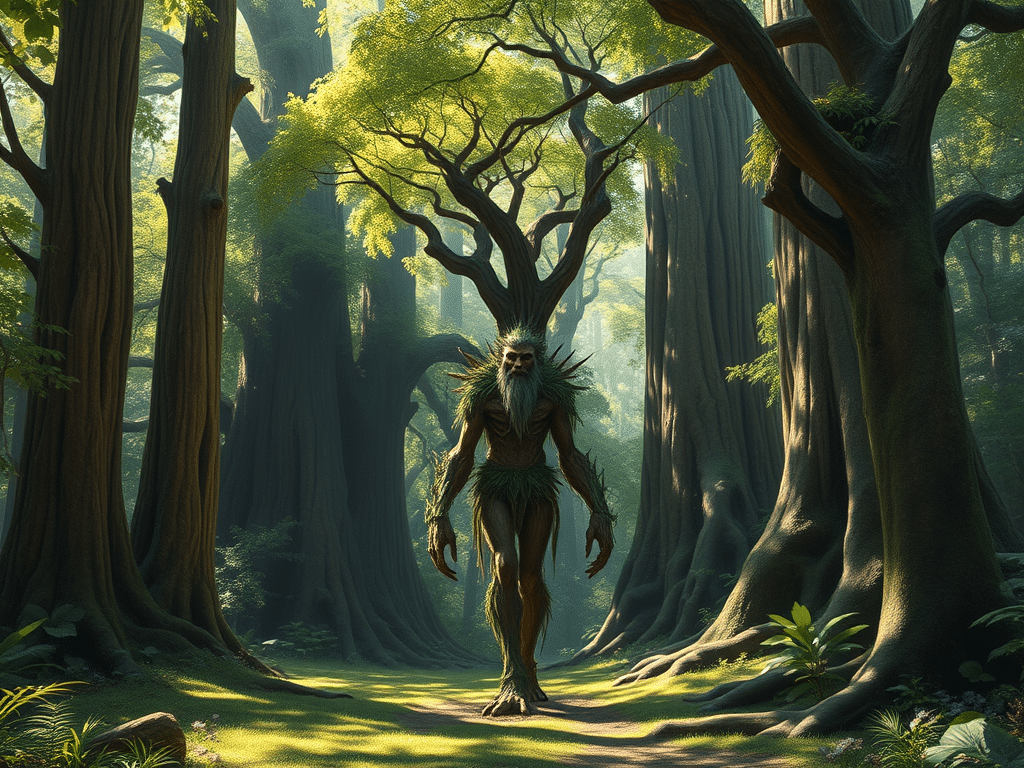
The gods produced Enkidu, a wild man, in response to the screams of the people of Uruk, who were subject to King Gilgamesh’s oppression. The goddess Aruru created Enkidu from clay and water, initially transforming him into more of a beast than a man. He coexists with animals and shares their impulses. He wanders the woods, unacquainted with human culture, signifying wild nature and innate freedom. His existence directly contradicts the civilization and order that Gilgamesh stands for as king (George, 2003).
Enkidu begins his metamorphosis when he encounters Shamhat, a temple prostitute who aims to tame him. Meeting her exposes Enkidu to the human world, where he encounters people, absorbs their culture, and ultimately experiences transformation. This crucial encounter acts as a link between his untamed beginnings and his place in human society. After spending time with Shamhat, Enkidu gains knowledge and insight, but loses his previous wildness. He changes from being Gilgamesh’s enemy to an ally, becoming a pivotal character in the story.
The epic’s fundamental theme—love, sacrifice, and mortality—is the friendship between Gilgamesh and Enkidu. Together, they go on fearless expeditions, such as the hunt for the monster Humbaba and the encounter with the Bull of Heaven. Through his adventures, Enkidu challenges the king’s haughtiness and impatience while simultaneously helping Gilgamesh and acting as a moral compass for him. Through their bond, Gilgamesh learns about empathy and mortality, which humanizes him.
Enkidu plays a crucial part in the epic, becoming Gilgamesh’s close friend and ally. Through their bond, Gilgamesh learns empathy and the value of life, which humanizes him. Together, they take on powerful foes like the Bull of Heaven and the monster Humbaba. Enkidu guides Gilgamesh and confronts his conceit, serving as a moral compass. This friendship also introduces themes of mortality and grief, especially in Enkidu’s sad death, which prompts Gilgamesh’s desire for immortality (Tigay, 2002).
In the epic, Enkidu’s passing marks a turning point. The gods punish Gilgamesh for his illness, forcing him to confront his own mortality. Fearing for his own life, Gilgamesh laments Enkidu’s passing and embarks on a quest for immortality, ultimately confirming the limitations of human nature.

Bigfoot and Wild Men
Enkidu and other wild man myths and figures, like Bigfoot and the Yeti, have intriguing similarities when compared. Frequently portrayed as enigmatic and elusive, these characters embody the untamed and wild parts of nature. They share Enkidu’s boundary between the human and wild worlds, frequently acting as metaphors for the unknown or the most primal parts of human nature. Many cultures around the world, from the Woodwose of medieval Europe to the Yeti of the Himalayas, embrace the idea of the wild man, despite the fact that most Bigfoot legends originate in North America. Like Enkidu, these characters represent humanity’s enduring fascination with—and fear of—the wild, as well as our own primordial urges.
On the other hand, Bigfoot, a mythical creature from North American folklore, is still undiscovered and wild. Frequently portrayed as a large, hairy ape-like creature, Bigfoot symbolizes the mystery and terror inherent in the outdoors. Bigfoot does not change or become assimilated into human civilization like Enkidu did. Bigfoot, on the other hand, stands for the enduring mystery and appeal of the wild, defying the advance of civilization (Buhs, 2019).
Comparing Enkidu to Bigfoot reveals cultural conceptions of the wild. While Enkidu evolves from wilderness to civilization, Bigfoot remains a symbol of untamed nature, expressing humanity’s concerns and attraction to the unknown. Wild men’s legends, such as the Yeti in the Himalayas or the Woodwose in medieval Europe, mimic these themes, illustrating the universal struggle between humans and the environment (Harari, 2008).
Analysis
Expert examination by researchers such as Andrew George suggests that Enkidu’s transformation aligns with ancient Mesopotamian perspectives on civilization’s capacity to advance and civilize (George, 2003). In contrast, Joshua Blu Buhs describes how Bigfoot represents our fears about the disappearance of wildness and the mysteries it possesses (Buhs, 2019).
The myths of Enkidu and Bigfoot presumably derive from a blend of folklore, myth, and the human obsession with the wilderness. Enkidu’s character in the Epic of Gilgamesh is deeply symbolic, signifying the passage from nature to civilization. His creation by the gods alludes to a mythical beginning and acts as a plot device to examine issues of humanity and friendship.
Despite their mystery, people often regard bigfoot legends as rooted in folklore. These legends can have developed from misinterpretations of animal sightings, cultural stories passed down through generations, or the human desire to personify the unseen components of nature. The continuous reporting of Bigfoot sightings points to a pervasive interest in the notion of an as-yet-undiscovered monster hiding in the woods.
Conclusion
Both Enkidu and Bigfoot illustrate our persistent interest in and dread of the forest, embodying the conflict between the known and the unknown. Their tales enthrall and inspire even in the absence of tangible proof of their existence, demonstrating the potency of myth and narrative in human civilization.
The Tale of Enkidu is a timeless examination of humanity that highlights the ability of friendship to change people and the necessity of accepting one’s own mortality. Enkidu’s comparison to Bigfoot and other wild man legends helps us comprehend the dual nature of culture and nature, a concept that is prevalent in myths and legends all across the world.
References
Buhs, J. B. (2019). Bigfoot: The life and times of a legend. University of Chicago Press.
Foster, B. R. (2019). The Epic of Gilgamesh: A New Translation, Analogues, Criticism. W. W. Norton & Company.
George, A. R. (2003). The Epic of Gilgamesh: The Babylonian Epic Poem and Other Texts in Akkadian and Sumerian. Penguin Classics.
Harari, Y. (2008). The ultimate experience: battlefield revelations and the making of modern war culture, 1450-2000. Springer.
Tigay, J. H. (2002). The evolution of the Gilgamesh epic. Bolchazy-Carducci Publishers.



Leave a Reply