
For thousands of years, people have been fascinated with necromancy, the sinister practice of speaking to and resurrecting the dead. Derived from the Greek words nekros (dead) and manteia (divination), this mystical technique is trying to call forth the souls of the dead in order to reanimate corpses, gain information, or perform divination. Necromancy holds a significant place in literature, mythology, and contemporary popular culture due to its enduring fear and fascination.

Description
In its most ancient form, necromancy included a number of ceremonial activities, including incantations, ceremonial magic, and sacrifices made close to graves or other locations connected to death. In the past, necromancers frequently performed their rites at intersections or battlegrounds because they thought these sites had unique abilities to communicate with the dead. These included the use of human remains as magical ingredients, the burning of particular herbs, and blood sacrifices (Kapcár, 2015).
Folklore from many cultures contains numerous stories about necromancers and their powers. Odin himself used seiðr, a type of necromancy, to learn from the dead in Norse mythology. According to ancient Greek mythology, Odysseus used necromantic rites to communicate with the underworld’s prophet, Tiresias. Medieval European mythology frequently depicted necromancers as strong but morally tainted wizards who disobeyed heavenly order and natural law (Vítek, 2021).
Types of Undead
In legend, necromancers have produced a variety of undead creatures that represent various cultural anxieties and perspectives on death and rebirth. These creatures fulfill various functions for their creators and frequently preserve diverse aspects of their former humanity. In medieval European folklore, reanimated corpses known as revenants frequently returned in corporeal form to frighten the living. Revenants, as opposed to typical zombies, kept their memories and intelligence and frequently pursued unresolved issues or retaliation. Usually portrayed as evil creatures with the ability to talk and reason, they posed a significant threat to the minions of necromancers.
Evil sorcery frequently conjured Draugr, strong undead creatures in Norse mythology. These undead had extraordinary power, could grow larger at command, and protected their buried goods. People believed they possessed magical powers, including the capacity to curse the living and alter their shape. In Norse mythology, necromancers occasionally attempted to subjugate these creatures in order to gain power.
Necromancers might create the jiangshi, or hopping vampire, from corpses, according to Chinese tradition. These undead creatures absorbed the living’s life energy while hopping with their arms extended. Jiangshi were usually portrayed as mindless servants controlled by their creator, in contrast to Western vampires.
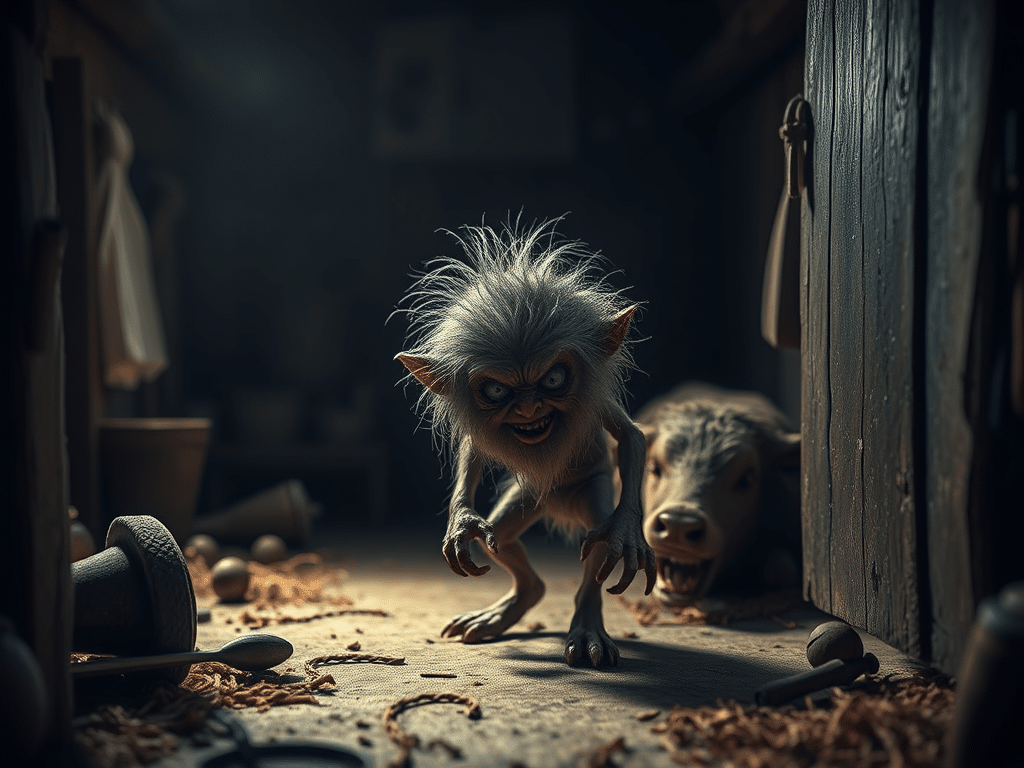
A common figure in Middle Eastern tradition, the ghoul was an undead creature who consumed human flesh. Necromantic rites produced some ghouls, while natural creatures produced others. These creatures frequently displayed cleverness and could mimic the appearance of their most recent victim.
According to ancient European traditions, scholarly necromancers used a combination of necromancy and alchemy to create artificial humanoid entities known as homunculi. Despite not being physically undead, these entities navigated the boundary between life and death, serving as spies and advisors to their creators. Numerous zombie-like entities created by necromancers and witch doctors are part of African legend. Unlike zombies in modern mainstream culture, African legend often depicts these creatures as magically enslaved slaves, maintaining consciousness under their creator’s whim.
In Germanic and Norse folklore, wars were characterized by animated corpses, which retained their intelligence and the ability to use tools and weapons effectively. These undead creatures were especially dangerous because they were both magically and physically capable of fighting, which made them useful tools for necromancers who could manipulate them. Eastern European folklore describes various animated corpses generated by dark magic users. These include nav, a group of walking dead obligated to obey their creators, and upiri, an early form of vampire.
Many different folklores portray the mummy as an undead creature, roused and subdued by necromantic rites, despite its most notable association with ancient Egyptian civilization. These preserved bodies frequently had both magical and physical prowess. Necromancers, according to Slavic tradition, could create vechny, or eternal ones, undead creatures obligated to serve their creator while retaining their life memories and abilities. Especially prized for their capacity to impart information from their former existence, these animals served as strong protectors.
These diverse kinds of undead reflect different cultural perspectives on death, resurrection, and the connection between the body and soul. The fact that some are mindless automatons while others retain certain aspects of their former selves raises questions concerning the meaning of life, death, and the moral ramifications of resurrection. Undead can apply to many types of traditional folklore monsters.

Necromancy as Symbolism
Necromancy reflects deep-seated human fears and ethical issues, making it a powerful metaphor for a variety of societal problems. It frequently symbolizes humanity’s complicated connection with power, mortality, and technological growth. Necromancy is fundamentally a symbol of our fear of dying and our desperate attempt to manage it. The practice reflects contemporary concerns about aging, mortality, and the boundaries of medical science and represents our unwillingness to accept death as inevitable. Today, when developments in artificial intelligence and life-extension technology cast doubt on the distinction between life and death, this symbolic element is especially pertinent (Sekoff, 2005).
The moral decay frequently associated with necromancers reflects society’s concerns about the moral implications of scientific advancement. Modern society grapples with moral dilemmas stemming from genetic engineering, artificial life, and human enhancement technology, while often portraying necromancers as individuals who forfeit their humanity in pursuit of forbidden knowledge. AI is frequently cited as an example of this.
Literature and the media frequently use necromancy to symbolize the cost of unbridled ambition. These stories examine the repercussions of going beyond one’s natural bounds, from Victor Frankenstein to contemporary figures who experiment with death magic. This reflects current concerns about the development of artificial intelligence, environmental degradation, and other situations where human desire could have disastrous results (Marsh, 2015).
The social disapproval of necromancers in fiction is similar to actual anxieties about people who defy expectations or overstep technological bounds. The necromancer, as a social pariah, symbolizes our ambivalence about innovation and development, particularly when it challenges established values or beliefs. Because they address basic human worries about death, advancement, and the cost of power, these metaphorical aspects endure. Necromancy continues to be a potent prism through which to see our shared hopes and anxieties as society encounters new ethical and technical issues.
Necromancy in Literature and Popular Culture
Literature has widely discussed the idea of necromancy, frequently using it as a metaphor for people’s desire to defeat death. In Mary Shelley’s Frankenstein, the main character creates life from death through scientific necromancy. Necromantic elements were common in H.P. Lovecraft’s stories, especially in pieces like The Case of Charles Dexter Ward. J.R.R. Tolkien’s works feature characters such as the Witch-king of Angmar and the necromancer of Dol Guldur, who ultimately reveals himself as Sauron himself, as examples of necromancy (Abbott, 1990).
Beyond its historical origins, necromancy has developed into a mainstay of fantasy entertainment in modern popular culture. Necromancers are playable character classes in video games such as Diablo and The Elder Scrolls series. Television series like Game of Thrones portray necromantic abilities through the White Walkers’ ability to resurrect the dead. Contemporary interpretations frequently combine new ideas and classic necromantic aspects to produce novel approaches to this age-old magical tradition.
Contemporary fantasy fiction, such as Terry Pratchett’s Discworld series and Garth Nix’s The Old Kingdom series, carries on this tradition by offering somber examinations of death magic and its effects. The way that modern audiences view necromancy has been greatly impacted by role-playing games, especially Dungeons & Dragons, which usually portray it as a school of magic centered on directing life force and reviving the dead.
Conclusion
Necromancy frequently explores themes of death, the morality of authority, and the consequences of defying natural law in today’s culture. From the Horcruxes in Harry Potter to the death magic in modern urban fantasy novels, it can be found in a variety of mediums. The idea is still developing, reflecting shifting views in society about power, death, and the paranormal.
Necromancy’s timeless appeal in human civilization relates to our underlying concerns about mortality and our curiosity about what happens beyond death. From prehistoric rituals to contemporary fantasy entertainment, necromancy continues to be a potent representation of humanity’s effort to reconcile life and death. Necromancy will probably continue to be a fascinating issue in our stories and cultural expressions as our awareness of death and our relationship with mortality develops, evolving to reflect fresh viewpoints while retaining its link to our most ancient anxieties and fascinations.
References
Abbott, J. (1990). Tolkien’s Monsters: Concept and Function in The Lord of the Rings (Part III) Sauron. Mythlore, 16(3 (61), 51-59.
Kapcár, A. (2015). The origins of necromancy or how we learned to speak to the dead. Sacra, 13(2), 30-58.
Marsh, S. (2015). Romantic Medicine, the British Constitution, and” Frankenstein”. Keats-Shelley Journal, 64, 105-122.
Sekoff, J. (2005). The undead: Necromancy and the inner world. In The Dead Mother (pp. 111-130). Routledge.
Vítek, T. (2021). Greek Necromancy: Reality or Myth?. Acta Antiqua Academiae Scientiarum Hungaricae, 60(1-2), 27-51.
Leave a Reply