
One of the most fascinating nexuses of natural marvel and supernatural folklore in North American culture is the Grand Canyon and its strong ties to Native American mythology, especially the skinwalker legend. This enormous geological feature, with its winding valleys and isolated spots, has set the backdrop for numerous stories of inexplicable happenings and odd encounters. Ancient beliefs and contemporary interpretations have come together to form a complex tapestry of stories that enthrall both storytellers and tourists.
The Grand Canyon is 277 miles long, up to 18 miles wide, and reaches depths of more than 6,000 feet. The Colorado River carved it over millions of years. Part of the exposed rock at the canyon bottom is around two billion years old; its multicolored rock layers reflect billions of years of geological history. With its many side canyons, caverns, and isolated plateaus, the canyon’s enormous nature fosters a sense of mystery and seclusion that has fueled its ethereal reputation (Pearson, 2019).
Native American tribes have valued the Grand Canyon for thousands of years, yet it only received national park status in 1919. Many indigenous groups, such as the Navajo, Hopi, Havasupai, and Ancestral Puebloans, lived in the region before it became a popular tourist attraction. These cultures saw the canyon as a sacred area with spiritual importance in addition to being a physical landmark. Many of the ghostly tales connected to the region have their roots in their presence and cultural customs.
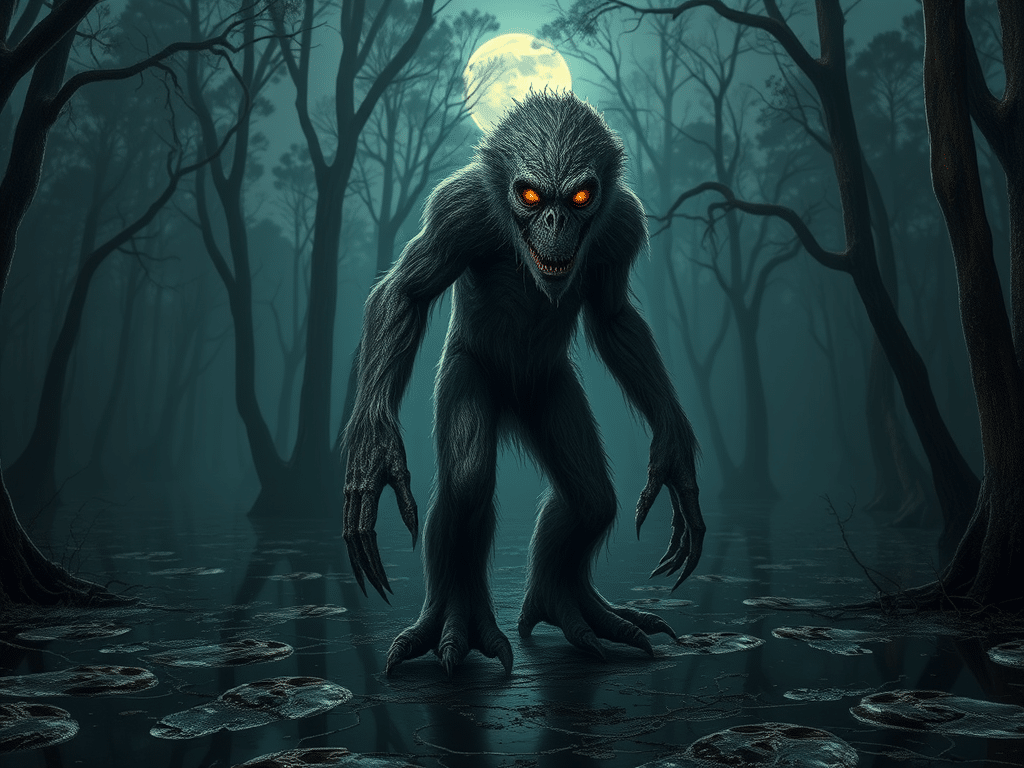
According to Native American legend, especially Navajo culture, yee naaldlooshii, or skinwalkers, are strong medicine men who have tainted their spiritual abilities for evil. People believe these creatures can transform into various animals, typically wolves, coyotes, or birds. Skinwalkers are among the most dreaded characters in Native American mythology because, according to traditional beliefs, they acquire their powers via horrible deeds and use them to destroy other people (Lenhardt, 2016).

Encounters in the Grand Canyon
Skinwalker encounters have become especially common in the Grand Canyon’s immense wilderness, with multiple claims dating back decades. The canyon’s isolated spots, enigmatic caverns, and uncharted territory make it the ideal backdrop for these kinds of stories. Both locals and visitors have observed strange animal behavior, inexplicable noises, and dark figures that blend into the surroundings. These reports frequently detail experiences in the park’s most remote areas, especially at night or in the twilight hours (De Aragon, 2022).
Over the years, several reports of purported skinwalker encounters have surfaced deep within the Grand Canyon, especially in its more isolated areas. People often recount the story of a group of hikers on the isolated Thunder River Trail in the late 1990s. They claimed to have seen a human-looking entity move with an unusual fluidity, climbing precipitous cliff walls at an unfathomable speed. Reports say their cameras broke down while taking pictures of the figure, and they were so afraid they had to leave.
Park guards have circulated unofficial reports of odd incidents, such as one from the North Rim in the early 2000s. One ranger reported seeing strange footprints that appeared to change from human footprints to a big dog’s footsteps in the middle of a stride. The trails led to the entrance of a cave, but once inside they disappeared entirely. The ranger saw that local wildlife was acting strangely in that area, with typically nocturnal creatures giving indications of distress and showing up during the day.
Despite its beauty and popularity, the Havasupai Falls area has produced a number of eerie stories. Several tourists have claimed to have seen what looked like a coyote moving on its hind legs. Witnesses describe the monster as having abnormally long limbs and the capacity to keep up with cars on the rim roads. These sightings usually take place at twilight.
Skinwalker lore is prevalent, and visitors to the Desert View Watchtower region have reported hearing their names spoken by recognizable voices when they are by themselves. In one 2015 report, a visitor claimed to have heard the voice of their departed grandma calling at dusk from behind the tower. Despite the soft dirt that should have shown human footprints, their research revealed only what looked to be the tracks of a huge bird (Ocker, 2022).
Backpackers have reported being trailed by something that imitated their sounds and motions in the canyon’s more remote sections, especially along the Tonto Platform. According to one in-depth report from 2018, two seasoned hikers gave up their multi-day journey after seeing that their prior campground setups were consistently identical at new sites, even if they were kilometers away from their original locations.
One particularly disturbing story came from the junction area of the Little Colorado River, where river guides described experiences with what seemed to be a fellow guide who would show up on ledges that were inaccessible. The actual guide would confirm being kilometers away when radioed. Unusual weather patterns and mysterious equipment failures frequently accompanied these encounters.
It’s crucial to remember, though, that many traditional Native American communities around the Grand Canyon are wary of these tales because they feel that disclosing specifics of skinwalker experiences may draw unwelcome attention from these beings. Many of the most powerful stories remain untold due to these cultural norms and limitations.
Although park officials insist that the majority of these occurrences have traditional explanations, certain contemporary reports mix in with the park’s reported disappearances and enigmatic incidents. Due to its size and remoteness, uncommon events in the Grand Canyon can seem more mysterious.
Evolution of Skinwalker Lore
The blending of traditional skinwalker lore with contemporary Grand Canyon visitors has produced a distinct subgroup of modern folklore. These tales continue to add to the complex tapestry of supernatural beliefs connected to this natural beauty, even if many of them can be ascribed to the canyon’s difficult environment, wildlife encounters, and people’s propensity to look for patterns in strange occurrences.
These stories demonstrate the ongoing impact of Native American spiritual beliefs on our comprehension of the Grand Canyon’s more enigmatic features, regardless of whether they are considered authentic encounters or contemporary folklore. By fusing aspects of both old beliefs and modern realities, the stories remind us of the canyon’s significance beyond its natural wonders.
Over time, skinwalker mythology has changed dramatically, keeping its essential components while adjusting to contemporary settings. What started out as an exclusively traditional Native American concept has evolved into a more widespread supernatural occurrence that captivates the public’s interest. Although many Native Americans are concerned about the commercialization and misappropriation of their holy beliefs, the narrative has spread beyond its original cultural bounds.
Secrecy
Native American traditions, particularly in Navajo culture, have long maintained the mystery surrounding skinwalkers, sometimes frowning upon open discussion and viewing it as potentially hazardous. According to traditional beliefs, simply mentioning skinwalkers could draw their attention; therefore, many tribe members steer clear of the topic completely, especially when interacting with outsiders. This cultural ban has made it extremely difficult to fully record and comprehend these ideas (Alford, 1992).
In Navajo tribes, only spiritual leaders and trusted family members usually communicate information about skinwalkers. The Navajo tribes strictly maintain the confidentiality of suspected skinwalkers’ names, rituals, and practices, viewing them as both dangerous and sacred. According to traditional teachings, skinwalkers frequently lead normal lives during the day, which makes their presence especially frightening in close-knit tribal groups.
Many Native Americans still adhere to this vow of silence today. People often address incidents involving alleged skinwalker activities in secret and whispered tones. Individuals who have deviated from tradition or non-Native sources, who may not fully understand the cultural relevance and sensitivity of the material they’re presenting, typically provide the few recorded narratives that do exist. The mystery and fascination surrounding skinwalker traditions have only grown stronger as a result of this shroud of secrecy, especially in places like the Grand Canyon where customary beliefs and contemporary curiosity collide.
The protective secrecy also covers certain areas linked to skinwalker activity. Tribal members often uphold the confidentiality of sacred sites, specific canyons, and physical features that could be associated with skinwalker experiences. Especially in the Grand Canyon area, tribal members regard many isolated spots as both potentially hazardous and spiritually meaningful. Protecting sacred places and avoiding unwanted attention from outsiders looking for otherworldly encounters are two reasons for reluctance to communicate this information (Martinez & Martinez, 2019).
This culture of secrecy creates an intriguing contradiction today: the less we know about skinwalkers, the more intrigue they inspire in popular culture. Despite innumerable books, television programs, and online forums purporting to provide true skinwalker information, the majority of tribal elders insist on keeping real knowledge safe within their groups. The connection between traditional knowledge holders and those attempting to comprehend or record these phenomena has become complicated as a result of this dynamic, adding to the enigma surrounding these mythical creatures.

Popular Culture
The skinwalker myth has gained popularity, especially in recent years, when a plethora of books, TV series, and internet content have explored these otherworldly creatures. Skinwalker stories in the Grand Canyon have grown to be a major component of paranormal tourism, attracting investigators and adventurers to the region. Social media and online discussion boards have further disseminated these tales, resulting in the emergence of fresh urban legends and contemporary interpretations of the traditional beliefs.
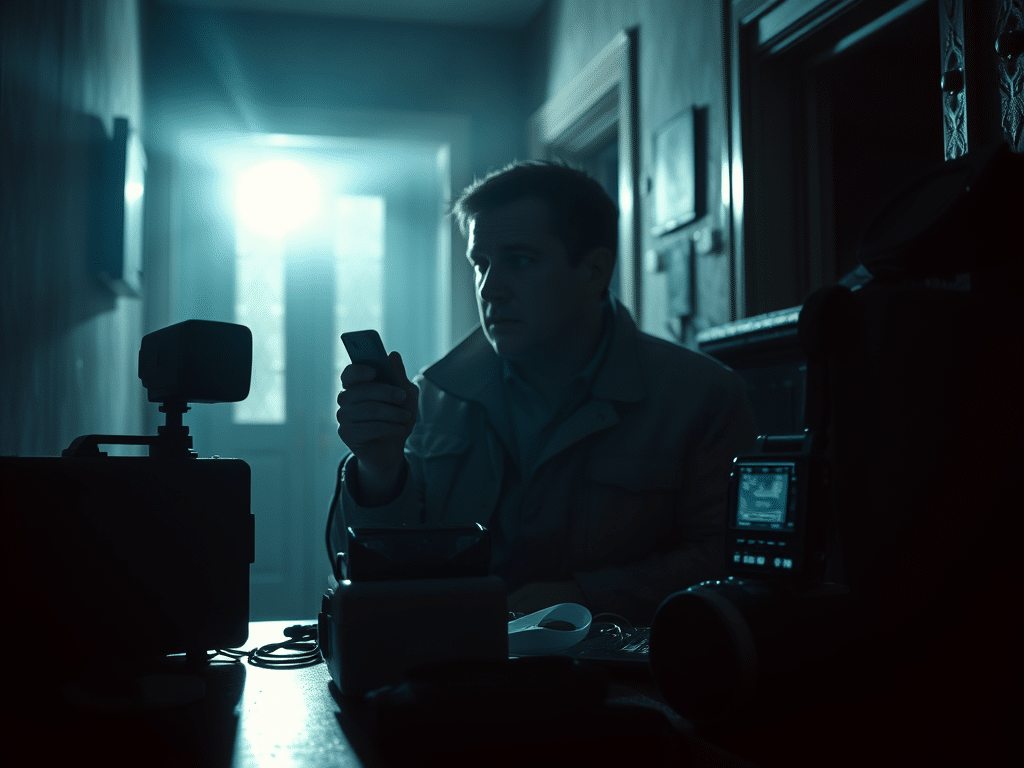
Skinwalker legends have seen substantial change in modern interpretations thanks to a variety of media outlets and modern storytelling platforms. Social media sites like Reddit and TikTok frequently share alleged skinwalker sightings, often incorporating dashcam evidence, night vision recordings, or first-person testimonies from hikers and tourists. These contemporary retellings usually combine current locations and technology with classical components.
Despite being geographically and culturally different from traditional Navajo skinwalker stories, the well-known Skinwalker Ranch in Utah has emerged as a central figure in contemporary skinwalker lore. This interpretation creates a hybrid mythology that appeals to contemporary audiences by fusing skinwalker traditions with paranormal activity, UFO sightings, and government conspiracies. The History Channel’s Secret of Skinwalker Ranch series best illustrates this modern version by blending traditional mythology with scientific research (Kelleher & Knapp, 2005).
Horror films and books have recreated Skinwalkers for contemporary audiences, frequently deviating greatly from conventional Native American portrayals. Films like Skinwalkers (2006), Dark Wind (1991), and other independent productions showcase modernized interpretations of the folklore. The inclusion of skinwalker-inspired creatures in video games like Until Dawn and Fallout: New Vegas further adapts the original mythos to modern entertainment genres.
Recent true crime podcasts and documentary series have begun to include skinwalker legends, particularly when discussing unexplained disappearances or enigmatic incidents in the American Southwest. These interpretations frequently place skinwalker behavior in the framework of actual investigations, bridging the gap between contemporary mystery-solving techniques and traditional mythology.
Creepypasta and online horror communities have produced Skinwalker mythologies that frequently highlight the creature’s shapeshifting ability and incorporate novel features like technological meddling, particular hunting habits, or contemporary metropolitan locations. These tales usually touch on current anxieties and fears, like identity theft, surveillance technology, and loneliness in the digital era.
Native American cultures, on the other hand, have criticized these contemporary adaptations, seeing them as cultural appropriation that trivializes and distorts holy beliefs. The commercialization of skinwalker myths through entertainment, tourism, and merchandising marks a dramatic shift from Native American culture’s traditional veneration and terror of these creatures.
Social media groups devoted to hiking and wilderness exploration have produced their own safety protocols and warning indicators for skinwalkers, resulting in a contemporary folklore that combines traditional supernatural beliefs with outdoor recreation culture. These frequently contain rules for avoiding skinwalkers, which combine contemporary camping and hiking techniques with traditional beliefs.
Some modern environmental and wildlife conservation movements have begun to interpret legends about skinwalkers as symbolic of the interaction between humans and nature, as well as the negative effects of ignoring natural areas. According to this ecological interpretation, ancient skinwalker warnings are prophetic messages about respect for wilderness places and environmental responsibility.
Skinwalkers have been a common addition to contemporary supernatural fiction by urban fantasy writers, who frequently pair them with vampires, werewolves, and other well-known supernatural creatures. These views usually portray skinwalkers as one species among many in a secret supernatural realm that coexists with contemporary human culture.
Skinwalker legends’ development in contemporary media shows how ancient folklore changes to accommodate new narrative techniques and societal issues. Even while these modern interpretations frequently depart greatly from their traditional roots, they preserve the essential components of change, peril, and the enigmatic interaction between people and nature that made the original legends so captivating.
Conclusion
The way that the Grand Canyon’s natural beauty and the timeless skinwalker mythology meet shows how landscapes are empowered to influence and perpetuate supernatural ideas for millennia. Even while the scientific world considers these legends to be folklore, they persist and enthrall new audiences, giving one of America’s most famous natural wonders an additional degree of mystery. These legends’ enduring popularity serves as a reminder that, despite living in a technologically advanced, modern society, people still have a strong yearning to understand the purpose and mystery of the natural world.
References
Alford, P. E. (1992). Anglo-American perceptions of Navajo skinwalker legends. Contemporary Legend, 2, 119-136.
De Aragon, R. J. (2022). New Mexico Native American Lore: Skinwalkers, Kachinas, Spirits and Dark Omens. Arcadia Publishing.
Kelleher, C. A., & Knapp, G. (2005). Hunt for the Skinwalker: Science confronts the unexplained at a remote ranch in Utah. Simon and Schuster.
Lenhardt, C. (2016). Wendigos, eye killers, skinwalkers: The myth of the American Indian vampire and American Indian “vampire” myths. Text Matters: A Journal of Literature, Theory and Culture, (6), 195-212.
Martinez, B. J., & Martinez, J. (2019). Ghosts of the Grand Canyon: Personal Encounters that Will Have You on the Edge. Llewellyn Worldwide.
Ocker, J. W. (2022). The United States of Cryptids: A Tour of American Myths and Monsters. Quirk Books.
Pearson, B. E. (2019). “These Dismal Abysses”: An Environmental History of Grand Canyon National Park. The Journal of Arizona History, 60(4), 395-436.
Leave a Reply