
The junction of death and desire has produced an intriguing subgroup of supernatural knowledge focused on amorous ghosts during human history. These creatures are connected to earthy passions and carnal wants yet they go beyond the physical limits of death. From old stories to contemporary urban legends, ethereal characters motivated by passion show up in many civilizations, reflecting our complicated relationship with death, sexuality, and the taboo. This essay looks at the idea of lustful ghost behavior in folklore from around the world. It looks at similar patterns, cultural differences, theoretical models for understanding these stories, and how these stories have changed over time.

Overview
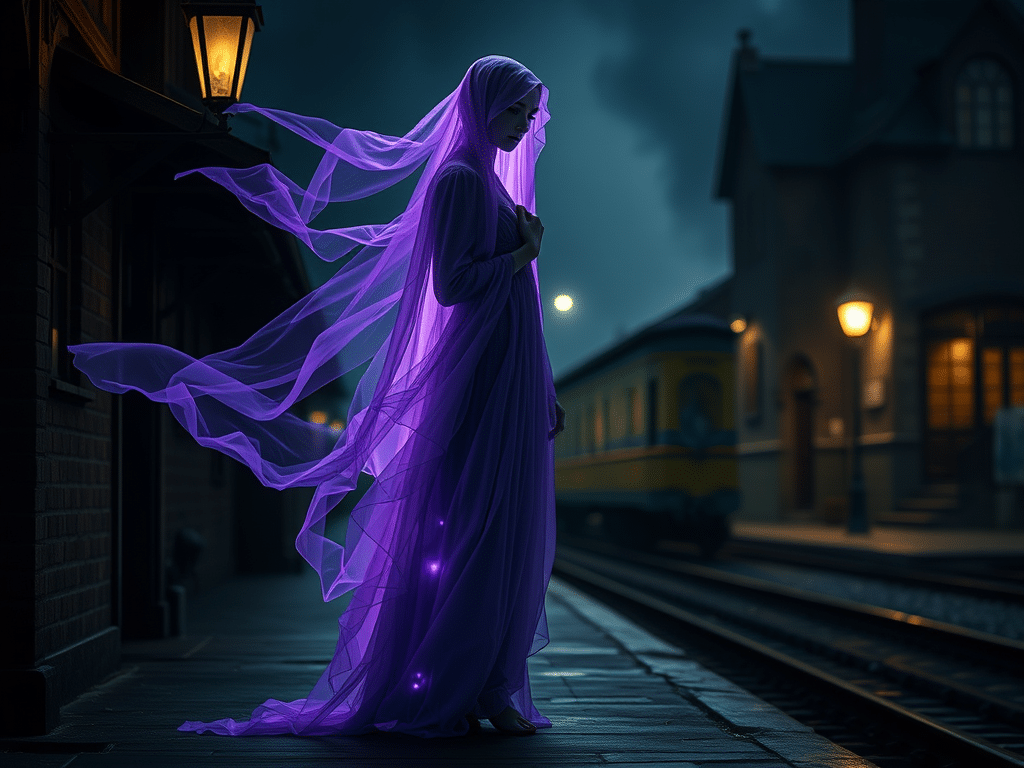
Broadly speaking, ghosts are the spiritual leftovers of dead people who, for different reasons, linger in the transitional realm between life and death. Though they may seem translucent, foggy, or partial, they usually show themselves as apparitions with aspects of their living appearance. Many folkloric stories link spirits to particular sites important to their life or death, bonded by unresolved business, emotional bonds, or terrible ends. Despite their incorporeal nature, their talents typically transcend physical constraints; they can pass through solid objects, appear and vanish at will, and in certain cases, affect the actual world. Despite the vast differences in their traits, motivations, and societal responses, these spectral beings are ubiquitous.
Though with unique local qualities, lustful ghost stories show amazing consistency across many cultural cultures. The seductive ubume and other female spirits known as yurei are said to have died after giving birth and are looking for male companions in Japanese mythology (Ikoma, 2006). Chinese folklore often depicts the hungry ghost, or nu gui, as an attractive feminine spirit who lures men to drain their life essence or qi. While Celtic traditions describe the leanan sídhe, fairy mistresses who grant artists inspiration in return for their life force and dedication, Western European folklore includes tales of incubi and succubi, evil spirits who engage in sexual activity with sleeping victims. The cross-cultural popularity of these stories points to their addressing of universal human concerns about mortality, desire, and the limits between them (Thomas, 2007).
Though they live far apart, the behavioral patterns of lustful ghosts frequently fit clear scripts throughout civilizations. These spirits prey on the living for sex, usually with good intentions but sometimes with disastrous consequences for their mortal companions. Often appearing during transitional moments like midnight or twilight, many amorous ghosts use seduction through outstanding beauty and appeal. Whether defined as life force, vitality, or soul essence, their interactions usually end with the passage of energy from the live to the dead. Alleged victims have reported physical consequences like tiredness, failing health, inexplicable bodily marks, and, in extreme folklore stories, death or lifelong psychic harm. For millennia, folklore researchers have been fascinated by the consistency of these trends across disparate societies (Galevski, 2007).

Theories
Psychological theories provide convincing models for explaining why lusty ghost stories survive. According to Freudian theory, these stories let people express sexual urges that are normally repressed by using what seem to be outside supernatural forces to keep social taboos in place. Jungian techniques find lustful ghosts as expressions of the shadow archetype or anima/animus figures rising from the collective unconscious. While evolutionary psychologists argue these stories enforce social limits surrounding sexuality, trauma theorists refer to them as cultural means of processing sexual assault or suppression. Modern neuroscience theories look at how hypnagogic hallucinations and sleep paralysis might support events considered spectral sexual encounters (Dimen, 2016).
Sociological theories locate passionate ghost stories inside certain cultural settings and power systems. In many patriarchal communities, lusty female ghosts acted as warning stories alerting against female sexuality or independence; therefore, they strengthened gender norms by condemning women who broke them in reality. Likewise, masculine spectral seducers like incubi were occasionally used to explain pregnancies resulting from illegal relationships or sexual assault, therefore offering a supernatural substitute for socially unacceptable answers. Misinterpretation sometimes saw indigenous spiritual traditions interpreted as abnormal or demonic by dominant religious leaders. These stories both represent basic human worries about sexuality and death and often mirror the particular anxieties, moral frameworks, and power relations of their original civilizations.
The growth of lusty ghost mythology reveals changing perspectives on sexuality, gender, and the supernatural over time. With religious leaders recommending certain safeguards and exorcisms, ancient and medieval narratives sometimes presented these interactions as absolutely genuine and physically deadly. The Enlightenment period was marked by a growing mistrust of supernatural explanations, along with lusty ghost sightings attributed to mental illness, sleep disorders, or intentional dishonesty. Using spectral meetings as metaphors for suppressed urges in an era of strict sexual standards, Victorian-period ghost stories regularly used sexual subtexts inside apparently appropriate plots. Popular culture’s modern portrayals of lustful ghosts sometimes go against common themes, either by showing them in a positive light or by using them to explore issues of consent, queer sexuality, or feminist reclaiming of demonized female figures.
Modern adaptations using internet technology and globalization have changed classic lusty ghost mythology. Urban legends involving supernatural sexual encounters increasingly travel over online forums and social media, reinterpreting old ideas for modern viewers. From Japanese films like Ringu to Western blockbusters like The Entity, horror movies all around have thoroughly investigated lusty ghost stories, sometimes mixing elements from several cultural traditions. Leveraging these stories, the pornography business has spawned a whole subgenre of ghostly sexual encounters. Paranormal reality TV regularly presents stories of sexual ghost experiences that appear authentic, maintaining the tradition’s claim to truth while adjusting it for entertainment value. These modern interpretations show the wonderful flexibility of lustful ghost mythology throughout evolving media environments and societal settings.
Physiological and psychological explanations for claimed meetings with sexual ghosts have grown ever more complex. Sleep experts find that many historical reports of spectral sexual assault most likely originate from sleep paralysis, in which people have hallucinations while momentarily unable to move. During some kinds of seizures or stimulation, neurologists note temporal lobe activity that can cause strong sensations of presence and even sexual arousal. Mental health experts understand that occasionally trauma survivors see their experiences through supernatural models when other explanations seem insufficient. Notwithstanding these scientific theories, personal stories of sexual encounters with spirits keep coming to light across civilizations, proving the ongoing influence of these stories independent of their empirical character (Chow, 2022).
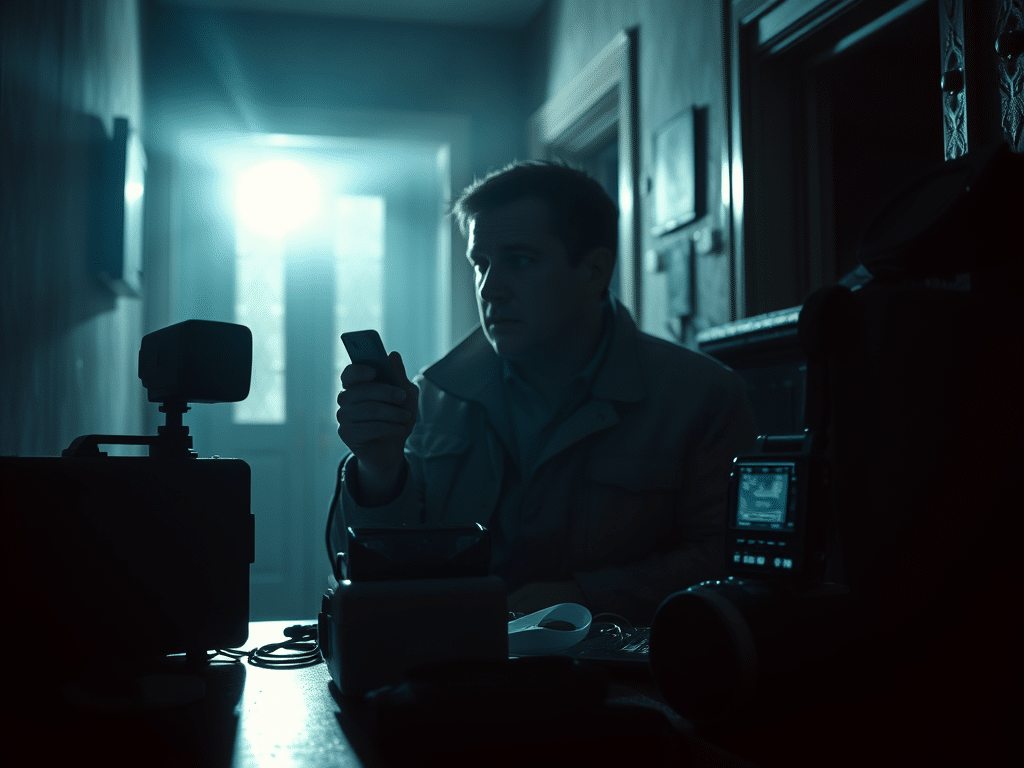
Modern spiritual and paranormal societies still see the lusty ghost myth developing. Now using sophisticated tools to record claimed sexual ghosts, ghost hunters and paranormal investigators occasionally detect particular energy patterns they correlate with lusty creatures. Online groups devoted to spectrophilia (sexual attraction to ghosts) exchange methods for developing rather than avoiding these meetings (Stollznow, 2022). These changes show how old folkloric themes can adapt to new technological and social settings while still having the same deep psychological meaning. They also show the latest part of how people are constantly negotiating desires that go beyond physical limits and cultural taboos.
Conclusion
Passionate ghost stories show a complicated junction of human fears about death, desire, taboo, and the unknown. These stories continue throughout quite various civilizations and historical eras since they address basic elements of the human experience while adjusting to particular social settings and changing views of sexuality and the supernatural. Though modern science provides convincing explanations for many reported encounters, the passionate ghost tradition keeps changing instead of vanishing and finds expression in digital media, popular entertainment, and modern spiritual activities. This persistence suggests that lustful ghosts fulfill important psychological and cultural needs, regardless of their ontological status. This lets communities explore the limits between life and death, acceptable and forbidden wants, and known and unknown experience worlds. As long as people struggle with death and desire, it seems inevitable that lust-driven spirits will linger in our shared imagination.
References
Chow, J. (2022). Succubus Matters. ABO: Interactive Journal for Women in the Arts, 1640-1830, 12(1), 1.
Dimen, M. (2016). Ghosts and the sexual boundary. Demons in the Consulting Room: Echoes of Genocide, Slavery and Extreme Trauma in Psychoanalytic Practice, 140.
Galevski, V. (2007). Sex with Ghosts. Блесок-литература и други уметности, (57).
Ikoma, N. (2006). Why do Japanese Ghosts have No Legs?–Sexualized Female Ghosts and the Fear of Sexuality. Dark Reflections, Monstrous Reflections: Essays on the Monster in Culture, 189-200.
Stollznow, K. (2022). Spectrophilia and Sexuality. In Investigating Pop Psychology (pp. 95-101). Routledge.
Thomas, J. B. (2007). Gender and Ghosts. Haunting Experiences: Ghosts in Contemporary Folklore, 81-110.
Leave a Reply