
Across human history, mythical beings that prey on mankind in different ways have haunted our shared imagination. Among the most persistent and frightening characters in folklore, mythology, and popular culture across civilizations are vampires and demons. Often classified differently in contemporary entertainment, these beings have unexpected links in their origins, qualities, and the dread they evoke. The mysterious character of Lilith, whose ancient history weaves through both demonic and vampiric lore, sits at the intersection of these supernatural customs. The interplay of vampires, demons, and Lilith exposes not only the development of supernatural ideas but also humanity’s persistent struggle to grasp and classify the darkness beyond our knowledge.

Overview
Vampires, as we know them today, are usually depicted as undead creatures that consume the life force of the living, most often by drinking blood. Rising from the grave at night, the typical vampire has magical powers like shape-shifting and hypnosis, as well as particular weaknesses that include sunlight, religious symbols, and wooden stakes. Their roots are in many different civilizations, especially in Eastern European mythology, where tales of the strigoi, moroi, and later, people like Vlad the Impaler helped shape the vampire mythos. Often described as people who had experienced unnatural death, perpetrated witchcraft, or broken religious norms, these nocturnal hunters became imprisoned between life and death as parasitic beings (Beresford, 2008).
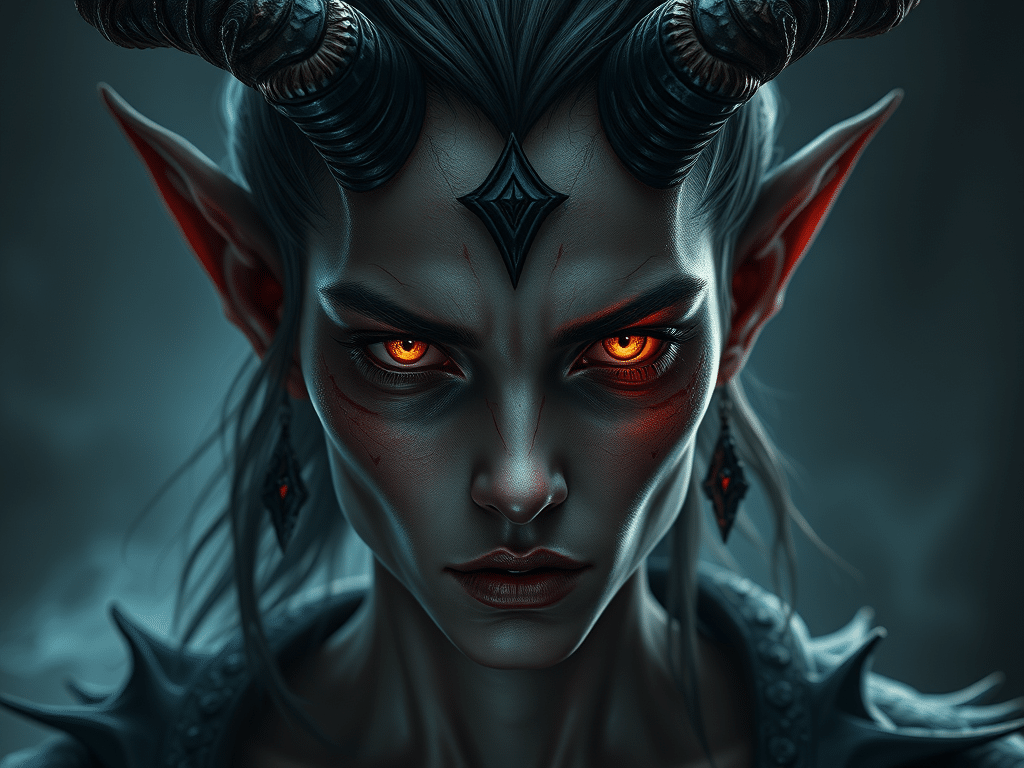
By comparison, demons have a far older and more extensive presence in human belief systems. These wicked spiritual entities, usually described as supernatural beings with harmful intentions toward mankind, appear in almost every religion and cultural legacy throughout recorded history. In Judeo-Christian beliefs, demons are fallen angels who defied God; in other faiths, they could be malevolent nature spirits, tainted gods, or cosmic chaos manifestations. Traditionally linked with possession, temptation, suffering, and spiritual degeneration, demons seek not just physical damage but also the damnation of human souls. Their powers generally include extraordinary strength, knowledge of hidden things, the capacity to control natural elements, and other sorts of spiritual influence on vulnerable people (Troeva, 2009).
From ancient Mesopotamian mythology, Lilith first appears as a female night demon; she then develops into a more complicated character in Jewish mystical tradition. Her first appearances in Sumerian writings depict her as a night demon or wind spirit endangering newborn babies and mothers in labor. Later Jewish mythology, especially via the medieval book Alphabet of Ben Sira, reinterpreted Lilith as Adam’s first wife, who ran away from the Garden of Eden and became a mother of demons, refusing to be obedient. People say this evil female figure preys on men at night, stealing their seed to produce demonic progeny and striking babies out of wrath. Her links to blood, seduction, and nighttime predation laid the groundwork that would eventually link to vampire legend (Hurwitz, 1999).
Particularly when one looks at pre-modern folklore, the link between vampires and demons runs further than many people think. Many early stories depicted vampires as a particular expression of demonic influence or possession rather than a distinct kind of supernatural entity. Often reflecting medieval Eastern European beliefs, vampires were either corpses resurrected by demons or humans who had made pacts with evil spirits, thereby attaining immortality and unholy desires. Often blurring the boundary between what we would today classify as vampires and demons, the Byzantine Greek word vrykolakas and related ideas in Slavic customs implied a dead person whose corpse turned into a receptacle for demonic forces.

Role of Lilith
Embodying traits of both supernatural categories, Lilith serves as a vital link between demonic and vampiric traditions. Recorded in several mystical writings, including the Zohar and rabbinic commentaries, her blood-drinking habits mirror vampiric hunger; her spiritual essence and demonic progeny clearly identify her within demonology. Medieval Jewish amulets meant to ward off Lilith featured comparable protective symbols later applied against vampires, including particular herbs, inscriptions, and ceremonial items. Lilith in the ancient Babylonian Talmud is shown as having wings and long hair, traits that would subsequently appear in accounts of both vampiric beings and succubi demons spread across many countries, implying her impact on both legacies.
Theological literature from the Middle Ages and Renaissance era sometimes classified vampire behavior as a kind of demonic manifestation; Lilith featured as an organizing factor behind these events. Religious leaders thought that demons, unable to directly affect the material world in their spiritual state, would occupy and animate corpses to frighten the living; Lilith was usually called commander of such spirits. Eastern Orthodox customs especially linked Lilith to the birth of vampires, implying that individuals who perished under her curse could come back as blood-drinking revenants. The vampire’s dislike of religious symbols and holy water precisely reflects demonic sensitivities, hence supporting this link to Lilith and her demonic court (Patai, 1964).
Analysis
With academic viewpoints spanning psychological to sociological readings, several hypotheses seek to clarify the interaction between these supernatural beings. Psychoanalytic theories propose that vampires, demons, and Lilith reflect externalized parts of human psychology—our anxieties about death, sexuality, and moral transgression given supernatural shape. From demon to vampire ancestor, feminist academics have observed Lilith’s development mirroring patriarchal concerns about female sexuality and independence across several historical eras. Cultural historians highlight how religious authorities have demonized pagan mother goddesses and fertility deities, hence turning them into terrible beings resembling Lilith, demons, and vampires (Von Stuckrad, 1999).
The link between Lilith and vampires grew stronger in the 19th century as vampire archetype literature evolved. Though never mentioned directly in Gothic literature, Lilith’s impact can be seen in the female vampires in Bram Stoker’s Dracula (1897), especially in their predatory sexuality and challenge to patriarchal rule. Earlier works like Sheridan Le Fanu’s Carmilla included female vampires whose seductive and maternal qualities mirrored those linked with Lilith. Academic study indicates that literary vampires reflected a Victorian recasting of the Lilith archetype, preserving her core traits but modifying her narrative to reflect modern concerns about female sexuality and authority in the fast-changing society.
Coinciding with literary romanticism and the emergence of gothic fiction, the 19th century saw the current division between vampires, demons, and Lilith. Bram Stoker’s Dracula and its forebears reinterpreted vampires as elegant, alluring aristocrats, moving away from the idea of rotting corpses inhabited by demonic spirits. This literary evolution eventually separated vampires from their clearly demonic beginnings, reinterpreting them as a separate supernatural species with their own mythology. Although esoteric traditions maintained her connection to both vampiric and demonic realms, Lilith began to appear in artistic and literary works as a symbol of female rebellion rather than as a literal supernatural entity.
With Lilith undergoing a stunning revival in popular culture, the 20th and 21st centuries have seen these otherworldly figures evolve even further. Modern vampire literature usually sees Lilith as the original vampire or vampire queen, clearly linking vampiric and demonic customs via her ancestry. From White Wolf’s Vampire: The Masquerade role-playing game to TV shows like True Blood and Supernatural, works as varied as these have reinterpreted Lilith as the mother of the vampire race, hence placing vampirism as her curse or gift on mankind. These contemporary readings, while developing new mythologies that place Lilith at a pivotal point, acknowledge the historical connections between vampires and demons.
With Lilith’s stance changing, religious views on these supernatural entities have varied greatly across time and religion. Early Kabbalistic writings saw Lilith as a physical demonic being and opposite to the divine feminine, thereby causing death and spiritual corruption in the universe. These customs depicted Lilith as sipping blood and devouring life force, clearly connecting her to vampiric qualities. Although Lilith maintained her symbolic significance in mystical traditions, religious institutions gradually reinterpreted many conventional supernatural stories as scientific knowledge advanced during the Enlightenment. Modern religious practices differ greatly; some conservative churches still believe in Lilith as a real demonic presence, while feminist theology has recovered her as a symbol of female empowerment and autonomy.
Particularly via protective amulets and burial customs, archaeological evidence offers intriguing details about past beliefs linking vampires, demons, and Lilith. Discovered in burial sites, ancient Babylonian bowls engraved with spells against Lilith point to her early link with the restless dead. Later amulets suggested a conceptual link in folk practice by combining protections against both Lilith and vampiric spirits. Excavations throughout Eastern Europe have uncovered vampire burials that contained amulets intended to repel Lilith, alongside more general anti-vampiric measures. These physical manifestations of old beliefs offer clear proof of the historical link between what we now classify as vampiric events, demonic forces, and the particular danger posed by Lilith.
With Lilith’s name showing in vocabulary connected to both vampires and demons, the language of supernatural beings exposes the linked past of these ideas even more. Etymologically, the Hebrew Lilith relates to layil, which means darkness, hence paralleling Slavic language words for vampires that likewise allude to nighttime activity. Her name in ancient Akkadian relates to lilitu, a category of demons sharing traits with subsequent vampire legends. Across Mediterranean civilizations, different versions of her name show up in words for child-stealing beings, night spirits, and blood-drinking monsters, hence building language links between what would later be deemed distinct supernatural categories.
Artists and authors in modern society keep investigating and reinterpreting the link between Lilith, demons, and vampires to produce fresh mythology recognizing their common past. Modern feminist reclamations of Lilith frequently emphasize her connection to both vampires and demons while transforming historically negative connotations into symbols of female empowerment, sexual freedom, and rebellion against patriarchal limits. Often depicted in urban fantasy novels as a complicated character at the intersection of several supernatural traditions, Lilith is neither completely demonic nor vampiric but rather reflects qualities of both while preserving her unique personality. This artistic reinterpretation allows for more complex investigations of their significance and reflects our society’s continuous obsession with these supernatural motifs.
Conclusion
Ultimately, the interplay between vampires, demons, and Lilith reflects a complex web of belief, terror, and cultural expression spanning thousands of years of human experience. What started as linked ideas in ancient mythology—where Lilith represented qualities of both demonic and vampiric legacies—slowly evolved via religious interpretation, literary growth, and changing cultural viewpoints. Even though today we categorize vampires, demons, and Lilith as different, they share similar traits, historical connections, and often appear together in modern stories, showing that they are still linked in how we think about supernatural power. The vampire-demon-Lilith nexus reminds us that our monsters evolve with our knowledge of the world but stay anchored in ancient efforts to grasp the darkness lying beyond rational explanation and the complicated power dynamics of human existence as we keep reimagining these figures for new generations.
References
Beresford, M. (2008). From demons to Dracula: The creation of the modern vampire myth. Reaktion Books.
Hurwitz, S. (1999). Lilith-the first eve: Historical and psychological aspects of the dark feminine. Daimon.
Le Fanu, J. S. (1872/2013). Carmilla. Hesperus Press. (Original work published 1872)
Patai, R. (1964). Lilith. The Journal of American Folklore, 77(306), 295-314.
Stoker, B. (1897/2011). Dracula. Penguin Classics. (Original work published 1897)
Troeva, E. (2009). Magical interaction with the other world. Dealing with demons. Acta Ethnographica Hungarica, 54(2), 397-409.
Von Stuckrad, K. (1999). Constructing Femininity: The Lilith Case. LAUD.


Leave a Reply