Six Key Points About Trolls in Norse Mythology
-
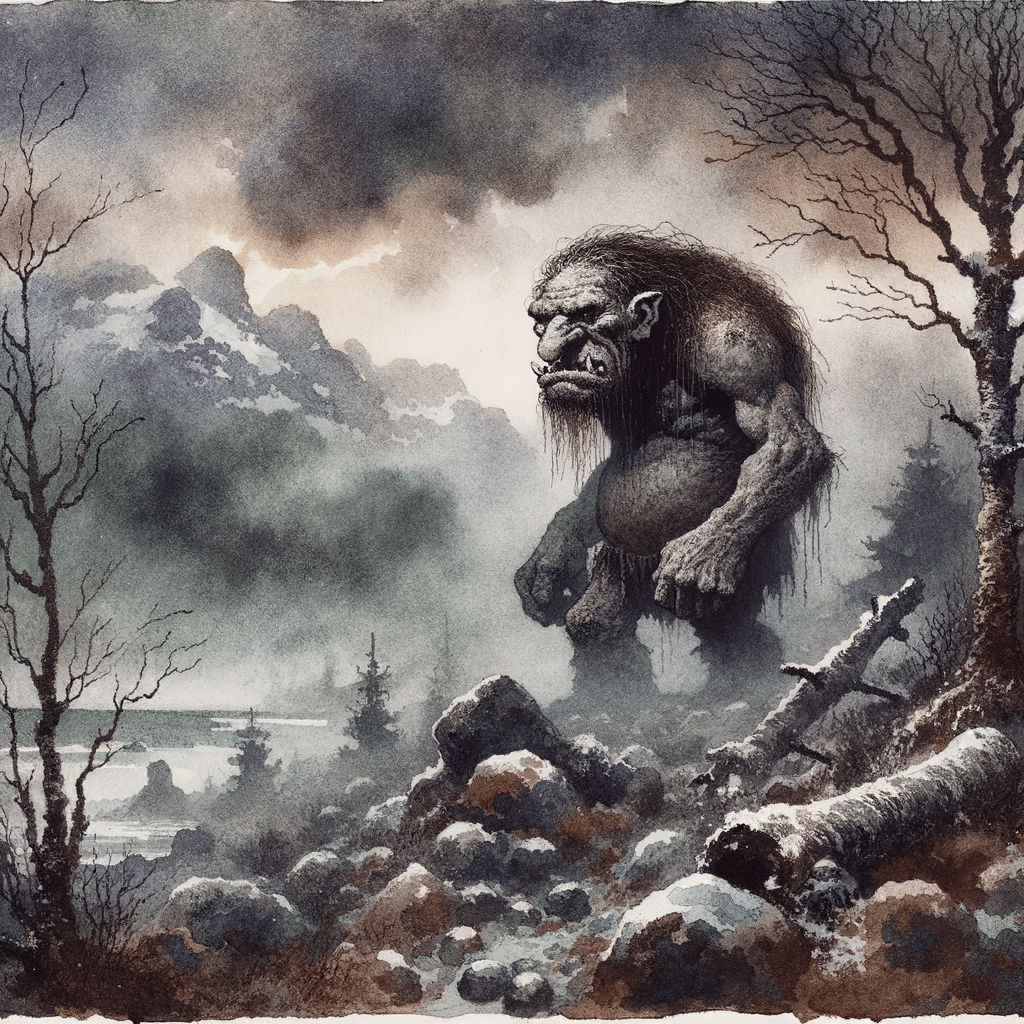
Trolls symbolized chaos and nature, manifesting as robust creatures that transformed into stone when exposed to sunlight.
-
Norse people were seafaring tribes whose harsh Scandinavian environment shaped their mythology.
-
Folklore examples like Three Billy Goats Gruff served as cautionary tales explaining natural phenomena.
-
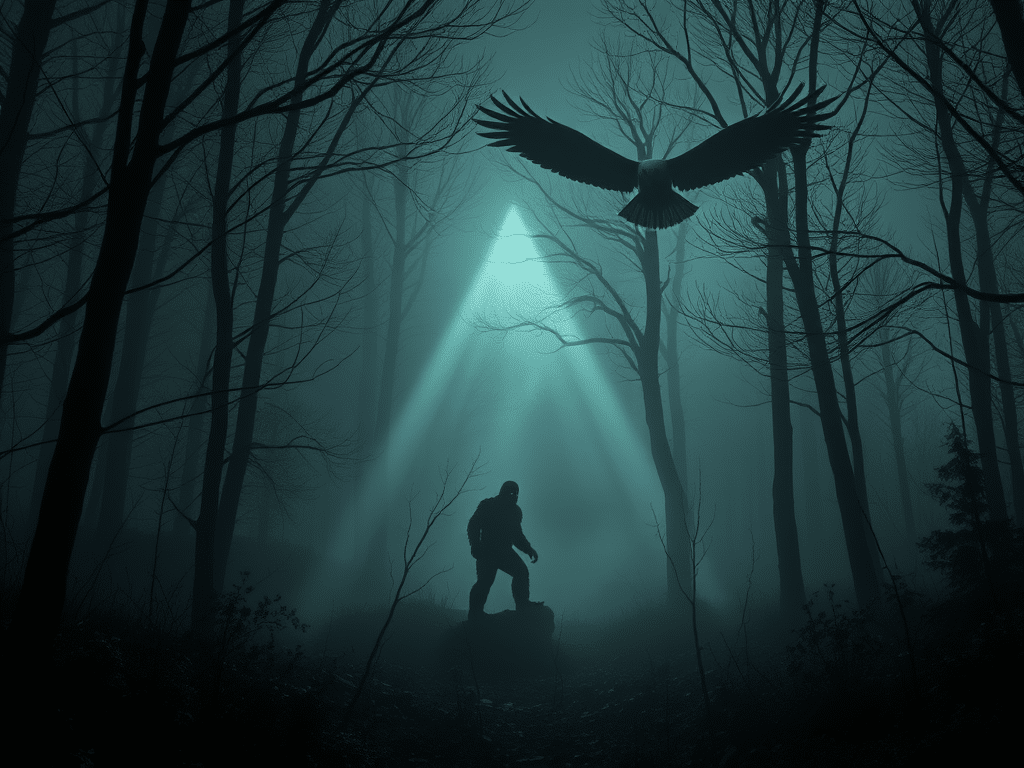
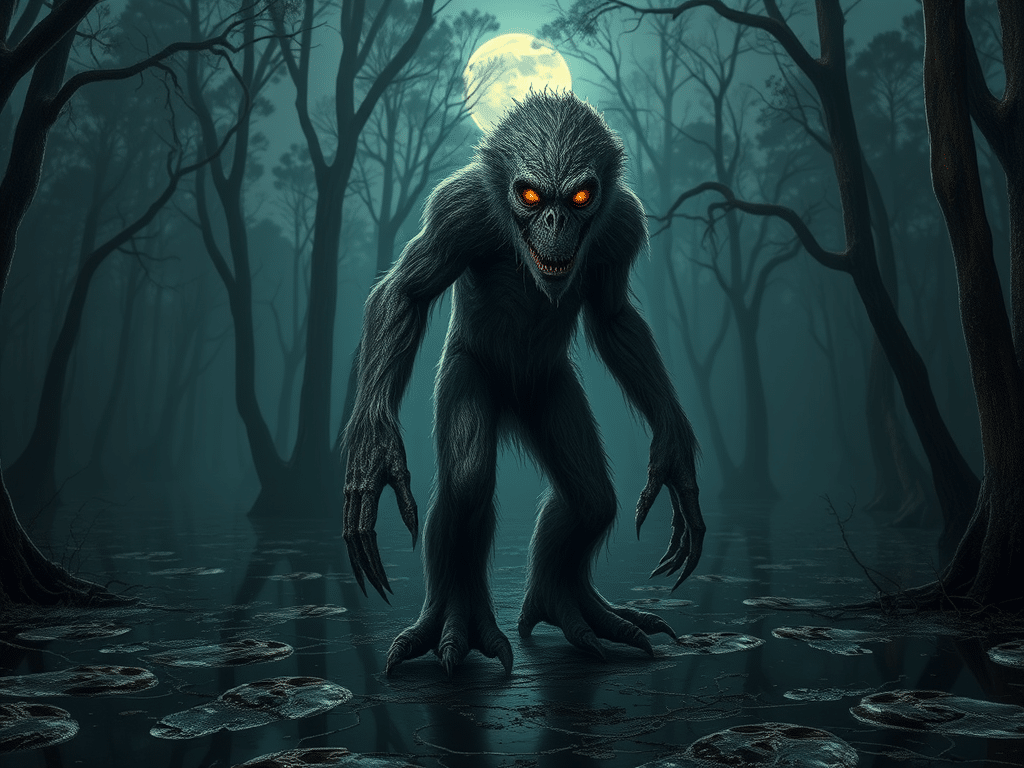
Some link troll legends to modern cryptids like Bigfoot, suggesting ancient encounters with unknown creatures.
-
Troll mythology influences modern culture from literature to tourism to internet terminology.
-
These tales reveal how humans process fears and establish boundaries between civilization and wilderness.

Introduction
The old forests and mountains of Scandinavia have long been home to strange creatures, the most famous of which is the troll. The Norse people used these beings in their oral traditions to explain natural events and warn lost visitors. In Norse mythology, trolls are special because they are forces of chaos and nature that were against both gods and mortals. Their long-lasting presence in folklore has lasted for hundreds of years, changing from ancient anxieties into well-known cultural emblems and even possible explanations for modern cryptid sightings around the world.
Overview
The Norse people who made up these stories were Germanic tribes that traveled by sea and settled in Scandinavia during the Viking Age (around 793–1066 AD). These tough and smart people made up many stories to explain their harsh surroundings. Skalds and storytellers passed on these stories from generation to generation. The Norse lived in a harsh country with stunning fjords, thick woods, and towering mountains. They formed strong bonds with the natural world. Their society placed high value on power, cunning, and reverence for the natural forces. This is shown in their complicated mythological systems, which included not only gods and heroes but also many more supernatural beings that lived in the forest outside of their villages.
Trolls are an important part of Norse mythology’s cosmological environment. Trolls represent the dangers that people believed existed in the forest and the wilderness beyond cultivated land. Trolls are usually shown as unfriendly supernatural entities, and they can be either giants or dwarves, which shows their dual nature in mythology (Herva & Lahelma, 2019). The Norse worldview, influenced by agrarian conditions, regarded the forest as a perilous realm frequently inhabited by these beings, in stark contrast to the permanence of human settlements such as farms (Herva & Lahelma, 2019). This episode shows how the troll’s home represents disorder and uncertainty in the mythological world.
Trolls came to represent the wild, uncontrolled forest. They were enormous, ugly animals with a lot of strength but not much intelligence. Early accounts say they could change shape and seem like people or like enormous monsters with many heads. They were always very strong, capable of healing themselves, but they were extremely vulnerable to sunshine, which would turn them to stone. Anyone used to think that trolls lived in caverns and mountains, where they kept riches and sometimes attacked anyone who wandered too far from civilization. Trolls were serious hazards to human life in Norse mythology. They resembled the elves who were benevolent or the tomtes who were mischievous yet not particularly threatening. They were like the real dangers that the woods offered to early Scandinavian societies.

Analysis
Trolls are a big part of Norse stories, as shown by many examples from folklore. In one well-known story, the god Thor meets the enormous Skrymir, who turns out to be a troll who uses illusions to make himself look even bigger than he already is. In the folk tale Three Billy Goats Gruff, which is being told today, a troll living under a bridge threatens to eat goats trying to cross, but the largest goat outsmarts him. The Trolls in Hedale, a Norwegian story, tells how trolls would take cows and kids from farms in the area until a smart farmer caught them with bells and sunshine. These legends were useful for more than just entertainment. They told kids not to go too deep into the woods, explained why people went missing, and gave causes for the bizarre rock formations that looked like petrified giants all around Scandinavia.
It’s fascinating that current paranormal researchers have linked old troll stories to sightings of cryptids like Bigfoot, Sasquatch, and the Yeti. Both groups discuss big, hairy, humanoid beings that live in isolated wilderness places and stay away from people. Some scholars propose that troll legends signify early interactions with relict hominid species that may have persisted throughout historical periods, potentially extending to contemporary times. Some individuals reference the psychological archetype of “the wild man,” prevalent in several cultures, as evidence of a shared human experience or memory. The change in trolls from evil giants to shy forest creatures in later folklore is similar to how current cryptids are considered less dangerous. These instances may show how our relationship with the wilderness has changed as civilization has grown and actual wilderness has shrunk.
Modern Impact
In today’s world, troll mythology has had an effect on cultures all around the world, not just in Scandinavia. These entities have been reinterpreted again and again, from the stone trolls in J.R.R. Tolkien’s The Hobbit to the colorful, loving creatures in modern children’s animation. They still have a strong link to nature. Tourism in Norway, Sweden, and Iceland often uses troll images to attract visitors. For example, “troll paths” and souvenir stores sell troll sculptures to delighted tourists. In a deeper sense, the word “trolls” has made its way into the digital language to describe those who annoy others online. This technique keeps the old idea of trolls as agents of chaos and disruption alive in a new setting. The flexibility of troll mythology illustrates the profound entrenchment of these entities in our collective consciousness, transcending their beginnings to maintain relevance in contemporary discourse.
More research indicates that trolls are also a link between Scandinavian mythology and the culture of those countries. For example, Theodor Kittelsen’s drawing of the skogtroll shows how this works by combining the beauty of the Norwegian countryside with its legend (Caselli, 2021). The illustration not only shows how dangerous trolls may be, but it also brings to mind the mystical aspects that Norse people believed nature had. Lindow articulates this concept by delineating the overarching legendary motifs associated with diverse deities, giants, and supernatural entities, inadvertently incorporating trolls as essential participants in these narratives (Lindow, 2002).
Contemporary literary adaptations of Norse mythology featuring troll characters, exemplified by Neil Gaiman’s oeuvre, illustrate the enduring impact of these entities on popular culture. Gaiman’s stories often mix old myths with new ones, looking at themes that still speak to modern readers while staying true to ancient stories (Oliveira, 2017). This mix of old and contemporary shows how trolls may stand for turmoil, terror, and the unknown in any culture. In addition, the social phenomena related to modern “trolling” on digital platforms present a compelling connection to legendary entities, as both exhibit characteristics of provocation and disruption (Tomaiuolo et al., 2020). The modern conception of trolls as online adversaries conjures themes of manipulation and disorder akin to their legendary equivalents.
Conclusion
The study of trolls in Norse mythology offers more than mere fun; it elucidates the ways in which human cultures confront phobias, rationalize natural events, and delineate the borders between civilization and wilderness. These old stories show how the Norse people were practical about staying alive in a challenging environment by employing supernatural frameworks to encode useful warnings and explanations. The lasting attraction of these stories points to a basic part of our psychology: our fear of and interest in the unknown. Trolls’ origins are unclear, but they are culturally significant. In these old stories about giants who could turn stones, we can see how our ancestors tried to make sense of a strange world. This human need to understand the world is still driving both storytelling and scientific research today.
References
Ashliman, D. L. (2013). Three Billy Goats Gruff. University of Pittsburgh.
Caselli, A. (2021). Skogtroll: brief analysis of theodor kittelsen’s illustration. Scandia Journal of Medieval Norse Studies, (4). https://doi.org/10.22478/ufpb.2595-9107.2021v1n4.60862
Herva, V. and Lahelma, A. (2019). Northern archaeology and cosmology. https://doi.org/10.4324/9780429433948
Kvideland, R., & Sehmsdorf, H. K. (1988). The Trolls in Hedale. In Scandinavian folk belief and legend (pp. 252-254). University of Minnesota Press.
Lindow, J. (2002). Norse mythology: a guide to the gods, heroes, rituals, and beliefs. https://doi.org/10.1093/oso/9780195153828.001.0001
Oliveira, L. V. (2017). Os mitos nórdicos segundo neil gaiman. Anuário De Literatura, 22(1), 192. https://doi.org/10.5007/2175-7917.2017v22n1p192
Sturluson, S. (2005). The prose Edda: Norse mythology (J. Young, Trans.). University of California Press. (Original work published c. 1220)
Tolkien, J. R. R. (1937). The Hobbit. George Allen & Unwin.
Tomaiuolo, M., Lombardo, G., Mordonini, M., Cagnoni, S., & Poggi, A. (2020). A survey on troll detection. Future Internet, 12(2), 31. https://doi.org/10.3390/fi12020031

Leave a Reply