Echoes of Rome’s Lost Legions: Six Key Points
-
Germanic tribes ambushed three Roman legions in Teutoburg Forest in 9 AD, thereby ending Rome’s expansion into Germania.
-
Locals report paranormal phenomena, including phantom battles, ghostly marching legionaries, and encounters with confused Roman soldiers.
-
Modern sightings include reports from WWII soldiers, hikers meeting vanishing figures in Roman dress, and inexplicable cold spots.
-
These ghosts evolved in folklore from enemies to complex symbols serving as invasion warnings, forest guardians, and figures deserving compassion.
-
Explanations range from psychological suggestion to cultural identity reinforcement to “residual hauntings” from traumatic past events.
-
The legends have influenced German art, tourism, and national identity, showing how historical trauma can persist in collective memory for millennia.

Introduction
The old forests of Germania have long told stories from the past, but maybe none are as scary as the ones from Teutoburg Forest. In 9 AD, three Roman legions disappeared into history in what is now known as one of Rome’s worst military disasters. The incident happened in the thick woods and foggy clearings. This terrible loss not only changed the course of the Roman Empire, but it also led to hundreds of years of stories about restless spirits—legionaries who were doomed to march through the dark woods forever. The stories of these Roman legion ghosts have become a big part of local culture, making a tapestry of ghost stories that still interest historians and paranormal fans.
The Battle of Teutoburg Forest
Julius Caesar’s campaigns were the first steps toward Rome’s goals in Germania, but it was Emperor Augustus who wanted to make the lands beyond the Rhine a real Roman province. For many years, Roman legions pushed eastward, building forts and settlements as they tried to bring Germanic tribes under imperial rule. By 7 AD, the area seemed mostly calm under the rule of Publius Quinctilius Varus, a nobleman who was used to running civilized provinces rather than frontier areas. The Romans thought they were making progress in changing these “barbarian” lands by bringing in taxes, laws, and other things that were part of Roman civilization. However, the locals concealed a great deal of anger behind a façade of compliance.
The disaster that struck Rome in September of 9 AD completely upended the empire’s plans for expansion. Arminius, a Germanic chief who had become a Roman citizen and trained as a soldier, secretly brought together several tribes to fight against their occupiers. Arminius set a trap for Varus when he led the Seventeenth, Eighteenth, and Nineteenth legions—about 20,000 men, including camp followers and auxiliary troops—through Teutoburg Forest. The attack on the column occurred in an unfamiliar area, along narrow forest paths where Roman military discipline and tactics proved ineffective (Murdoch, 2008).
For three terrible days, Germanic warriors picked apart the Roman forces. Finally, Varus killed himself with a sword, and his remaining officers did the same. The geographical and archaeological considerations, particularly the challenging terrain of the Teutoburg Forest, played a crucial role in facilitating the Germanic ambush and subsequent victory over Roman forces (Wells, 2012; Hoyos, 2011).
The killing was total and without mercy. Archaeological digs at Kalkriese have found proof of how brutal the battle was: Germanic weapons split skulls, bones with cut marks, and Roman gear strewn across what became a killing field. People say that Emperor Augustus was so upset by the news that he walked around his palace crying, “Quinctilius Varus, give me back my legions!” Rome never fully got over this psychological blow and gave up on serious attempts to conquer Germania beyond the Rhine. The forest had become a grave for Roman imperial dreams and, according to local legends, for thousands of restless souls.

Battle of the Teutoburg Forest, Germanic warriors storm the field, Varusschlacht, 1909
Ghosts in the Forest
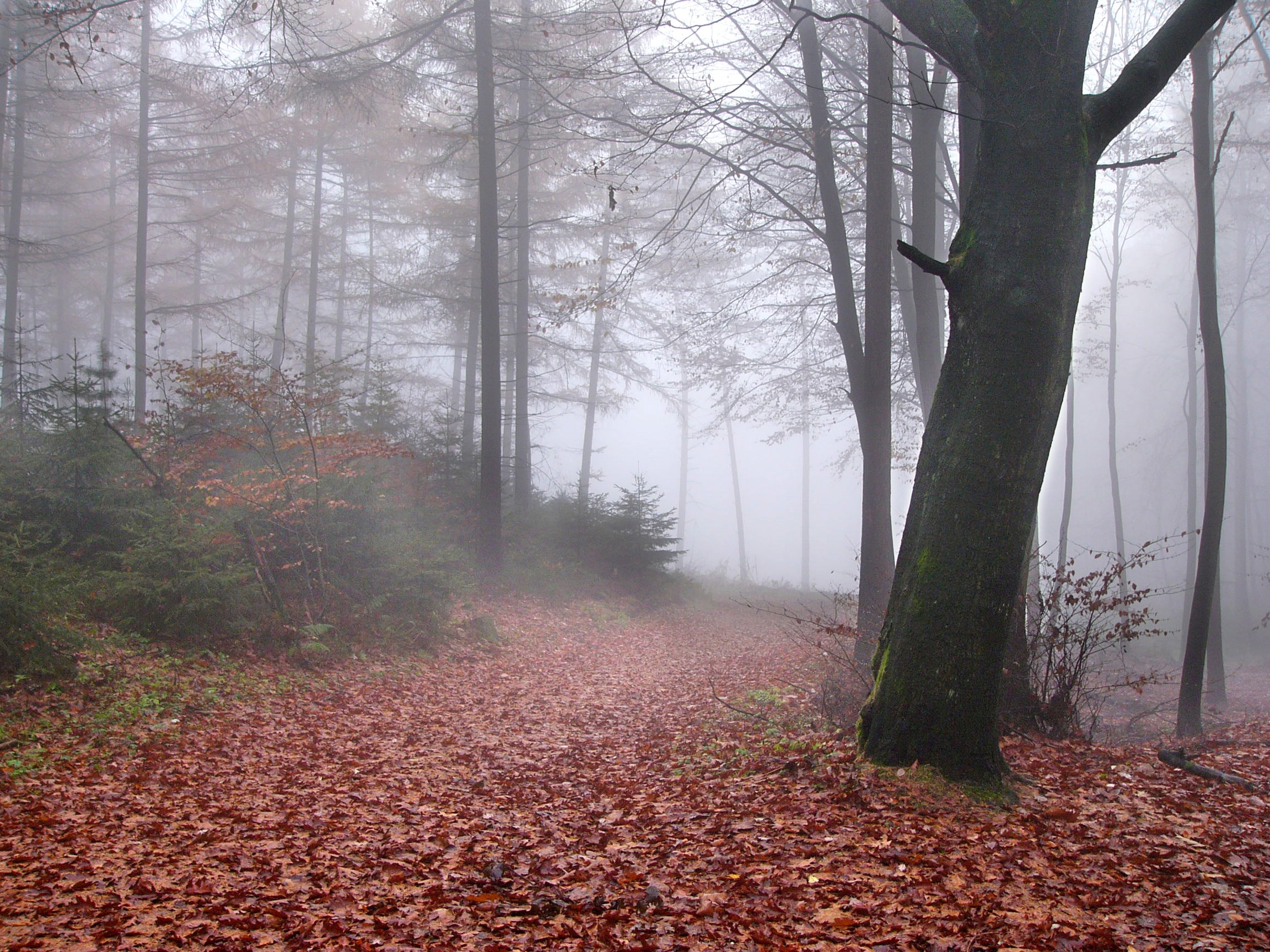
Stories of strange happenings in Teutoburg Forest have persisted over the years since the battle. People who lived nearby said they could hear ghostly battle sounds, like swords clashing and men screaming as they died, and centurions giving orders that echoed through the trees on foggy nights, especially around the anniversary of the battle. Some stories say that ghostly Roman soldiers march in formation along old paths. You can only glimpse them from the periphery of your vision, and they vanish from direct view. People have claimed to see ghostly campfires glowing between the trees, but there was no sign of burning in the morning. People who say they saw tired, bloody Roman soldiers asking for directions to safety and then disappearing when the witnesses turned away for a moment are especially interesting (Peer, 2024).
New ghost sightings keep adding to the forest’s creepy reputation. German soldiers stationed near the forest during World War II said they saw “ancient warriors” at night who seemed confused by modern weapons before disappearing. A family who was camping in the woods in the 1970s said that their kids played with a boy in “strange leather clothing” who spoke a language they didn’t understand before disappearing into the trees. In the 1990s, a number of hikers said they followed what they thought was a tour group dressed up like Romans, but when they got to a clearing, the group was gone, and there were no footprints in the soft ground. People who work in the woods say that there are cold spots that can’t be explained, even on summer days, and that they feel like they are being watched by unseen eyes from the thick underbrush.
In regional folklore, the Roman ghosts have changed from simple haunting figures to intricate symbols that are woven into stories and myths. Germanic stories often show them as warnings against invasion and foreign arrogance, always being punished for their imperial overreach. Some local stories say that the ghosts are guardians of the forest who keep sacred sites from being destroyed. In some cultures, they are signs of war, and there are reports of more sightings before both World Wars. The compassionate folk traditions that developed in some villages are especially fascinating. On certain nights, people would leave bread and wine at the edge of the forest to help lost souls find peace. This is a striking example of how enemies from long ago became people who deserved pity and help.
Analysis
Different ideas try to explain why these ghost stories have lasted through the years. Skeptics say that knowing such an important battle took place in these woods can affect people’s minds and make them think that natural events, like the sound of the wind, the movement of animals, and the light filtering through trees, are supernatural. Anthropologists say that the legends play important cultural roles, helping to strengthen the idea of Germans as people who fought back against ancient Rome. Parapsychologists say that extreme trauma and violent death could leave energy behind in a place, which they call “residual hauntings.” These are like supernatural recordings of moments in history playing back. Some people think that the stories are based on real-life encounters with surviving Roman soldiers who hid in the woods for years after the battle and came out every now and then to ask for help.
The ghostly legions of Teutoburg have had an effect on art, literature, tourism, and even national identity that goes far beyond local superstition. In the 19th century, German Romantic painters painted ghostly Roman soldiers among the foggy trees. Writers also used the stories in nationalistic literature. The battle site at Kalkriese gets thousands of visitors every year, and many of them hope to have their own paranormal experience. Ghost tours happen in the fall, when fog often covers the forest in a way that fits the mood. Some modern Germans see these stories as a way to connect with a defining moment in their family’s history: when they successfully fought against an ancient superpower (Hasenfratz, 2011). Ghost stories guided some early digs, sometimes yielding better results than anticipated.
Conclusion
The ghosts of Teutoburg Forest are more than just campfire stories or tourist attractions; they show how history, memory, and cultural identity are all connected. These phantoms show us how terrible events in history can stay in people’s minds for thousands of years, changing but never really going away. The ghosts of the Roman legion in Teutoburg Forest remind us that the past is never completely dead, whether you believe in supernatural events or think of these stories as strong metaphors. History is like shadows among the old trees; it keeps moving through our present, changing how we see ourselves and our place in the long story of humanity that connects us all to those who came before us, even to soldiers who marched into the misty German woods almost two thousand years ago and never came back.
References
Hasenfratz, H. P. (2011). Barbarian Rites: The Spiritual World of the Vikings and the Germanic Tribes. Simon and Schuster.
Hoyos, D. (2011). Teutoburg forest, battle of (9ce). The Encyclopedia of War. https://doi.org/10.1002/9781444338232.wbeow624
Murdoch, A. (2008). Rome’s Greatest Defeat: Massacre in the Teutoburg Forest. The History Press.
Peer, S. (2024, September 1). Germany’s spookiest hidden haunts. TouristSecrets. https://www.touristsecrets.com/destinations/europe/germanys-spookiest-hidden-haunts/
Wells, P. S. (2012). Teutoburgiensis saltus (kalkriese). The Encyclopedia of Ancient History. https://doi.org/10.1002/9781444338386.wbeah16148




Leave a Reply