Sumerian Undead: Key Points
-
The Sumerians believed the dead continued to exist as gidim, ghostly spirits who could return if neglected, emphasizing the importance of ritual and memory.
-
Their afterlife, Kur, was a bleak realm where all souls resided, and restless undead emerged when funerary duties were ignored or justice was left unresolved.
-
Types of undead included sorrowful ancestors seeking offerings and malevolent spirits or revenants born from violent or dishonorable deaths.
-
Folklore surrounding the undead focused on family responsibility, with rituals and exorcisms used to appease or dismiss troubled spirits.
-
Unlike later Western undead like vampires or zombies, Sumerian undead were psychological beings rooted in emotional imbalance and forgotten duty, not physical horror.
-
These beliefs deeply influenced Mesopotamian literature and underscored a cultural fear of being forgotten, portraying the undead as symbols of unresolved grief and remembrance.

Introduction
The Sumerians’ ideas about the undead were linked to their ideas about life in general. They believed that humans lived in a well-ordered universe ruled by gods, fate, and family obligations. In this world, the dead were still there and couldn’t be ignored or buried without care. The ancient Sumerians were always aware that the line between the living and the dead was thin, and if certain customs were not followed, that line could break. The undead did not arise from sensational horror but from individual and collective neglect. Their stories showed that morals don’t change, and their presence showed what happens when you forget. These stories weren’t just meant to scare people; they made people contemplate loyalty, duty, and the fear of being left behind after death.
Overview
To fully understand the Sumerian undead, you need to first contemplate how they thought about death, which was not hopeful or redemptive. When someone died, they didn’t go to heaven or hell; instead, they went to the gray, joyless land of Kur. Ereshkigal ruled over this realm, which offered no reward, only a dusty permanence. Souls there turned into gidim, ghost-like beings that still had some of their human traits. They remembered being hungry, wanting something, and old ties. The only thing that helped them was gifts from their descendants. Giving bread, water, and simple prayers became acts of kindness that showed the dead that they were still alive and could feel forgotten. It was through this weak bond that the undead might come to be—when needs weren’t met or memories faded. The fear of these lingering spirits underscores cultural motifs of memory, justice, and the imperative for appropriate rituals, although the sources do not explicitly connect these concepts to the conventional understanding of the undead (Galter, 2015; Feng, 2024).
The gidim, the most well-known type of undead in Sumerian belief, could be anything from sad wanderers to frustrated intruders. Some were ancestors who came to visit in dreams and asked for help. Others were punishing forces that caused fever or bad luck to people who didn’t pay attention to the dead. Their power was quiet but terrible; it came from upsetting people’s emotions and spirits instead of hurting them physically. There were also darker stories about undead people who had not been buried or had been killed in a violent way and then came back in a form that was more like a corporeal revenant. People didn’t often go into detail about these figures, but their presence suggested a broken order. They represented painful deaths, injustice, or crimes that were never punished. If someone died without a ceremony or respect, their spirit might not fully go to Kur but instead float dangerously close to the living world (Nugent, Berdine & Nugent, 2018).
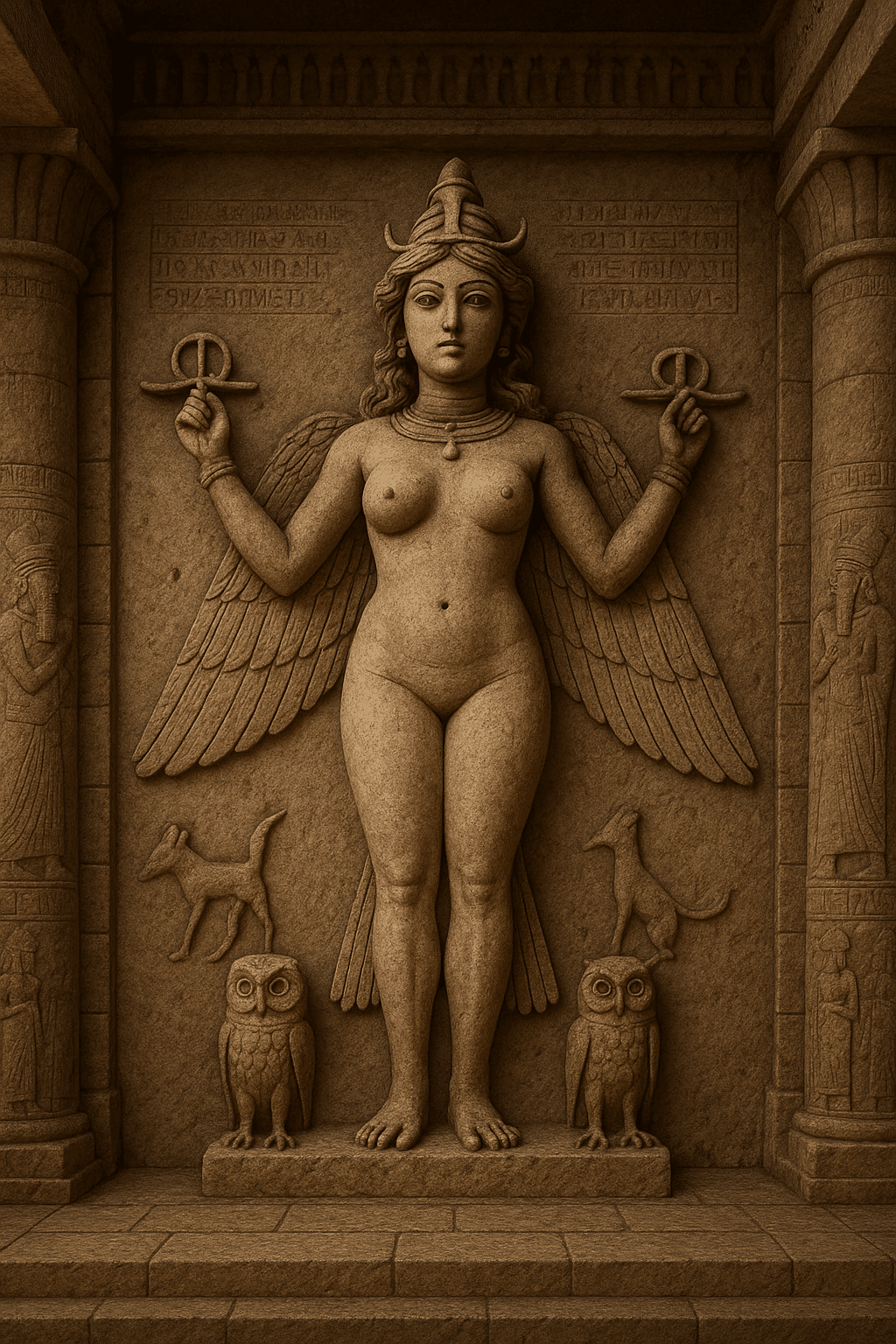
In Sumerian mythology, the idea of “undead” mostly comes from stories about the netherworld and gods who are linked to life, death, and resurrection. Lilith is a key figure in this mythology. She is mostly known from later Jewish folklore, but she is also sometimes linked to the themes of seduction and the supernatural that are common in Sumerian mythology. However, her direct association as a forerunner to vampire myths is more contentious. Lilith embodies a complex understanding of feminine power and the existential anxieties surrounding mortality and immortality within mythological frameworks. Her depiction as a character associated with darkness may signify broader cultural apprehensions regarding femininity, mortality, and the supernatural (The Universal Vampire, 2013).
Folklore gave many hints that they were there. A door that creaks, a sudden illness, or nightmares that won’t stop could all be signs that a gidim is close by. Exorcists did complicated rituals and chanted spells to send spirits back to their world or calm their anger. Sacred statues, water offerings, and ritual fires all helped keep the way between worlds closed. But these actions weren’t just magical; they were very relational. People considered the undead to be wronged people, not monsters. It would be pointless to try to eliminate rid of them without acknowledging them; they needed to be recognized. The emotional weight of these stories comes from sadness, not fear. The living could hurt others by forgetting, and the dead could cry out through haunting.

Analysis
Comparing the Sumerian undead to those from other mythologies shows how different cultures see the same fear in different ways. In later traditions, like medieval European folklore, undead creatures like vampires and zombies became real threats that wanted blood or flesh. The Egyptian mummy stressed the resurrection of the body and the judgment of God, while Sumerian ghosts stressed memory and giving back. The gidim and the Greek and Roman spirits from Hades had some things in common, but they didn’t have the same sense of family duty. Even though Japanese yūrei were bound by emotion, they still had unique images of veils and long hair. The Sumerian undead are quieter and less visually dramatic, but they are more psychologically painful because they are based on the fear of being left alone. They didn’t haunt buildings; they haunted people’s minds.
These beliefs stayed strong and had an effect on Mesopotamian literature, where death often makes people contemplate themselves instead of being scared. Sorrow and an intense rejection of death fuel the hero’s journey in the Epic of Gilgamesh. Enkidu’s death transforms into a spiritual injury, implying not his potential return as a monster, but the agony of losing him. Later spells and laments echoed these worries, revealing the undead as symbols of unresolved feelings. Seeing them again in dreams or curses showed that they still felt guilty, hadn’t said goodbye, or missed their ancestors. The Sumerians used them to learn what it means to grieve wrong and what happens when you do (Curran, 2009).
Literature about people like Gilgamesh also talks about death and the search for immortality. Gilgamesh’s journey can be seen as both a literal and metaphorical look at death, as well as an examination of what it means to be human when faced with it while wanting to leave a lasting legacy and be remembered. The tale relates to the idea of death as a symbol of unresolved human conflicts with mortality and legacy, but this link to the undead is less direct (Feng, 2024). His understanding of the transitory essence of life drives his metamorphosis through camaraderie and bereavement, indicating a nuanced connection between the living and the departed.
These beliefs had a lasting effect on culture even after the Sumerian civilization fell apart. Babylonian and Assyrian traditions adopted and adapted the gidim, incorporating them into more complex demonologies and magical rites. Throughout the Near East, the belief that the forgotten dead could harm the living persisted in various forms. The Sumerian fear still lives on in modern ghost stories. People still believe that spirits come back because they have unfinished business, were buried wrong, or were betrayed. Their undead were never soulless monsters; they were people who were sad and still wanted to be seen.
Conclusion
In the end, the undead in Sumerian mythology are deep expressions of how weak people are. They don’t want fear; they want to be remembered. The Sumerians showed that the dead could come back by ignoring them, which was one of the greatest fears of people: that love and legacy would fade. Their stories remind us that the past doesn’t just go away and that duties live on after the body dies. Instead of enjoying fear, these myths ask people to feel sorry for the dead and keep caring for them. The dead were always there in ancient Sumer, and they whispered a truth that is still true today: to forget someone is a kind of death that is worse than the grave.
References
(2013). The universal vampire.. https://doi.org/10.5771/9781611475814
Curran, B. (2009). Encyclopedia of the undead: a field guide to creatures that cannot rest in peace. ReadHowYouWant. com.
Feng, Y. (2024). Exploring the eternal spirit in the multiple identities of gilgamesh. Communications in Humanities Research, 33(1), 171-175. https://doi.org/10.54254/2753-7064/33/20240084
Galter, H. D. (2015). The mesopotamian god enki/ea. Religion Compass, 9(3), 66-76. https://doi.org/10.1111/rec3.12146
Nugent, C., Berdine, G., & Nugent, K. (2018, April). The undead in culture and science. In Baylor University Medical Center Proceedings (Vol. 31, No. 2, pp. 244-249). Taylor & Francis.


Leave a Reply