Wawel Dragon: Key Points
-
The Wawel Dragon is one of Poland’s most famous legends about a fire-breathing beast that terrorized ancient Kraków from beneath Wawel Hill.
-
The most popular version tells of a clever apprentice who defeated the dragon with a sulfur-stuffed lamb, though numerous other variations exist.
-
The dragon is typically described as a massive serpentine creature with iron scales, wings, sharp claws, and devastating fire-breathing abilities.
-
Scholars theorize the legend may originate from prehistoric bone discoveries, symbolize religious transformation, or represent historical events and natural disasters.
-
The legend profoundly shaped Kraków’s identity, with the dragon’s cave as a major attraction and the creature serving as the city’s unofficial mascot.
-
The tale endures because it embodies universal themes of courage and ingenuity, and it continues to promote Polish culture through storytelling and celebrations.

Introduction
The Wawel Dragon is one of Poland’s most famous and beloved legends. It has fascinated people for generations and is now a big part of Kraków’s culture. People say that this mythical creature used to scare people in the ancient city from its lair under Wawel Hill, which is where Poland’s royal castle is now. People in Poland have been telling the story for hundreds of years and continue to do so today. The story embodies elements of heroism, cunning, and the triumph of intelligence over brute force. This myth connects the past and the present. Many aspects of city life, including architecture, tourism, and cultural expressions, reflect its symbolic meaning. It is a well-known symbol of the city’s identity (Pietrzak & Angiel, 2018).
The Wawel Dragon
The most well-known version of the story says that the dragon appeared during the reign of King Krakus, the city’s legendary founder, and lived in a limestone cave at the foot of Wawel Hill. The terrified citizens had to provide the beast regular tributes of livestock, but when these weren’t enough, it started to eat people, especially young maidens, who were sacrificed to satisfy its hunger. The kingdom was scared because the dragon’s hunger was never satisfied, and many knights and warriors who tried to kill it died in flames. King Krakus, who was desperate to save his people and his kingdom, finally announced that whoever could kill the dragon would receive great rewards, such as the hand of his daughter in marriage and maybe even the throne (Sucharski, 2020).
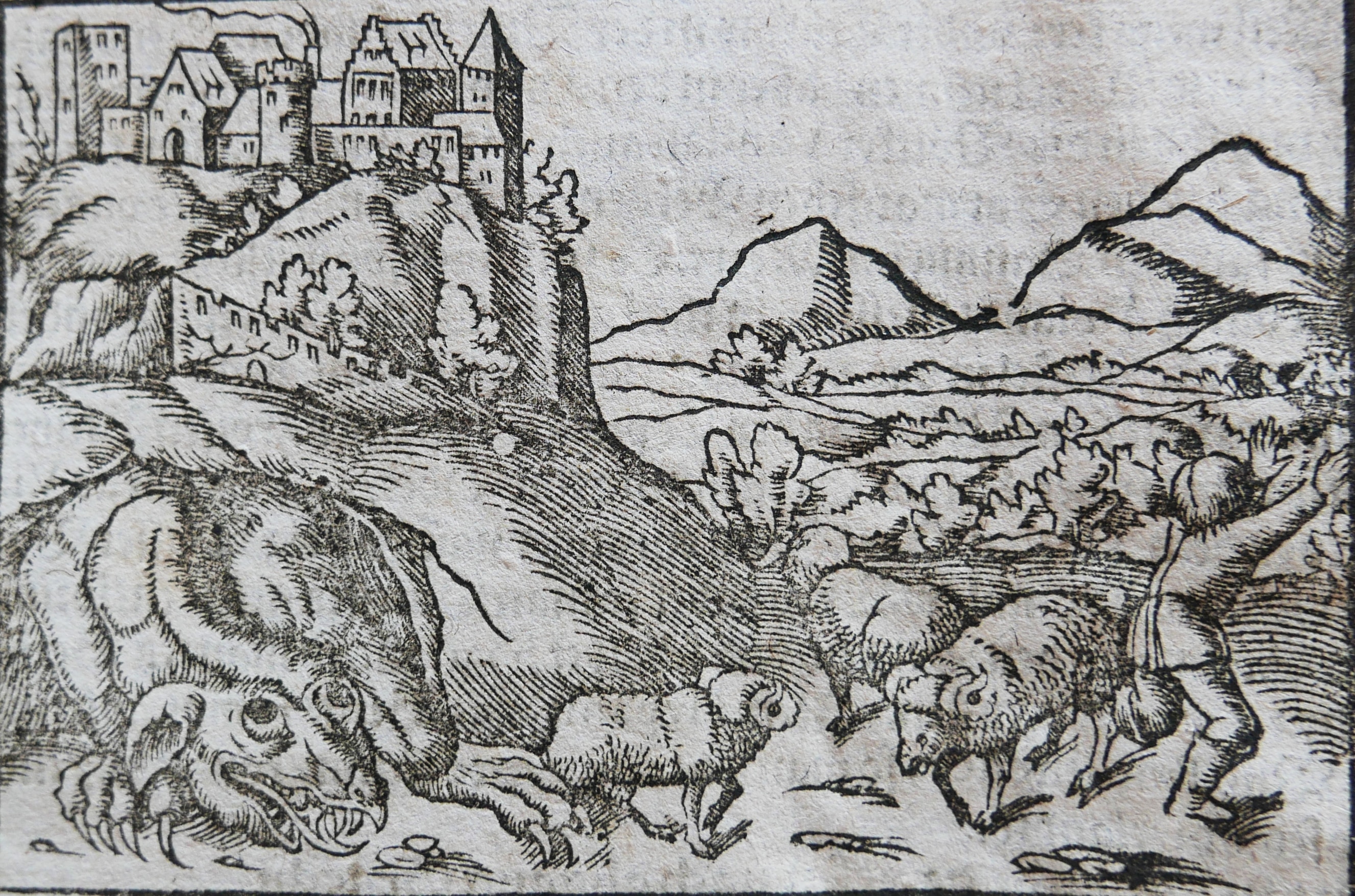
Depending on which version you read, the story goes in many different directions. These changes happen over time and in different sources. In some versions, a smart shoemaker’s apprentice named Skuba defeats the dragon by stuffing a dead lamb with sulfur and leaving it outside the dragon’s cave. As a result of eating the poisoned meal, the dragon became so thirsty that it drank an excessive amount of water from the Vistula River and ultimately exploded. Some versions say that the king’s sons won, but these stories often end sadly with one brother killing the other out of jealousy and then being caught and punished. Another version says that a young apprentice named Krak defeated the dragon and went on to build the city, mixing up the hero and the king in different versions. Some medieval histories even use the dragon as a symbol for a real Mongol or Tatar invader who was defeated by clever planning instead of brute force.
While different stories vary about the Wawel Dragon’s body, they generally concur on certain aspects. People typically envision the creature as a massive snake-like creature, possessing scales as strong as iron, capable of breathing fire and destroying entire buildings with a single blow. Most drawings show the dragon with four strong legs that end in razor-sharp claws, enormous bat-like wings that let it fly over the city, and a long, strong tail that could knock down buildings with one swing. People often describe its eyes as shining like red-hot coals and its roar reverberating through the hill. The dragon’s behavior exhibited both animal cunning and an almost supernatural intelligence, as it seemed to understand human weakness and exploit the fear it generated, demanding tribute in a manner that suggested more than mere bestial hunger (Chirniţcaia, 2010).

Theories
Different folklore theories have come up to explain how the Wawel Dragon story started and why it has lasted so long in Polish history and culture. Some researchers think that the story might have come from prehistoric times, maybe because people found mammoth or other large animal bones in the limestone caves under Wawel Hill and thought they were dragon bones. Other researchers say that the legend is a symbolic story about how Christianity beat paganism, with the dragon standing for old pagan beliefs and its defeat standing for the spread of Christian civilization. Studies in anthropology show that the story follows common patterns found in dragon myths from different cultures, serving as a metaphor for how people deal with natural disasters, like the floods from the nearby Vistula River, which the dragon that breathes fire and drinks water might represent. Some historians also think that the legend may have some historical truth in it, like remembering a real victory over a dangerous enemy or overcoming a big problem during Kraków’s early growth.
The legend of the Wawel Dragon also has something to say about the environment and society. As Krakow deals with environmental problems like air pollution, the story has been playfully linked to problems we face today. This connection between the mythical past and modern problems shows how folklore can be used to address today’s social problems, making it more relevant in a city that is changing quickly (Budkowski, 2023). In these cases, the dragon stands for both pride in the past and a call to action against problems in the present (Budkowski, 2023).
In scholarly discussions, the Wawel Dragon constitutes a significant subject for comparative analysis, revealing similarities with dragon narratives globally. Researchers have investigated how these cultural myths communicate themes of heroism and struggle, resonating across diverse societies, thereby augmenting our understanding of the influence of folklore on communal identities (Hoang, 2025). The Wawel Dragon is not just a local legend; it is also part of a larger set of myths that cross cultural and geographic lines (Chaplinska, 2023).
Impact
The Wawel Dragon legend has had a profound effect on Polish culture and Kraków’s identity. It has changed everything from tourism to local customs. The cave, believed to house the dragon under Wawel Castle, continues to be one of Kraków’s most popular tourist attractions. Visitors can still explore the limestone cave and see a modern metal sculpture of the dragon that breathes real fire at certain times of the day. The story has inspired a lot of Polish literature, art, and even modern media, like children’s books, movies, and plays that tell it in new ways for new generations. Annual festivals and parades in Kraków often feature dragon imagery, and the creature has become an unofficial mascot of the city, appearing on souvenirs, in local businesses’ names, and as a symbol of Kraków’s ancient heritage and resilience. The story has also helped to shape a larger sense of Polish national identity by showing that cleverness can win out over strength and that protecting one’s community is important. These are values that have been especially important during Poland’s many historical struggles.
The story is still important when people talk about where legends come from and what parts of them still exist in modern society. Scholars contend that the mythological components of the narrative embody profound themes of conflict and resolution, frequently corresponding with archetypal narratives prevalent across cultures, thereby underscoring the universal allure of dragon legends (Chaplinska, 2023). The integration of these themes into educational frameworks exemplifies the profound influence of the Wawel Dragon, demonstrating its adaptability for instructional purposes in modern pedagogy (Wtorkowska et al., 2024).
The Wawel Dragon in Krakow is more than just a story; it is an important part of the city’s culture and tourism. Statues and other artistic representations of the dragon serve as focal points for both locals and tourists, emphasizing the dragon’s iconic status in the city’s cultural landscape. The legend inspires narrative reinterpretations across various genres, including adaptations into contemporary science fiction. Kaczor, 2018. The dragon’s imagery has been used in many different ways, from books to art shows, showing how important it is to Krakow’s culture (Pietrzak & Angiel, 2018; Kaczor, 2018).
Conclusion
The Wawel Dragon story has lasted through the ages because it speaks to universal human experiences and desires that go beyond its medieval Polish roots. People continue to find the story fascinating as it blends elements of danger, heroism, and the triumph of human creativity against seemingly insurmountable challenges. The dragon beneath Wawel Hill remains very much alive in the hearts and minds of Poles and visitors alike, a testament to the power of storytelling to shape identity, preserve history, and inspire wonder across generations. The dragon legend will live on as long as the Vistula River flows past Wawel Hill and the old castle watches over Kraków.
References
Budkowski, S. (2023). The use of geodata in the process of the ventilation of the city of krakow. Geomatics and Environmental Engineering, 17(4), 53-76. https://doi.org/10.7494/geom.2023.17.4.53
Chirniţcaia, M. (2010). Differences and similarities in english and polish dragon legends the dragon of wantley and the wawel dragon. Studia Universitatis Moldaviae (Seria Ştiinţe Umanistice), 34(4), 88-91.
Hoang, H. (2025). Confucianism and political strategies: a case study of dragon and king narratives recorded in the việt official histories. Hong Kong Journal of Social Sciences, (65). https://doi.org/10.55463/hkjss.issn.1021-3619.65.6
Kaczor, K. (2018). Smok to nie smok. legendy polskie w xxi w.. Literatura I Kultura Popularna, 23, 63-74. https://doi.org/10.19195/0867-7441.23.5
Pietrzak, M. and Angiel, M. (2018). The symbolic dimension of the city – the presence of a dragon in the urban space of krakow. Urban Development Issues, 57(1), 41-52. https://doi.org/10.2478/udi-2018-0016
Sucharski, R. A. (2020). Stanisław Pagaczewski and his tale (s) of the Wawel Dragon. Chasing mythical beasts: The reception of ancient monsters in children’s and young adults’ culture, 439-448.
Wtorkowska, M., Gryncewicz, K., & Krvina, D. (2024). (ne)prijazni zmaji v službi polonistične ekoglotodidaktike. Jezik in Slovstvo, 69(4), 3-18. https://doi.org/10.4312/jis.69.4.3-18
Чаплінська, О. (2023). The mythologem of snake fighting in the legend of “kyrylo kozhumiaka” by natalena koroleva and the legend of the wawel dragon: a comparative aspect. Вісник Житомирського Державного Університету Імені Івана Франка. Філологічні Науки, (2(100)), 68-79. https://doi.org/10.35433/philology.2(100).2023.68-79



Leave a Reply