Runic Magic: Key Points
-
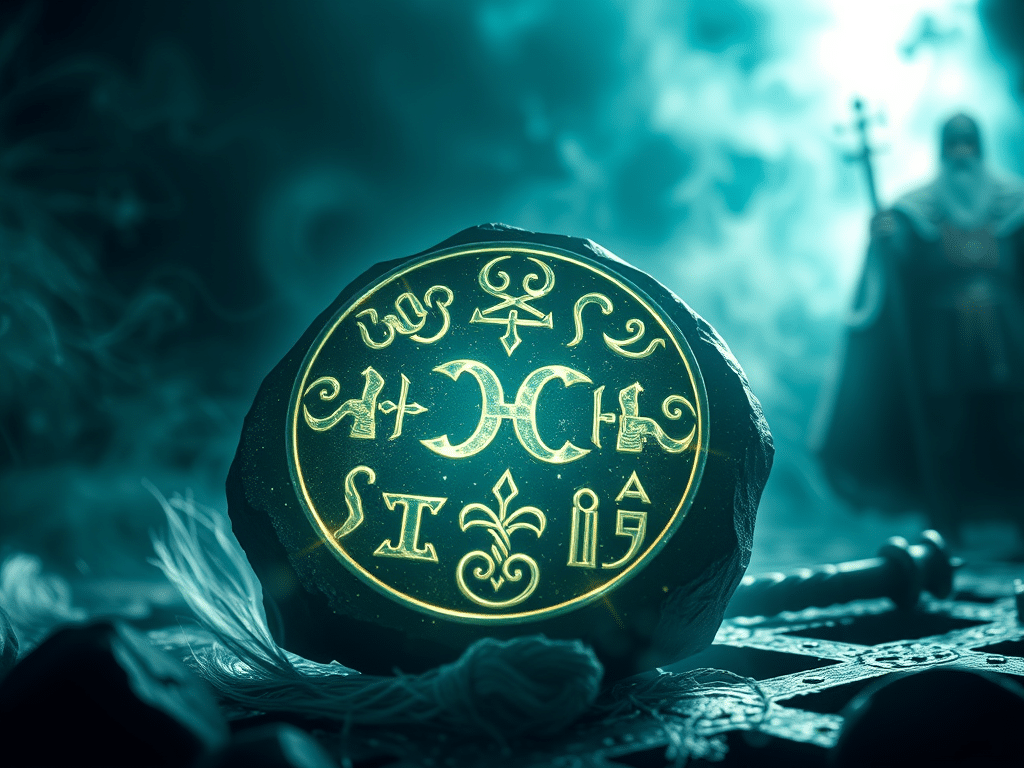
The runic alphabet functioned as both a writing system and sacred magical tool, with each symbol possessing supernatural power.
-
Norse people used runic magic for protection, healing, cursing, weapon enhancement, and divination, as evidenced in artifacts and literature.
-
Modern runic practice has revived through divination, Norse paganism, and New Age movements, though some symbols face problematic appropriation.
-
Theories vary from psychological explanations centered on belief effects to mystical assertions that runes tap into supernatural energies.
-
Runic magic has influenced fantasy literature, popular culture, and academic study, with creators and scholars approaching runes differently.
-
The enduring appeal of runes reveals human desires for symbolic meaning and hidden knowledge across time.

Introduction
Runic magic, a captivating and complex aspect of ancient Norse culture, combines written language, spiritual practices, and mystical beliefs, which have fascinated both scholars and practitioners for centuries. Runes were more than just letters for writing; they were powerful symbols with supernatural importance. Each rune was thought to have its own magical properties and connections to cosmic forces (Bishop, 2007). The dual function of runes, serving as both practical writing instruments and potent symbols of authority, underscores the integrated worldview of Norse society, a culture in which the divisions between the material and the spiritual were both permeable and interdependent. To understand runic magic, we need to look at its historical context in Norse culture, its theoretical foundations, its practical uses, and its lasting influence on modern esoteric traditions. Runes, which started as simple pictures used by Nordic and Germanic groups, evolved into complex systems of magic and fortune-telling. This development linked ancient Germanic spiritual practices with modern esoteric traditions (Peschel, 1989).
Runic Magic History
Runes were the main writing system in Norse society across Scandinavia, starting around the second century AD. The Elder Futhark, which had twenty-four characters, later changed into the Younger Futhark, which had sixteen characters, around 800 AD. These angular symbols were crafted for engraving into wood, stone, and metal. Their straight lines and minimal curves made them ideal for marking challenging surfaces, a task accomplished with basic tools. The term “rune” comes from the Old Norse word “rún,” which means “mystery” or “secret.” This suggests that the name of these letters itself acknowledged their connection to hidden knowledge and secret wisdom. Runes appeared on everyday items like combs and tools, on memorial stones honoring the dead, on weapons to confer them magical power, and in legal documents to record transactions and agreements.
Williams’s (1999) research on Swedish runestones, which serve as primary sources, offered new perspectives on the religious shift occurring during Sweden’s conversion. He observed a notable absence of violent clashes between the Old Norse faith and Christianity throughout this period. The runestones, in particular, exemplified the dual character of runic practice, as they incorporated both Christian and, at first glance, pagan elements. In Norse society, the ability to read and write runes was not widespread. Instead, this skill was held by a small group of people who were recognized as experts in both writing and magic. Runemasters, frequently referenced in saga narratives and substantiated by inscribed runestones, were figures of considerable esteem, exercising substantial social power due to their expertise in these impactful symbols.
Runic magic, also known as rune magic, was based on the idea that each rune had a built-in power that went beyond its use in language. The Norse worldview saw these runes as ways to connect with specific forces, gods, or cosmic principles. Norse mythology attributes Odin’s acquisition of rune knowledge to a profound act of self-sacrifice. He suspended himself from Yggdrasil, the world tree, for a period of nine days and nights, impaled by his spear. Through this ordeal of suffering and self-denial, he ultimately attained the wisdom inherent in these arcane symbols. The mythological origins of runes, particularly the story in the Hávamál about Odin’s quest for runic knowledge, presented them as divine gifts. This view required both dedication and wisdom to understand and use them correctly, thus elevating runes above regular writing systems (Bishop, 2007). Each rune was associated with specific ideas, natural occurrences, or spiritual forces.
The Elder Futhark, which is the basis for much of modern practice, included runes that had particular origins, sounds, and meanings (Thorsson, 2020). The power of runes was thought to depend on the user’s knowledge, intention, and spiritual preparation, as well as the symbols themselves. Bishop (2007) identifies three main types of runic magic: curses, cures/protection, and prophecy. He also notes that runes were used for everyday purposes, such as memorials and inheritance records. This indicates that runes kept their magical meaning, even as they were used as letters in Old Norse culture.
Using Runic Magic
In historical Norse culture, runic magic had many practical uses, including protective spells, healing practices, curses, and fortune-telling. Archaeological finds and literary sources provide evidence of these different uses. Runes carved into weapons frequently called upon triumph, safeguarding, or improved performance in combat. This practice is well-documented on countless sword blades and spearheads unearthed across Scandinavia. MacLeod and Mees (2006) offer evidence that formulaic runic words were employed on portable objects as talismans, while runic charms, inscribed on amulets, were utilized for a spectrum of objectives, including the attainment of peace and prosperity; these charms occasionally featured invocations directed towards both pagan and Christian deities, thereby illustrating the pervasive influence of runic practice throughout the multifaceted dimensions of medieval existence. Healing practices used runes carved onto materials like bone, wood, or other substances. These runes were then placed near the sick person, or they were ground up and consumed. Specific combinations of runes were believed to cure particular illnesses. Love magic and fertility spells occasionally utilized runic formulas. Saga accounts provide evidence of this, detailing instances where characters employed runes to draw in a romantic interest or to guarantee a successful delivery.
Jooste (2026) explains that runic magic uses the writing, carving, or speaking of runes to access their inherent powers. This process is done for purposes like divination, protection, or bringing about specific goals. The practice of Galdr, which involves Norse incantation and chanting with runes, is used for things like healing, protection, and influencing the natural world. Protective magic was likely the most common use, with runes carved on doorways, ships, and personal belongings to ward off harm, evil spirits, or bad luck. The renowned Icelandic grimoires, despite their origins in the later Middle Ages, safeguarded runic magic formulas. These probably echoed much older practices that included complex runic staves and bindrunes. These bindrunes fused several rune symbols into singular, potent glyphs.

Theories
Theories about runic magic vary widely, ranging from strictly historical and anthropological studies to more speculative metaphysical ideas. This variety reflects ongoing debates about how to understand and interpret these practices. Some scholars view runic magic primarily as a cultural phenomenon, examining how belief in runic power functioned within Norse society. They explore its role in strengthening social structures, providing psychological comfort, and creating meaning in a world full of uncertainty. Conversely, Evans (2011) offers a significant alternative perspective, observing that ancient Germanic societies predominantly utilized runes for practical applications, which stands in stark contrast to contemporary magical readings. He further advises that the robust association between runes and Germanic pagan magic, as established by academics since the Nordic Renaissance and subsequently intensified by present-day Ásatrú practitioners, exemplifies a nuanced interaction between historical usage and modern reinterpretation.
Psychological theories suggest that the effectiveness of runic magic comes from placebo effects. These effects are the result of the power of belief and ritual to focus intention and create real psychological changes in those who practice it. Linguistic investigations into runes examine the relationships among their phonetic components, visual representations, and semantic content. These theories posit that the magical properties attributed to each rune originated from intricate correlations involving its phonetic value, its designated name, and its graphical appearance. Divination connects practitioners with the Old Norse idea of “ørlög,” which means “primal laws.” This concept highlights the idea that all actions happen within a set of pre-existing relationships (Evans, 2011). Some modern esoteric theorists suggest that runes connect with archetypal forces or patterns from the collective unconscious. They use Jungian psychology to explain why runes still resonate and seem effective for those who use them today.
Thorsson (2020) highlights the enigmatic nature of runes, portraying them as a framework for spiritual advancement and magical practice. This perspective, which integrates both historical narratives and practical techniques, reflects a synthesis of past understanding and present-day utilization. Some mystical interpretations suggest that runes act as direct connections to supernatural forces or spiritual energies. Their power, in this view, comes from metaphysical realities that go beyond what we currently understand scientifically. Skeptics argue that the reported effects of runic magic can be fully explained by chance, confirmation bias, and the tendency of those who believe to interpret unclear results as proof of their magical practices. These differing theoretical perspectives reflect broader tensions between materialistic and spiritual worldviews, between cultural relativism and claims of universal truth, and between a respectful approach to studying past beliefs and a critical evaluation of supernatural claims.
Impact
Runic magic’s influence extends far beyond its original Norse context, affecting fantasy literature, popular culture, modern spiritual practices, and academic studies. The use of runic magic has seen a significant revival since the late 1800s, continuing into the twentieth and twenty-first centuries. However, modern practices often differ greatly from how the Norse originally used them. The romantic nationalist movements of the 1800s sparked a renewed interest in Norse heritage and runic traditions. This led to both academic research and esoteric practices involving these ancient symbols. The resurgence of rune magic in early twentieth-century Germany profoundly influenced contemporary practices. Thorsson’s (2018) analysis of esoteric runology’s history highlights the contributions of pivotal figures like Guido von List, Friedrich Bernhard Marby, and Rudolf John Gorsleben. Their endeavors laid the groundwork for interpreting runes as instruments of spiritual advancement and magical utilization.
Modern runic divination has gained considerable popularity, mirroring the practices of tarot reading; practitioners employ rune stones or cards, casting them to seek understanding of personal inquiries or life circumstances. Peschel (1989) offers direction on uncovering the oracular qualities of runes and utilizing them for purposes of insight, safeguarding, and fortune. Modern magical practitioners, including those who follow reconstructionist Norse pagan traditions like Ásatrú and Heathenry, use runes in their rituals, meditation, and personal spiritual growth. Thorsson’s 2018 work offers a comprehensive examination of practical runework methodologies, encompassing rune yoga and dance, runic hand gestures, rune singing, runic healing practices, and runic tantra and sex magic. This exploration illustrates the holistic character of traditional runic practices by incorporating physical, vocal, and meditative components.
Paxson’s 2021 work offers rituals and spells tailored to different skill levels, thereby assisting practitioners in internalizing the attributions, meanings, and symbolic significance of runes within a magical context. This resource addresses practical considerations, encompassing the creation of rune sets and the utilization of runes across psychic, spiritual, and magical dimensions. The New Age embraced runes, using them as instruments for self-exploration and development. This edition often involved mixing them with other mystical practices, creating a blend that didn’t always align with their historical uses. Unfortunately, some white supremacist and neo-Nazi groups have also adopted runic symbols, distorting their historical meaning. Such misuse has created associations that many modern Norse pagans and runic practitioners actively work to combat and reclaim. Scholars persist in examining runes beyond their spiritual and magical contexts. Runologists study inscriptions to learn more about the languages, cultures, and beliefs of the Norse people in the past.
Modern runic practice combines different traditional systems, each with its features and uses. Thorsson (2018) investigates four traditional runic systems—the Older Futhark, Anglo-Frisian Futhorc, Younger Futhark, and Armanic Futhork—analyzing their shared features and divergences. Jooste’s (2026) study examines the complex art of bindrunes, a practice involving the fusion of several runes to generate concentrated magical objectives. This process illustrates the advanced symbolic lexicon that emerged within runic traditions, thereby enabling practitioners to formulate individualized magical spells. Understanding runic practice requires looking at what each rune means and how they relate to each other in layouts or bindrunes. This connection to ancient wisdom helps people today use runes in their spiritual practices. J.R.R. Tolkien’s incorporation of rune-like scripts in his Middle-earth works brought runic aesthetics to the forefront, reaching a wide readership. Since then, runes have become a staple in fantasy literature, games, and films, often representing ancient power and the secrets of magic. Runic characters are popular in jewelry, tattoos, and art because they look appealing. However, this use often happens without fully understanding what they originally meant or the contexts in which they were used. In modern paganism, runes have become a significant part of spiritual practices. Many books, workshops, and online communities now focus on teaching runic magic and divination. Runology, as an academic field, has developed sophisticated methods for studying runic inscriptions. This method has significantly contributed to our understanding of Germanic languages, medieval literacy, and the cultural exchanges that occurred in early medieval Europe. The appropriation of runic symbols by hate groups has ignited significant discussions. These conversations touch on cultural symbols, how history is interpreted, and the political maneuvering surrounding claims of heritage. The differing views on runes greatly influence the ongoing discussion about the relationship between academic study and religious practice. Scholars see runes as historical artifacts, while practitioners view them as active spiritual tools. This difference creates a productive dialogue.
Conclusion
Runic magic showcases humanity’s ability to invest symbols with deep meaning, to seek power and knowledge through sacred writing, and to maintain connections with ancestral traditions across long periods of time. Runes, which appeared in ancient Scandinavia, served both practical and spiritual purposes in societies that saw no clear separation between the physical and spiritual worlds. Runes, whether viewed as historical artifacts, psychological tools, spiritual practices, or genuine magical systems, continue to fascinate and inspire people who are looking for connections to ancient wisdom and alternative ways of understanding the world. The study of runic traditions, when considered alongside their practical uses, creates a rich connection between academic research and personal experience. The ongoing importance of modern runic practices for those interested in spirituality and magic demonstrates this fact (Evans, 2011). Within the wider framework of Germanic paganism, especially Ásatrú, the incorporation of runic practice fosters both community and continuity for these traditions. Simultaneously, the efforts of contemporary practitioners and scholars, who build upon the groundwork established by early twentieth-century revivalists, further enrich comprehension of runic mysteries and render these practices available to subsequent generations. The persistent allure of runic magic implies a core aspect of human nature: our inherent inclination to discern patterns and significance within symbols, our fascination with concealed systems of knowledge, and our continuous pursuit of abilities that transcend the limitations of everyday existence. The legacy of Norse runic magic remains strong in modern times, as contemporary practitioners revive and reinterpret these ancient practices, scholars continue to study historical inscriptions, and popular culture spreads images of runic mystery.
References
Bishop, C. R. (2007). Runic Magic. University of Maryland, College Park.
Evans, E. S. (2011). Runes: Past and Present. West Virginia University.
Jooste, A. (2026). Galdramal: A Practical Guide to Rune Magick. Red Wheel/Weiser.
MacLeod, M., & Mees, B. (2006). Runic amulets and magic objects. Boydell Press.
Paxson, D. L. (2021). Taking Up the Runes: A Complete Guide to Using Runes in Spells, Rituals, Divination, and Magic. Red Wheel/Weiser.
Peschel, L. (1989). A practical guide to the runes: their uses in divination and magick. Llewellyn Worldwide.
Thorsson, E. (2018). Rune Might: The Secret Practices of the German Rune Magicians. Simon and Schuster.
Thorsson, E. (2020). Futhark: A handbook of rune magic. Weiser Books.
Williams, H. (1999). Runestones and the Conversion of Sweden. Sydney Studies in Religion.


Leave a Reply