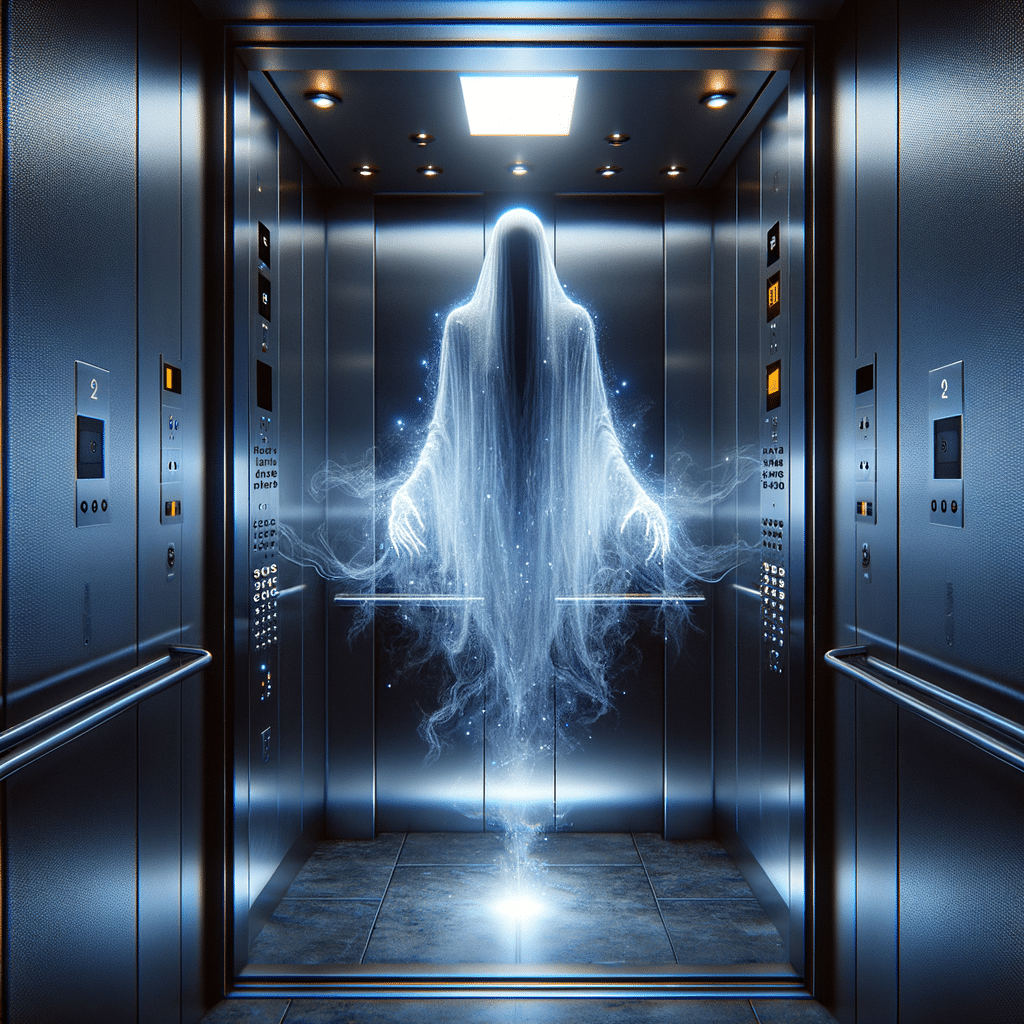
The paranormal world is filled with many mysteries, not the least of which are ghostly hauntings. Two major categories of hauntings are active hauntings and residual hauntings. While both involve ghostly phenomena, there are key differences between the two. This essaywill define and give examples of active and residual hauntings, discuss where poltergeists fit in, and explore other issues around these two types of spiritual occurrences.
Active Hauntings
Active hauntings involve ghosts or spirits that are aware of the living and interact with or react to them. These ghosts may communicate with the living, move objects, or manifest visually or audibly. Active hauntings display a kind of intelligence or consciousness behind the paranormal activities. These entities are believed to retain their personalities and memories from life, allowing them to recognize and respond to individuals and situations.
Some examples of active hauntings include the ghost of Anne Boleyn at the Tower of London, who has been seen and heard screaming and crying by guards and visitors. Guards have reported being touched or grabbed by unseen hands.
The Winchester Mystery House in San Jose, CA, which is filled with spirits that are believed to communicate with visitors through rapping sounds, apparitions, voices, and moving objects.
The Stanley Hotel in Colorado, known for spirits that play tricks, turn lights on and off, open doors, and interact with guests and staff. Some specific ghosts like children who giggle and play in the halls have been reported here.
Residual Hauntings
Residual hauntings involve paranormal activities that seem to replay or recreate past events, like a recording. The ghosts involved do not interact with or respond to the living. Residual hauntings are not attached to the person, but rather to a location or an object associated with a traumatic or high energy event. Their actions are more of an imprint rather than an active consciousness. These spirits seem to be locked in a loop, repeating the same actions over and over without any interaction with the living world.
Examples of residual hauntings include The Gettysburg Battlefields, where ghostly apparitions of soldiers have been seen marching, riding horses, or engaged in battle. They do not interact with or seem to be aware of living observers.
The Myrtles Plantation in Louisiana, where the ghosts of former residents have been seen wandering the property or standing on the porch, repeating past actions.
The Queen Mary ship, where apparitions of sailors from the ship’s past have been reported, appearing to walk the decks or conduct past duties from the ship’s military service days.

Poltergeists
Poltergeists are troublesome spirits known for creating chaos and disruption. Their name comes from the German for noisy ghost. These manifestations are often linked with individuals, frequently adolescents, and high-stress situations. Their activities focus on manipulating physical objects and generating noise like knocking, banging, footsteps, or voices. Examples of poltergeist activity include objects being thrown across a room, doors slamming, and furniture being moved. It is debated whether poltergeists are an actual supernatural phenomenon or whether some reported cases have rational explanations related to human psychokinesis which is mind over matter. Whether or not they constitute a distinct ghostly category, poltergeists are usually considered a type of active haunting because they intentionally interact with and affect the living.
Categorizing
The categorization of hauntings into active and residual, while helpful for understanding reported phenomena, does have its issues. The primary challenge arises from the inherently subjective and anecdotal nature of the evidence. Without hard empirical data, our understanding of these phenomena is largely based on personal accounts, which can be influenced by a host of factors ranging from cultural beliefs to psychological states. Moreover, the classification does not account for potential overlap or exceptions, with some instances potentially fitting both categories or falling outside the classifications entirely.
There are a number of other issues and debates surrounding ghosts and hauntings. Skeptics of ghosts question whether any paranormal activity can be scientifically proven or whether natural explanations like drafts, aging infrastructure, wild animals, or human imagination might account for the reports. Believers in ghosts point to photographic, video, and audio evidence of apparitions as well as consistent eyewitness accounts. Some researchers have attempted scientific studies of hauntings using environmental sensors, voice recordings, and other equipment. There is also discussion around whether hauntings are the result of trapped souls or spirits, residual energy imprinted in a location, dimensions blending between the living and the dead, or some other metaphysical phenomena. While active and residual hauntings have some defined differences, there remains much we have yet to understand about ghosts and spirit activity.
Conclusion
Active and residual hauntings constitute the two main types of ghostly phenomena reported today. While active hauntings involve spirits actively interacting with the living, residual hauntings appear to be non-conscious replays of past events. Poltergeists are usually considered a form of active haunting due to their intentional disruption and communication through manipulating objects. Understanding the differences between these types of hauntings provides insight into the possible metaphysical explanations behind them. However, many questions remain unanswered in the paranormal realm. Continued rational analysis and investigation of ghostly occurrences may shed more light on these mysterious happenings.
References
Hollan, D. (2019). Who is haunted by whom? Steps to an ecology of haunting. Ethos, 47(4), 451-464.
Jacobs, M. S. (2010). Things that go ‘spark’in the night: The uncanniness of electricity and electronic media in ghost hunting reality television (Master’s thesis).
Mackley, J. S. (2025). The Palimpsest of Time. Nigel Kneale and Horror: Medium, Time, Culture and Genre, 123.
Shin, H. (2017). A Phenomenology of Haunting: Transgressive Identities, Proxy Memories, and Authorship in Alvin Lus The Hell Screens. 영어영문학, 63(2), 219-238.
Vale, J., & Watkins, G. (2018). Tracking Ghosts and Hauntings. The Rosen Publishing Group, Inc.


Leave a Reply