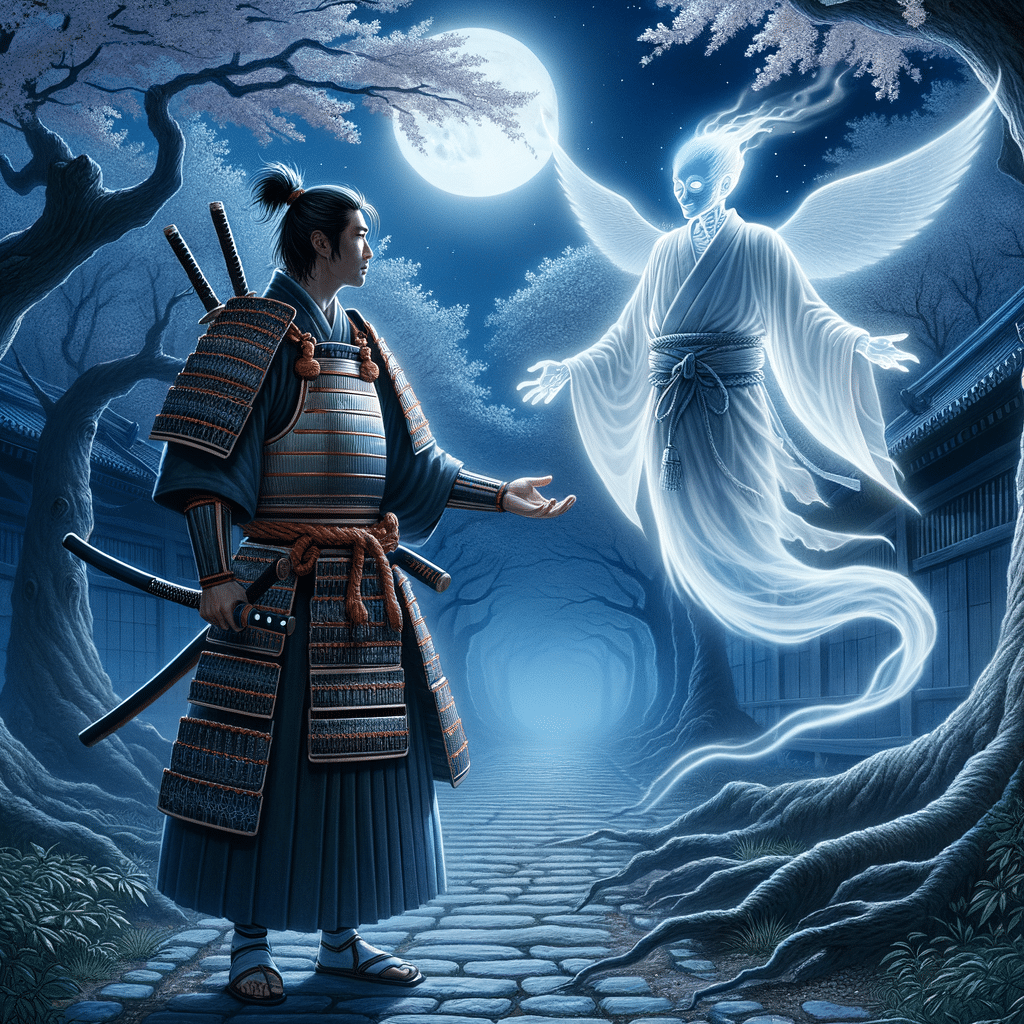
Japan’s samurai are rightfully well-known. Many people, however, are unaware of the vast mythology surrounding the samurai and its magical and paranormal side.
From the 12th to the 19th centuries, Japan’s elite warrior class, known as the Samurai, had a significant influence on the political and cultural development of the nation. Bushido, their own code of conduct, placed a strong emphasis on loyalty, martial arts proficiency, and honor up to death.
However, a number of supernatural myths and paranormal beliefs about them have also developed as a result of their mystique and fighting prowess. The samurai mythology still has a lasting impact on people’s imaginations today.
History
It’s important to comprehend the historical background of the Samurai before exploring their mythological and supernatural facets. During Japan’s extreme political unrest in the Heian period (794–1185), the Samurai developed. The fall of the imperial court brought the rise of local warlords, or Daimyo, who had their own private army of samurai. These fighters fostered a special fusion of martial skill and sophisticated artistic sense, serving their masters not only in combat but also as guardians of culture and the arts.
Deeply ingrained in Japan’s indigenous religion of Shinto, the Samurai had an intensely spiritual outlook. Shintoism endows everything in nature, including rocks, trees, rivers, and mountains, with a heavenly energy known as kami. The Samurai had great veneration for their swords, believing them to be the home of a powerful kami. There are several legends about Samurai swords having magical abilities, such as the capacity to defend their bearers or deliver bad luck to those who mishandle them.
In addition, Buddhism was very important to the samurai’s spirituality. Because Zen Buddhism placed a strong focus on concentration and meditation—qualities they thought valuable in combat—the Samurai were especially drawn to it. The recurring themes of life and death in Buddhism, along with the idea of impermanence, were relatable to the Samurai’s everyday experiences of death.

Paranormal
Samurai ghost stories frequently center on this idea: fallen warriors return as vengeful spirits to exact revenge or fulfill unfulfilled obligations. Japanese folklore holds that samurai who died violently or too soon after battle were not allowed to enter the afterlife in peace. Their restless souls would haunt the planet like angry ghosts determined to exact revenge for the injustices caused by their deaths. There are many stories of goryo taking the form of armor or undead shadows to terrorize and destroy their foes.
The Samurai are a prominent figure in many Japanese folktales and legends, many of which attribute to their supernatural powers. One such tale is that of the famed Samurai Minamoto no Yoshitsune, who was highly skilled in both combat and strategy. According to legend, Yoshitsune received his martial arts training from the fabled Tengu, forest spirits with legendary prowess. These tales support the idea that samurai are more than just regular people; their abilities are so great that only supernatural entities could have trained them.
Other samurai were believed to possess superhuman-level martial abilities, bordering on the magical. According to legend, some samurai possessed extraordinary strength, speed, toughness, or the ability to predict strikes that would have seemed unthinkable for a typical person. For instance, legend claims that samurai could chop targets or objects with such accuracy and speed that it was impossible to follow them. People frequently attributed these extraordinary achievements to rigorous training, meditation methods, or favors from Shinto deities bestowing enhanced powers.
Japanese folklore relates Samurai to yokai, a class of otherworldly entities. Several yokai tales depict samurai either fighting these monsters or changing into them. Folklore suggests that the rigorous sense of duty and honor frequently subjected samurai to extreme psychological stress, occasionally causing them to transform into otherworldly beings. These stories highlight the Samurai’s effort to strike a balance between their own needs and concerns and their strict societal obligations.
Ningyo, or warrior mermen, are another paranormal idea associated with samurai culture. Folktales claim that some exceptionally talented samurai had the ability to change after death into fish-human hybrids. People believed that ningyo samurai lived underwater and occasionally surfaced to continue fighting in the event of a major war in Japan. Some even reported seeing enigmatic half-fish beings swimming in waterways, which they saw as the ghosts of ningyo samurai.

Decline
During the turbulent period of Japan’s history, marked by enormous political and societal transformations, the samurai class gradually declined. These legendary fighters represented devotion, honor, and skill on the battlefield. Their rich history dates back many centuries. But as Japan began to modernize in the late 1800s, their ancient way of life encountered previously unseen difficulties.
A number of events came together toward the end of the Samurai era to undermine their privileged status in Japanese culture. Emperor Meiji’s consolidated rule and quick westernization were the hallmarks of the Meiji Restoration of 1868. Destroying feudalism and building a more cohesive nation-state were the goals of this revolutionary movement, which aspired to improve Japan’s standing internationally.
Moreover, technological developments in warfare were a major factor in the decline of the samurai’s importance in combat. When Japan opened up to foreign trade, traditional weaponry like swords and arrows were no match for firearms brought in from Europe. This change made it more and more clear that human talent and battle experience alone could not defeat technical supremacy, undermining the fundamental idea that allowed samurai culture to flourish.
The Samurai’s complex fusion of martial art, artistic sensibility, and spiritual profundity has forever changed Japan. Japanese mythology and paranormal beliefs reflect the intricate relationship between the material and supernatural realms in their culture. The Samurai were spiritual creatures who navigated a world inhabited by ghosts, demons, and gods in addition to being skilled soldiers. This intricate web of myth and belief keeps drawing people in from all around the world and adds to the ongoing allure of the samurai.
Conclusion
Throughout their history, the samurai’s deadly skills and mystique as protectors of Japan have captivated people. Many supernatural beliefs that depicted them as having a paranormal connection to the ethereal world arose. Japanese folklore surrounding these elite warriors still includes epic stories of samurai ghosts, amazing martial prowess, and aquatic transformations that never fail to captivate audiences. In Japanese popular myth and culture, the samurai became figures beyond the commonplace as the supernatural heights of myth blended with their everyday existence.
References
Kaur, A. R. (2022). What goes bump at night? A survey of Japanese supernatural art in the Edo period.
Howland, D. R. (2001). Samurai status, class, and bureaucracy: A historiographical essay. The Journal of Asian Studies, 60(2), 353-380.
Ross, C. (2015). Supernatural and Mysterious Japan: Spirits, Hauntings and Paranormal Phenomena. Tuttle Publishing.
Ross, C. (2020). Haunted Japan: Exploring the World of Japanese Yokai, Ghosts and the Paranormal. Tuttle Publishing.
Yamamoto, T. (2002). Hagakure: the book of the samurai. Kodansha International.

Leave a Reply