
Being able to identify and differentiate between different kinds of spirits is crucial in the fascinating realm of paranormal investigation. This distinction helps explain phenomena to individuals who are experiencing them in detail and also helps scientists develop tactics that work. This paper examines the main categories of spirits and talks about the methods of investigation related to each category.
Intelligent and Residual Spirits
First off, the division between residual and intelligent spirits is a basic classification in paranormal studies. According to popular belief, intelligent spirits are the consciousnesses of the dead who communicate with the living in a thoughtful and sensitive way. They are able to communicate, identify the situation, and express feelings. Their interactions seem to be a holdover of their former selves, as if they are still expressing themselves through those personalities or objectives. Typically, investigators use techniques like Electronic Voice Phenomena (EVP) to record audio recordings they believe to be the spirits’ responses in an attempt to find evidence of these spirits.
Remaining hauntings, on the other hand, are compared to looped recordings. The same behaviors or occurrences, like footsteps or voices, repeatedly appear throughout these hauntings but do not communicate with the living. According to this notion, traumatic or highly charged emotional events can leave an imprint on a place, which can lead to these manifestations. To determine the legacy, research focuses on connecting present occurrences to past occurrences or particular environmental factors.
Poltergeists and Elementals
Let’s move on to poltergeists, who are defined by physical disturbances such as things moving on their own, unexplained sounds, and even personal touch. The term poltergeist originally came from a German phrase that means “noisy ghost.” Some theories contend that people’s psychokinetic energy, typically released during adolescence, may be the root of poltergeist manifestations rather than spirits. In order to find possible causes or trends, investigations into poltergeist activity usually look at psychological, environmental, and societal aspects.
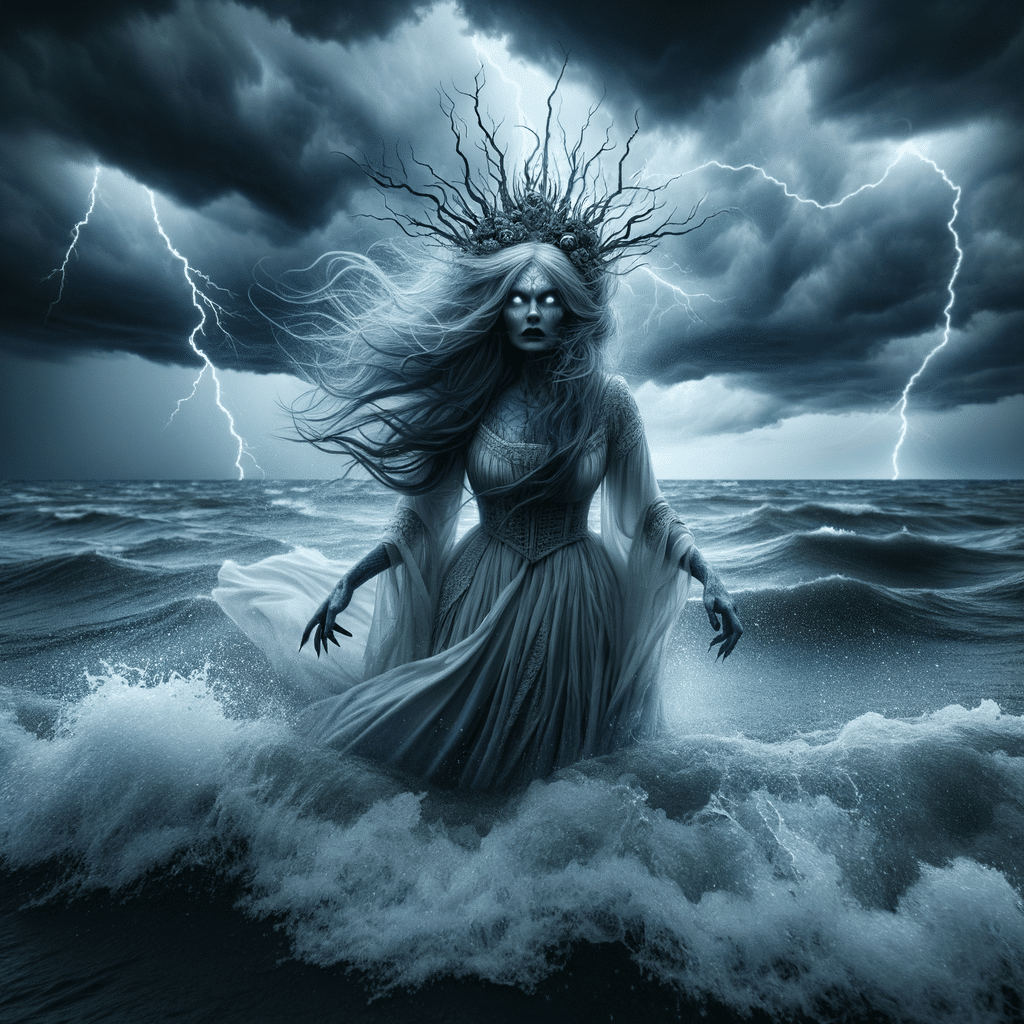
The elementals are another fascinating category, with a stronger basis in legend than in scientific data. Elements, often called spirits of nature or manifestations of natural forces, are typically associated with certain natural environments, such as lakes or woods. There are few investigative methods in this field, and those that exist usually combine environmental studies and folklore research to evaluate if experiences are merely natural phenomena or some other kind of paranormal activity.

Shadow People and Demonic Entities
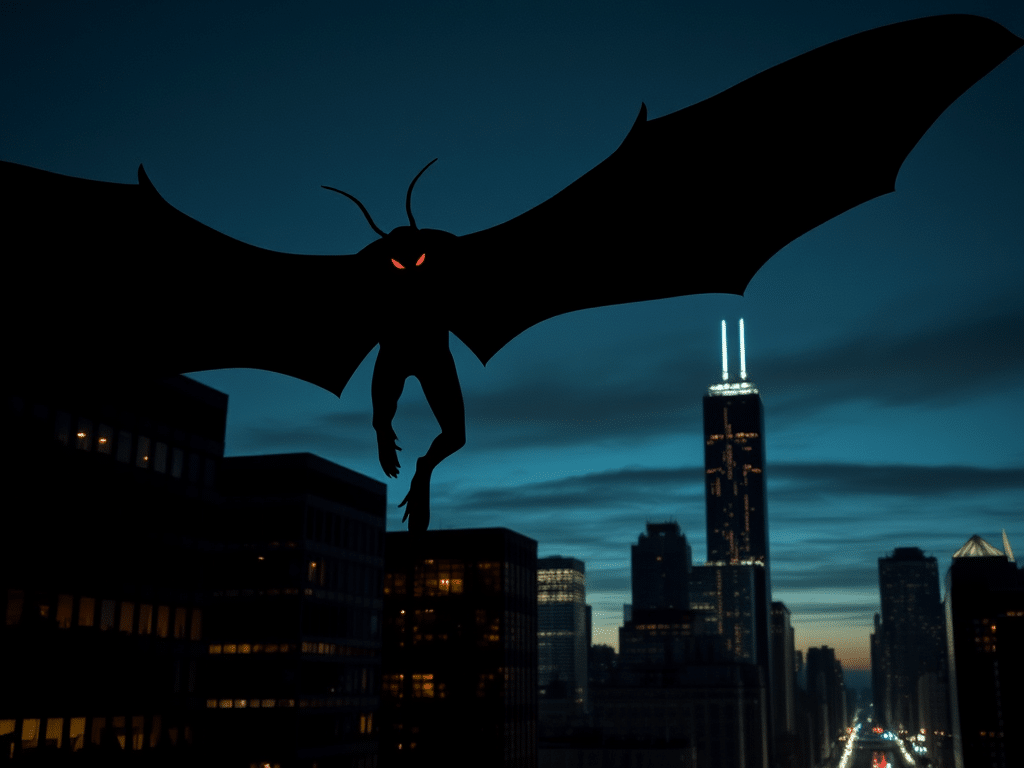
A very recent addition to the taxonomy of the paranormal, the term “shadow people” describes dark, shadowlike beings that are frequently observed in the background. These figures are usually elusive and devoid of distinguishable human features, in contrast to other apparitions. Studies on shadow people examine a variety of theories regarding their origins, from interdimensional entities to simple optical illusions, by examining environmental and psychological aspects.
Lastly, the essay discusses demonic beings, which are important in some cultural and religious frameworks for paranormal investigation, even though they are less common. These entities—described as evil, non-human spirits—are the focus of intensely debated research. In these situations, cautious approaches are taken, frequently incorporating psychological testing, environmental analyses, and historical studies to rule out alternative explanations before taking a closer look at supernatural components.

Conclusion
In summary, studying the paranormal is a challenging topic that calls for a deep comprehension of many spirits and events. Investigators can efficiently adjust their tactics and approaches by classifying spirits into groups such as intelligent, residual, poltergeists, elementals, shadow people, and demonic creatures. This organized categorization improves the research process and deepens the explanations given to people who are interested in or witnessing paranormal occurrences. Our grasp of the invisible and unexplained will advance only if these categories are continuously explored and refined as the area develops.
Further Reading
Holzer, H. (1981). Ghosts: True Encounters with the World Beyond. New York, NY: Black Dog & Leventhal Publishers.
Hans Holzer, a pioneer in the field of paranormal research, offers a comprehensive exploration of ghostly phenomena in this book. Holzer’s work is foundational, providing insights into various types of hauntings and investigative techniques that have influenced generations of paranormal researchers. His detailed accounts and methodologies make this book a must-read for anyone interested in the historical context and development of ghost investigations.
Playfair, G. L. (1980). This House is Haunted: The True Story of the Enfield Poltergeist. New York, NY: Stein and Day.
Guy Lyon Playfair’s account of the Enfield Poltergeist is one of the most detailed and compelling case studies in the annals of paranormal research. The book not only delves into the phenomena observed during the haunting but also discusses the implications of poltergeist activity from a scientific perspective. This case remains one of the most documented instances of poltergeist activity and is crucial for understanding this specific category of paranormal phenomena.
Underwood, P. (1971). Ghosts of Borley: Annals of the Haunted Rectory. London, UK: David & Charles.
Peter Underwood’s book on the Borley Rectory, often referred to as “the most haunted house in England,” provides an in-depth look at the long history of hauntings reported at this location. Underwood’s meticulous documentation and analysis offer valuable insights into residual hauntings and the historical research that often accompanies investigations into such phenomena. This book is seminal for those interested in the intersection of history and paranormal research.

Leave a Reply