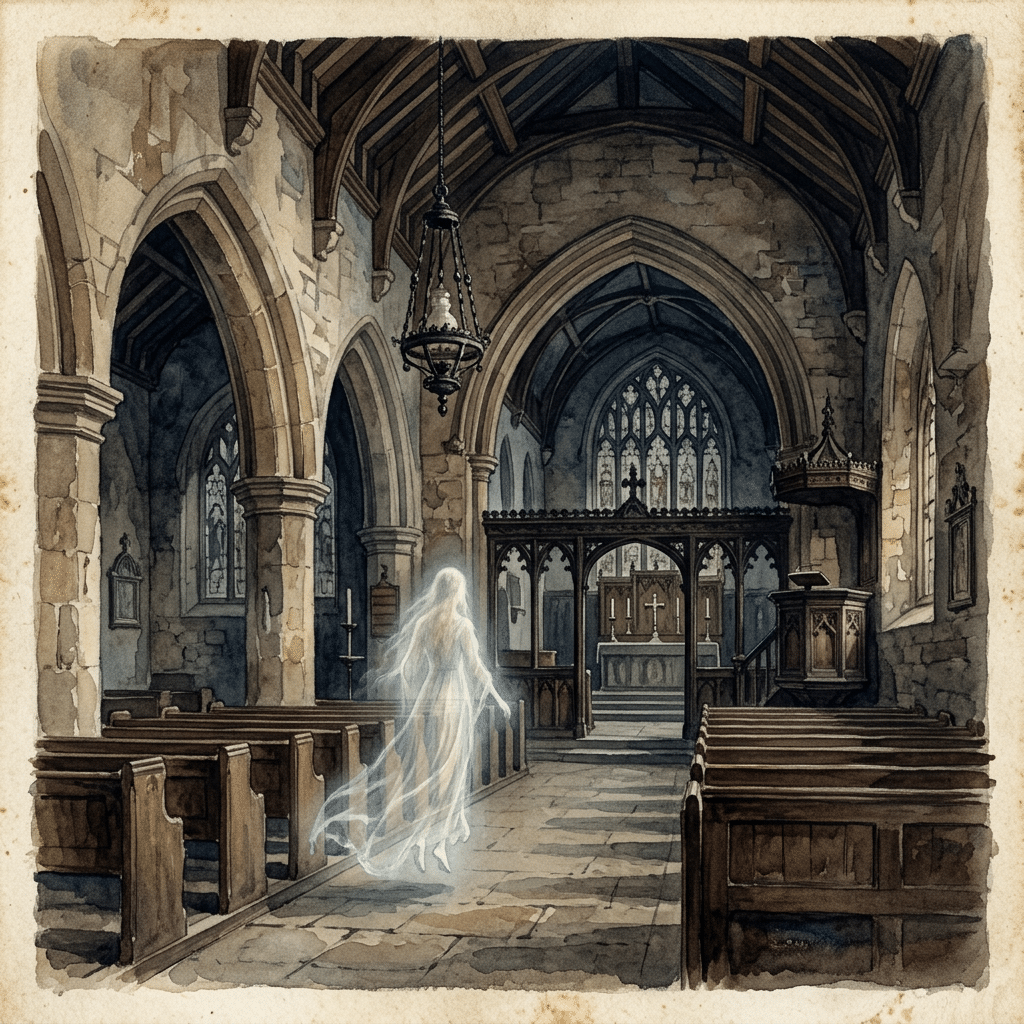
Many people are both fascinated and confused by the topic of paranormal research, especially the study of spirits and hauntings. Entering this mysterious world demands a measured approach that blends skepticism with an open mind. This harmony enables us to better comprehend these occurrences by utilizing historical accounts and scientific research.
Events that are paranormal are historical and worldwide phenomena that cut beyond national and cultural boundaries. Spirits are one of the most commonly reported paranormal entities; they are typically believed to be the essences of the deceased. There is a great deal of variation in these types of manifestations; they can vary from reassuring, protective presences to darker, potentially threatening creatures.

Hauntings
The concept of hauntings, which refers to the belief that ghosts or otherworldly entities reside in or frequent particular locations, is as old as human civilization. The idea of the dead interacting with the living has continually caught human imagination, from the ghost stories of ancient Egypt, Greece, and Rome to the spectral tales in medieval chronicles.
Due in large part to the high death rate and the growth of spiritualism, the Victorian age saw an especially intense interest in the paranormal. During this time, groups like the London-based Society for Psychical Research were founded with the goal of applying science to the study of paranormal phenomena.

Understanding
Research into the paranormal has many obstacles in the scientific community. The transient and irregular nature of hauntings and spirit sightings makes systematic research more challenging. However, scientists have looked into environmental elements that could cause sensations regarded as paranormal, such as ionized air, electromagnetic fields, and infrasound.
Understanding paranormal encounters also requires an understanding of psychological aspects. According to research, people may be more likely to detect paranormal events in specific mental states. For example, conditions such as sleep paralysis cause temporary immobility during the transition between sleep phases. These conditions are frequently accompanied by vivid hallucinations that, although they are natural, may be misinterpreted as experiences with the paranormal.
The media and culture have a significant impact on how people view the paranormal. Television, movies, and books have a tendency to make people more suggestible when they encounter unexplained events, which shapes how we perceive the paranormal. This emphasizes the value of approaching paranormal investigations critically and giving weight to logical explanations rather than paranormal interpretations.
The ongoing attraction of ghosts and hauntings, despite the challenges of scientifically verifying paranormal events, suggests deeper philosophical questions about existence, awareness, and the potential for an afterlife. Even if definitive scientific proof is still elusive, the accumulation of firsthand recollections, archived material, and current investigations fuels the never-ending hunt for solutions. In this inquiry, we can intelligently navigate the enigmatic terrains of the paranormal, promoting both caution and wonder, by striking a balance between skepticism and openness, and blending scientific methodologies with narrative testimonies.
Further Reading
Radford, B. (2007). Scientific Paranormal Investigation: How to Solve Unexplained Mysteries. Rhombus Publishing Company.
This book provides a comprehensive guide to investigating paranormal claims from a scientific viewpoint. Radford, an experienced paranormal investigator, explains the methods and tools used to examine claims critically and scientifically. This text is essential for readers interested in understanding how to apply scientific methodology to investigate and potentially debunk paranormal phenomena.
Mack, J. E. (1994). Abduction: Human Encounters with Aliens. Charles Scribner’s Sons.
John E. Mack, a Pulitzer Prize-winning biographer and Harvard Medical School professor, explores the mysterious and controversial subject of alien abduction. Mack’s work is a thorough psychological and phenomenological study of individuals who report alien encounters. This book is pivotal for anyone looking to delve into a complex, often-skeptically viewed area of paranormal research with a serious, academic approach.
Holzer, H. (1982). Ghosts: True Encounters with the World Beyond. Black Dog & Leventhal Publishers.
Hans Holzer, a pioneer in the field of the paranormal, offers an extensive collection of ghost stories and firsthand accounts. Holzer’s work is grounded in his investigations and provides a historical context for hauntings around the world. This book is recommended for its rich anecdotal content and its approach to understanding the cultural and historical significance of ghostly phenomena.

Leave a Reply