
There are many who believe that a race of legendary giants continues to live in the Solomon Islands, hidden from view.
The Solomon Islands, a South Pacific archipelago of about 1,000 islands, is renowned for its vibrant coral reefs, dense rainforests, and rich cultural legacy. This area is a veritable gold mine of myths and stories, especially those that center around giants, in addition to being a haven for fans of the wonderful outdoors. These tales intricately weave into the local culture, providing an intriguing perspective on the islanders’ customs and beliefs.
Giants
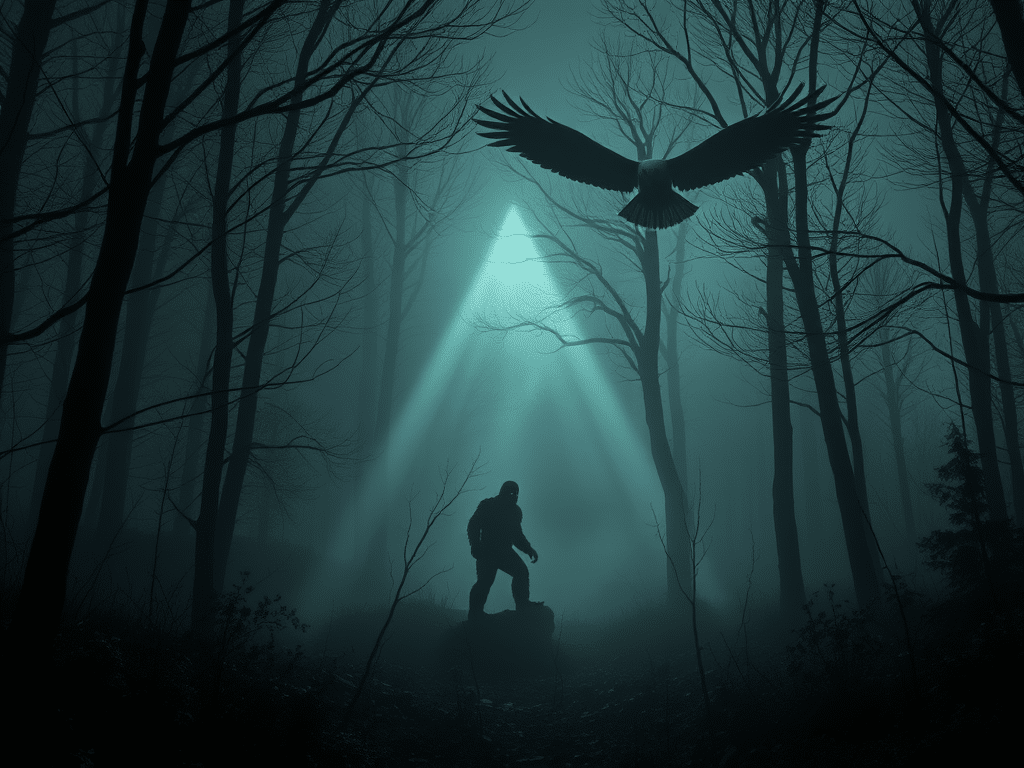
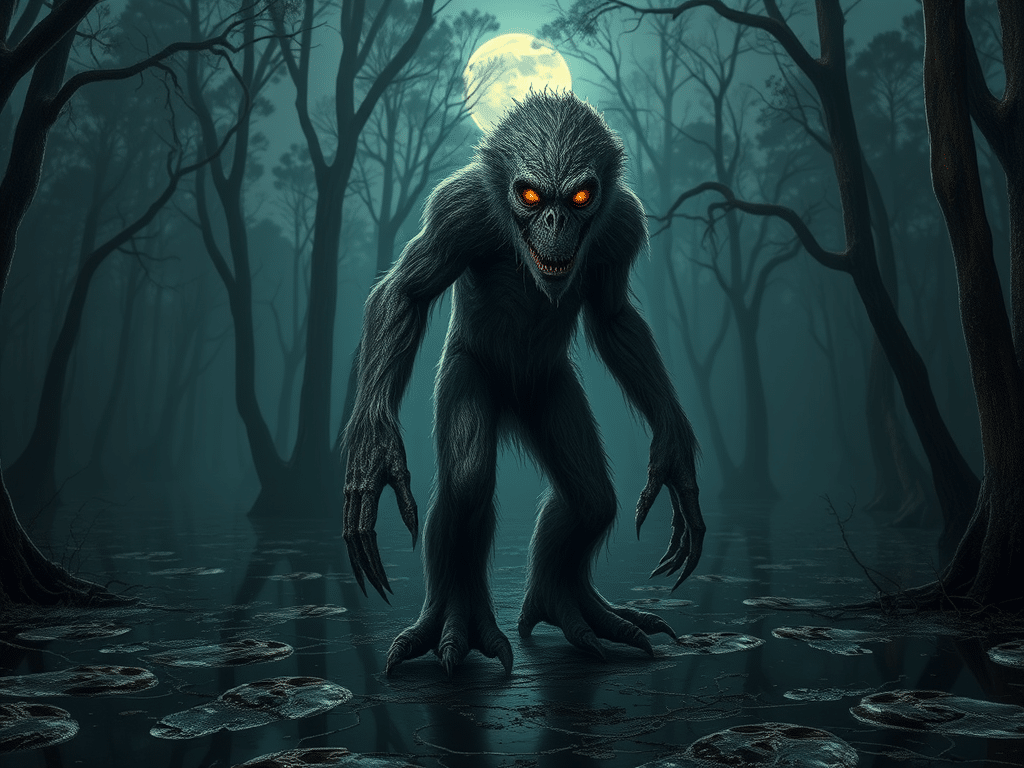
The stories of the Giants of Guadalcanal are some of the most well-known. The largest island in the Solomon Islands, Guadalcanal, is well-known for its untamed landscape, deep jungles, and lofty mountains. There were once giants on this island that could reach ten feet in height, according to local tales. Local tales described these giants as possessing a powerful, muscular frame and reddish-brown hair. It was thought that they were nocturnal creatures, only coming out of their habitats in the forest at night to hunt and gather food. In addition to being extremely strong, these giants were rumored to have otherworldly powers, including the ability to move soundlessly, in spite of their enormous size. Although there are many stories of meetings between the giants and the islanders, ranging from amicable discussions to violent fights, they were solitary beings by nature and avoided human contact.
Another well-known folktale about giants comes from the Western Province, specifically the Munda region. Before the Melanesian people arrived, the Munda Giants were thought to have been the original occupants of the area. People revered these enormous beings as the land’s protectors, keeping the natural balance and defending it against intruders. The locals treated these giants with a mixture of terror and reverence, frequently leaving offerings in an effort to win their favor.
Giants are believed to have once resided in a number of caverns in the Solomon Islands. One famous example is the Baniata Cave on Rendova Island. There is a legend that claims a giant spent ages residing in this cave. Although the traditions surrounding these caverns are mainly legendary, some archeological discoveries, such as enormous prehistoric artifacts and pottery, have sparked conjecture regarding the potential existence of a race of giants in antiquity. People often regard these caves as sacred sites.
Even in modern times, there are sporadic accounts from locals claiming to have seen or seen giants. These contemporary sightings keep giant stories alive and feed folklore. While some think the islanders’ vivid imaginations are the source of these tales, others think there may be some veracity to the legends.
Legends from the area claim that these enormous creatures live in the islands’ isolated caverns, hilly areas, and deep jungles. The harsh, mainly uncharted terrain of the Solomon Islands makes for an ideal setting for these kinds of tales. Many island residents believe that the giants fled to these remote locations in order to live in seclusion and avoid contact with humans.

Giant Folklore and Culture
The Solomon Islands’ vast mythology is part of a larger global fabric of legends. Giants, or Jotnar, were powerful creatures who frequently clashed with the gods in Norse mythology. According to Greek mythology, the Gigantes were a race of giants who engaged in a power struggle with the Olympian gods. According to Native American legends, North American forests are believed to be home to giants such as Bigfoot and Sasquatch. In many cultures, giants represent both creation and destruction as primordial powers of nature.
In the Solomon Islands, enormous folklore fulfills a number of crucial purposes. First and foremost, it serves to preserve ancestral’ and historical information. Island history frequently entwines with giant stories, providing a mythological framework for understanding the region’s and its people’s origins. Many believe that the Giants of Guadalcanal lived there before the Melanesian people arrived. This tale allows the islanders to maintain a sense of continuity with their ancestors and make connections with their past.
These myths are also crucial in upholding societal mores and conventions. People frequently portray the giants as the land’s protectors, emulating virtues like bravery, strength, and reverence for the natural world. The islanders underscore the value of these traits within their own communities. The stories provide moral lessons to the next generation, educating them about the ideals that their culture holds dear.
Moreover, the vast body of folklore cultivates a profound reverence for the environment. Typically, the giants are associated with specific, often revered natural features such as mountains, caves, and forests. For example, the residents of Baniata Cave on Rendova Island hold it in high regard because they think it was once home to a giant. Their religious connection to the land inspires the islanders to save and conserve their natural surroundings, ensuring the sustainability of their ecosystem.
Moreover, folklore fortifies ties throughout the group. In the Solomon Islands, sharing and passing down cultural legacies through storytelling is a communal activity. Huge legends, told during rituals, festivals, and get-togethers, foster the islanders’ sense of solidarity and shared identity. These stories, offering a shared cultural point of reference, unite the many populations spread throughout the archipelago.
Furthermore, because of their distinct cultural identity, the enormous folklore helps the Solomon Islanders stand out from other cultures. Their giants’ distinctive traits and stories, which are specific to their cultural setting, give them a sense of pride and individuality. In a globalized world where it is more and more necessary to preserve local customs and heritage, this cultural identity is essential.

Conclusion
Even in the present era, as the Solomon Islands modernize and evolve, the vast folklore still shapes the indigenous identity. The islanders can preserve their customs and values despite outside influences thanks to the legends, which serve as a source of cultural resilience. They act as a constant reminder of the significance of safeguarding the Solomon Islands’ rich cultural legacy for upcoming generations.
Like gigantic myths around the world, giant legends in the Solomon Islands are a reflection of a strong bond with the land and the ancestors. Whether or not these giants are only the stuff of legend, they continue to be a potent symbol in the Solomon Islands’ cultural narrative, signifying the people’s deep respect for their natural surroundings and rich storytelling heritage.
Further Reading
Dewhurst, R. (2013). The ancient giants who ruled america: The missing skeletons and the great smithsonian cover-up. New York, NY: Bear & Company.
This book delves into various legends and purported evidence of giants in ancient America. Dewhurst compiles numerous accounts and archaeological findings that suggest the existence of a race of giants. It is selected for its comprehensive exploration of giant myths across different cultures, providing a broad context that can help readers understand similar legends in the Solomon Islands.
Michell, J. (1972). The view over Atlantis. Garnstone Press.
While not exclusively about giants, John Michell’s work explores ancient myths, megaliths, and the idea of an advanced prehistoric civilization that included giants. Michell’s analysis of how giant legends fit into broader ancient mythologies makes this book a valuable resource for those interested in understanding the cultural and mythical significance of giants.
Heuvelmans, B. (1959). On the track of unknown animals. New York, NY: Hill and Wang.
Bernard Heuvelmans’ seminal work on cryptozoology includes discussions of hominid giants and other large, mysterious creatures. The book is selected for its scientific approach to investigating legends and sightings of giants, offering readers a perspective on how such myths can be studied within the context of cryptozoology and anthropology.


Leave a Reply