
The gold dragon is one of the most powerful and revered dragon types in legend and fantasy. People often portray gold dragons as noble creatures, symbolizing the pinnacle of dragonkind due to their reputation for intelligence, strength, and kindness. This essay describes gold dragons, how they interact with others, how they differ from other dragons, and their role in Dungeons & Dragons. It also discusses these dragons in literature and popular culture.

Description
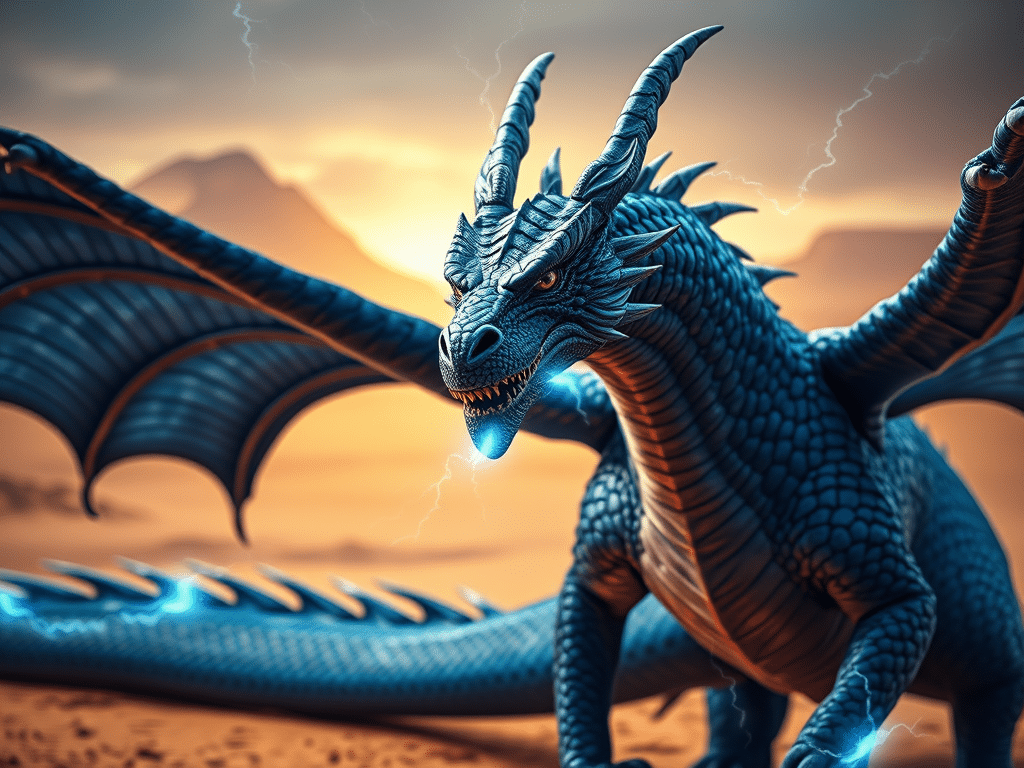
Usually depicted as powerful and amazing creatures, gold dragons have scales that shine and resemble molten metal. Their bodies are sleek and strong, and their wings are very big, which lets them fly through the sky with ease. People often associate gold dragons with intelligence and wisdom. They are also excellent at both magic and fighting. They can learn from other species and interact with them as humans, helping them appear smart and wise.
Aside from their amazing physical strength, gold dragons are also known for their amazing magical skills. They naturally know how to cast spells that are just as strong as those of powerful magicians, and they often specialize in protective magic and divination. Their breath weapon is a cone of fire, and they can also breathe weakened gas, demonstrating how versatile they are in battle.
The dragons in this story are known for being kind. They have a strong sense of right and wrong, unlike many other dragons, and often protect the innocent. They like to live in places that are far away and untouched, like mountains or huge woods, where the chaos of the world won’t bother them. They care about peace and often do what they can to keep their areas peaceful. When with other creatures, they prefer to teach and guide rather than dominate.
Social
Gold dragons tend to be loners, but they can get together in small groups to form families. They enjoy learning, and they often build large libraries inside their homes. They are also known for their love of wealth, especially things that have magical or historical value. They are very protective of these things. Chromatic dragons save money to gain power, but gold dragons collect treasures for their beauty and history, and they often give them to people who need them. Their dens are often full of old books, magical items, and beautiful works of art, which shows that they value culture and history.
The stages of a gold dragon’s life are especially interesting. When they come out of their eggs as wyrmlings, they are already very smart. As they grow older, they transition through various stages, including young, juvenile, adult, mature adult, old, very old, ancient, and great wyrms. Growth in size, strength, and intelligence marks each stage. Gold dragons often live for thousands of years, which gives them a lot of time to learn and gain experience, which adds to their image as wise and accurate.
People often use red or black dragons, commonly depicted as evil and dangerous, to highlight the differences between gold dragons. Gold dragons use their power for good, but red dragons are known for having short fuses and destroying things. Black dragons are often associated with swamps and decay due to their preference for chaos and damage. The difference between gold and multicolored dragons shows the age-old battle between righteousness and evil. Golds represent hope and righteousness.
Silver dragons and gold dragons have some things in common: they are both kind and want to protect others. Silver dragons, on the other hand, are more social and often interact with people, while gold dragons tend to stay away. This difference demonstrates how special gold dragons are as sages and guardians who work alone and care more about the world’s balance than about specific groups. People who need help with difficult moral or strategic problems frequently seek their advice.
Because they contribute to maintaining the universe’s balance, people often view gold dragons as protectors of order and good. An important part of keeping the world balanced is that they often fight against the plans of evil dragons and other wicked forces. This part of their nature is especially clear in many magical settings, where they may help paladins or give advice to beneficial leaders.

Popular Culture
Among the dragons in Dungeons & Dragons, gold dragons are one of the strongest and most feared types. People refer to them as silver dragons and portray them as virtuous individuals. When players encounter a gold dragon in the game, they can expect to meet a fair creature who may offer quests or advice instead of just fighting. When it comes to D&D, gold dragons are often wise teachers or guardians of powerful objects, giving players moral and strategic problems to solve. In epic stories, their knowledge and strength become extremely important in the fight against evil, demonstrating how important they are to the game’s lore. People say that these dragons honor bravery and do the right thing, and they often work with heroes to fight evil.
Gold dragons have evolved over time in various versions of Dungeons & Dragons. Their orientation has always been lawful, which shows that they care about order and kindness. Newer versions have equipped them with additional skills, such as the ability to transform into humanoid forms, facilitating their quiet interference in people’s lives.
Literature and pop culture frequently use gold dragons as symbols of ultimate power and wisdom. For instance, the Dragonlance series portrays gold dragons as intelligent and virtuous, frequently assuming pivotal roles in the conflict between good and evil. When they show up in these stories, they often represent hope and the possibility that humanity will win. In many stories, these good dragons are the final judges of right and wrong, tipping the scales in favor of the good.
In J.R.R. Tolkien’s legendarium, dragons like Smaug (red not gold) show how dragons usually are: they keep wealth, which shows how dangerous and appealing they are. Conversely, people believe that gold dragons safeguard balance and unity. Different media portrayals of gold dragons continue to inspire people with themes of fairness, bravery, and wisdom. Gold dragons have been important symbols in fantasy stories for a long time because they represent the victory of reason and morals over violence and oppression.
Conclusion
Gold dragons have had an impact on culture in areas other than magical books and games. Some East Asian societies associate golden dragons with wealth, wisdom, and the emperor’s power. Art, architecture, and folklore have used this link for hundreds of years, demonstrating the continued popularity of these mythical creatures across many countries.
When it comes to dragon lore, gold dragons are the most noble and powerful. The way they look, as well as the fact that they are smart and kind, make them stand out among the dragons. Whether they are in a book or a role-playing game, gold dragons continue to fascinate people. People see them as symbols of good triumphing over evil. In the world of mythology, these dragons are highly respected as guardians of immense riches, scholars, and people who learn.
References
Baker,R et al. (2009). Draconomicon: Metallic dragons. Renton, WA: Wizards of the Coast.
Collins, A., & Williams, S. (2003). Draconomicon: The book of dragons. Renton, WA: Wizards of the Coast.
Cooke, M., Noonan, D., & Williams, S. (2006). Player’s handbook II. Renton, WA: Wizards of the Coast.
Good Wives and Warriors. (2020). Dragons: Mythical beasts and their magical tales. Laurence King Publishing.
McArtor, M.(2009). Dragons revisited. Redmond, WA: Paizo Publishing.



Leave a Reply