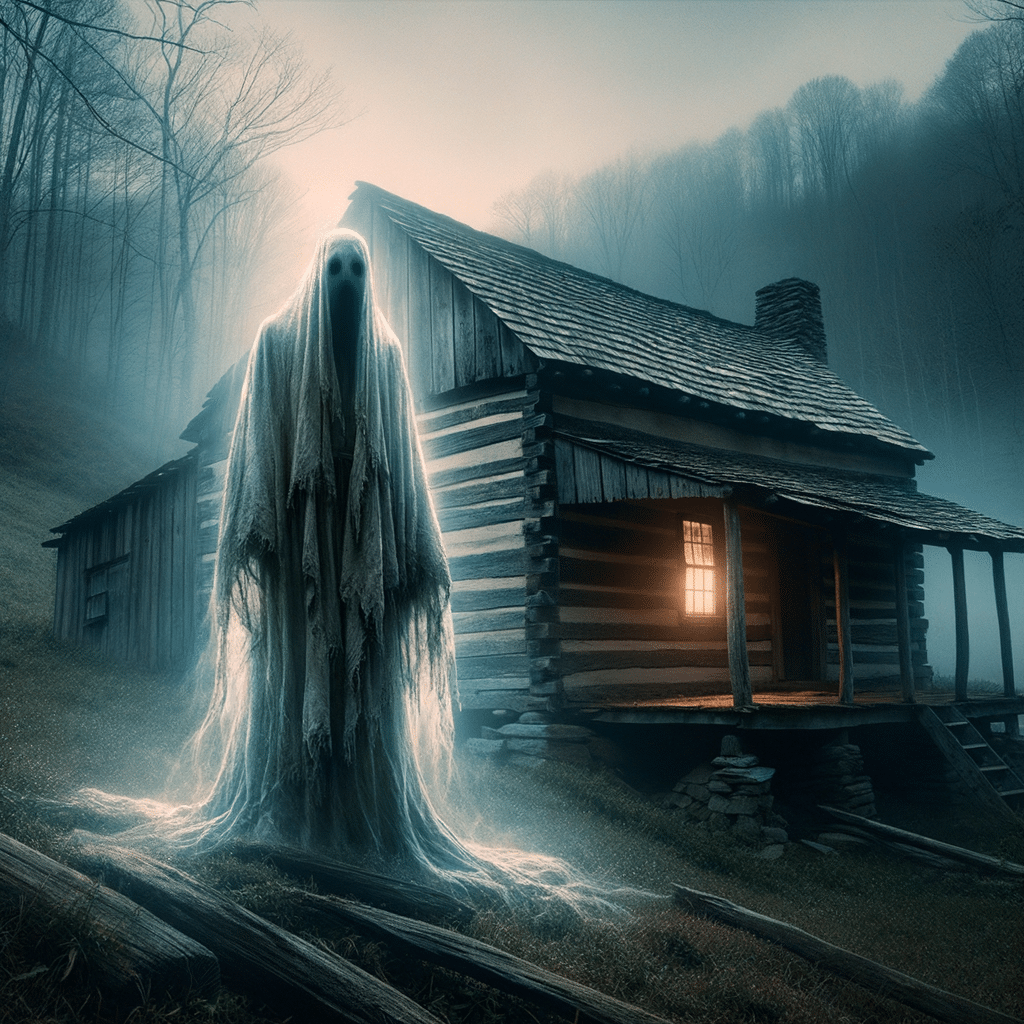
For millennia, the terrifying concept of the undead revenant has pervaded people’s dreams. This paranormal being, frequently depicted as a living ghost or animate corpse, rises from the dead to exact revenge or make amends for imagined transgressions. Revenants are much more terrifying because, unlike mindless zombies or ethereal spirits, they have a dreadful awareness and purpose. From ancient mythology to modern pop culture, the revenant has experienced continuous transformations, all while maintaining its core identity as a creature torn between life and death.

Description
Usually, portrayals of revenants depict them as hideous, partially decomposed corpses. Their pale skin stretches taut over protruding bones, while their sunken eyes flare with an otherworldly brightness. They can still have the injuries or deformities that caused them to pass away. Even in their deteriorating state, revenants frequently have superhuman fortitude. Depending on the specific legend, their motions might be either rigid and plodding or extraordinarily swift and graceful. An aura of cold that chills the living to the bone may surround them, and they may carry the stink of the grave with them (Buchan & Ives, 1986).
Revenants act with a single goal in mind, which is typically to exact revenge or make up for wrongs. They never give up on their objectives and will stop looking for people who have harmed them or their loved ones. It’s possible for resurrected individuals to pursue unresolved matters from their previous lives. Their corporeal existence, in contrast to ghosts, enables them to engage directly—and frequently violently—with the living world. Some traditions insist on killing revenants through specific rites, while another legend asserts that they can only rest after completing their mission (Ignatova, 2021).
There is a long history to the idea of the revenant, especially in European mythology. The Latin word “reveniens,” meaning “returning,” is the origin of the word itself. Medieval chronicles claim that revenants have risen from the dead to punish the living. These early stories sometimes blended in with vampire lore, as both monsters were believed to be undead creatures that preyed on the living.
Revenants Around the World
Different cultures have different perspectives on the concept of revenge. European folklore frequently viewed revenge-seeking revenants as a distortion of divine justice, particularly in the context of medieval Christianity. People were horrified by the notion that the deceased would rise again to exact retribution, viewing it as a disturbance of the natural order. Some stories, on the other hand, depicted revenants as just vengeful avengers who exacted revenge on those who had eluded earthly justice (Hornaday, 2002).
Scandinavian societies held a more complex perspective, particularly during the Viking Age. Although some sagas have draugars returning to protect their treasure or exact revenge, draugrs, a type of revenant, were more frequently driven by greed or malice than by a desire for vengeance. People occasionally interpreted this as an afterlife continuation of the Norse warrior culture (Caciola, 1996).
In Slavic legend, creatures such as the strzyga and vampire, before their romanticization, often acted out of hunger rather than retaliation. Nevertheless, other stories portray these creatures as hunting down particular people who have harmed them in life, fusing the ideas of predation and retaliation.
In Chinese tradition, there is a concept known as “hungry ghosts,” which are spirits motivated by injustices or unfulfilled wishes but not quite revenants. People frequently view these entities with a mix of sympathy and terror, performing rituals to placate them rather than annihilate them. Certain Native American traditions believe that poor burial customs or unresolved disagreements give rise to vengeful spirits. In contrast to pure retribution, the idea of revenge is sometimes associated with the notion of reestablishing equilibrium.

Modern Interpretations
Due to changes in cultural influences, storytelling styles, and societal norms, the way we interpret revenants today is significantly different from how we viewed them in the past. Traditionally, people viewed revenants as completely evil or deadly entities that required eradication. Contemporary versions often portray them as more nuanced, even sympathetic individuals. According to conventional wisdom, revenants were typically associated with certain places or people. Modern stories frequently portray them as possessing greater agency and objectives, occasionally operating on a larger scale (Gordon, 1988).
Modern revenants tend to have more of a human personality and goals, whereas previous revenants were usually mindless or just intent on vengeance. Classical portrayals highlighted the terrible, decaying physical appearance of revenants. Modern interpretations occasionally soften this, making revenants more beautiful or human-like in certain situations.
Traditional stories typically viewed revenants as threats to eliminate or as problems to solve. Contemporary stories may portray them as anti-heroes or explore themes of atonement and resolution. Modern interpretations frequently combine supernatural ideas or other legendary creatures with revenant tales to create hybrid beings who weren’t part of conventional mythology.
Contemporary fiction often uses revenants as metaphors for existential dilemmas, psychological problems, or social challenges, adding layers of depth not found in traditional storytelling. Traditional perspectives were culturally limited, while contemporary interpretations frequently incorporate aspects from many cultural traditions to provide more universal pictures of revenants.
Due to international cultural interchange, modern portrayals of vengeful revenants frequently take a more sympathetic stance. Sometimes, people portray them as tragic characters, interpreting their drive for retribution as cosmic justice or as a lesson on the terrible nature of revenge. Scholars are looking for redeeming qualities.
Contemporary interpretations have expanded upon the concept of the revenant, yet it remains fundamental. Modern fiction frequently portrays revenants as tragic characters, not intrinsically wicked, but driven by a horrific goal. Despite not being supernatural, the 2015 movie “The Revenant” centers on the idea of a man who, having nearly died, comes back to seek justice. Fantasy books and video games typically portray revenants as strong undead creatures, occasionally portraying them as nuanced antagonists or anti-heroes. Psychological horror has also tackled this idea, using the revenant as a symbol of remorse or unresolved trauma.
Conclusion
The revenant’s eternal appeal stems from its ability to capture the deepest wants and anxieties of humanity. It stands for the fear of the unknown and death, the shame of past transgressions, and the universal need for justice. The revenant, a creature that defies nature, challenges our understanding of life and death and prompts us to contemplate the potential for life beyond death. This ghost, whether viewed as a terrible creature or a tragic individual, never fails to capture our imagination. He reminds us that human will survives death and that the past can influence the present.
References
Buchan, D., & Ives, E. D. (1986). Tale roles and revenants: A morphology of ghosts. Western Folklore, 45(2), 143-160.
Caciola, N. (1996). Wraiths, revenants and ritual in medieval culture. Past & Present, (152), 3-45.
Gordon, J. (1988). Rehabilitating revenants, or sympathetic vampires in recent fiction. Extrapolation, 29(3), 227-234.
Hornaday, A. G. (2002, April). Visitors from another space: The medieval revenant as foreigner. In Meeting the foreign in the middle ages (pp. 71-95). Routledge.
Ignatova, P. (2021). The Undead: Ghosts and Revenants. A companion to death, burial, and remembrance in late Medieval and early modern Europe c. 1300-1700, 418-438.


Leave a Reply