
In mythology, both ghouls and zombies are undead monsters. Although people tend to use the same terms to describe them, these are distinct kinds of monsters.
Many civilizations around the world have a plethora of supernatural creatures in their folklore and mythology, with ghouls and zombies being particularly prevalent. Despite their combined classification as “undead”, these two creatures exhibit distinct traits, origins, cultural influences, and popular culture depictions. This movie will provide an in-depth analysis of ghouls and zombies, encompassing their histories, descriptions, advantages and disadvantages, and their significant influence on popular culture.
Ghouls
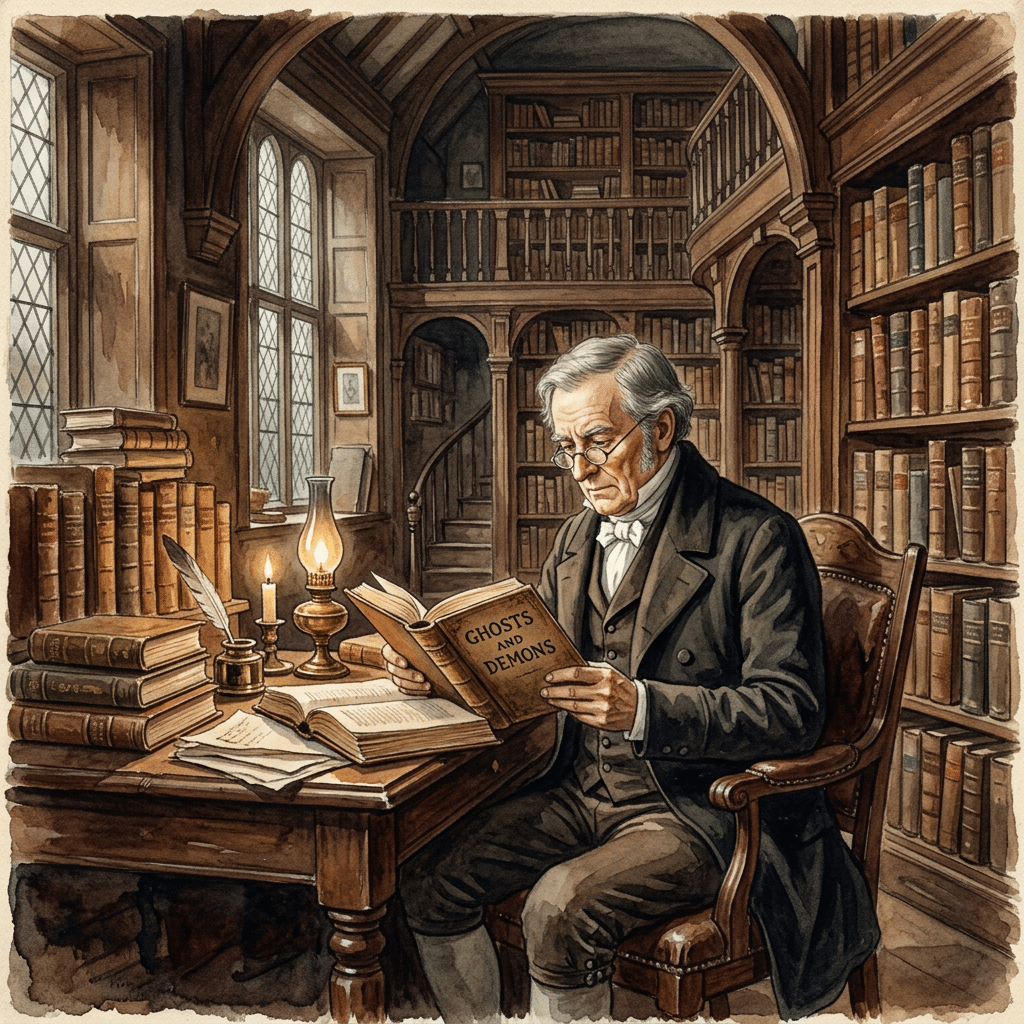
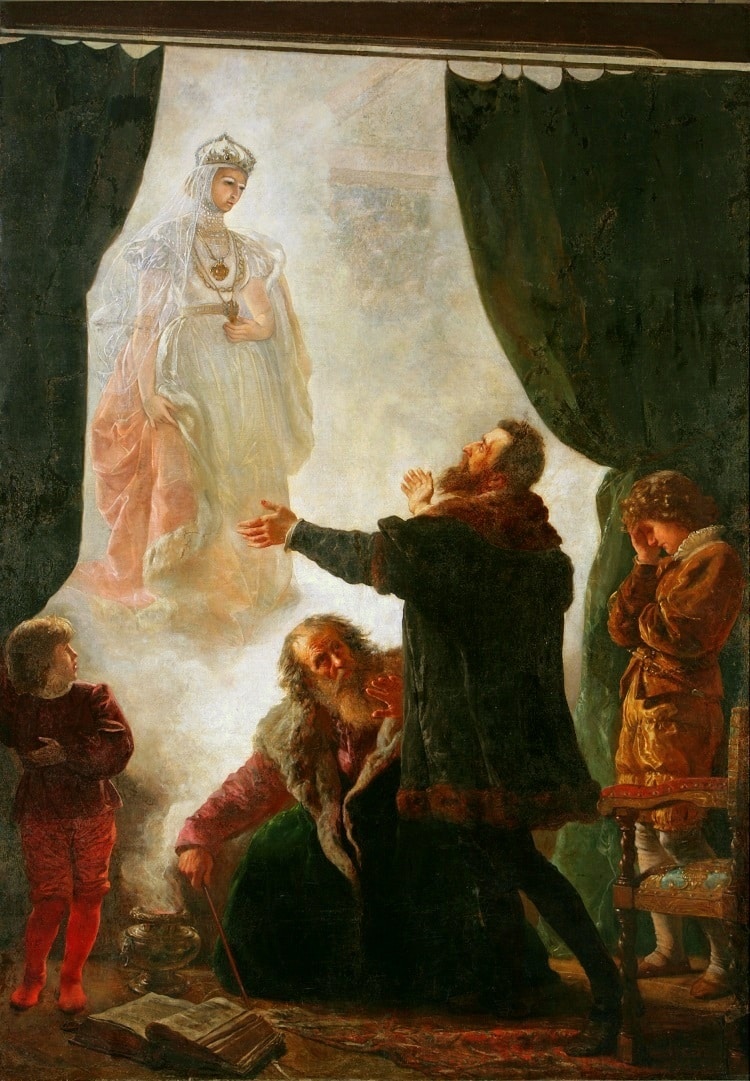
People describe ghouls as hideous, undead creatures that consume human flesh. Characters sometimes portray these beings with demonic or monstrous characteristics, such as pale skin, lengthy limbs, glowing eyes, and an odd-looking visage. They live in abandoned areas or graveyards, waiting to prey on gullible people. Interestingly, ghouls are renowned for their capacity to change their shape and take on the appearance of the victims they devour.
Islamic mythology deeply roots ghouls in pre-Islamic Arabian culture. “One Thousand and One Nights” first mentioned them as shape-shifting, desert-dwelling devils who enjoyed eating human flesh. Ghouls first appeared in Western horror literature and folklore in the eighteenth century, when Antoine Galland translated “One Thousand and One Nights,” introducing the concept of ghouls to the West.
Ghouls are known for their physical prowess, capacity for shape-shifting, immortality or extraordinarily extended lifespans, and occasionally differing degrees of intelligence. There is also some lore that indicates they are magical beings. However, ghouls do have a few drawbacks and are not unbeatable. People frequently regard religious objects, rituals, and symbols as effective disincentives. Furthermore, most depictions of ghouls depict them as nocturnal creatures, their activity severely limited by sunlight.

Zombies
However, the conventional portrayal of zombies is that of reanimated corpses lacking minds and free agency. Popular culture views them as degenerated versions of their previous human selves, blindly drawn to devour human flesh, especially brains.
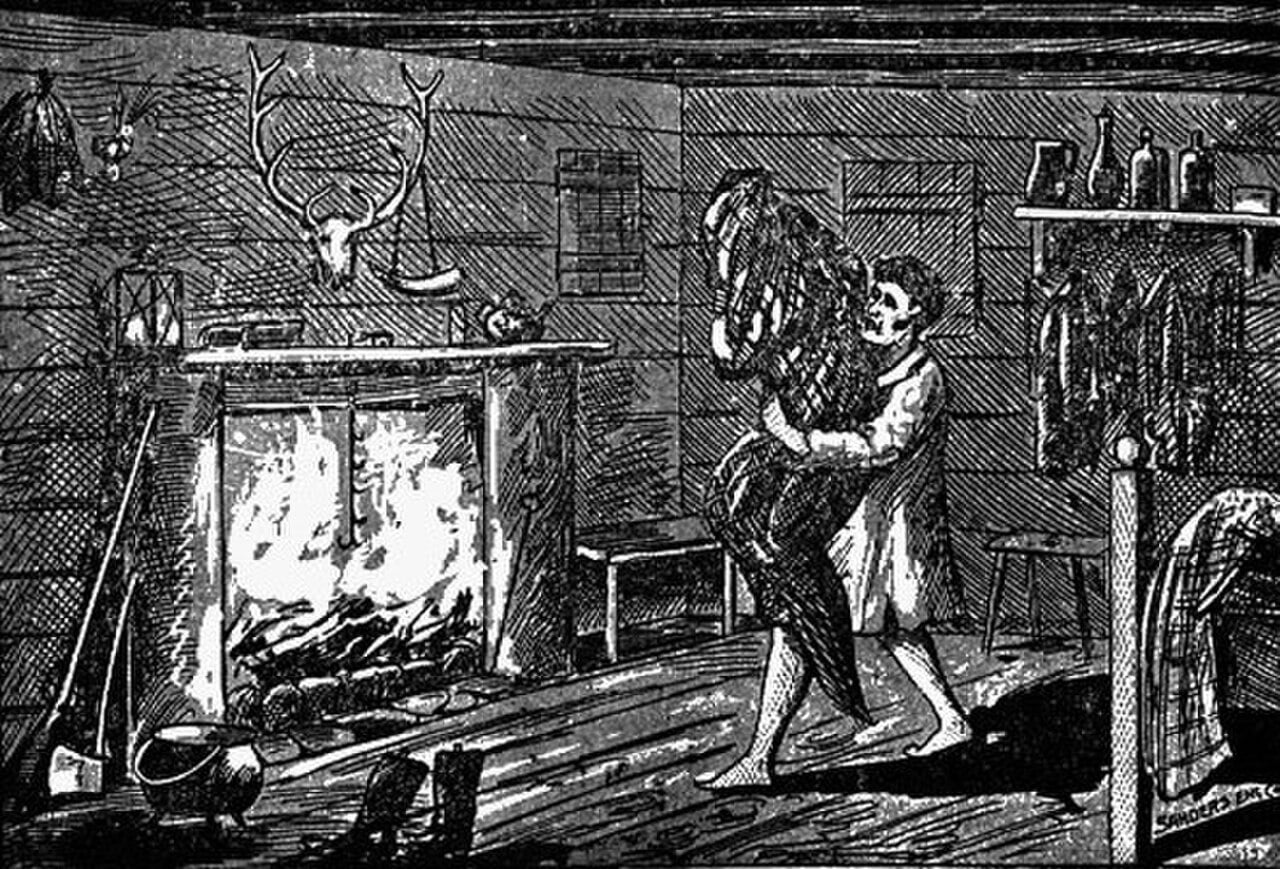
In Haitian Voodoo culture, a bokor, a type of priest or priestess, usually brings dead people back to life, either for their own benefit or as a form of forced labor, giving rise to zombies, as opposed to ghouls. Rather than possessing intelligence, zombies rely on instinctual motivations, often lacking the cunning often associated with ghouls.
The fundamental advantage of zombies lies in their apparent invincibility—that is, until their brains undergo destruction. Though they do not share the ghouls’ sensitivity to sunlight or religious symbols, they are frequently shown to be slow-moving, and their lack of consciousness or free will can be seen as a serious shortcoming.
Impact
Both zombies and ghouls have had a significant impact on popular culture, influencing music, movies, video games, and literature. Stories like H.P. Lovecraft’s Pickman’s Model, movies like Night of the Living Dead, and video games like the Fallout series have all included ghouls. The heavy metal band Ghoul demonstrates how the creature’s influence extends beyond the visual arts.
In contrast, zombies have taken center stage in a number of horror movies, such as George A. Romero’s Night of the Living Dead and well-liked television shows like The Walking Dead. In video games, they are also a mainstay in series like Resident Evil and Plants vs. Zombies.
Contemporary popular culture frequently muddles the distinctions between ghouls and zombies, with some tales mixing or switching up their attributes. Generally, the distinction between zombies and ghouls remains, with zombies depicted as mindless, instinct-driven creatures, and ghouls associated with a level of intelligence and predatory cunning.
Dungeons and Dragons
Role-playing games have long served as a medium for delving into and emphasizing the distinctive qualities of a wide range of supernatural beings. In this sense, Dungeons and Dragons stand out in particular. It is a classic tabletop game that has skillfully integrated the differences between ghouls and zombies into its engaging gameplay mechanics.
The vast Dungeons & Dragons universe transports players to magical worlds where they assume the roles of daring explorers on perilous missions. These daring warriors frequently come across a variety of fearsome foes on their travels, such as zombies and ghouls.
The fine distinction between these undead creatures that Dungeons and Dragons makes sets it apart from other role-playing games. With their decaying bodies and ravenous appetites for human flesh, ghouls are able to ambush unsuspecting victims with deadly accuracy due to their clever minds. In contrast, zombies are mindless, reanimated corpses motivated only by primal instincts.
The game’s designers cleverly incorporated these differences into the core gameplay elements. For example, players need to use strategy when facing off against ghouls in battle to take advantage of their weaknesses, including their susceptibility to sunlight or silver weapons. Alternatively, because zombies are a relentless species, fighting against them requires more stamina than skill.
Furthermore, by going deeper into the narrative surrounding these animals, Dungeons and Dragons transcend simple surface differences. The game incorporates rich backstories for both zombies and ghouls, thereby enhancing player enjoyment.
Conclusion
We can study ghouls and zombies separately to gain a unique perspective on the communities from which they originated. Even though they are both considered “undead,” their disparities in origins, skills, behavior, and cultural representations set them apart as intriguing subjects of research in the field of supernatural folklore. They continue to represent and mold our most profound phobias and worries due to their enduring existence and development in popular culture.
References
Al-Rawi, A. (2009). The mythical ghoul in Arabic culture. Cultural Analysis, 8, 45-69.
Elnaili, S. (2019). Mythical Ghouls as Supernatural Aids: An Analytical Discussion of the Ghoul in Libyan Folktale. International Journal of Language and Literature, 7(1), 48-53.
Kirk, R. (2007). Zombies and consciousness. Oxford University Press.
Luckhurst, R. (2015). Zombies: A cultural history. Reaktion Books.
Nugent, C., Berdine, G., & Nugent, K. (2018, April). The undead in culture and science. In Baylor University Medical Center Proceedings (Vol. 31, No. 2, pp. 244-249). Taylor & Francis.

Leave a Reply