
Some of the most terrifying characters in South Asian supernatural fiction are pisachas, the flesh-eating spirits of Hindu and Buddhist mythology. In the hierarchy of spirits, these evil entities hold a special place between demons and ghosts, representing the worst qualities of both. They still play a large role in Indian and Southeast Asian culture.

Description
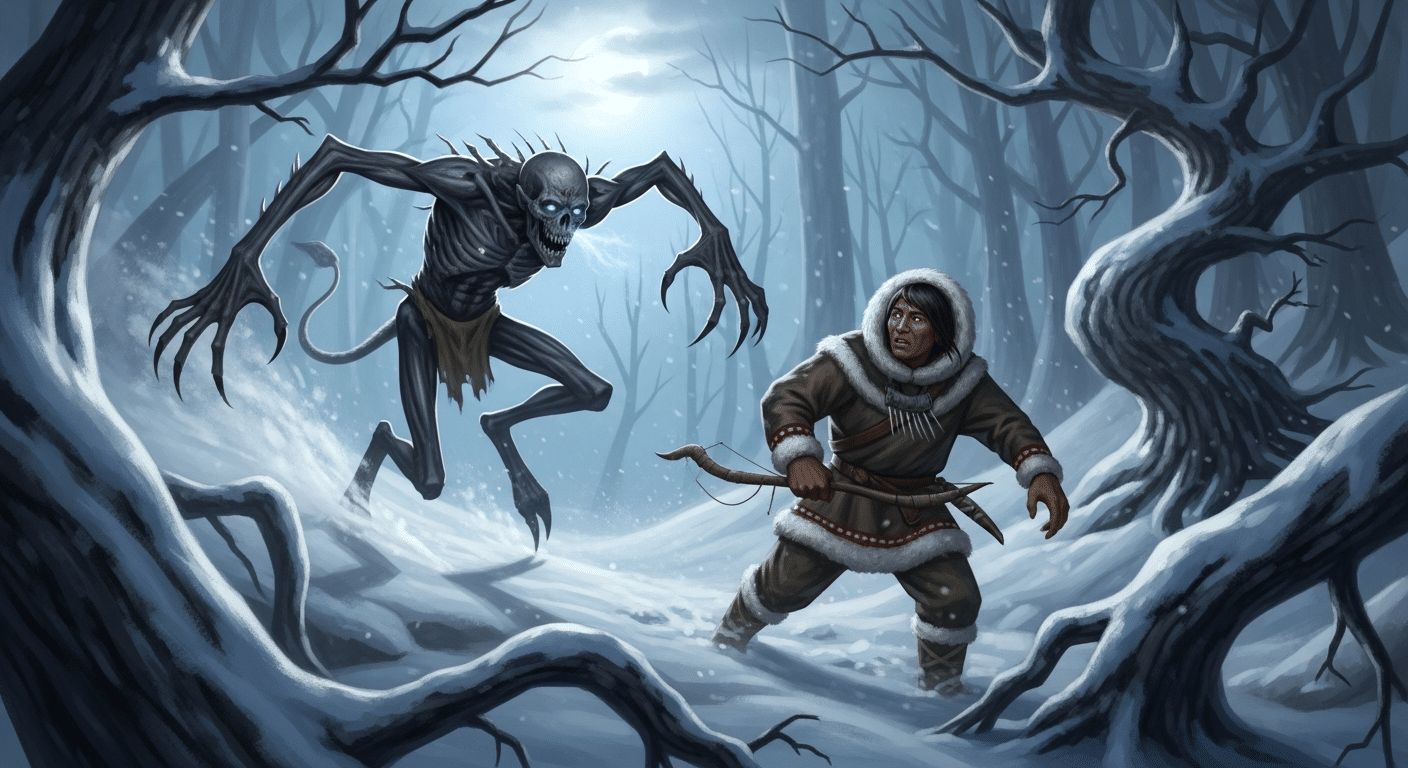
Pisachas are characterized as hideous and terrifying beings in their physical form. Traditional sources describe them with coarse, bristly hair covering their bodies, protruding crimson eyes, and black, smoky complexions. Traditional sources describe them as tall and thin, their twisted lips displaying long, pointed fangs. A sense of decay often envelops them, and their fingers end in razor-sharp claws. Some reports claim that they have the capacity to change their shape, despite their actual form being considered disgusting and terrifying (Fuller, 1965).
Pisachas are known for their ravenous appetite for human flesh and propensity to haunt battlefields and cremation sites. The stench of rotting flesh and blood especially attracts them, and they are known to consume dead people. People believe that these ghosts possess them, driving them insane and compelling them to behave in unsettling ways. People also believe that these ghosts spread illness among their victims and are associated with various ailments (McClintock, 1990).
According to ancient Hindu traditions, the creator god Brahma’s wrath is the source of pisachas. Some stories claim that pisachas were once humans who lived extremely depraved lifestyles, while others assert that his divine wrath formed them. Buddhist scriptures sometimes describe them as formed from the souls of people who committed horrific crimes in their past lives, particularly those who indulged in extreme forms of greed or cannibalism.

Pisacha Rituals
South Asian traditional cultures established numerous safeguards against pisachas, ranging from straightforward everyday routines to intricate ceremonial rites. South Asian traditional cultures developed these defensive techniques over ages and continue to use them in various ways today. These rituals can still evolve.
One of the most popular everyday safeguards involves the use of natural components believed to ward off these evil spirits. Placing iron objects at doors creates a barrier of protection that pisachas cannot cross, while burning mustard seeds and turmeric emits smoke believed to repel them. Many households continue to sprinkle salt around living areas and maintain immaculate surroundings, believing that dirt and decay attract pisachas. People frequently wear amulets engraved with Neem leaves or mantras near their bodies as a form of personal protection (Mukherjee, 2019).
Traditional homes commonly draw Rangoli patterns at their thresholds, particularly during festivals or other auspicious occasions. People believe that these elaborate geometric patterns create a spiritual barrier that pisachas cannot pass through. The patterns frequently incorporate certain forms and symbols believed to be particularly effective against supernatural beings.
More intricate ritualistic defenses involve complex rites and require the supervision of religious practitioners. One of the most effective ways to fend off pisachas is to recite Sanskrit mantras, especially those that invoke Lord Shiva. The purpose of homa ceremonies is to surround homes and communities with a spiritual shield through sacred fire rites using particular herbs and donations. Certain customs create a protective border on a property by placing blessed coconuts at strategic points.
Another essential component of spiritual defense is regular temple gifts to guardian deities. These sacrifices preserve a relationship with benevolent celestial spirits that can protect against pisachas. Furthermore, it is seen to be crucial to complete shraddha ceremonies (rituals for the deceased) correctly in order to guarantee that departed family members find peace and avoid becoming pisachas themselves, which is said to happen to those whose death rites are disregarded (Obeyesekere, 1969).
Evolution of the Pisacha
The idea of pisachas has changed dramatically throughout time. Ancient writings described them as strong supernatural creatures that even gods had to deal with. Medieval literature began to strongly link them to tantric and black magic activities, where sorcerers used them as instruments and objects of horror. Contemporary interpretations have somewhat domesticated pisachas, frequently portraying them as generic ghosts or bad spirits in popular culture. Modern Hindu and Buddhist religious rituals still recognize their existence, but they typically view them as warning stories about the consequences of immoral behavior rather than as imminent supernatural dangers.
In popular culture, pisachas have changed significantly, especially in contemporary South Asian literature and entertainment media. From just frightful supernatural beings to more complex and occasionally even likeable people, their representation has changed over time. These creatures can drive plots (Mukhopadhyay, 2023).
Modern Bollywood and regional Indian films routinely use pisachas as stock horror characters, despite regularly combining their traditional traits with aspects of Western ghost tales. Instead of depicting them as the flesh-eating monsters of ancient literature, films often simplify their complicated mythological background by portraying them as malevolent spirits or cursed beings. Some films even romanticize these ghosts, incorporating them into supernatural romances and portraying them as misunderstood creatures in need of atonement.
Contemporary fiction, particularly in the urban fantasy genre, imaginatively reinvents pisachas. Typically, writers portray them as mindless, evil beings, but some also depict them as anti-heroes or complex villains with intricate backstories. Comic books and graphic novels frequently portray them as strong supernatural creatures, occasionally teaming up with heroes to battle more formidable foes and integrating them into wider supernatural universes.
Video games, particularly those based on South Asian mythology, have transformed Pisachas into boss characters or difficult enemies. While downplaying their more horrific conventional elements, these digital representations frequently highlight their shapeshifting abilities and otherworldly powers. Indian mythology-themed mobile games and applications occasionally include Pisachas as characters that players can control or even fight.
Social media and internet culture have further altered the Pisacha tale, as evidenced by the appearance of these creatures in digital content, creepypasta stories, and online art. In order to create fresh stories that appeal to younger audiences while retaining tenuous ties to their mythological roots, modern interpretations frequently combine old Pisacha legends with modern urban legends.
Conclusion
The transformation of pisachas from terrifying ancient beings to contemporary cultural icons is indicative of broader shifts in how society views the paranormal. They continue to play significant roles in South Asian mythology and folklore, but their shift from actual threats to symbolic cautions shows how conventional supernatural beliefs can change with the times while maintaining their central theme of morality and the results of human deeds.
References
Fuller, M. (1965). “The Naming of Names” in Indian Folk Belief. Asian Folklore Studies, 24(1), 63-79.
McClintock, W. (1990). Demons and ghosts in Indian folklore. Missiology, 18(1), 37-47.
Mukherjee, N. (2019). Myths of Kashmir: Discourses on myth, legends and miraculous facts in Kashmir history. IAHRW International Journal of Social Sciences Review, 7(5), 1007-1011.
Mukhopadhyay, D. (2023). Indian Vampires: Spliced and Co-opted. In The Palgrave Handbook of the Vampire (pp. 1-16). Cham: Springer International Publishing.
Obeyesekere, G. (1969). The ritual drama of the Sanni demons: collective representations of disease in Ceylon. Comparative Studies in Society and History, 11(2), 174-216.
Leave a Reply