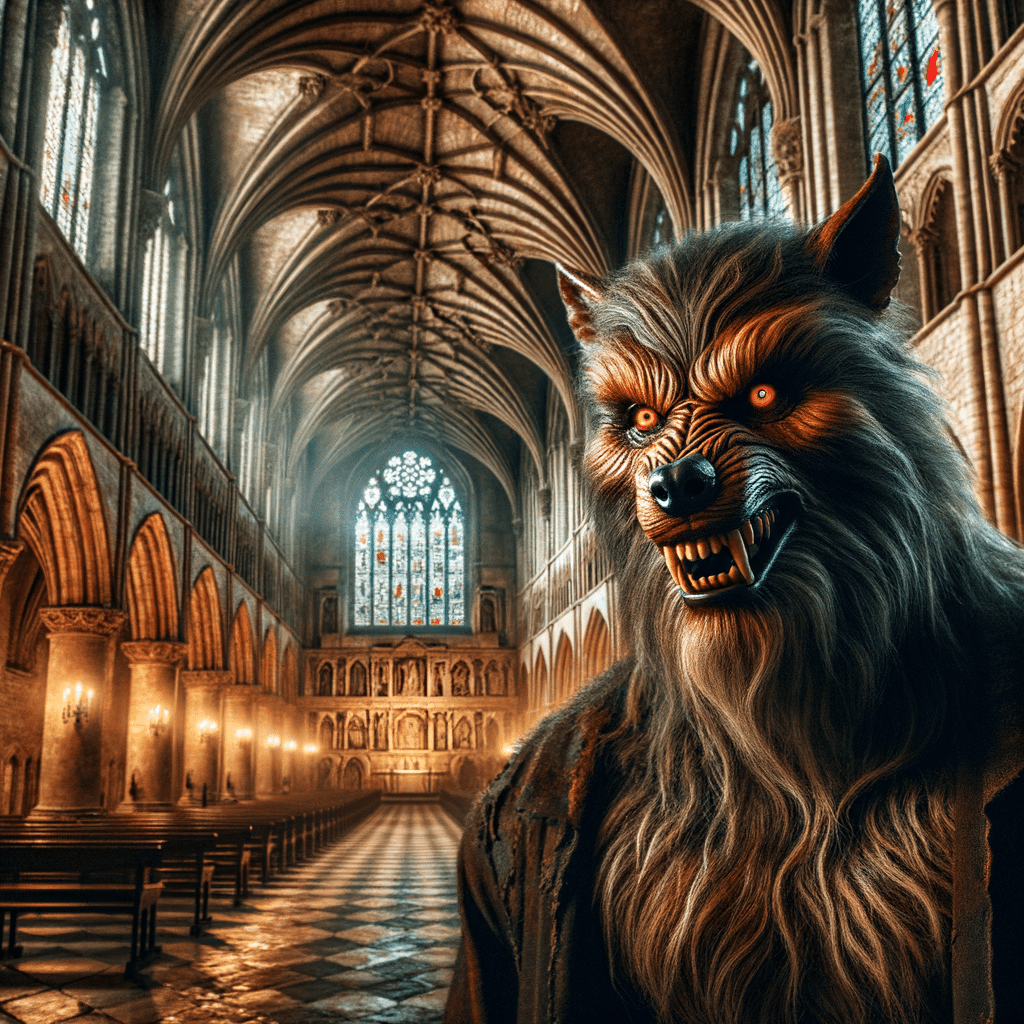
Throughout human history, tales of terrifying transformations have captivated our collective imagination, blurring the line between reality and fantasy. The werewolf—a human capable of morphing into a wolf-like creature—stands as perhaps the most enduring of these supernatural beings, haunting our stories for millennia. These legends have persisted across continents and civilizations, evolving alongside humanity yet maintaining their core element of terror. Like other cryptids such as Bigfoot, werewolves occupy that tantalizing space between rational dismissal and the persistent whisper that perhaps, in the darkest corners of our world, something unexplainable awaits discovery. The endurance of werewolf mythology speaks to something fundamental in human psychology—our fascination with transformation, our fear of losing control, and our complex relationship with the natural world that once threatened our very existence.

Origins of Werewolf Lore
The earliest recorded werewolf tales emerge from ancient civilizations, with Mesopotamian texts describing shape-shifting beings and the Epic of Gilgamesh referencing a wolf lover who transforms men into animals. In Greek mythology, the story of King Lycaon, punished by Zeus and transformed into a wolf for serving human flesh at a banquet, gave us the term lycanthropy. Roman writers like Ovid and Pliny the Elder documented supposed werewolf sightings, treating them as curious but potentially real phenomena. These ancient accounts reveal how deeply the fear of the wild—embodied by wolves—penetrated human consciousness, representing the terrifying unknown that lurked beyond the safety of civilization’s boundaries. The prominence of wolves in these early stories was no coincidence; as apex predators that hunted in organized packs and whose howls pierced the night, wolves represented nature’s most direct threat to early human settlements and their precious livestock (Stebbins, 2017).
As centuries passed, werewolf mythology evolved significantly across European landscapes, particularly taking root during the Middle Ages when superstition and religious fervor painted these creatures as agents of Satan. The 16th and 17th centuries witnessed numerous werewolf trials, running parallel to witch persecutions, where accused individuals confessed—often under torture—to transforming into wolves and committing horrific acts. During this period, werewolves became increasingly associated with the full moon, silver vulnerability, and contagious transformation through bites—elements missing from earlier legends. The Renaissance period solidified many of these characteristics into the werewolf archetype that would endure into modern depictions, while also introducing more skeptical perspectives questioning the reality of such transformations. The notorious case of Peter Stumpp, executed in 1589 Germany after confessing to werewolfism and numerous murders, exemplifies how these beliefs manifested in genuine social terror and judicial responses, blending supernatural fear with very real human violence (Beresford, 2013).
The dogman—a cryptid similar to the werewolf but described as permanently bipedal with a wolf-like head—represents a fascinating offshoot of werewolf mythology. First reported in modern terms in 1887 in Michigan, dogman sightings persist across North America, described by witnesses as seven-foot-tall, muscular creatures with canine heads and sometimes glowing eyes. Unlike traditional werewolves, dogmen don’t transform from humans and seem to exist as distinct entities, more akin to unknown species than cursed individuals. The persistence of dogman reports, particularly concentrated in wooded areas of the Midwest, demonstrates how werewolf-adjacent mythology continues to evolve and adapt to contemporary contexts while maintaining its power to frighten. The Beast of Bray Road incidents in Wisconsin during the late 1980s and early 1990s revitalized interest in dogman phenomena, with multiple witnesses reporting encounters with a large, wolf-headed bipedal creature along rural roads, suggesting that whatever inspires these sightings continues to operate in our modern world.
When examining possible scientific explanations for werewolf legends, several medical conditions offer intriguing possibilities that may have contributed to these persistent myths. Clinical lycanthropy, a rare psychiatric syndrome where individuals believe they can transform into animals, could explain some historical accounts of werewolves who genuinely believed in their own transformations. Porphyria, a group of disorders affecting hemoglobin production, causes symptoms including extreme sensitivity to sunlight, reddish teeth and gums, and excessive hair growth—physical traits that might have marked sufferers as werewolves in superstitious times. Hypertrichosis, sometimes called werewolf syndrome, causes abnormal hair growth across the body, creating a striking wolf-like appearance that could easily feed into werewolf mythology in pre-scientific societies. Cases like that of Petrus Gonsalvus in the 16th century, born with congenital hypertrichosis and displayed at royal courts across Europe as a wild man, demonstrate how medical conditions could directly inspire werewolf-like imagery in historical contexts (Bartra, 2024).
Cryptozoology and Cryptids
Like werewolves, the legendary kraken demonstrates humanity’s tendency to mythologize the unknown depths—in this case, the ocean rather than forests. Norse sailors described massive, tentacled beasts capable of dragging entire ships beneath the waves, creating stories that persisted for centuries. Modern science recognizes that giant squid and colossal squid do exist, growing to lengths of up to 43 feet, suggesting that kraken legends, while exaggerated, had some basis in reality. This pattern of exaggerating actual phenomena applies across cryptozoology, including werewolf legends—where real wolves, rabid animals, or people with unusual conditions may have inspired supernatural explanations in pre-scientific societies lacking alternative frameworks to understand unusual occurrences. The discovery of previously dismissed creatures like the giant squid reminds us that absence of evidence isn’t necessarily evidence of absence, a principle that cryptid enthusiasts often apply to werewolves and similar legendary beings (Dendle, 2006).
The persistent claims of living dinosaurs—from the Loch Ness Monster to Mokele-mbembe in the Congo Basin—parallel werewolf legends in revealing humanity’s fascination with the possibility that ancient, terrifying creatures might still exist in remote corners of our world. Despite the scientific consensus that non-avian dinosaurs went extinct approximately 66 million years ago, reports of dinosaur-like creatures persist, particularly from regions with limited scientific exploration. These claims, like werewolf sightings, typically lack compelling evidence but continue through eyewitness accounts, blurry photographs, and cultural traditions. The psychological appeal of living dinosaurs mirrors that of werewolves—both represent primal fears made manifest, reminding us that nature once produced monsters far more terrifying than anything in our modern experience. The coelacanth fish, thought extinct for 65 million years until discovered alive in 1938, serves as a tantalizing example of how presumed-extinct creatures can occasionally surprise science, fueling hope among cryptozoologists searching for more dramatic survivors from prehistoric times.

Impact
Werewolves have maintained an extraordinary grip on popular culture, evolving from objects of genuine terror to complex symbols of transformation and human duality. Films like An American Werewolf in London revolutionized the visual portrayal of werewolf transformation, using groundbreaking special effects to depict the agonizing physical metamorphosis that has become central to modern werewolf mythology. The Wolfman, from its 1941 original to its 2010 remake, cemented the image of the reluctant werewolf—a tragic figure cursed rather than evil by nature. Television series like Teen Wolf have further developed werewolf mythology, often using lycanthropy as a metaphor for puberty, addiction, or other transformative experiences that reshape identity. This psychological depth has elevated werewolves beyond simple monsters to complex symbols of human nature’s duality. Literature has similarly embraced werewolves’ metaphorical potential; works like Angela Carter’s The Company of Wolves reinterpret traditional werewolf stories through feminist perspectives, exploring themes of sexual awakening and female empowerment through lycanthropic transformation (Mann, 2020).
The environmental context of werewolf legends reveals how these myths often flourished in regions where human settlements bordered wilderness areas with active wolf populations. Medieval Europe’s extensive forests harbored actual wolf packs that occasionally attacked livestock and, in rare cases, humans during harsh winters or famine conditions. These very real threats from actual wolves provided the foundation upon which supernatural werewolf legends could build and thrive. As European colonists brought these fears to North America, Native American shapeshifter legends—such as the skinwalkers of Navajo tradition—often merged with European werewolf concepts, creating hybrid mythologies that reflected cultural exchange and mutual fear of the wild. The gradual elimination of wolves from many regions through hunting corresponded with werewolves transitioning from believed realities to acknowledged fiction, suggesting the interdependence of actual wolves and their mythological counterparts. Ironically, modern wolf conservation efforts have sometimes reawakened these ancient fears, as the return of wolves to former habitats occasionally triggers renewed reports of werewolf-like sightings in rural communities.
Despite centuries of scientific advancement, werewolf sightings persist into the modern era, particularly concentrated in rural areas with significant wolf populations or deep folklore traditions. The Wisconsin Beast of Bray Road incidents beginning in the 1980s, the Michigan Dogman sightings, and various reports from Eastern European countries all suggest that whatever inspires werewolf accounts continues to operate in the contemporary world. Skeptics point to the lack of physical evidence—no werewolf bodies, DNA samples, or incontrovertible footage exist—and note that sightings often occur in low-light conditions, at significant distances, or in states of fear that compromise reliable observation. Believers counter that absence of evidence isn’t evidence of absence and that the consistency of reports across cultures and time periods suggests something real, however misunderstood, underlies these encounters. The psychological phenomenon of pareidolia—the tendency to perceive familiar patterns like faces or human forms in ambiguous stimuli—may explain some misidentified animal sightings, while the power of suggestion and cultural expectations undoubtedly influence how witnesses interpret unusual nocturnal encounters.
The psychological function of werewolf legends provides perhaps the most compelling explanation for their persistence across millennia. These stories serve as powerful metaphors for the parts of human nature we struggle to integrate or acknowledge—uncontrollable rage, predatory instincts, sexual desire, and other impulses that civilized society typically restrains. Jungian psychologists interpret werewolves as manifestations of the shadow archetype—the disowned aspects of self that we deny but which occasionally emerge despite our best efforts to suppress them. This psychological utility explains why werewolf stories resonate even with audiences who don’t literally believe in such creatures; they recognize the werewolf’s internal transformation as an externalized version of their own struggles with unwanted impulses. Modern interpretations often frame lycanthropy as a metaphor for mental illness, addiction, or even puberty—all conditions involving loss of control and identity transformation. This psychological depth explains why werewolf stories continue to proliferate in an age when literal belief in such creatures has largely receded.
Cross-cultural analysis reveals striking parallels between werewolf traditions and similar shapeshifter myths worldwide, suggesting universal aspects of human psychology at work. Japanese folklore features the kitsune (fox) and tanuki (raccoon dog) shapeshifters; African traditions include leopard men societies; Native American cultures describe skinwalkers and wendigos; and South American legends tell of the lobisón, a seventh son who transforms into a wolf-like creature. The prevalence of animal transformation myths across unconnected cultures suggests that shapeshifter legends address fundamental human concerns about identity, consciousness, and our relationship with the natural world. Anthropologists note that predator animals most feared in a given environment typically feature prominently in local shapeshifter myths, supporting the theory that these legends help communities process and symbolically manage environmental threats. The werewolf, as perhaps the most widely dispersed of these shapeshifter myths, represents the apex of this universal tendency to imagine humans crossing the boundary between civilized and wild states.
Conclusion
The enduring power of werewolf legends transcends questions of literal existence, reflecting deeper psychological and cultural significance that ensures their continued relevance. These stories speak to fundamental human anxieties about losing control, the beast within civilized people, and our troubled relationship with wilderness and wildness. Whether manifested through traditional werewolves, dogmen, sea monsters like the kraken, or supposedly extinct creatures like dinosaurs, these legends reveal humanity’s persistent fascination with the monstrous possibilities lurking beyond the boundaries of known science. The emotional and psychological reality of these creatures—their ability to terrify, fascinate, and symbolize aspects of human experience—remains potent regardless of their physical existence. Perhaps the werewolf’s greatest power lies not in its claws or fangs, but in its ability to transform our understanding of what it means to be human, revealing both the civilized facade and the primal nature beneath. As we continue to navigate the boundaries between our rational and instinctual selves, between civilization and wilderness, the werewolf prowls the borderlands of our imagination, reminding us that transformation—whether feared or desired—remains at the heart of the human experience.
References
Bartra, R. (2024). The Legends. In The Myth of the Werewolf (pp. 79-91). Cham: Springer Nature Switzerland.
Beresford, M. (2013). The white devil: the werewolf in European culture. Reaktion Books.
Dendle, P. (2006). Cryptozoology in the medieval and modern worlds. Folklore, 117(2), 190-206.
Mann, C. I. (2020). Phases of the Moon: A Cultural History of the Werewolf Film. Edinburgh University Press.
Stebbins, M. A. (2017). The Werewolf: Past and Future (Doctoral dissertation, Virginia Tech).


Leave a Reply