
The rich tales of Norse mythology are populated not only by gods and heroes but also by a race of primordial beings known as the jötnar, or giants. These entities, which predate even the gods themselves, reflect some of the oldest components in the Norse cosmology and personify the wild natural forces the Norse people met in their severe Scandinavian environment. Far from the straightforward, brutish monsters of contemporary fairy tales, the giants of Norse mythology were multifaceted characters who significantly contributed to the cosmic drama of creation, destruction, and the never-ending battle between order and chaos. Serving as strong symbols that still captivate us now, the giants exposed profound truths about how the Norse people perceived their world and their position inside it by means of their relationships with deities and mortals alike.

The jötnar
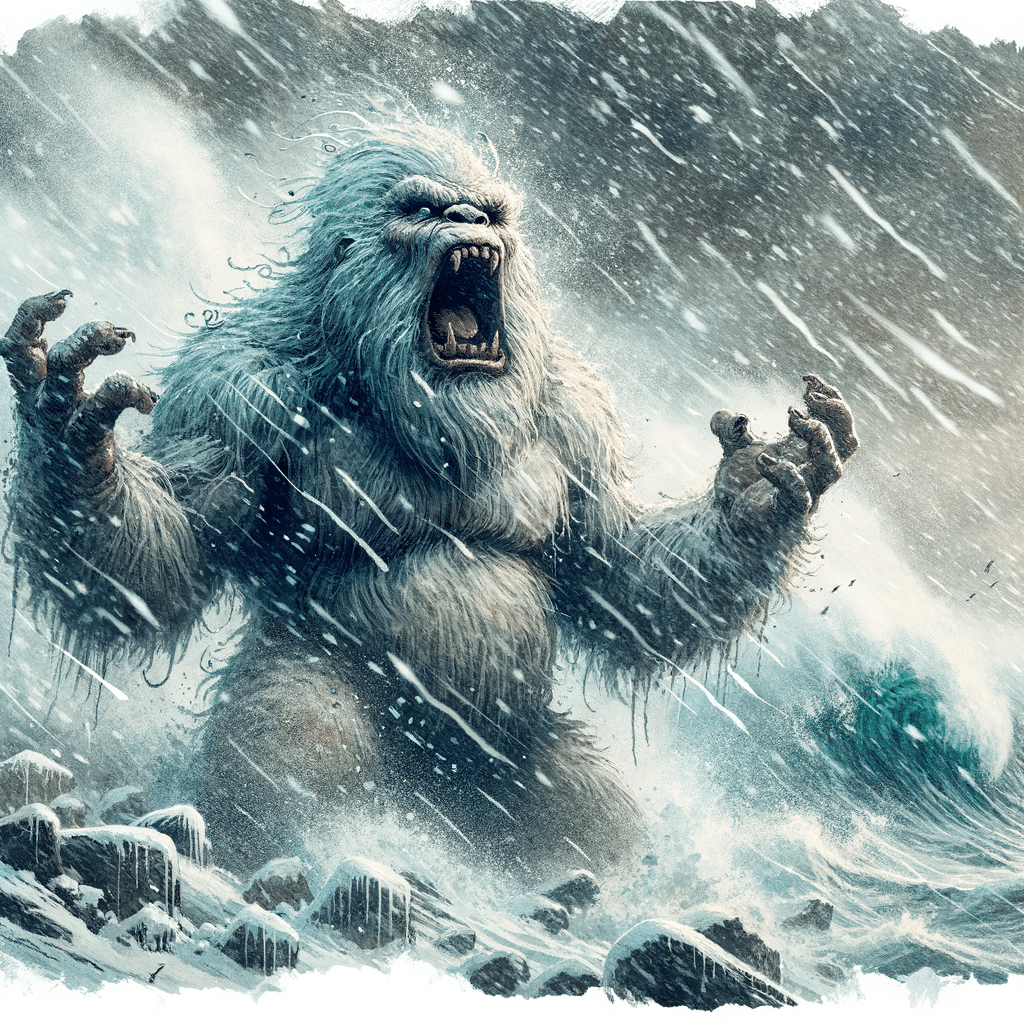
The jötnar’s physical look challenges easy description, exposing the intricate character of these primeval entities. While some giants were indeed huge in size, towering above gods and people alike with their enormous height and breadth, others were said to be of about human size, differentiated mostly by their magical power and otherworldly beginnings. Many jötnar had terrifying or strange physical traits that identified them as beings of chaos: several heads, bestial traits, or defects separating them from the idealized forms of the gods. People often described female giants—giantesses—as possessing both frightening qualities and exceptional beauty, capable of luring even the gods into perilous affairs. This variety in bodily shapes shows the giants’ character as representations of the wild, erratic energies that lay outside the borders of civilized society (Motz, 1984).
Ranging from senseless violence to great knowledge, the jötnar’s behavior and temperament likewise defied easy categorization. Many giants were depicted as hostile and violent toward both deities and people, constantly trying to upset the divine order and cause havoc in the universe. But some were shown to be old knowledge and magical power, wise before even Odin’s own time. Figures like the wise giant Mimir, whose severed head kept advising Odin, or Vafðrúðnir, who fought wits with the Allfather, showed the intellectual depth certain giants had. Many had intricate ties with the Aesir and Vanir gods, including marriages and blood-brotherhoods, implying that the borders between these cosmic powers were more permeable than they first seemed (Hagen, 2003).
The home of the giants, Jötunheimr (Giant-Home), was imagined as a wild, untamed area at the borders of the organized universe. Imagined to lie east and north of Midgard (the realm of mankind), this great expanse was said to be divided from Asgard (the kingdom of the Aesir gods) by the river Ífing, which never froze. Jötunheimr contained Utgard, the stronghold of the giants, a site of illusion and deception where immense sorcery could humble even the great Thor. Much like the real frontiers of the Scandinavian civilization, the terrain of Jötunheimr mirrored the Norse perception of wilderness as a place of danger but also of possible power and resources. The borders between Jötunheimr and other realms were not unbreakable; rather, they let giants into the spheres of gods and people when they so decided, just as the forces of nature could unexpectedly invade human society (Lindow, 2002).
Representing the never-ending fight between order and chaos, the cosmic conflict between the Aesir gods and the giants is one of the main ones in Norse mythology. This animosity shaped the Norse mythical perspective from the primordial murder of Ymir, the first giant whose dismembered body became the raw material from which the cosmos was created, to the foretold last battle of Ragnarök, where giants and gods would annihilate one another. Wielding his hammer Mjölnir against untold jötnar threatening cosmic equilibrium, Thor, the thunder god, was the main protector against enormous invasions. Still, even with the continuous conflict, the dynamic between gods and giants was intricate and intertwined; Odin himself had gigantic heritage and many deities married or loved giants, including Thor, whose mother was the giantess Jörð (Earth). This intricate interplay implies that the Norse saw the required equilibrium between clashing cosmic powers.

Analysis
Reflecting changing social situations and theological influences, the depiction of giants in Norse mythology altered significantly throughout time. Earlier customs suggest a less clear separation between gods and giants; jötnar often appeared as ambiguous characters, occasionally receiving honor alongside the deities themselves. The giants increasingly came to symbolize the hazardous outer forces endangering the social order as Norse society evolved more sophisticated political systems and confronted outside dangers. Christianity’s introduction in Scandinavia changed views of the jötnar even further; Christian interpretations usually portrayed them as demons or wicked beings opposing the genuine god. The literary works preserving Norse mythology, mostly recorded in Iceland during the Christian period, still preserve much of the original complexity of these characters, therefore enabling us to see their prior relevance as beings both dangerous and required for the cosmic balance (Grant, 2019).
Beyond their function as foes, the symbolic relevance of giants included their value as representatives of primeval nature. Giants were linked to the sea, stone, ice, cold, and mountains—the overpowering natural elements that formed Norse life. Particularly the frost giants, who were related to the brutal cold endangering northern towns every winter, represented the harsh reality of living in Scandinavia. However, the occasional depiction of giantesses as nurturers and providers also associated giants with fertility and plenty. Giant women like Skadi, who married into the heavenly pantheon, or Gerd, whose coupling with Freyr signified the marriage of cultivated land and wild nature, showed how the untamed powers represented by giants might be included in the social order rather than only being opposed.
Long after Scandinavia officially converted to Christianity, the remnants of giant mythology survived in popular belief and tradition, therefore preserving their presence. Local landscapes all across Northern Europe remained linked to giant activity; strange rock formations were interpreted as the work of jötnar or as giants turned to stone by the morning sun or the ringing of church bells. Though usually in simplified versions that highlighted their menacing qualities, folkloric customs regarding trolls and comparable creatures kept many traits of the gigantic older mythology. These survivals show how deeply ingrained gigantic mythology was in the Norse perception of the terrain and natural world, offering explanatory frameworks that remained relevant even as religious contexts changed (Motz, 1982).
The interaction between giants and people in Norse mythology highlights significant features of how the Norse perceived their position in the cosmic hierarchy. Despite not always depicting giants as adversaries of humanity, they typically represented forces that impeded human prosperity. People who approach some giant figures, especially those linked to natural abundance or historic knowledge, with suitable reverence may find them helpful. On the other hand, human heroes who had giant-like traits of power or fury could be seen with ambivalence, both respected and dreaded. This subtle depiction implies that the Norse saw these conflicts as intrinsic to human nature, so they acknowledged their ability for both civilization and wildness, order and chaos.
Conclusion
In the end, Norse mythology’s giants represent much more than just adversaries for supernatural heroes to vanquish. These intricate entities reflect the primal powers of creation and destruction, the wild nature that both endangers and supports human existence, and the chaos that both challenges and enhances cosmic order. The jötnar mirrored the Norse knowledge of a world where competing forces coexisted in necessary, if uncomfortable, balance by means of their physical diversity, their ambiguous behavior, their liminal homeland, and their intricate connections with gods and humans. Although they never completely lost the rich intricacy that made them such strong symbols, the depiction of giants changed as Norse civilization evolved and was eventually transformed by Christian influence. The giants of Norse mythology still speak to us across the centuries today as we negotiate our relationship with the natural world and fight to balance order and chaos in our lives, reminding us that the primordial forces they represent remain as relevant now as they were to those who first told their stories in the mead halls of ancient Scandinavia.
References
Grant, T. (2019). A Problem of Giant Proportions: Distinguishing Risar and Jötnar in Old Icelandic Saga Material. Gripla, 30.
Hagen, A. L. (2003). The role of the giants in Norse mythology. University of St. Andrews (United Kingdom).
Lindow, J. (2002). Norse mythology: A guide to gods, heroes, rituals, and beliefs. Oxford University Press.
Motz, L. (1982). Giants in folklore and mythology: A new approach. Folklore, 93(1), 70-84.
Motz, L. (1984). Giants and giantesses. A study in Norse mythology and belief. Amsterdamer Beiträge zur älteren Germanistik, 22, 83.

Leave a Reply