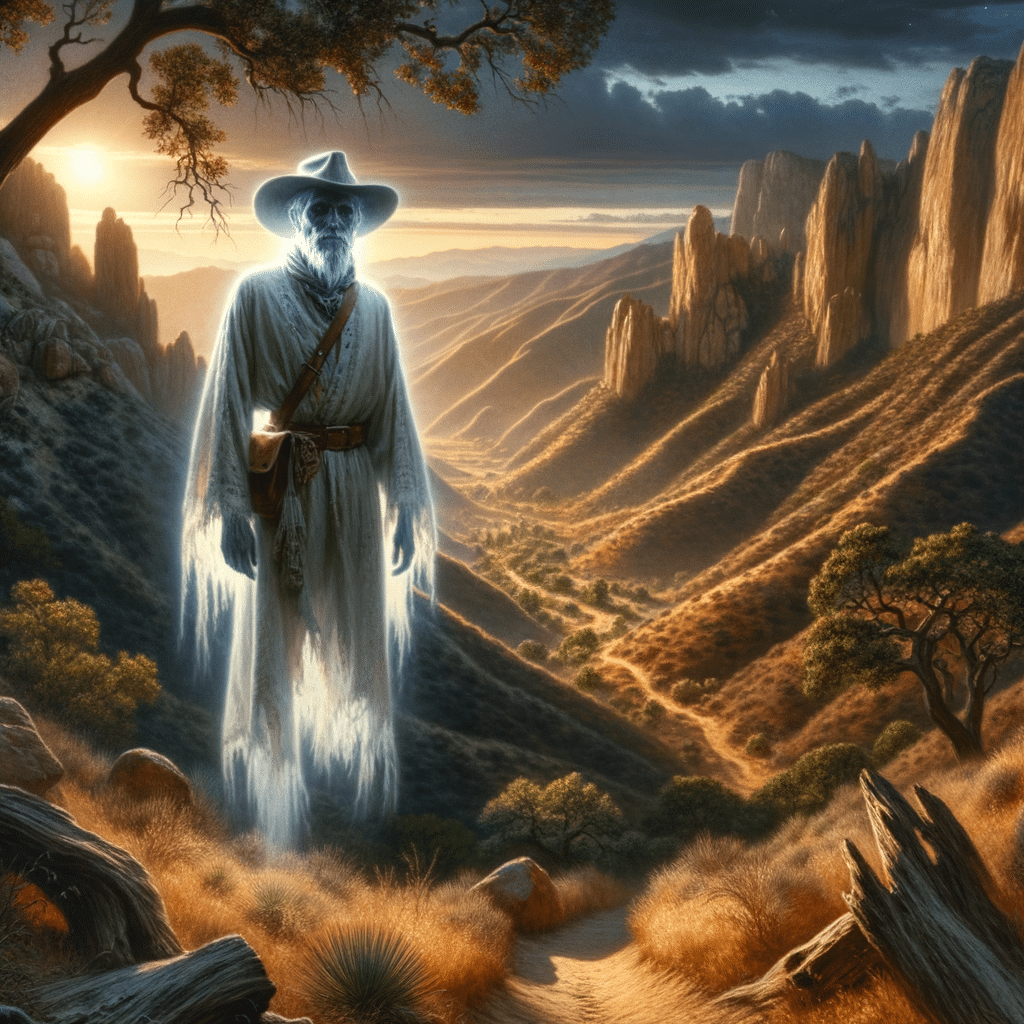
Tucked among the Santa Ana Mountains of Orange County, California, Black Star Canyon has gained a legendary reputation as one of the most haunted sites in Southern California. This lonely wilderness environment, marked by rocky terrain, thick oak woods, and meandering creek beds, is the backdrop for countless stories of ghostly events spanning decades. From violent haunting apparitions to enigmatic cult gatherings and strange creature sightings, Black Star Canyon offers a fascinating case study of how one site may draw attention for supernatural beliefs, historical trauma, and contemporary folklore. The canyon’s remoteness and natural beauty sharply contrast with its tragic past and the dread it inspires in many residents who caution against entering after dusk.
Beginning with a brutal fight between American fur trappers and indigenous Tongva people around 1831, the history of Black Star Canyon is steeped in violence stretching back to the early 19th century. According to historical records, William Wolfskill’s trappers ambushed and murdered several Native Americans in response to horse theft, shooting some of them while they were asleep. This tragic event marked the canyon’s first recorded bloodshed, initiating a cycle of violence that would continue for decades. Mining activities in the late 1800s transformed the region into a haven for unruly miners, whose disputes occasionally led to murder, thereby infusing the soil with a violent past. By the early 20th century, the canyon had earned a reputation for lawlessness, with tales of highway robbery, moonshine operations during Prohibition, and isolated killings deepening its bleak history (Deering, 2008).

Paranormal Activity
Often, ghost sightings in Black Star Canyon focus on the spirits of Tongva people slaughtered by trappers. Many hikers and ghost hunters claim to have seen Native American ghosts, sometimes heard chanting, or seen conducting rites close to the stream where the slaughter allegedly took place. Often mentioned is the phenomenon of phantom war cries reverberating at night across the canyon, then gunfire and screams fading into quiet. Some say a spectral woman in white who roams the paths is the spirit of a lady killed in the canyon during the early 1900s. Accounts of a Skull Rock formation where guests say they feel watched, get unexpected temperature drops, and photograph unseen orbs and figures not discernible to the naked eye are maybe the most unsettling (Brazil, 2017).
The canyon’s seclusion has drawn cult activity; tales going back to the 1980s tell of robed people conducting ceremonies under moonlight. Local folklore tells of satanic worship places concealed in the more distant areas of the canyon marked by inverted crosses, animal carcasses, and stone altars. Hikers in the 1990s reported finding nighttime events when people yelled in foreign languages around bonfires wearing animal masks. Some residents say that rangers and officials purposefully avoid particular canyon areas, hence fostering safe havens for fringe religious activities. Strange symbols carved into trees and rocks all around the area have sparked speculation about continuing occult activity; some academics have recorded apparently structured patterns that seem to indicate ritual sites or routes connecting them (Swanson, 2010).
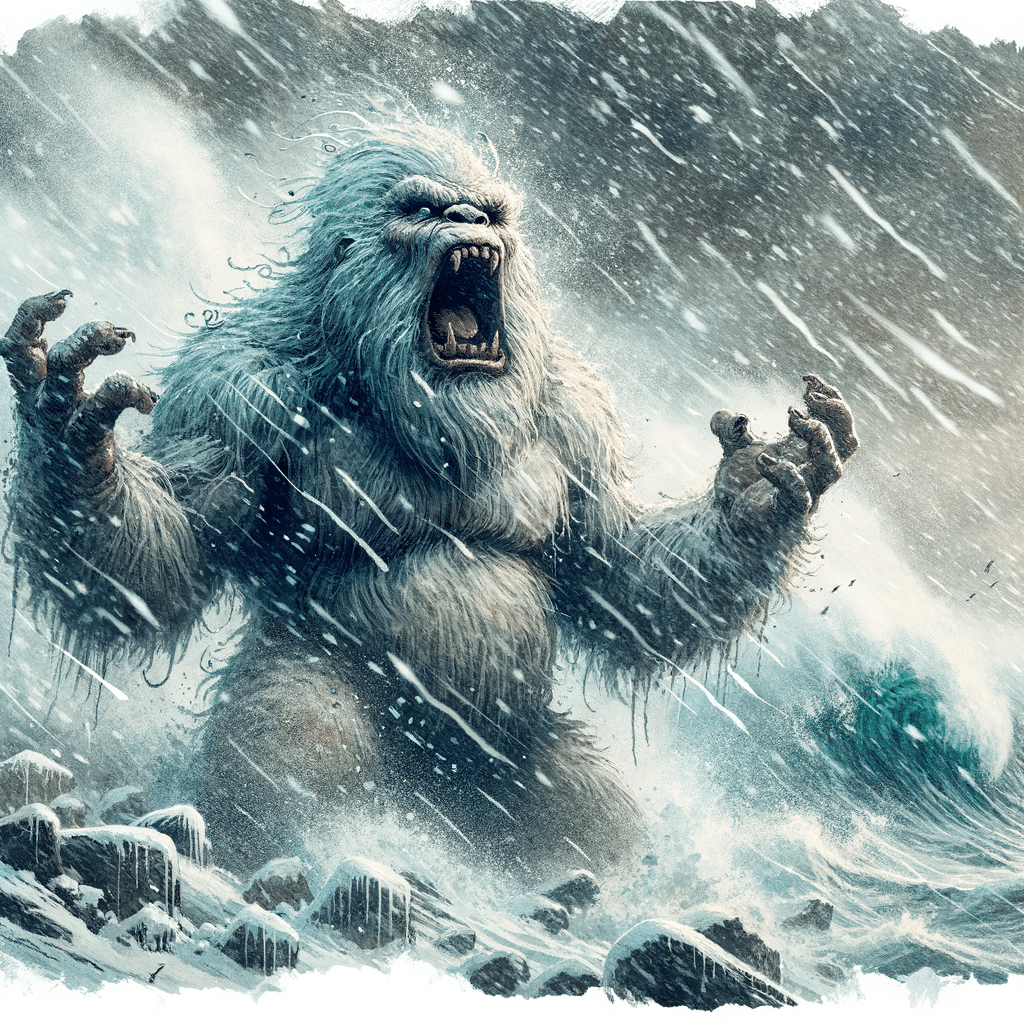
With the most well-known being the Black Star Beast—described as a gigantic, hair-covered bipedal creature resembling Bigfoot but with unique red eyes—cryptid sightings provide another dimension to Black Star Canyon’s paranormal reputation. Since the 1970s, several witnesses have claimed to have met this creature, which they say is over seven feet tall and gives off a unique sulfuric smell. Other unidentified animals mentioned in the canyon include little, quick humanoids some say are similar to the little people of Native American mythology; shadowy, dog-like monsters evocative of the legendary Black Shuck; and exceptionally huge mountain lions that appear unafraid of people. Certain cryptozoology advocates believe the canyon’s unusual topography, with its web of uncharted caves and subterranean water sources, could conceal unknown species or offer corridors for animals to travel unnoticed across the area (Horjus, 2017).

Analysis
Skepticss say there are reasonable justifications for the canyon’s paranormal reputation, citing its acoustic characteristics that can distort and magnify natural noises in apparently supernatural ways. Low-level seismic activity in the area could also send out vibrations that are interpreted as supernatural (Greenwood, 2001). Narrow pathways and rock structures in the canyon produce natural wind tunnels and echo chambers that change normal animal cries, falling rocks, or distant human activity into what may be considered ghostly voices or strange chanting. Psychological elements are also rather important since the power of suggestion and the canyon’s terrible reputation set visitors up to read unclear signals as supernatural. Many claimed cult sites, when looked into by officials, have turned out to be the remnants of homeless encampments or teenage party areas, with reported ritual items only being dumped trash or graffiti. Skeptics contend the claimed cryptids are misidentifications of recognized animals, especially in low-light settings that distort view.
With one of the most convincing being the theory of place memory, or the notion that emotionally charged occurrences can leave energy imprints on a site, several hypotheses seek to explain why Black Star Canyon has turned into such a paranormal hotspot. Supporters of this hypothesis claim that the canyon’s past of violence and death has produced a reservoir of bad energy that shows up as ghosts, noises, and sensations of dread. Other studies suggest that geological factors are important because the canyon is located on several fault lines and has a lot of quartz crystals, which some paranormal theorists believe can hold and send out energy or even boost natural electromagnetic fields, affecting how people perceive things. Cultural anthropologists provide a sociological viewpoint contending that the canyon is a thin place in area folklore—a site where shared narrative and belief blur the border between normal reality and the supernatural.
Conclusion
Black Star Canyon is still an interesting study in how geography, history, and mythology interact to form a strong nexus of paranormal belief. While its solitude and natural beauty give the ideal setting for stories of enigmatic animals and covert cult gatherings, the canyon’s recorded violent past offers a basis for ghost stories. The ongoing reputation of Black Star Canyon as supernatural testifies to mankind’s eternal interest in the unknown and our desire to find meaning in the darkness, whether one takes these events as literal reality, psychological projection, or cultural mythology. The tales change and multiply as probes go on and younger generations find the canyon’s unsettling environment, so guaranteeing that this California site will stay cloaked in mystery for many years to come. Maybe the real strength of Black Star Canyon is in knowing how such beliefs expose our shared anxieties, aspirations, and connection to the natural world and our own past rather than in deciding if its ghosts and monsters are genuine.
References
Brazil, B. (2017, October 26). A hike into the eerie shadows of Black Star Canyon with Haunted OC. Los Angeles Times. Retrieved from https://www.latimes.com/socal/daily-pilot/news/tn-wknd-et-blackstar-20171026-story.html.
Deering, S. (2008). Silverado Canyon. Arcadia Publishing.
Greenwood, R. B. (2001). SECTION 1 LIQUEFACTION EVALUATION REPORT. SEISMIC HAZARD ZONE REPORT FOR THE BLACK STAR CANYON 7.5-MINUTE QUADRANGLE, ORANGE COUNTY, CALIFORNIA.
Horjus, M. (2017). Haunted Hikes: Real Life Stories of Paranormal Activity in the Woods. Rowman & Littlefield.
Swanson, B. (2010). Black Star Canyon. Atlas Obscura. Retrieved from https://www.atlasobscura.com/places/black-star-canyon


Leave a Reply