
The Connection Between Faeries and Dreams: Six Key Points
-
Fairies and dreams both live in liminal areas that are outside of conventional reality. They reside at the edges of the physical and spiritual worlds, where normal rules don’t apply.
-
Fairies are always shown as being able to change people’s dreams. They visit people who are sleeping to give them advice, warn them, or invite them to parties in other worlds.
-
People think that transitional states of consciousness, such as hypnagogic and hypnopompic times between waking and sleeping, are especially open to faerie influence.
-
Some psychological theories say that faerie dreams are ways for the collective unconscious to show archetypal energies or that they are the psyche’s way of trying to bring together intuitive and magical points of view that have been ignored in modern rational thought.
-
Faerie-dream connections played crucial social and environmental roles, imprinting environmental principles and sustainable practices through emotionally charged dream stories.
-
Despite living in a technological age, people consistently tell stories about faerie dreams, implying that this connection plays significant roles in shaping our relationships with landscapes and the natural world.

Introduction
The strange worlds of faeries and dreams have fascinated people throughout history, becoming part of our stories, literature, and spiritual beliefs. These two mysterious areas have a lot in common: they both live in liminal realms that are outside of normal reality yet are nonetheless very much a part of our waking world. There is a very interesting place where faerie mythology and dream experiences meet. This is where the lines between consciousness and unconsciousness, as well as between the seen and unseen worlds, become less clear. This essay looks at the deep links between fairies and dreams and how these two otherworldly realms relate through cultural traditions and psychological knowledge.
Overview
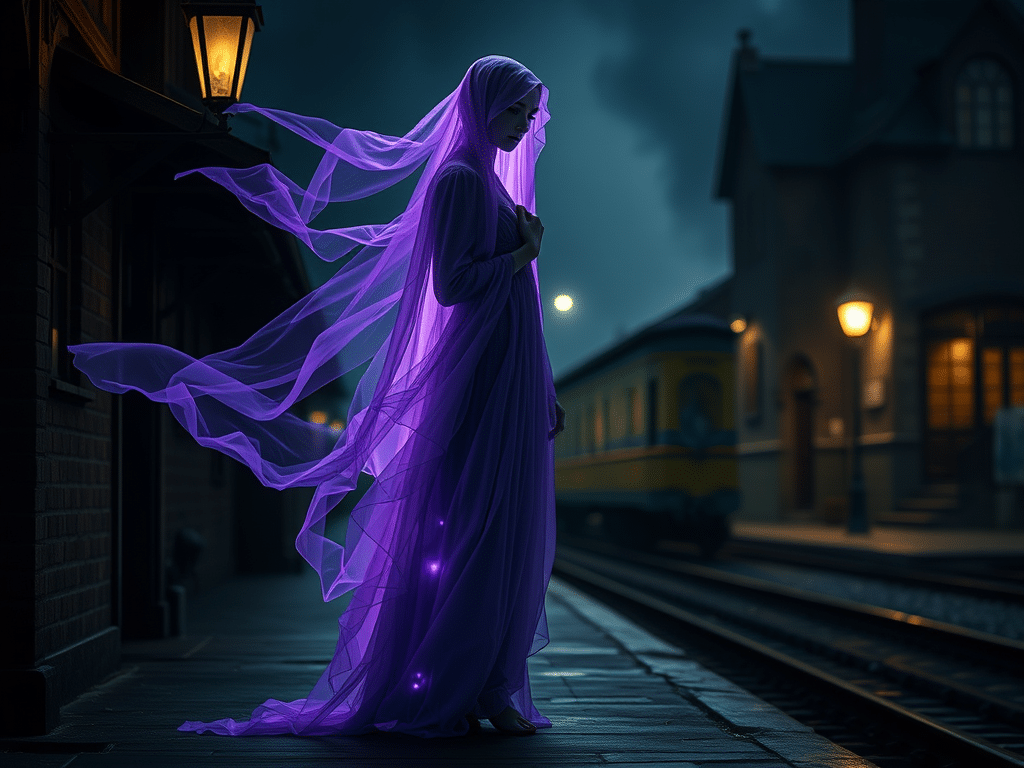
Fairies are special in human mythology because they are beings that live at the border between the physical and spiritual realms. Fairies are often described as small, glowing beings with fragile wings and magical powers. Even though they have different names in different cultures, such as the sidhe in Celtic tradition, the fae in medieval European lore, and similar beings in mythologies around the world, they have been portrayed in very similar ways. People often think of these magical beings as living in nature, especially in wild places like meadows full of flowers, ancient woods, and the hollow hills. They are thought to live in sophisticated underground kingdoms or in the hills themselves. Faeries are known for being unpredictable and may be both kind and naughty. They can bless people with beneficial luck or lead them astray with glamours and illusions that change how they see things (Fromm, 2013).
On the other hand, dreams are our minds’ nocturnal journeys to realms beyond physical laws or logical rules. When we sleep, our minds enter various states in which impossible things occur according to their own internal logic. Time and space become fluid, and we see symbolic representations of our deepest fears, wants, and unresolved feelings. Neurologically, dreams happen mostly during REM sleep, when the brain processes events, stores memories, and does other complicated cognitive tasks even if the body is paralyzed. People have considered dreams to be everything from messages from God to means for the mind to assimilate information. Ancient cultures saw them as true ways to connect to other worlds, while modern science sees them as windows into the subconscious mind (Crick & Mitchison, 1983).
In traditional folklore, fairies are often shown as people who can control other people’s dreams. This is where the connection between fairies and dreams becomes most apparent. Celtic legends say that fairies visit people in their dreams to share knowledge, give warnings, or invite them to their otherworldly parties. These nighttime experiences frequently have unique qualities that make them different from regular dreams, such as being very vivid, having cohesive stories, being emotionally intense, and remembering them clearly when you wake up. Many people who have faerie dreams say they wake up with physical proof of their nightly adventures, such as strange markings on their body, strange things they own, or being in a different place than where they fell asleep (Sugg, 2018).

Analysis
Threshold states between being awake and asleep are very powerful times for faerie encounters in myths from all over the world. When you are going to sleep or waking up, you go through a state of hypnagogic or hypnopompic consciousness. This state is when the veil between worlds gets thin and fairies can have a strong effect on you. People used to defend themselves against unwelcome faerie interference by doing things like putting iron under their pillows, saying protective prayers before bed, or sleeping with certain plants that are known to keep faerie magic away. These were some of the most common ways to do this. These safety measures show how easy it is to go between dreaming awareness and the faerie realm. The evidence suggests that dreams are like doors that these entities can use to get into people’s minds.
Psychological theories offer intriguing perspectives on the constant connection between fairies and dreams. According to Jungian psychology, fairies are archetypal energies that come from the collective unconscious. They are also symbolic representations of nature spirits that appear in dreams as a way for us to connect with the natural world or as personifications of intuitive insight. From this perspective, faerie dreams are the mind’s way of trying to bring together parts of consciousness that modern rational thought often ignores, such as the intuitive, magical, and animistic views that see consciousness in all living things. So, the connection between fairies and dreams shows how people have always needed to stay in touch with the magical parts of life, even as cultures have become more materialistic (Sayce, 1934).
Anthropological research shows that the connection between fairies and dreams has crucial social and environmental roles in many societies. Dreams involving meeting fairies typically had moral lessons about how to treat the natural world, such as warnings against exploiting it, reminders to give back to nature, or advice on how to live in a way that is good for the environment. Fairies that showed up in dreams either punished people who broke the natural order or rewarded people who treated their surroundings with respect. This trend shows that the faerie-dream complex may have been a way for cultures to pass on environmental ethics and ecological knowledge from one generation to the next. Dreams, which are very powerful emotionally, may have helped to reinforce these important lessons.
Modern Impact
Even though we live in a technological age, stories of faerie dreams still exist. People who have had these experiences now share stories that closely resemble those recorded in the past. These modern experiences generally happen when there is an ecological disaster or a personal change, which suggests that the faerie-dream link is still a psychological response to people feeling disconnected from nature. Many people who dream in the modern world say they get clear messages about taking care of the environment or warnings about certain ecological concerns. These dreams make them want to make big changes in their lives when they wake up. These recurring patterns lead me to question whether faerie dreams are universal aspects of human psychology or if they might indicate genuine connections with non-human minds that communicate through dreams.
Literature and the arts explore the relationship between fairies and dreams in great depth. Shakespeare’s A Midsummer Night’s Dream is arguably the most significant artistic creation that examines this connection. In this significant work, people mistakenly enter the faerie realm, blurring the line between dreaming and waking life. Magical events that adhere to the rules of dreams alter their perceptions. Puck’s famous closing speech makes a direct comparison between the theater experience and both dreaming and faerie enchantment, implying that all three states have a shared quality of transformational illusion. This creative depiction shows how both dreams and faerie meetings are times when regular norms don’t apply, when change is possible, and when otherworldly forces reveal hidden truths about human nature (Fretz, 2020).
Conclusion
The long-lasting link between fairies and dreams is one of the most ubiquitous and durable mythical connections in human history. It has crossed cultural and historical barriers and is still important today, even in the age of science. This relationship shows how we have always used supernatural frameworks to make sense of the strange world of dream awareness, coming up with stories that help us explain what we experience at night. Faerie dreams can be considered psychological phenomena, cultural constructs, spiritual communications, or real encounters with non-human intelligences. The fact that it keeps happening to people suggests that it serves important purposes in how we relate to both our inner worlds and the world around us. The connection between faerie dreams and real life reminds us that, even if we’ve made a lot of progress with technology, we’re still beings that need magic, wonder, and enchantment to completely appreciate our role in the universe.
References
Crick, F., & Mitchison, G. (1983). The function of dream sleep. Nature, 304(5922), 111-114.
Fretz, C. (2020). Dreams, Sleep, and Shakespeare’s Genres. Cham: Palgrave Macmillan.
Fromm, E. (2013). The forgotten language: An introduction to the understanding of dreams, fairy tales, and myths. Open Road Media.
Sayce, R. U. (1934). The Origins and Development of the Belief in Fairies. Folklore, 45(2), 99-143.
Sugg, R. (2018). Fairies: A dangerous history. Reaktion Books.
Leave a Reply