
The Fairy Flag of Dunvegan: Key Points
-
A fragile piece of ancient silk, which is preserved as Clan MacLeod’s most treasured relic, is located at Dunvegan Castle.
-
Origins remain disputed, with theories ranging from Middle Eastern textiles to Crusades battle standards.
-
Folklore claims it was a fairy’s gift to her MacLeod lover, with powers to save the clan three times.
-
A spectral ghost reportedly guards the flag, appearing when the relic faces a threat.
-
The banner allegedly multiplied MacLeod forces in battle and brought healing and prosperity.
-
The flag transcends its physical form as a powerful symbol of clan identity still revered worldwide.

Introduction
The stone walls of Dunvegan Castle on the Isle of Skye have withstood the severe Scottish weather for well over eight hundred years. But the Fairy Flag, a fragile piece of silk, may be its most amazing treasure. Clan MacLeod has owned this odd flag since the Middle Ages, and it is now a key part of their history and identity. The Fairy Flag shows the mystical place where history and mythology meet, where what we can prove and what we choose to believe come together to become something stronger than either one alone.
For something so famous, the physical flag is quite plain. It is about 18 inches by 12 inches and is made of brownish-yellow silk that has become weak and torn with time. Experts say the cloth’s weaving pattern is odd and that it has small reddish-brown “elf dots.” The banner has been meticulously kept safe over the years. At first, it was wrapped in a protective hide covering, and then it was put behind glass in the castle’s drawing room, where visitors may still see it today. The fact that it is so fragile shows how old it is and how much respect generations of MacLeods have shown it (MacLeod, 1913).
Fairy Flag Origins
Despite many scientific efforts to find out where the Fairy Flag came from, its historical origins are still frustratingly difficult to locate. Some specialists on textiles think that the silk comes from the Middle East, maybe Syria, and that it is from between the 4th and 7th centuries. One intriguing theory says that it was a battle standard carried back from the Crusades, maybe by Harald Hardrada, before it somehow ended up in MacLeod’s hands. Some say it could have been a ceremonial banner from Byzantium or possibly a piece of a Norse ship’s sail. The MacLeod clan definitely had the flag by the Middle Ages, but we don’t know how or when they got it, which leaves room for the more intriguing stories that would come later (MacLeod, 1927).
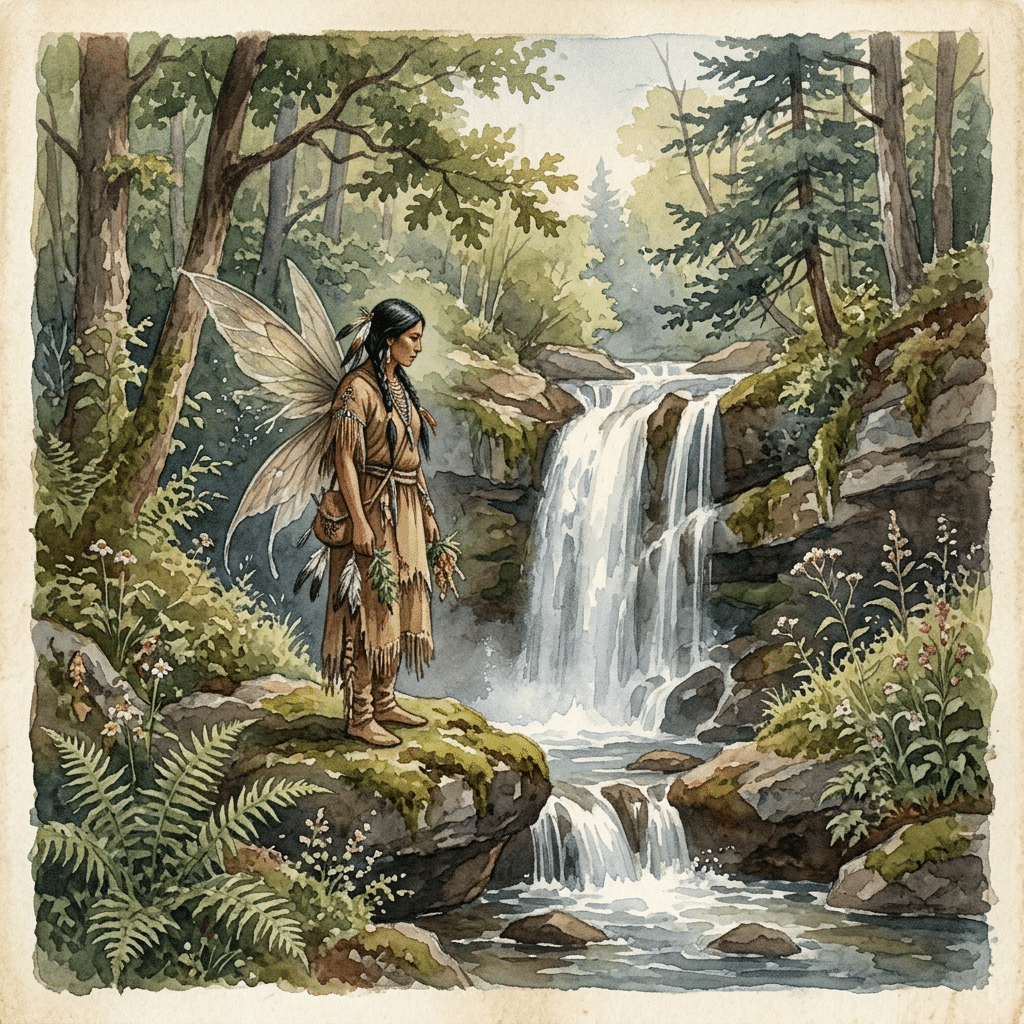
In Highland tradition, the flag’s legend turns plain silk into something special. The most popular story says that the banner was a gift from a fairy to her human lover, a MacLeod chieftain, when she had to go back to the fairy realm after birthing their child. As she left, she wrapped their baby son in the magical fabric and told them to only open it when the clan really needed it. The cloth had the power to save the MacLeods three times before losing its charm. Another story says that a MacLeod chief won the flag when he was in fairyland for a year. When he came back to the real world, he got the flag as a present. These stories demonstrate the Celts’ profound belief in the existence of thin boundaries between our world and the otherworld. This belief is especially true in areas like Skye, where mist and mountains make vistas that seem to be between realms (Olcott, 2024).
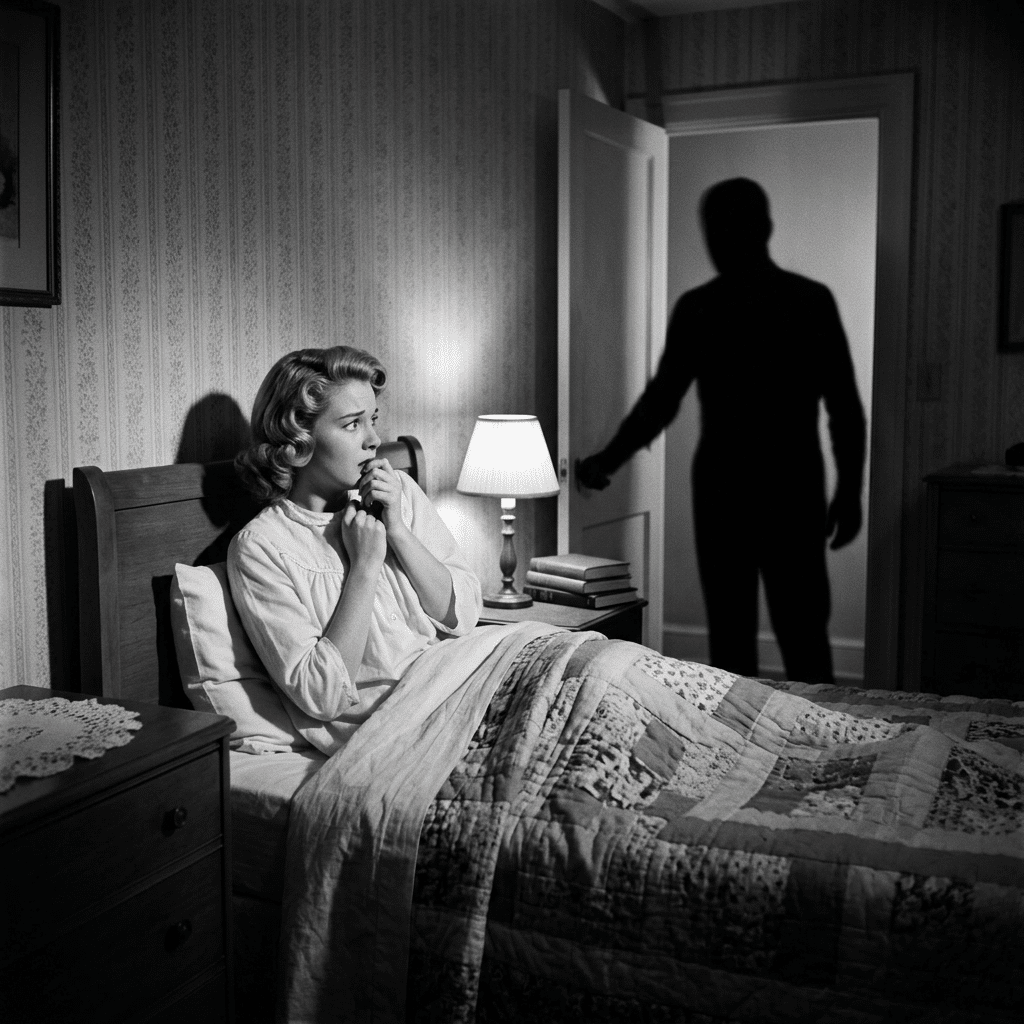
A haunting aspect of the Fairy Flag’s legend is the alleged presence of a ghostly guardian within the castle walls. Both castle workers and visitors have seen a strange figure standing guard. This ghostly guardian is thought to be obliged to preserve the sacred banner for all time. For hundreds of years, people have spoken about this ghostly figure that looks like a shadowy Highland warrior. It shows up near the flag when it is in danger or when people show disrespect for it. Some others say they felt like they were being watched when they got too close to the flag, while others say they heard the sound of bagpipes playing even though there were no musicians in the castle. The MacLeod family doesn’t talk about these events, and they don’t say whether or not this supernatural guardian is real. However, several clan members admit to feeling a strong otherworldly presence near the flag. This ghostly guardian adds to the flag’s mystery, hinting that the MacLeods are still tied to their most important symbol even after they die (Underwood, 1973).
Clan histories have told the story of the Fairy Flag’s protecting abilities with great confidence. Clan tradition says that the flag was flown during two terrible fights where the MacLeods were sure to lose, yet somehow they won because the sight of the banner made their forces look bigger or scared the enemy. Another tale claims the flag once quelled a severe livestock epidemic that endangered the clan’s survival. Some versions of the story even say that the flag can make barren women fruitful or bring in lots of fish and profitable crops. The MacLeod warriors held the flag in such high regard that they would bring small pieces of silk, which they believed came from the banner, into battle for protection. The person who carried the flag in combat was given special guardians, which showed how important and vulnerable the banner was.

Analysis
Recent theories about the flag’s origin try to explain its physical facts and the many stories surrounding it. Some researchers think it might have been a Christian religious flag, maybe linked to early Celtic saints in Scotland. Some people think it was a “patten,” a healing charm that was utilized in folk medicine in medieval Europe. Some textile historians think that the banner’s strange weave may have links to early Islamic areas, maybe getting to Scotland through Norse trade channels. No matter where it came from, the flag has become a strong emblem of clan identification and continuity over hundreds of years of Highland turmoil.
Across the globe, Clan MacLeod members hold the flag as their most cherished artifact, underscoring its immense value to the clan. Many MacLeod soldiers carried pictures of the flag as good luck charms during World War II, believing that it could protect them even across oceans and countries. In the last few decades, when Dunvegan Castle had money problems, clan members from all over the world came together to save the building and the treasures inside it, especially the Fairy Flag. “Hold Fast,” the clan’s motto, might describe how determined they are to keep this link to their ancestors, whether you believe in the supernatural or the historical explanations (Swire, 2006).
Conclusion
The Fairy Flag represents a significant aspect of how humans create meaning through objects that go beyond conventional explanations. The banner has been a physical link between the past and the present, as well as between the seen and unseen realms that influence human experience, for hundreds of years. In the foggy landscapes of Skye, where light and shadow dance on ancient stones, it seems nearly possible that fairies once walked with people, giving them gifts that would last for generations. The aged silk behind glass at Dunvegan reminds us that certain things get their power not simply from what they are, but also from what we all think they are.
References
Underwood, P. (1973). Gazetteer of Scottish and Irish Ghosts. Peter Underwood.
MacLeod, F. T. (1913, November). Notes on the Relics preserved in Dunvegan Castle, Skye, and the Heraldry of the Family of MacLeod of MacLeod. In Proceedings of the Society of Antiquaries of Scotland (Vol. 47, pp. 99-129).
MacLeod, R. C. (1927). The MacLeods of Dunvegan from the Time of Leod to the End of the Seventeenth Century. Priv. print. for the Clan MacLeod society.
Olcott, F. J. (2024). The Gillie Dhu.
Swire, O. F. (2006). Skye: the island and its legends. Birlinn Ltd.
Leave a Reply