Baku in Folklore: Key Points
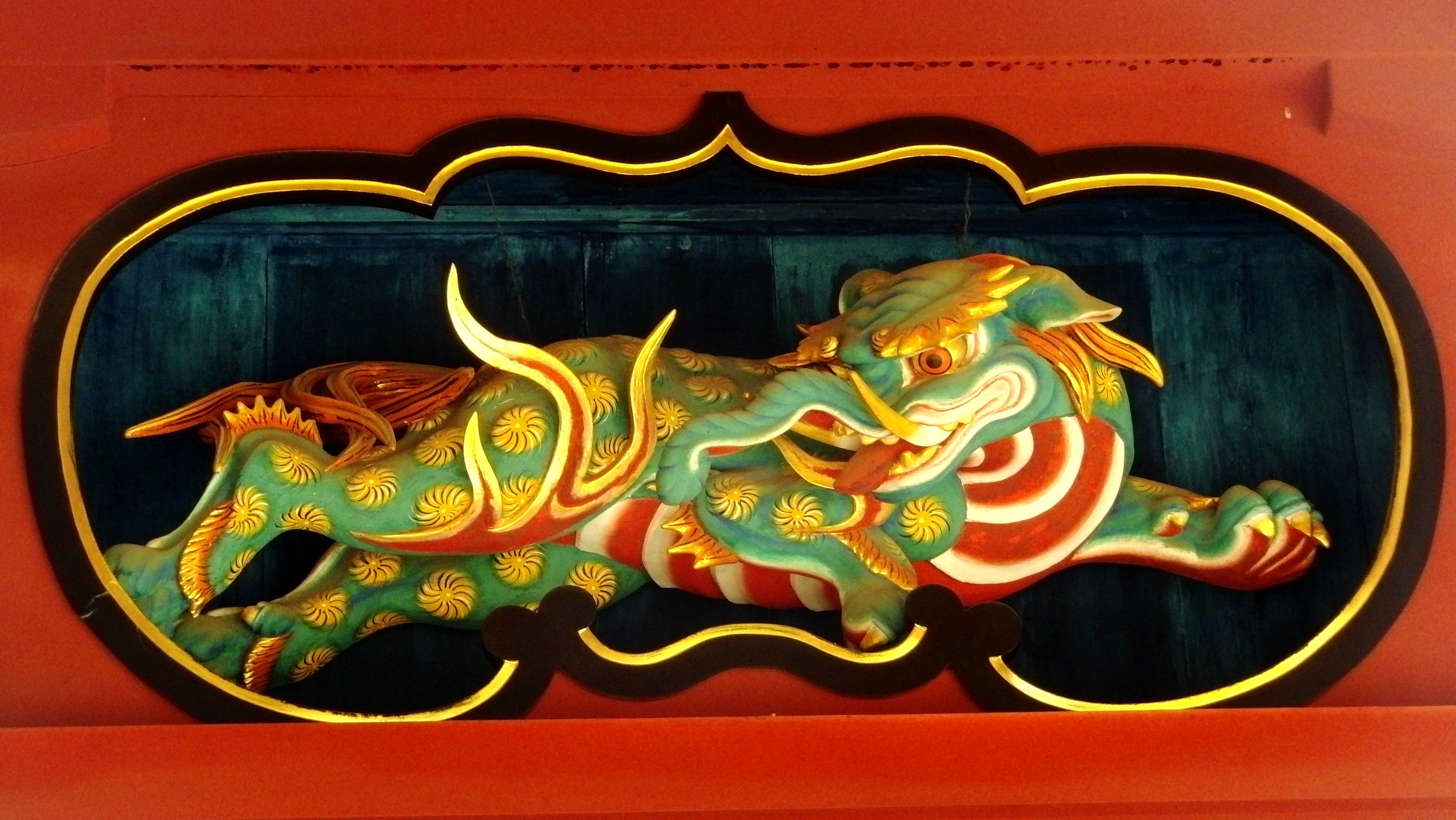
- The Baku is a hybrid creature from East Asian folklore, described with the body of a horse, the face of a lion, the trunk and tusks of an elephant, the tail of a cow, and the feet of a tiger, giving it the overall appearance of an enormous tapir or wild pig.
- It is famed in Japan as the eater of dreams, and a person waking from a nightmare could call out three times, “Baku, eat my dreams,” to summon it.
- The creature originated in China, where sleeping on a Baku pelt was believed to protect against pestilence and its image served as a talisman against evil, before the tradition shifted toward dream eating in Japan.
- Its main power is defensive and cleansing, absorbing wickedness and transforming bad omens into good fortune, while it has few noted vulnerabilities since it was a welcomed protector.
- The Baku belonged to the intimate world of the bedroom rather than the battlefield, with its kanji name painted on pillows to guard sleepers through the night.
- Theories link its composite body to dimly known foreign animals such as the elephant and tiger, and to the human tendency to externalize fear by giving nightmares a hungry visitor to devour them.

Introduction
Among the many guardians of East Asian legend, few are as tender or as strangely comforting as the Baku, the legendary nightmare eater. This creature has a strange place in the imagination, not as a monster to be feared, but as a guardian to be invoked. Its story travels across nations and ages, from China to Japan, gaining new meanings along the way. The Baku are to learn how humans have tried for ages to defend themselves against the terrors that come in their sleep. It is a figure made up of contradiction, half beast and half blessing, and its continuing popularity is testimony to a very human desire for serenity after dark.
Appearance and Behavior of the Baku
In Japanese and Chinese folklore, the Baku is a creature that devours negative dreams. The motif has historical depth and is culturally embedded in East Asian folklore. It appears in folklore reference material from the Edo period and has been associated with protective bedtime practices (placing a Baku image by the bed) to ward off nightmares (Burton, 2022; Miton, 2022; Hasan‐Rokem & Weiss, 2018). The motif is sometimes described as a dream-eater that “devours nightmares” and is associated with the practice of summoning Baku in dream contexts across cultures, with translations and cross-references in theories of cultural evolution (Miton, 2022).
The Baku is physically a hybrid. Its appearance is a reflection of the numerous animals folded into its nature. It is described traditionally as having the compact body of a horse, the face of a lion, the trunk and tusks of an elephant, the tail of a cow and the feet of a tiger (Rosen, 2009). Taken together, these characteristics point to something like a large tapir or a wild pig, and in fact, the present-day Japanese name for tapir is Baku, which is a lingering residue of the old relationship. The outcome is a massive, powerful, and slightly humorous beast. It’s not slick or threatening. Instead, it has the slow, patient aspect of a vast grazing animal, suitable to its duty as a benevolent presence and not a predator of the living. The modern understanding of the Baku motif frequently presents it as a chimera being constructed from limb portions of different animals, which aids its memorability and contributes to the cross-cultural transmission of the dream-eater idea (Miton, 2022).
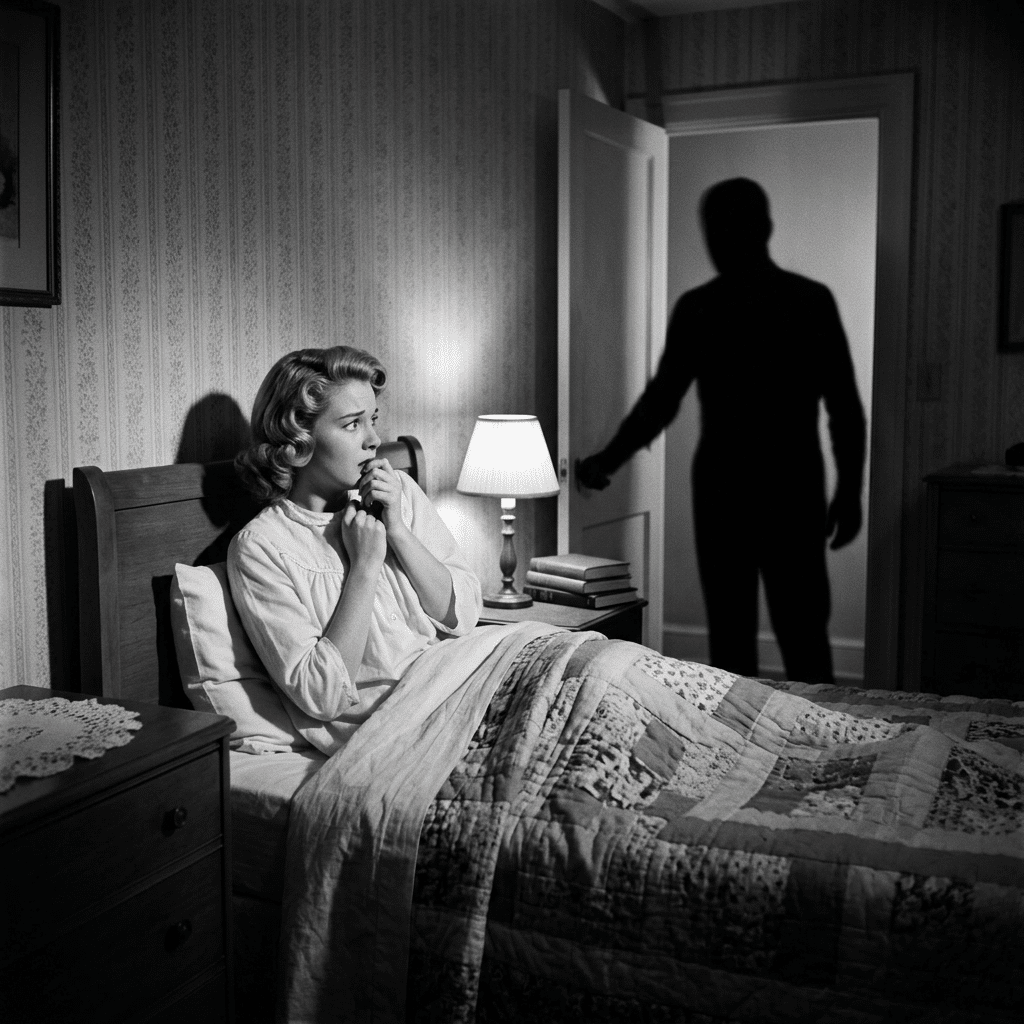
The behavior of the Baku is completely associated with the world of dreams. It is known in Japanese culture as the eater of dreams, especially terrible nightmares, which are considered to be the work of malevolent spirits (Rosen, 2009). When someone woke up in fear from a nightmare, they were asked to say, “Baku, eat my dreams” three times (Rosen, 2009). When called in this manner, the creature would appear and consume the frightening vision. But its behavior is more than just eating. The Baku was believed to transform negative omens into good luck and to turn the remnants of a nightmare into something protective. This belief lends the creature a redeeming quality. It doesn’t just remove fear but turns it into a blessing.

Cultural History and Protective Powers
Baku’s history speaks of a creature that journeyed and transformed. It originated in China, where its powers were expressed in somewhat different terms. Here it was believed that sleeping on the skin of a Baku would protect one from pestilence and that a picture of the animal was a powerful charm against evil (Rosen, 2009). When the custom was introduced into Japan, the focus became its role in devouring dreams, although the general premise of protection was still present. Its kanji name was once written on pillows to protect the sleeper during the night (Rosen, 2009). This detail reveals how much the Baku was part of everyday life. The Baku was not only a figure in stories but also served as a practical household protector.
The properties of the Baku are mostly protective and purifying. It repels evil, destroys the evil powers that disturb sleep, and nullifies the impact of evil spirits (Rosen, 2009). Its main strength The Baku’s main strength lies in its ability to absorb damage without sustaining any harm. damage without being harmed. That is instructive, because the folklore rarely stresses the vulnerabilities. The Baku is a loving creature that is invited into the home; therefore, there was little cultural incentive to develop means of overcoming it. Some later cautionary versions of the story warn that if a Baku is summoned too often after all nightmares have been eaten, it may begin to consume too much and start eating hopes and desires. The darker note is a reminder: there is a natural limit to its appetite and even protective powers should not be misused.
The story attached to the Baku is surprisingly intimate, unlike those of more grandiose mythical monsters. It was for the bedroom more than the battlefield. The threefold call, the painted pillow, and the protective image all position the creature in the private, vulnerable moments of everyday life (Rosen, 2009). That domestic quality helps explain why it has endured. Unlike dragons or demons, the Baku satisfied an instant emotional demand. It offered a means for scared sleepers, especially youngsters, to feel that there was something powerful on their side in the dark.
Theories of Origin
Theories of the origin of the Baku tend to stress its intimate association with the tapir, an animal that is strange-looking and quite mysterious in its appearance. The creature’s composite body may reflect interactions with genuine animals known only faintly through commerce and travel, scholars have speculated, with the elephant and tiger appearing in stories long before they arrived in person. Another argument relates the Baku to a greater human inclination to personify and externalize fear. Cultures invented a psychological method to confront anxiety by giving dreams a hungry visitor to feed them to. The Baku is a symbol of protection, either an imperfect memory of fauna from abroad or a comforting figment of the imagination.
Dreams, Myth, and Folklore Studies
The connection between dreams and myth or fairy tales has long been a subject of interest to folklore studies. Freud and later psychoanalytic theorists argued that dreams reveal unconscious content and that myths and folktales can be derived from dream imagery (dream, myth, and folklore as interconnected) (Repciu, 2019; Retnowati et al., 2018). This lineage is apparent in reviews of psychoanalytic treatments of folklore, which note that dream motifs in folklore can be regarded as symbolic expressions of desires and fears that recur cross-culturally, such as dream-visions in fairy tales and epic stories (Repciu, 2019; Retnowati et al., 2018; Yalçınkaya, 2021). Works on the relationship between dream symbolism and folklore emphasize that dream images in folklore can be used as allegory or myth and that dream texts are closely related to the interpretive paradigms of psychoanalysis, Jungian archetypes, and historical-materialist approaches to folklore phenomena (Nath, 2023; Yalçınkaya, 2021; Retnowati et al., 2018). These analyses are not limited to Baku, but they do offer a methodological backdrop for the examination of dream-culture motifs, including Baku-related dream elements, as part of a broader interpretive toolkit.
The Baku as a dream-eater motif is a cross-cultural anchor for considering the movement and mutation of dream symbols across national borders. East Asian dream-eater predecessors (Baku) are in sync with contemporary cultural theories of dream motifs as recalled, transferred, and reinterpreted in folklore studies and popular culture. This is supported by cultural-attraction and diffusion analyses that explain the persistence of dream-eater entities and dream-control figures in memory due to their memorable morphologies (chimeric bodies) and supernatural capacities (Burton, 2022; Miton, 2022). In folklore theory, dreams are not only private mental events but also culturally legible indications that exist in folktales, myths, and dreams and are typically read in psychoanalytic, historical-materialist, or myth-analytic frameworks. This conceptual scaffolding supports the examination of Baku in a wider dream-literature discourse: dreams are capable of encoding collective fears and aspirations and dream-eater figures like Baku serve as cultural mechanisms of addressing nightmares in shared narratives (Nath, 2023; Yalçınkaya, 2021; Retnowati et al., 2018).
Ultimately the Baku is one of folklore’s sweetest animals, a hybrid beast whose mission is not to fear but to comfort. The patchwork physique, the mild thirst for nightmares, the long trip from Chinese talisman to Japanese dream eater—these all suggest a being born of a longing for safety (Rosen, 2009). The traditions it has spawned, the painted pillows and the whispered summons, are proof of the efforts of ordinary people to take back their nights from dread. The Baku reminds us that not all creatures are foes. Some, if called upon rightly, come only to take away our worst dreams.
References
Burton, A. (2022). Stuff of nightmares. Frontiers in Ecology and the Environment, 20(9), 544–544. https://doi.org/10.1002/fee.2572
Hasan‐Rokem, G., & Weiss, H. (2018). Folklore in Antiquity. Humanities, 7(2), 47. https://doi.org/10.3390/h7020047
Miton, H. (2022). Cultural Attraction. https://doi.org/10.31234/osf.io/qs2et
Nath, S. D. (2023). Two Theoretical Frameworks of Folklore Studies and Two Selected Tales from the Collection of the Assamese Folktales Entitled Burhi Aair Sadhu: A Discursive Analysis. Pertanika Journal of Social Sciences and Humanities, 31(1), 25–40. https://doi.org/10.47836/pjssh.31.1.02
Repciu, I. (2019). Fairy-tales and father Freud. Is psychoanalysis the right tool to understand folk imaginary? Bulletin of Integrative Psychiatry, 25(3), 91–101. https://doi.org/10.36219/bpi.2019.03.09
Retnowati, R., Ernawati, E., & Akun, A. (2018). Ecocriticism Values In The Indonesian Folktale Timun Emas (Golden Cucumber). Humaniora, 9(2), 221. https://doi.org/10.21512/humaniora.v9i2.4331
Rosen, B. (2009). The mythical creatures bible: The definitive guide to legendary beings. Union Square & Co.
Leave a Reply