
Key Points on Ghosts and Swamps
-
Swamps are liminal spaces ideal for ghost stories across cultures.
-
Natural swamp phenomena fostered supernatural interpretations.
-
Swamp ghost folklore warned of dangers while creating cultural traditions.
-
Paranormal theories compete with scientific explanations of swamp hauntings.
-
Ghost legends protected swamps, while indigenous views see spirits as guardians.
-
Swamp ghost stories evolve with modern media, addressing our fear of death.

Introduction
Swamps have long been thought of as locations where the line between life and death is very thin, where land acts as a way to water. These dark, muddy wetlands, where twisted cypress knees stick out of the water like fingers, are the perfect setting for stories about restless spirits and strange events. Throughout history, our minds have linked ghosts and marshes, creating a complex tapestry of legend that continues to fascinate and terrify us today. This study examines the complex interaction between these enigmatic wetlands and the spectral entities purported to inhabit them, analyzing both the cultural relevance of these beliefs and the diverse viewpoints regarding their legitimacy.
Overview
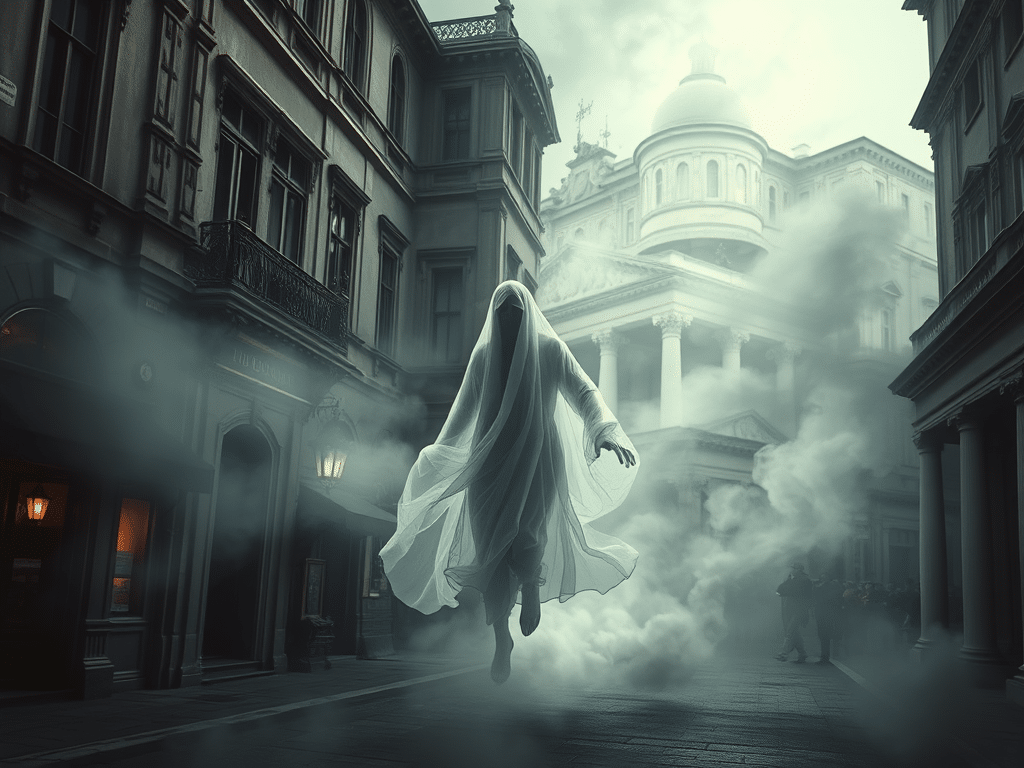
The idea of ghosts exists in almost every culture around the world, but the way they look and act is vastly different in different places. In Western cultures, ghosts are often thought to be the souls of people who have died but are unable to attain peace. They may look like their living selves or as misty orbs of light. Japanese yurei are usually shown with long black hair and a white funeral kimono. On the other hand, Mexican traditions honor their ancestors’ spirits during Día de los Muertos instead of being afraid of them. Even with these cultural distinctions, ghosts are a universal symbol of how humans confront death and our wish to believe that awareness continues after death. Ghost stories have been around for thousands of years, which shows how deeply they affect our minds. They show our innermost anxieties about death and our hopes for something beyond it (Guiley & Taylor, 1992).
Swamps are the perfect place for supernatural stories to grow and thrive because of their confusing terrain and perilous environment. The chemical qualities of decaying plants in marshes often create methane gas that catches fire and turns into strange flames called “will-o’-the-wisps” or “ghost lights.” Throughout history, these lights have been considered the lanterns of ghosts trying to lead travelers to their deaths (Allies, 1846). The natural sounds of these habitats, such as boiling gases, wind blowing through hollow reeds, and the calls of strange animals, make a disturbing soundscape that seems to speak with unearthly voices. The way swamps look also adds to their ghostly reputation. On cool mornings, fog often hangs over the warm water, making shapes that seem to appear and disappear just in front of you. Long before science could explain things, these natural events gave our ancestors the chance to come up with complex mystical explanations.
Folklore has given us some of our most lasting ghostly stories by combining ghosts with wetlands. The story of the Moss Man in the Louisiana bayous is about a trapper who drowned in quicksand. His body slowly became one with the marsh plants until he emerged again as a vengeful spirit clothed in hanging moss. The Great Dismal Swamp, which is located between Virginia and North Carolina, is home to stories of ghostly slaves who fled into the swamps but died there. Their spirits are still searching for freedom in the tangled landscape. European folklore tells about Jenny Greenteeth, an evil water demon that lives in the marsh and pulls youngsters who get too close to the edge down into the water (Vickery, 1983). These stories did more than just entertain people; they also kept people away from truly dangerous places and brought people together by giving them common beliefs about things that can’t be seen.

Analysis
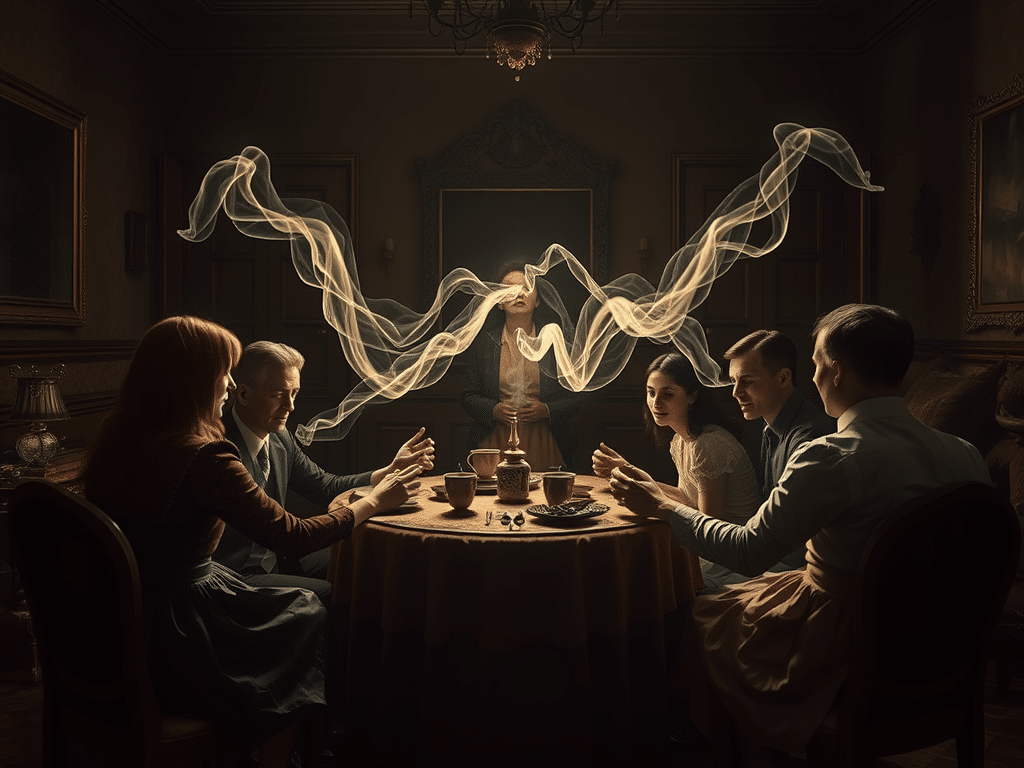
Paranormal investigators utilize diverse theoretical frameworks to elucidate claimed events associated with marsh hauntings. Some people think that the minerals in the water and the decaying organic matter in wetlands can generate conditions that somehow record and play back human experiences, like a natural recording device. This is known as the “stone tape theory” of haunting. Some people think that the line between dimensions becomes weaker in these transitional environments, making it easier for beings from other planes of existence to show up. Parapsychologists cite the elevated frequency of recorded paranormal phenomena in swamplands as proof of occurrences that transcend conventional comprehension in these areas. Numerous cultures have historically utilized these isolated swamps as burial grounds. This makes these connections stronger in the eyes of people who are interested in the paranormal.
Skeptics and scientists provide more ordinary reasons for the strange things that happen in swamps and to the ghosts who live there. Being in an unknown, possibly dangerous place makes us more aware of our surroundings and triggers our basic fear responses. This makes people more likely to mistake natural events for supernatural ones. When ingested in large amounts, carbon monoxide and methane emitted by decaying plants can cause hallucinations. These observations could explain certain ghostly encounters. Swamps are easy to get lost in since the ground and water mix in strange ways. This phenomenon contributes to people’s confusion and perpetuates false perceptions. The historical isolation of swamp towns has also played a role. These regions became safe havens for criminals and other groups that were out of the public eye, and their hidden activities led to supernatural legends that lasted long after the incidents themselves were forgotten (Wilson, 2017).
Impact
Swamp ghosts have had a tremendous impact on culture, going far beyond simple superstition. They have had a big effect on literature, movies, tourism, and even conservation initiatives. These ghostly stories set in wetlands have become a big part of the horror genre, from Henry James’ The Turn of the Screw to modern horror movies set in bayou areas. Every year, thousands of people come to see ghost tours through famous wetlands like the Okefenokee or the Louisiana bayous. These excursions bring in money for the towns and cities around these natural features. Strangely, the fearsome reputation of supposedly haunted swamps has occasionally prevented their development. Local ghost stories have kept people from moving into and using these ecologically important areas. The magical connections that people have with swamps have helped protect them. Such an arrangement has allowed these vital ecosystems to continue their essential environmental functions while maintaining an air of mystery.
Indigenous viewpoints on swamp spirits frequently diverge markedly from colonial interpretations, perceiving these entities not merely as the deceased returning but as nature spirits essential to the ecology. Many Native American tribes saw swamps as sites of enormous spiritual power where medicine people could talk to other worlds. The spirits there were protectors, not things to be afraid of. These more peaceful relationships with swamp beings showed that people had stronger cultural ties to wetland ecosystems that gave them food, medicine, and materials for everyday living. As interest in traditional ecological knowledge grows, these indigenous views on swamp spirits are getting more attention because they stress respect and reciprocity with natural spaces. They offer new ways to consider how we relate to these complicated environments (Miller, 1989).
The enduring intrigue around ghosts in swamplands elucidates a fundamental aspect of human nature and our connection to uncertain or perilous environments. These stories act as psychological shields against the fear of death and the unknown, turning vague fears into clear stories that people can share and work through together. Ghost stories help communities confront past traumas, and they often come from places where violence, tragedy, or injustice happened. The swamp is a wonderful place to ponder the in-between parts of being human. The ghost-haunted marsh symbolizes our endeavor to traverse the demarcations between the known and the unknown, existence and nonexistence, and recollection and oblivion.
As we advance deeper into the internet era, swamp ghost stories don’t die out; instead, they acquire new life through social media, podcasts, and paranormal TV shows that are watched by people all over the world. Modern ghost hunters employ electromagnetic field detectors, infrared cameras, and audio recorders to search for supernatural signs in wetlands. Both believers and skeptics often discuss their findings online. These modern interactions with old anxieties show how strong supernatural belief is even when science makes progress. The swamp ghost has not been forgotten; instead, it has adapted to current media surroundings while still providing a bridge between realms. This durability indicates that, irrespective of their actual existence, these ethereal denizens of wetlands satisfy a lasting psychological and cultural necessity.
Conclusion
The connection between ghosts and swamps is one of the most lasting supernatural links in human history. This link has changed how we view these ecosystems for hundreds of years. These spectral wetlands remain a unique part of our collective imagination, whether we look at them through the lens of folklore, paranormal inquiry, scientific skepticism, or cultural analysis. The swamp with ghosts in it is more than simply a scary place for stories; it is also a strong symbol of the things we don’t know and can’t understand. As we explore the line between what we know and what we don’t, the stories of spirits in these foggy borderlands remind us that some places will always inspire awe, fear, and the idea that there may be more things in heaven and earth than we can imagine.
References
Allies, J. (1846). On the Ignis Fatuus: Or, Will-o’-the-wisp, and the Fairies. Simpkin, Marshall, and Company.
Guiley, R., & Taylor, T. (1992). The encyclopedia of ghosts and spirits (pp. 277-279). New York: Facts on File.
Miller, D. (1989). Dark Eden: The swamp in nineteenth-century American culture (Vol. 43). Cambridge University Press.
Vickery, R. (1983). Lemna Minor and Jenny Greenteeth. Folklore, 94(2), 247-250.
Wilson, A. (2017). Swamp: Nature and culture. Reaktion Books.
Leave a Reply