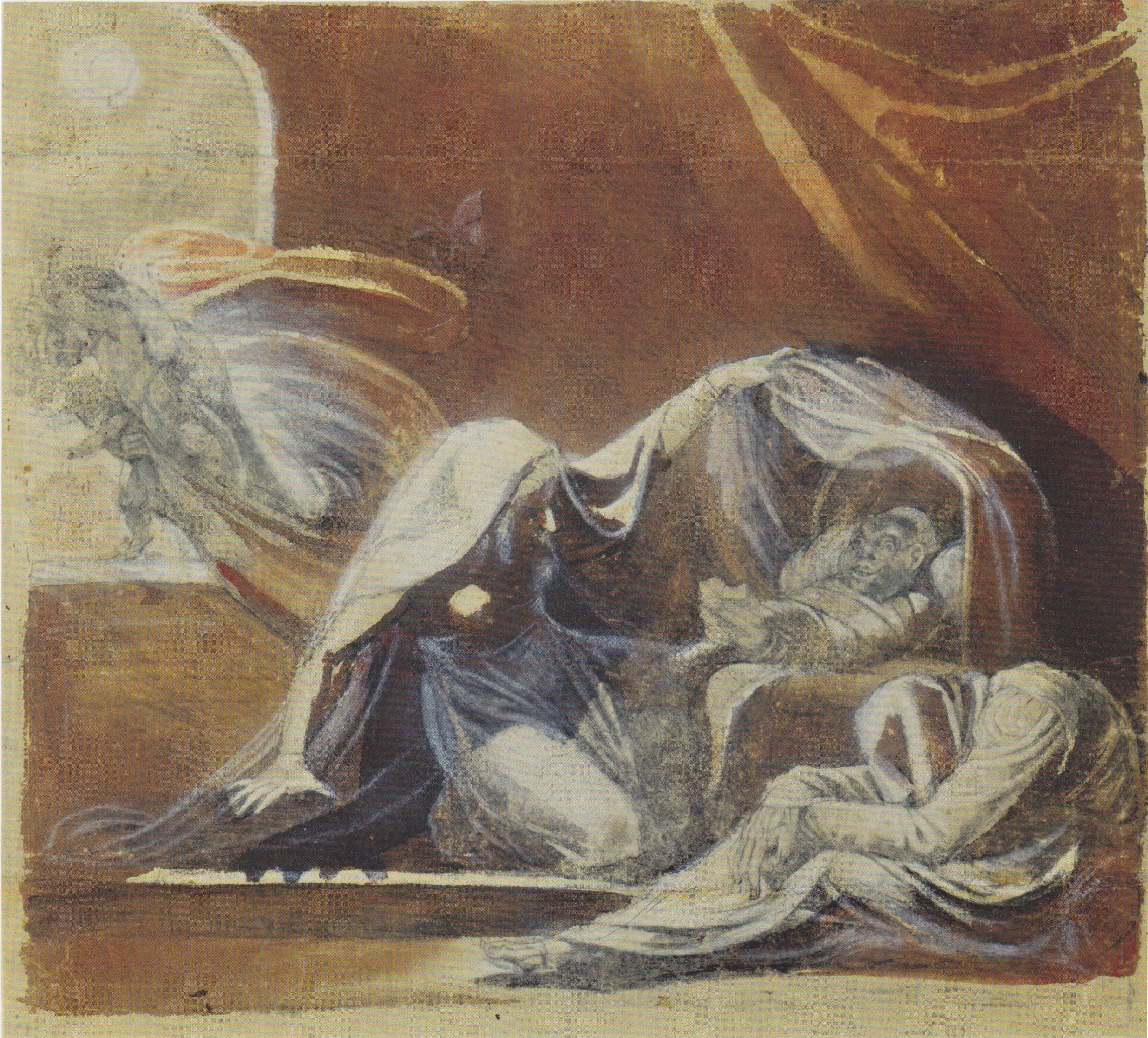
Fairy Changelings and Autism: Key Points
-
Changeling folklore described fairies replacing human babies with different offspring, beliefs taken seriously across European cultures with tragic consequences for children deemed changelings.
-
Autism is a neurodevelopmental condition characterized by differences in social communication, sensory processing, and behavior patterns that vary across individuals.
-
Historical changeling descriptions parallel modern understandings of autism, providing pre-modern communities a supernatural framework to explain neurodevelopmental differences.
-
Scholars theorize changeling beliefs served as psychological defense mechanisms and social permission for mistreating disabled children while reflecting anxieties about reproduction and economics.
-
Changeling beliefs led to documented abuse and murder of disabled children, dehumanizing them as imposters rather than human beings.
-
This history highlights progress in understanding autism while revealing persistent problematic attitudes and serving as a cautionary reminder about denying humanity to different individuals.

Introduction
For thousands of years, people have been fascinated by the folklore of fairy changelings, which tells stories about strange substitutions and supernatural explanations for kids who seemed different from their peers. These old stories from Europe and other places tell of fairies or other magical beings who would secretly switch human babies with their own babies. This practice left families with kids who looked strange, were hard to deal with, or were different from other kids in their communities. These stories used to be cultural stories that helped people understand things they couldn’t explain, but now researchers and scholars are starting to link changeling beliefs to what we now know as autism and other developmental disabilities. This intersection of folklore and neurodevelopmental conditions elucidates historical societal responses to difference and disability, providing both unsettling insights into the treatment of vulnerable children and opportunities to comprehend how cultural narratives influence perceptions of individuals who think and behave divergently.
Overview
Changeling folklore talks about how a fairy child or some other magical substitute takes the place of a human child, usually when they are very young. These stories say that fairies wanted beautiful human babies and would trade them for their own babies, who were often said to be sickly, difficult, or have strange behaviors and looks. People said that the changeling child had traits that made them different from other children, such as not growing well, crying in strange ways, not wanting to be touched, moving or acting in strange ways, and sometimes being very proficient at certain things like music or memory. People in Ireland, Scotland, Wales, Scandinavia, and other parts of Europe came up with complicated ideas about how to locate changelings and, even worse, how to convince the fairies to provide back the stolen child or make them take back their substitute. These communities firmly held these beliefs, which had devastating consequences for the children perceived as changelings. People often said that the changeling looked otherworldly, acted like they were sage or old even though they were young, or showed what we now call developmental differences that made them seem very different from their peers (Robitaillié, 2023).
Autism spectrum disorder is a neurodevelopmental disorder that manifests in early childhood through atypical social communication, sensory processing, and behavioral and interest patterns. People with autism may have trouble with socializing and talking to others. For example, they may find it challenging to make eye contact, read social cues, or follow the normal back-and-forth conversation patterns that neurotypical people do. Many autistic people are more or less sensitive to things like sounds, lights, textures, or tastes. These impairments can make everyday places too much for them to handle or cause them to do things that other people might find strange, like covering their ears, avoiding certain foods, or looking for certain sensory experiences. Repetitive behaviors, intense focused interests, and a preference for routine and predictability are also common characteristics of autism, though the condition manifests differently in each individual across a broad spectrum of support needs and abilities. Some autistic people can’t speak or have severe intellectual disabilities. Others have average or above-average intelligence and may be very proficient at things like remembering things, recognizing patterns, math, or specific areas of knowledge. It is now known that autism is a neurological difference that lasts a lifetime, not a disease or something that happens because of poor parenting or the environment. Having autism is a relatively new idea in human history. Being autistic means more than just having different ways of processing information in the brain. It also means having to deal with a world that is set up for neurotypical people, where being different is often misunderstood or stigmatized (Genovese & Butler, 2020).
The similarities between historical accounts of changelings and contemporary interpretations of autism have prompted numerous researchers to suggest that changeling folklore may have functioned as a cultural explanation for children who would currently be identified as autistic or possessing other developmental disabilities. Parents and communities with limited knowledge of neurodevelopmental diversity would have thought that kids who avoided eye contact, ignored their names, lacked interest in socializing, or repeated actions were very different. The changeling story provided a clear, albeit tragic, explanation for why a child might suddenly appear to change or fail to grow as expected. It said that the change was caused by something supernatural rather than something that was wrong with the child. This explanation may have been especially convincing in cases where kids seemed to be developing normally for the first year or two before going back to their old ways or showing more obvious signs of difference. This is a pattern that can happen in some autistic kids and would have seemed like a real change to people who didn’t know about developmental conditions. Families could keep hoping that their “real” child would come back while also staying away from the child they were actually raising, who was difficult or different. Other disabilities besides autism probably played a role in changeling beliefs, such as Down syndrome, cerebral palsy, intellectual disabilities of various origins, and any number of genetic or developmental conditions that would make a child look or act differently from what is expected (Leask, Leask & Silove, 2005).
Analysis
Various academic theories have arisen to elucidate the development of changeling beliefs as reactions to disability and difference in pre-modern societies. One prominent theory posits that changeling folklore functioned as a psychological defense mechanism for parents grappling with a child whose needs surpassed their comprehension or resources, enabling them to externalize their grief, confusion, or even anger by attributing the child’s condition to malevolent supernatural forces rather than to chance, genetics, or divine will. Some researchers contend that changeling beliefs served as a social justification for infanticide or the neglect of disabled children in resource-constrained societies with elevated infant mortality rates, offering a narrative structure that exonerated communities and families from accountability for the deaths of atypical children (Vyse, 2018).
Recent studies underscore notable variations in sensory processing among individuals with autism, a fundamental characteristic frequently misinterpreted in broader societal frameworks. The condition is characterized by hyper- or hyposensitivities to sensory stimuli, which research has identified as essential for comprehending the behaviors and experiences of individuals with autism (Chamak et al., 2008; Ruttledge & Cathcart, 2019). Hyper-reactivity or unusual reactions to social stimuli can create difficulties in social interactions, akin to the perception of changelings as “other” or “damaged” (Taels et al., 2023; Foss‐Feig et al., 2012). This depiction may perpetuate deep-seated societal misconceptions, portraying autistic individuals as anomalies in relation to “normal” human experiences.
The notion of “theory of mind,” which asserts an intrinsic capacity to discern and interpret the thoughts and emotions of others, is essential for comprehending the autistic experience. Studies indicate that people with autism may have trouble with this cognitive aspect because their sensory processing is different, which can make it difficult for them to pick up on social cues (Chamak et al., 2008; Haigh, 2017). This observation corresponds with the changeling narrative, as individuals labeled as changelings are frequently depicted as devoid of genuine human essence or comprehension, a metaphor that inaccurately reflects the intricacies of autistic cognition.
Furthermore, a significant percentage of the autistic population suffers from sensory processing disorders, with reported prevalence rates between 80% and 95%, indicating that sensory issues impede daily functioning. This prevalence can be likened to the fairy changeling mythos, wherein the sudden and inexplicable transformations in children were attributed to supernatural forces, paralleling the way sensory disturbances can alienate individuals with autism (Ghanbari & Rezaei, 2016; Alamdarloo & Mradi, 2020; Ruttledge & Cathcart, 2019). Research demonstrates that sensory processing difficulties are not merely incidental; they constitute a fundamental component of the autism experience, affecting communication and adaptive behaviors critical for normative development (Robertson & Baron‐Cohen, 2017; Foss‐Feig et al., 2012).
Finally, while folklore is a way for society to talk about and understand differences like autism, it’s important to base conversations on scientific facts. Changelings symbolize misunderstanding and fear of the unknown, similar to societal reactions to autism. By telling stories that respect and recognize the realities of sensory processing as a part of being autistic, society can move away from seeing autistic people as changelings and toward a more open-minded view of neurodiversity (Linke et al., 2018).

Impact
The folklore essentially dehumanized disabled children by suggesting they were not truly human at all but rather fairy creatures or demons, making it easier to justify harsh treatment or abandonment. Some scholars contend that changeling beliefs represented authentic endeavors by pre-modern individuals to comprehend developmental disparities through the conceptual frameworks accessible to them, regarding the folklore as a nascent, albeit fundamentally flawed, attempt to elucidate phenomena that would remain medically enigmatic for centuries. Historian Emily Urquhart and disability studies scholar C.F. Goodey have examined how changeling narratives expose societal anxieties regarding reproduction, inheritance, and the perpetuation of family lines, with disabled children symbolizing threats to familial and economic stability in communities where every member was anticipated to contribute labor. The enduring nature of changeling beliefs across diverse cultures indicates a universal human inclination to elucidate difference and disability, despite the variation in supernatural frameworks by region and tradition.
The beliefs about changelings had a terrible effect on disabled children throughout history. People believed that changelings were fairy substitutes, leading to records of abuse, neglect, abandonment, and even death. Historical records indicate that children were tortured in many ways, such as being held over fires, left outside in the cold, beaten, starved, or subjected to other forms of abuse, in the belief that these acts would make the fairies return the “real” child and take back their changeling. Bridget Cleary’s husband and family members killed her in 1895 in County Tipperary, Ireland, believing a fairy had replaced her. This proof shows that changeling beliefs were still common in the modern era and could affect adults as well as children, especially those who were sick or acted strangely (O’Connell & Doyle, 2006). The tragic case of Michael Leahy, an intellectually disabled child in nineteenth-century Ireland, shows how changeling beliefs directly impacted the deaths of vulnerable children whose families and communities struggled to accept their differences (Bone, 2022).
Even when changeling beliefs did not lead to direct physical harm, they established a context in which disabled children were perceived as impostors or monsters rather than as individuals deserving of love, care, and acceptance, significantly influencing their treatment and integration within their communities. The psychological effect on families who believed their child had been stolen and replaced must have been enormous, making it harder for them to bond with and care for their children, which likely made things even more difficult for kids with developmental disabilities. These beliefs also stopped people from coming up with better or more caring ways to deal with disability because they thought the problem was in the supernatural realm instead of making practical accommodations or support systems for different kinds of learners and thinkers.
Learning about how changeling beliefs and autism are related can help us understand how much society’s views on neurodevelopmental differences have changed over time, as well as the problems that still exist with acceptance and inclusion. Modern diagnosis and understanding of autism have supplanted supernatural explanations with scientific frameworks, enabling the recognition of autistic individuals as human beings with neurological differences rather than as ethereal substitutes or flawed iterations of typical children. The neurodiversity movement has pushed the conversation forward by questioning the idea that autism is always a problem or a lack of something. Instead, it views autism as a normal variation in brain function that presents both challenges and strengths, which should be accepted and accommodated rather than fixed or eliminated.
However, echoes of changeling thinking persist in contemporary attitudes toward autism and disability, including in narratives that describe autism as something that “takes away” or “steals” the “real” child, in aggressive and sometimes harmful attempts to “recover” children through intensive interventions, and in the stigma and exclusion that autistic people still face in many settings. The historical reality of changeling beliefs serves as a sobering reminder of how cultural narratives about difference can enable harm to vulnerable populations, underscoring the importance of building societies based on acceptance, inclusion, and support for all types of minds. By looking at this dark time in the history of disability, we can better understand what is at stake when we discuss and treat people who think and feel differently. We need to ensure that no child is ever considered anything other than fully human because they don’t fit into narrow ideas of what normal development is.
Conclusion
The link between fairy changeling stories and autism shows how important it is for people to explain differences and how dangerous it is for people to deny the full humanity of those who are different. These old beliefs may seem like silly superstitions from a time when people weren’t as smart, but they had real and often terrible effects on children with autism and other disabilities. They were abused, neglected, and left out because their neurological differences were considered supernatural substitutions instead of natural human variations. The shift from perceiving these children as changeling imposters to recognizing them as autistic individuals signifies substantial advancement; however, the path to complete acceptance and inclusion is still ongoing. By studying the history of changeling beliefs and their connection to disability, we learn how limited or wrong our understanding of autism may seem in the future. We also become more committed to improving the world for every child, regardless of how they think or communicate. Changelings were once used to explain and justify the mistreatment of different children. Now, they can be a warning about what happens when we treat people who don’t fit our expectations differently. They remind us that we need to keep working to make our communities more accepting, accommodating, and kind to people of all neurotypes.
References
Alamdarloo, G. H. and Mradi, H. (2020). The effectiveness of sensory integration intervention on the emotional-behavioral problems of children with autism spectrum disorder. Advances in Autism, 7(2), 152-166. https://doi.org/10.1108/aia-12-2019-0051
Bone, K. L. (2022). Murders Most Foul: Changeling Myths. In Women and the Abuse of Power: Interdisciplinary Perspectives (pp. 31-42). Emerald Publishing Limited.
Chamak, B., Bonniau, B., Jaunay, E., & Cohen, D. (2008). What can we learn about autism from autistic persons?. Psychotherapy and Psychosomatics, 77(5), 271-279. https://doi.org/10.1159/000140086
Foss‐Feig, J. H., Heacock, J. L., & Cascio, C. J. (2012). Tactile responsiveness patterns and their association with core features in autism spectrum disorders. Research in Autism Spectrum Disorders, 6(1), 337-344. https://doi.org/10.1016/j.rasd.2011.06.007
Genovese, A., & Butler, M. G. (2020). Clinical assessment, genetics, and treatment approaches in autism spectrum disorder (ASD). International journal of molecular sciences, 21(13), 4726.
Ghanbari, S. and Rezaei, A. (2016). The relationship between sensory-processing disorders and sleep disturbances in school-aged autistic children in shiraz, 2015. Jundishapur Journal of Chronic Disease Care, 5(2). https://doi.org/10.17795/jjcdc-32337
Haigh, S. M. (2017). Variable sensory perception in autism. European Journal of Neuroscience, 47(6), 602-609. https://doi.org/10.1111/ejn.13601
Leask, J., Leask, A., & Silove, N. (2005). Evidence for autism in folklore?. Archives of disease in childhood, 90(3), 271-271.
Linke, A. C., Keehn, R. J. J., Pueschel, E. B., Fishman, I., & Müller, R. (2018). Children with asd show links between aberrant sound processing, social symptoms, and atypical auditory interhemispheric and thalamocortical functional connectivity. Developmental Cognitive Neuroscience, 29, 117-126. https://doi.org/10.1016/j.dcn.2017.01.007
O’Connell, H., & Doyle, P. G. (2006). The burning of Bridget Cleary: Psychiatric aspects of a tragic tale. Irish journal of medical science, 175(3), 76-78.
Robertson, C. E. and Baron‐Cohen, S. (2017). Sensory perception in autism. Nature Reviews Neuroscience, 18(11), 671-684. https://doi.org/10.1038/nrn.2017.112
Robitaillié, A. (2023). Fantastic changelings: liminality and narrative technique in Irish changeling tales. Folk Life, 61(1), 1-45.
Ruttledge, A. and Cathcart, J. (2019). An evaluation of sensory processing training on the competence, confidence and practice of teachers working with children with autism. Irish Journal of Occupational Therapy, 47(1), 2-17. https://doi.org/10.1108/ijot-01-2019-0001
Taels, L., Feyaerts, J., Lizon, M., Smet, M. D., & Vanheule, S. (2023). ‘i felt like my senses were under attack’: an interpretative phenomenological analysis of experiences of hypersensitivity in autistic individuals. Autism, 27(8), 2269-2280. https://doi.org/10.1177/13623613231158182
Vyse, S. (2018). The Enduring Legend of the Changeling. Skeptical Inquirer, 4, 23-26.

Leave a Reply