Ghost Hunting Laws: Key Points
-
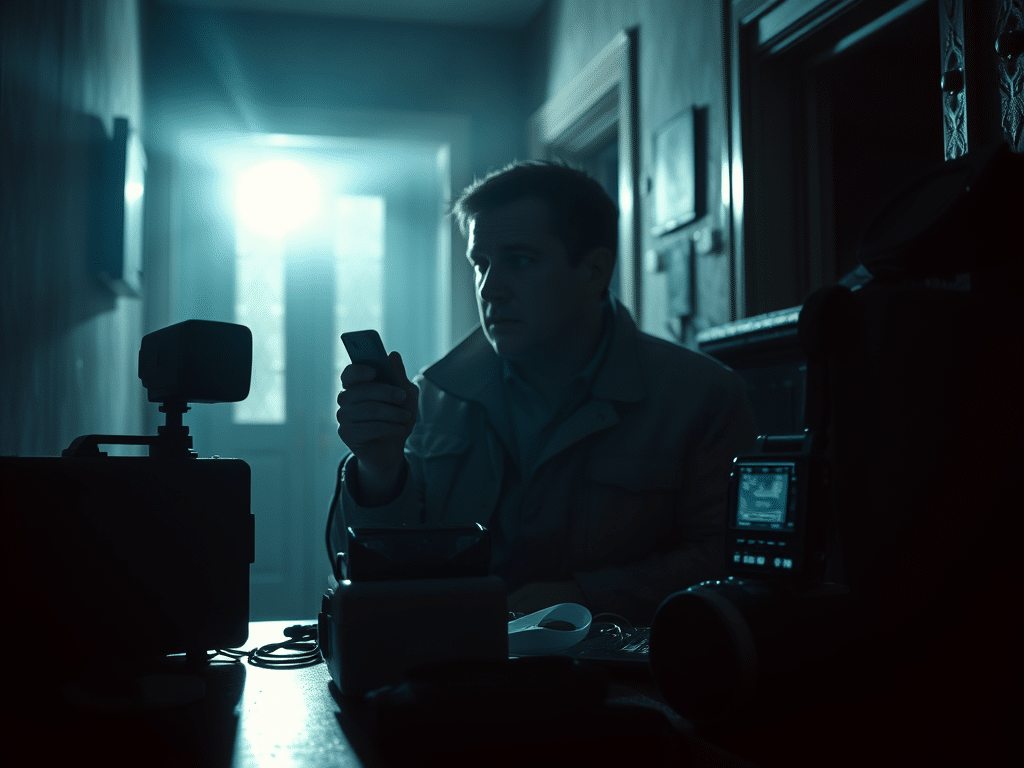
Ghost hunting involves investigating supposedly haunted locations using equipment like EMF detectors, thermal cameras, and voice recorders to document paranormal activity during nighttime explorations.
-
The most serious legal issue is criminal trespassing, which occurs when entering property without owner permission and can result in fines, jail time, and permanent criminal records.
-
Additional legal concerns include liability for injuries during investigations, privacy violations from unauthorized recording, disturbing the peace complaints, and special regulations governing cemeteries and historic sites.
-
The most important step for legal ghost hunting is obtaining written permission from property owners before any investigation, with clear documentation of the scope of access permitted.
-
Maintaining professionalism includes leaving properties undisturbed, cooperating with law enforcement if questioned, and joining established investigation groups with formal procedures and insurance for additional legal protection.
-
Legal alternatives exist through public ghost tours, organized investigation events at historic sites, and explorations of public lands that allow paranormal enthusiasts to pursue their interest without legal risk.

Introduction
Ghost hunting is a popular activity for people who prefer the excitement of locating and looking at things they don’t know about. Every year, thousands of professional and amateur paranormal investigators flock to areas that are supposed to be haunted to look for proof of ghosts or weird things happening. Those interested in ghosts may face legal trouble if they don’t know and respect the rules. This essay explains what ghost hunting is and the major legal problems that people who do it have to confront. It also provides good tips on how to undertake paranormal investigations without breaking the law.
The author is not a lawyer. Laws and regulations vary by country and locality. Seek appropriate legal counsel in your area before acting on any ghost hunting activities that may have legal ramifications.
Paranormal investigation, often known as ghost hunting, is the planned exploration of places that people think are haunted to obtain and record evidence of supernatural activity. Modern ghost hunters use a wide range of technologies. For instance, electromagnetic field detectors are said to pick up on spirit energy, digital voice recorders are said to pick up on electronic voice phenomena (EVPs), thermal imaging cameras are said to look for changes in temperature, and motion sensors are said to observe activity in places that are supposed to be empty. Many people who hunt for ghosts travel to places at night because they think that’s when ghosts are more likely to show up. They monitor the normal occurrences in the region, engage in open communication with ghosts to gain insights, and meticulously record any unusual events through photos, films, and written notes. Investigators are willing to believe that weird occurrences could happen, but they first look for natural explanations for them. This kind of thinking mixes parts of the scientific process with a need to discover answers that aren’t natural. Usually, there are more than one member on a ghost hunting team, and each person has a different job. For example, there are those who investigate, people who use instruments, and even psychics who believe they can sense spirits.
Primary Legal Challenges: Trespassing and Property Rights
The most prevalent and serious legal issue for ghost hunters is criminal trespassing. This is when a person goes to a place that doesn’t belong to them without permission or a legal right to be there. Most “haunted” places are abandoned buildings, locked institutions, or inaccessible private land. No matter what their aims are, investigators can’t just go into these areas without permission. Even if the buildings on a property look like they haven’t been used in a long time, the owners still have full legal rights to the land and buildings. It’s also against the law to go to a place that is reputed to be haunted without permission. If someone breaks into a building and damages it, breaks locks or windows, or is caught with equipment that could be used to break in, the accusation of trespassing could be a minor violation with a fine or a more serious crime. In certain locations, the penalties for breaking into deserted buildings or places with clear “No Trespassing” signs are particularly high because it puts people’s safety at risk and violates their property rights. If private property owners catch ghost seekers, they may call the police and file a lawsuit for damages. If they are found guilty of a crime, they will have a permanent record that makes it tougher for them to seek jobs, acquire professional licenses, or travel.
Investigating the paranormal on someone else’s property can be illegal or annoying, depending on your actions. The traditional nuisance theory looks at how much the defendant’s actions affect how the landowner uses and enjoys the property. To establish liability, the interference must be either unreasonable or significant (Gevurtz, 1977; Lewis, 1908; Kratovil & Harrison, 1954). When individuals talk about how to cope with annoyances, they generally talk about the challenges with governance and the costs of information. The primary inquiry is whether the investigator’s conduct renders it unreasonable for the neighbor to use and enjoy their property (Smith, 2004; Rose, 1997). Many authors assert that nuisance responsibility pertains not solely to causing discomfort but also to the utility of the defendant’s acts relative to the harm inflicted upon the plaintiff (Smith, 2004; Rose, 1997; Schremmer, 2019).
People who pursue ghosts have to contend with more than just the law. They also have to address legal problems, such as being responsible for something, damaging someone’s privacy, and following the regulations about how to use certain tools or do particular things. If ghost hunters are allowed to enter a property and someone is injured due to unsafe conditions, faulty equipment, or other issues, there are liability concerns. Many property owners require investigators to sign liability waivers and provide proof of insurance before they may enter. Professional paranormal investigating groups also carry general liability insurance to safeguard themselves from potential lawsuits. The laws about privacy are another major difficulty. This concern is especially true when investigations include recording audio or video in settings where people think they are alone. This requirement is because most countries say that you need to seek everyone’s permission before you record a conversation. Ghost hunters need to be careful not to bother the people who live or stay in hotels, residences, or structures with people living in them when they look for ghosts in or near those places. They could be charged with disorderly conduct or disturbing the peace, especially at night when most investigations take place.
Some of the things that ghost hunters perform could also put them in trouble with the law. Some of the problems are using cemeteries without permission, messing with sites of worship or culture, and worries about the commercial side of paranormal research. You can’t do things like take pictures, visit at night, or use tools that could be considered disrespectful to the dead and their family at many cemeteries. If you don’t follow these guidelines, you could get in trouble for trespassing or something else. Places that are important for history, culture, or religion usually get legal protection. If you go ghost hunting in these places without permission or mess with antiques, buildings, or sacred sites, you could get into a lot of difficulty with the law, such as being charged with breaking rules for protecting cultural property or preserving history. People that make money by ghost hunting, such as by giving tours, doing investigations, or other services, have to follow some rules. These include receiving a company license, paying taxes, following rules that keep clients safe, and not lying or misleading people about the services they offer.

Best Practices for Legal and Ethical Ghost Hunting
To protect people from harassing you or trespassing, you need permission or a license from the person who owns or lives on the land. Authorization legitimizes entry and sets limits on permissible actions (Gevurtz, 1977; Degroote, 2021). To go to a place legally and securely, ghost hunters need to seek permission from the owner of the site. Such permission is the best way for them to stay within the law. This means finding out who owns or has legal control over a piece of property right now. To do this, you may need to check property records and submit a formal request that details the investigation type, tools, number of people, and visit date. Written permission is usually better than phone authorization because it’s easier to show that someone accepted if there are any problems later. The contract should say what is and isn’t authorized, as well as what is expected in terms of privacy, damage, and liability. Landlords want to ensure that the people investigating the case are professionals, not thrill-seekers or vandals using ghost hunting as a cover to break in. That’s why ghost hunters should be able to tell you about their group, their experience, their insurance, and the people they know.
Before exploring a place, learn its history, any paranormal claims, and its legal status and applicable laws. This is another legal part of ghost hunting that is very significant. Avoid exploiting historical locations to promote religious, political, or other ideals, as this could compromise your ability to conduct a fair investigation (Mathson & Lorenzen, 2014). Investigators need to find out if a place is genuinely unoccupied or if the government owns, runs, or manages it. Additionally, they should search for signs, fences, or other indicators that indicate restricted access. Check the area for any possible problems, such as noise, light, vibrations, or the usage of drones or other gadgets. Then, do all you can to ensure that there isn’t too much interference, such as limiting noise levels, setting lighting standards, and making sure that things don’t happen late at night (Gevurtz, 1977; Rose, 1997; Schremmer, 2019).
If investigators know the restrictions concerning noise, things that can’t happen at night, and particular rules for parks, cemeteries, and historic sites, they can plan their work so that they don’t breach any laws. Even if ghost hunters go to public places like restaurants, hotels, or tour sites that publicize their spooky history, they should nevertheless let management know what they plan to accomplish. They should also follow all the rules of the place and avoid bothering other customers or breaking the rules. Learn about the regulations that apply to activities that occur in public or private sites in the area, especially if you need permission, land-use rights, or specific requirements for occupation to be permitted there. The study on data governance and fieldwork ethics underscores the necessity of acquiring the appropriate licenses, permits, and land access rights for legal activities, especially when field conditions or land use may affect local regulations (Ramírez-Castañeda et al., 2022).
Additionally, ghost hunters can maintain legal compliance by maintaining a professional demeanor throughout their investigations. This entails maintaining politeness, monitoring the actions of others and their permissions, and demonstrating a willingness to listen to property owners or law enforcement when they encounter issues. You must leave if the owner or their agent tells you to, and you can’t move or take anything that could damage them. When police officers talk to ghost hunters during an investigation, the ghost hunters should be pleasant, helpful, and ready to offer proof that they have permission to be there. They should also know that the cops are just doing their jobs when they respond to allegations of odd conduct.
Being professional also entails understanding how the individuals connected to the site feel and not making fun of or being rude to the dead people whose spirits are apparently being looked into. Before holding events in culturally sensitive regions, talk to the communities or heritage guardians to ensure that stories and histories are told in a respectful way. Numerous studies and practical instances in the domains of fieldwork and data governance (Tzortzatou et al., 2023; Ramírez‐Castañeda et al., 2022) contend that responsibility entails active engagement with communities. If you run into new legal or moral concerns, be ready to adapt the way you do things. Please ensure you are prepared to take appropriate action if you need to pause or modify your activities. A business needs to be able to deal with many different sources and the distinctions between them (Tzortzatou et al., 2023; Ramírez‐Castañeda et al., 2022).
If you plan to take pictures, audio, or other evidence during the event, let everyone know how you will handle, store, and share them. You should seek their permission if you need it. Privacy, consent, and data governance are crucial in biological research and public endeavors (Cathaoir et al., 2021; Tzortzatou et al., 2023; Gray & Thorpe, 2015). Don’t share personal information without permission, obscure faces in shared movies, and limit access to raw data to protect people’s privacy. The literature on ethical research and online wildlife research emphasizes the significance of privacy and data protection, especially in non-clinical environments. It also says to obtain as little information as possible and keep it as private as possible (Morcatty et al., 2024; Naser, 2021). Some aspects of the haunt are fabricated or meant to be perceived in a certain way to enhance the visitor experience while ensuring that the portrayal does not mislead them about real events or histories. This guideline will help visitors understand real events or histories correctly. This stance corresponds with the general moral rule that people should not lie in public where the law and morality apply (Sheldon, 2016; Godard et al., 2003).
Organizational Structures and Legal Alternatives
If you enjoy ghost hunting, you might wish to join or form a real paranormal investigation club that has rules and procedures. This can help you stay organized and protect your rights even more. Groups that have been around for a while often have regulations that say they have to get written permission, hold safety briefings, use liability releases, keep insurance, keep detailed records of all investigations, and follow ethical standards that support proper investigation methods. These groups might also talk to property owners, historical societies, and local governments. This helps agents gain access to intriguing areas and show that they are polite, responsible, and serious. Some groups wish to join NGOs or become real businesses so they have more legal protection and people know what they do, especially when they ask for donations, charge fees, or teach people about their paranormal investigations.
Ghost hunters should also be aware that there are legal venues to look for ghosts that don’t involve breaking into someone’s home. Some of these places are public tours of places that are supposed to be haunted, special events put on by businesses or historic sites to look into the paranormal, and public lands or parks that are open at the correct times. Many old buildings, hospitals, prisons, and other haunted places offer guided tours or overnight stays. These allow paranormal investigators to look about in a safe and organized way, with permission, and frequently with historical information that makes the experience more captivating. These planned activities may not be as enjoyable as exploring abandoned places, but they are safe ways to learn about paranormal events. They also often let people into places with a lot of fascinating history and stories about strange things that have happened there. During normal business hours, some historic districts, battlefields, and public parks are open to the public. People can take pictures and gaze around without talking. However, ghost hunters must adhere to the established hours and guidelines.
Conclusion
Last but not least, ghost hunting is a unique mix of mystery, adventure, and the supernatural that still draws in people who seek proof of life beyond death or who just enjoy visiting spooky locations. The guidelines for paranormal investigations, on the other hand, are convoluted and full of deadly traps that can transform a delightful hobby into a serious legal issue, such as criminal charges, penalties, and long-lasting ramifications. If you want to legally go ghost hunting, you need to know and respect property rights, ask permission before going anywhere, learn about the laws and rules that apply, act professionally and responsibly, and remember that no ghost story or possible evidence is worth risking your freedom, money, or future. Ghost hunters can pursue their interests while remaining safe, showing that the paranormal community consists of honorable individuals who honor both the enigmas they seek to investigate and the regulations that maintain societal order. They should respect the law and handle paranormal research like any other activity. Ultimately, breaking into old, dangerous structures does not yield the best evidence or the most intriguing investigations. Instead, they come from being careful, following the law, and doing the right thing. They also come from respecting the spirits of the past and the laws of today, which includes acknowledging the historical significance of sites and ensuring that their preservation is prioritized over reckless exploration.
References
Cathaoir, K., Gunnarsdóttir, H., & Hartlev, M. (2021). The journey of research data: Accessing nordic health data for the purposes of developing an algorithm. Medical Law International, 21(1), 52-74. https://doi.org/10.1177/09685332211046179
Degroote, M. (2021). Neighbor relations in the new Belgian property law. European Property Law Journal, 10(1), 66-80. https://doi.org/10.1515/eplj-2021-0006
Gevurtz, F. (1977). Obstruction of sunlight as a private nuisance. California Law Review, 65(1), 94. https://doi.org/10.2307/3480019
Godard, B., Schmidtke, J., Cassiman, J., & Aymé, S. (2003). Data storage and DNA banking for biomedical research: Informed consent, confidentiality, quality issues, ownership, return of benefits. A professional perspective. European Journal of Human Genetics, 11(S2), S88-S122. https://doi.org/10.1038/sj.ejhg.5201114
Gray, E., & Thorpe, J. (2015). Comparative effectiveness research and big data: Balancing potential with legal and ethical considerations. Journal of Comparative Effectiveness Research, 4(1), 61-74. https://doi.org/10.2217/cer.14.51
Kratovil, R., & Harrison, F. (1954). Eminent domain: Policy and concept. California Law Review, 42(4), 596. https://doi.org/10.2307/3478255
Lewis, W. (1908). Injunctions against nuisances and the rule requiring the plaintiff to establish his right at law. University of Pennsylvania Law Review and American Law Register, 56(5), 289. https://doi.org/10.2307/3313590
Mathson, S. M., & Lorenzen, M. G. (2014). We won’t be fooled again: Teaching critical thinking via evaluation of hoax and historical revisionist websites in a library credit course. In Critical thinking within the library program (pp. 208-227). Routledge.
Morcatty, T., Su, S., Siriwat, P., Andersson, A., Atoussi, S., Feddema, K., … & Roberts, D. (2024). Navigating ethical challenges in online wildlife trade research. Conservation Biology, 38(5). https://doi.org/10.1111/cobi.14341
Naser, M. (2021). An engineer’s guide to eXplainable Artificial Intelligence and Interpretable Machine Learning: Navigating causality, forced goodness, and the false perception of inference. Automation in Construction, 129, 103821. https://doi.org/10.1016/j.autcon.2021.103821
Ramírez‐Castañeda, V., Westeen, E., Frederick, J., Amini, S., Wait, D., Achmadi, A., … & Bernal, M. (2022). A set of principles and practical suggestions for equitable fieldwork in biology. https://doi.org/10.32942/osf.io/uszd7
Rose, C. (1997). The shadow of the cathedral. The Yale Law Journal, 106(7), 2175. https://doi.org/10.2307/797165
Schremmer, J. (2019). Getting past possession: Subsurface property disputes as nuisances. SSRN Electronic Journal. https://doi.org/10.2139/ssrn.3440352
Sheldon, S. (2016). British abortion law: Speaking from the past to govern the future. Modern Law Review, 79(2), 283-316. https://doi.org/10.1111/1468-2230.12180
Smith, H. (2004). Exclusion and property rules in the law of nuisance. Virginia Law Review, 90(4), 965. https://doi.org/10.2307/3202415
Tzortzatou, O., Akyüz, K., Goisauf, M., Kozera, Ł., Mežinska, S., Mayrhofer, M., … & Makri, M. (2023). Ethical, legal, and social implications in research biobanking: A checklist for navigating complexity. Developing World Bioethics, 24(3), 139-150. https://doi.org/10.1111/dewb.12411


Leave a Reply