
One of Jamaica’s most enduring ghost legends is the one about the White Witch of Rose Hall. The stories of Annie Palmer, an Englishwoman who immigrated to Jamaica and became the mistress of the Rose Hall estate, have been around for more than 200 years. Tourists continue to visit Rose Hall today due to the numerous paranormal traditions that have grown from her terrible reputation and unexplained demise.
Annie Palmer
Despite being born in England, legend has it that Annie Palmer learned voodoo magic while growing up in Haiti. Following the adoption of her nanny, Annie Palmer relocated to Jamaica in 1820 to wed plantation owner John Rose Palmer. Critics accuse her of killing and torturing slaves at Rose Hall without any apparent cause. According to legend, she also committed “marticide,” which is the act of poisoning, stabbing, and strangling three spouses.
Annie felt quite alone and cruel during her time at Rose Hall. Even though she was short in stature, she was a powerful character who could give instructions from her balcony and punish people severely when she felt like it. According to the mythology, Annie was also a voodoo practitioner who used it as a tool for control and dominance. Her connections to the paranormal and the dark earned her the moniker “The White Witch of Jamaica”.
Following John Palmer’s death, Annie had numerous male slaves as lovers, killing them when she grew weary of them. After spending one night together in 1831, she turned her attention to her slave overseer’s engaged son and killed him. The overseer killed Annie in a scuffle after becoming enraged and using his voodoo powers against her. Even though he died, the surviving slaves buried Annie in a tomb designed to hold her soul. But legend has it that her ghost is still prowling Rose Hall today.

Ghost of Annie Palmer
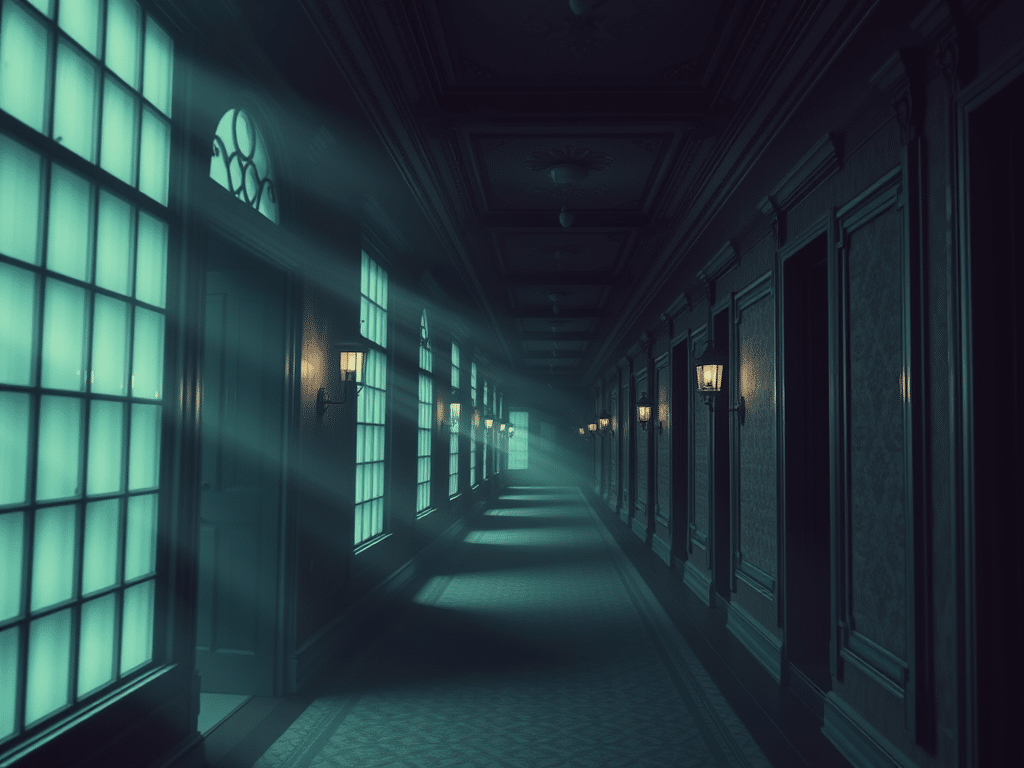
Over the past 200 years, there have been reports of sightings of Annie’s spirit at the estate. Witnesses to Rose Hall have reported seeing Annie, clad in a red velvet gown, whipping intruders while riding a black horse across the grounds at night. The mansion’s great hall and cellar have been the scene of eerie whispers, cries, and footsteps. Faint music and the sounds of wailing babies also evoke Annie’s restless spirit.
Reports of Annie’s face turning up in pictures suggest that one of the mansion’s original mirrors is a hive of paranormal activity. Some people think Annie is not the only ghost of tormented slaves that haunts the premises. Many people believe that the numerous terrible deaths at Rose Hall during Annie’s tenure are the origin of these paranormal activities. Although official documents indicate that Ann Palmer led a regular life, the White Witch legend endures, drawing crowds of tourists to Rose Hall in the hopes of seeing Annie’s ghost.
The ongoing sightings attest to the eerie aura of mystery and pain that surrounds Rose Hall in people’s minds, preserving Annie’s horrifying mythology as a vital component of Jamaican culture. Whether true or not, the eerie stories play a big role in drawing tourists to the old house who are looking for paranormal experiences.

Analysis
The myths surrounding Annie Palmer and Rose Hall represent a larger body of mythology in the Americas that connects the paranormal to plantation life and slavery. Stories portray plantations as places of immense misery and death, giving rise to restless spirits, particularly those of enslaved people mistreated by their owners. In Jamaican folklore, Annie Palmer in particular is a classic villain—a nasty white witch who mistreated her slaves.
The narrative also highlights the misconceptions people have about spiritual traditions like voodoo, which were frequently demonized and connected to evil.
Her narrative has influenced several artistic creations and has great cultural relevance. For instance, Johnny Cash wrote a song about the legends called The Ballad of Annie Palmer.
The most dramatic stories about Annie Palmer, though captivating, don’t seem to be real. Documents imply that the actual Anne Palmer was a model wife who passed away from illnesses rather than at the hands of slaves. She was real. She was married to Rose Hall’s owner, John Rose Palmer. However, there is no evidence of murder, voodoo, or extramarital affairs, and she was born in England, not Haiti.
Much of the legend derives from a novel by H.G. de Lisser, showing how lore became exaggerated over time. Still, the stories are important to culture. They provide insight into folklore surrounding the paranormal, as well as the perspective of enslaved people who projected their own misery onto a white witch. The romantic legends still captivate tourists visiting Rose Hall.
Conclusion
The tale of the White Ghost of Rose Hall enthralls audiences despite historical accounts indicating that the actual Annie Palmer most likely led a regular life before passing away from old age. The story continues to be a monument to the ability of folklore to preserve cultural memory, providing a window into the past while also acting as a constant reminder of the brutality that exists in human nature and the unwavering optimism that justice will be served—even in the hereafter.
The White Witch of Rose Hall is a legendary story from Jamaican mythology that sheds light on the region’s beliefs regarding the paranormal and the effects of plantation slavery. Archives may not support Annie Palmer’s life tale, but her persistent ghost story exemplifies the power of myth and imagination. The White Witch is a metaphor for the eerie effects of Jamaica’s turbulent past, more so than just a Gothic story.
References
De Lisser, H. G. (2021). The White Witch of Rosehall. Good Press.
Donahue, J. (2014). The ghost of Annie Palmer: Giving voice to Jamaica’s “white witch of Rose Hall”. The Journal of Commonwealth Literature, 49(2), 243-256.
Harkins, P. (1992). “Spells of Darkness”: Invisibility in The White Witch of Rosehall. Journal of the Fantastic in the Arts, 4(2 (14), 49-64.
Paravisini-Gebert, L. (1990). The white witch of Rosehall and the legitimacy of female power in the Caribbean plantation. Journal of West Indian Literature, 4(2), 25-45.
Rodriques, J. (2021). Obeah, Race and Racism: Caribbean Witchcraft in the English Imagination, by Eugenia O’Neal. New West Indian Guide/Nieuwe West-Indische Gids, 95(1-2), 156-157.


Leave a Reply