
The connection between faeries and demons has long captivated scholars, folklorists, and fans of mythology. Both types of creatures play important roles in a variety of cultural myths, frequently representing forces that are outside the comprehension and control of humans.
History
In the past, it was frequently difficult to distinguish between demons and faeries. The spread of Christianity in medieval Europe demonized many previous pagan beliefs, especially those pertaining to faeries. Initially perceived as guardians or natural spirits, people occasionally recast faeries as evil entities akin to demons. It could be harmful to believe in fairies. The Church recognized fairy believing as a remnant of paganism, leading to accusations of witchcraft during the Reformation. The Church’s attempt to unite spiritual authority and label all supernatural manifestations that defied its doctrine as demonic.
People frequently used demons to identify fairies and elves. For instance, the 900 AD Royal Prayer Book glosses “Satan” as “elf”. In his story, The Wife of Bath’s Tale in the late 14th century, Geoffrey Chaucer compares male elves to incubi, which are demonic creatures that seduce sleeping women. English, German, and Scandinavian prayers from the Middle Ages and early modern times portray elves as evil forces.
Because traditions about the spirits of the dead and fairy tales are similar, religious Puritans of the seventeenth century often believed that fairies were wholly demonic. Once a benign household spirit, the hobgoblin is now considered a malevolent goblin. People regarded and punished fairy-dealing as witchcraft.
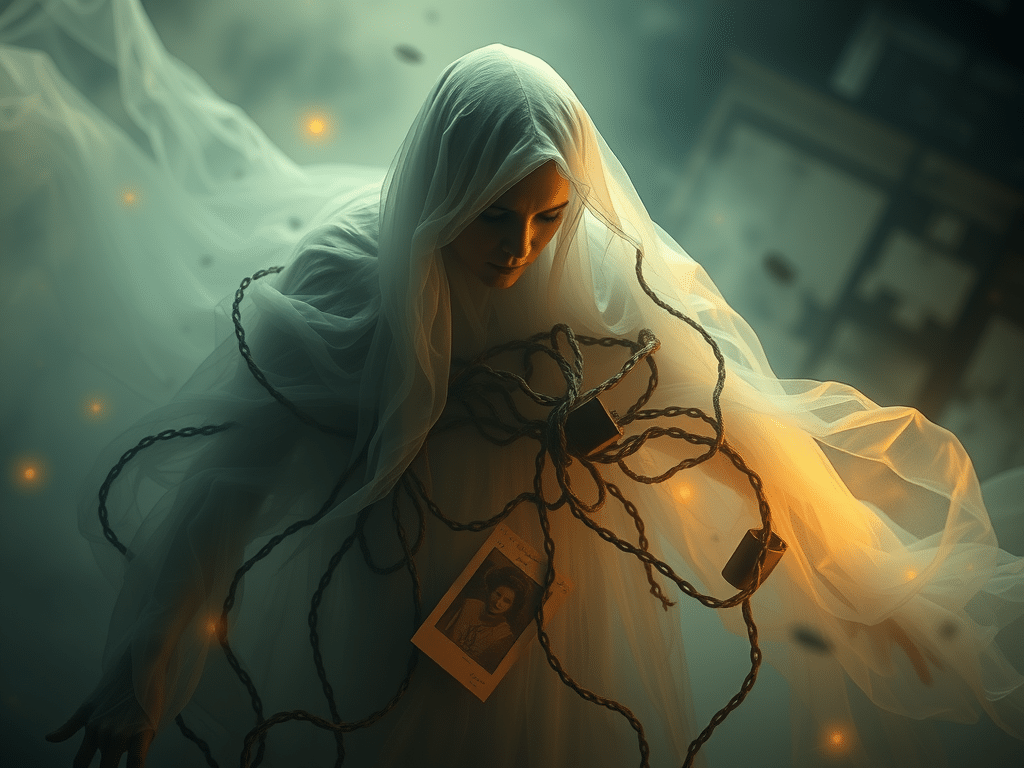
Fairies, according to some, were the ghosts of unbaptized children or, less frequently, adults. Fairies, according to some, were the ghosts of unbaptized children or, less frequently, adults. It was somewhat less common to believe that fairies were the spirits of specific groups of deceased people, such as those awaiting rebirth, those killed too soon, or members of long-extinct races.
According to one belief, fairies belonged to the ghost or dead spirit class, assuming they weren’t actually dead. We can observe the relationship between fairies and ghosts in the recurring themes of perilous times of year, such as Wednesdays and Fridays, Halloween, Midsummer, Beltane, and Midsummer festivals. Iron repels all ghosts and otherworldly beings, just like fairies are repelled by iron.

Similarities
Faeries and demons have diverse origins, yet they have a few important things in common. Both demons and faeries possess superhuman abilities such as shape-shifting, invisibility, and elemental manipulation. Both entities possess the ability to exhibit moral ambiguity. Faeries are infamous for their irrationality; while they occasionally help people, they can also cause trouble or harm. Stories often portray faeries as evil, but they can also display nuanced motivations and actions.
Demons and faeries converse with people on a regular basis, frequently in ways that have a significant impact on their lives. These relationships might be advantageous or detrimental. An Otherworld, a dangerous and magical parallel reality, frequently connects faeries. Demons are also frequently associated with other planes of existence, such as hell or the dimensions of hell.
The custom of striking deals or pacts with faeries and demons is among their most fascinating features. Faeries often shroud deals in uncertainty and mystery. Faeries are renowned for their deviousness and cunning, and the terms can be arbitrary. A faerie’s favor could have unanticipated repercussions because they follow their own set of laws and reasoning. Faerie pacts are mysterious, with stipulations frequently wrapped in enigmas and prone to unforeseen consequences. A seemingly straightforward favor for a faerie could have a hidden cost because their magic follows laws that are beyond our comprehension. These deals frequently entail trades: a song for a lost item, a spot at a faerie celebration for a piece of hair, etc., but the real cost may be significantly higher than initially thought.
Usually more explicit, dealing with devils has a far higher moral and spiritual price. The ultimate price in these agreements is often the soul, or eternal damnation. Demons may still trick or mislead, but they are typically honest about the terrible outcomes of their bargains. A well-known example of a Faustian bargain is when someone trades their soul for power, knowledge, or other material possessions. Demons may promise money, prosperity, magical powers, or other desires, but the price is always high and frequently results in the person’s demise.

Faeries and Demons Together
Demons and faeries both possess unique supernatural abilities that, when combined, might have devastating effects. Faeries frequently possess skills in magic, illusion, and elemental manipulation. On the other hand, demons typically control fire, darkness, and other evil sorceries. Together, they could conjure up potent spells and enchantments that neither one could produce on their own. For instance, a demon’s capacity to inspire dread could enhance a faerie’s charm for mortals, increasing the potency of their combined magic.
Negotiations between faeries and demons themselves may fall within the custom of striking deals with these creatures. A fairy may make a deal with a demon in which the faerie offers the demonic help in exchange for a favor or a piece of faerie magic. Given the cleverness and propensity of both faeries and demons to manipulate terms to their benefit, these deals would probably be complex and dangerous. These agreements could deal with information sharing, territory division, or joint ventures that are advantageous to both sides.
Working together, faeries and devils would inevitably raise moral and ethical issues. With their erratic behavior and frequently evil intentions, faeries and demons would make for an unpredictable alliance. This partnership would provide a more nuanced understanding of good and evil, challenging conventional moral dichotomies. It would also highlight the delicate power dynamics between many realms and the complexity of supernatural politics.
Conclusion
Despite coming from distinct mythical and cultural backgrounds, faeries and demons have intriguing parallels due to their shared magical abilities, moral ambiguity, and intricate relationships with humans. Both of these things represent the perils and appeal of interacting with the paranormal; they both promise enticing benefits but high risks. Comprehending these correlations enhances our understanding of folklore and the innate human inclination towards the supernatural.
Leave a Reply