
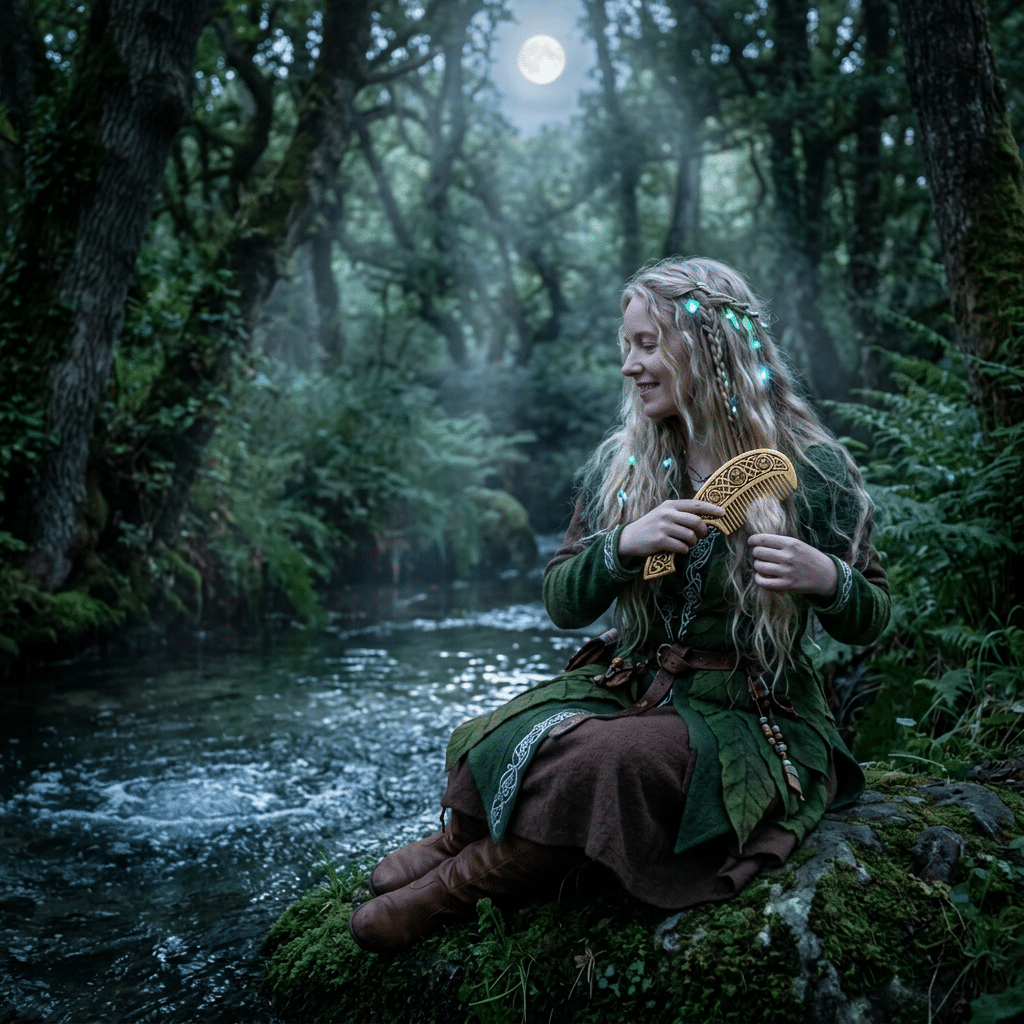
Folklore has a long history, and there are multiple sources that can account for the origins of the belief in fairies. One of these folklore beliefs is that faeries are, in fact, fallen angels.
Faeries
The genesis of fairies is the subject of two different kinds of theories: mythographic and folklore. While mythographic theories believe fairies are not real and attempt to explain how and why people invented them, folkloric theories make the assumption that fairies are real and attempt to explain how they came to be.
Because they predate the conversion to Christianity, beliefs concerning elves and fairies are frequently referred to as “pagan” and “superstition.” However, Christians wrote the vast majority of surviving textual records about elves.
Fairy Tale Theories in Folklore
In Victorian periods, the genesis of fairies was frequently explained in terms of philosophical or spiritual precepts. These opinions are frequently Christian, although they can also be pagans or occultists. Many ideas about fairies were reinterpreted in Christian terms or connected to Christian notions after the emergence of Christianity. The foundation of all these beliefs was the idea that fairies were spiritual creatures with origins in worlds other than the tangible.

Dim Angels
Because of their immoral arrogance, Lucifer’s faithful angels were expelled from heaven along with him. In midair, God prevented them from being sent to Hell and allowed them to stay where they were. (This explains how certain enchanted creatures are able to soar.) Some dropped into the sea, some landed on land, and some plunged far below the surface of hell, where the devil granted them power and wisdom before sending them back to Earth to carry out their evil deeds. Not all, though, were wicked; some would carry out the devil’s commands but would rather be left in peace. A report from Scotland in the nineteenth century tells the tale:
Once a bright star among the angels of heaven, the Proud Angel sowed the seeds of an insurrection. He promised to go and establish a kingdom on his own. The Proud Angel brought biting and prickly lightning out of the threshold with his heels as he left for heaven. The Son finally exclaimed, “Father! Father! The city is being emptied,” and the Father gave the command to seal the gates of both heaven and hell as a result of the multitude of angels that had followed him. This was completed right away. And as the hosts who had left heaven but had not yet reached hell fell into the earth’s holes like stormy petrels, those who were in were in, and those who were out were out. These are the Fairy Folk; they have always been destined to live underneath and are only permitted to surface when and when the King approves.
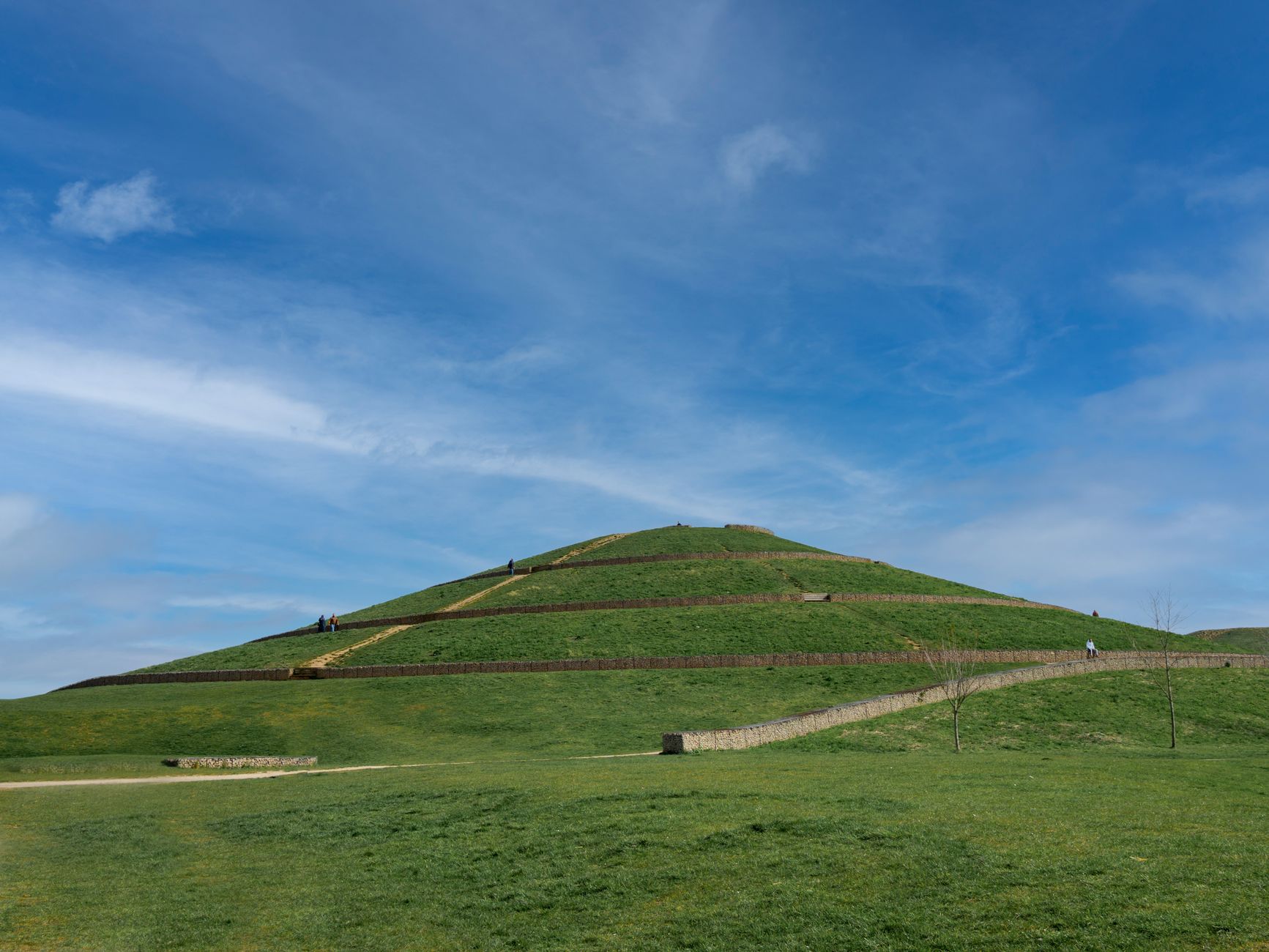
According to a related legend, fallen angels are those who were condemned to spend all of eternity between heaven and hell because they did not choose a side during Lucifer’s rebellion. This version is strongly related to the Irish mythology of Tuatha de Danann, who were similarly banished under the hills, and has these fairies residing in the hills and under the sea. The partially fallen angels did likewise to forget the pleasures of Heaven, which were now permanently barred to them, just as Tuatha de Danann spent their eternal existence with song and dancing to help them forget the loss of sunlight and their homelands.
When a fairy woman encountered a man, she inquired as to whether her soul could possibly be rescued.
Yes, but only if you can say “Our father, which art in heaven,” the man answered.
The fairy woman attempted to respond, but her only words were, “Our father who wert in heaven.” She left in tears, her allegiance to Satan, the Fallen Angel, confirmed.
There is evidence of the connection between fairies and angels in Wales, Scotland, England, and Ireland.
The story of Thomas the Rhymer is one instance when fairies and angels are connected: Thomas and the Queen arrive at a fork in the road where Thomas has to make a decision between three options. The Queen claims that the broad, level, and straight path on the left goes to Hell. The trail to the right is difficult to follow, rocky, and narrow. Thomas is informed by the Queen that this route leads to Heaven. Most of the way into the forest, the trail that separates them is obscured by untamed vegetation.
Conclusion
Although belief in faeries as fallen angels was advanced in medieval times by many, this was not the most common explanation for the fae. Many alternative theories which do not involve fallen angels and demons have been advanced. Faeries themselves are one of the oldest pieces of human folklore regardless of their origins.

Leave a Reply