
Folktales and fantasy stories often portray faeries as whimsical and ethereal creatures of light, magic, and the natural world. However, the concept of undead faeries gives these usually beguiling creatures a dark twist by fusing their mystical attributes with the unsettling elements of undeath.

Faerie Necromancy
There are various stories and myths that explain the existence of undead faeries. Curses and evil magic, to start with, are important. Like many other magical creatures, faeries are vulnerable to strong curses and evil spells. A malicious power or a spiteful sorcerer may curse a faerie, turning it into an undead creature that loses its life force but retains its twisted magic. Briggs (1969) pointed out that faeries are susceptible to such negative impacts since they are closely associated with the supernatural in many folklore traditions. People frequently use the transformation of a light-bearer into an undead monster as a powerful metaphor for what happens when one tinkers with evil forces or violates holy taboos.
Furthermore, myths about nature indicate that it aims for harmony. If faeries are symbols of life and energy, then the undead could appear as a natural contrast, representing death and decay. Silver (1999) examines how the existence of dark mirrors in creatures of light results from the need to maintain a balance between nature’s dualism and the supernatural. The seasons’ cyclical pattern, in which life and death are constantly at odds, demonstrates this equilibrium and implies that faeries, as manifestations of nature, are not exempt from this never-ending cycle.
Strong necromancers who could raise the dead might hunt down faeries for their natural magical abilities, turning them into terrifying minions. Folklore frequently depicts human sorcerers using faerie magic, turning the faeries’ inherent abilities into a double-edged blade (Guilley, 2006). Because faeries have a special ability to alter nature and enchant items, necromancers may seek them out, seeing in them a chance to enhance their own dark powers.
Aside from that, the idea of failing at immortality is fascinating. Faeries are frequently thought to be eternal. In some tales, though, their efforts to elude death or prolong their lives artificially may backfire, leaving them with an undead existence. Davidson (1998) delves into this issue, analyzing the contradiction of faerie immortality and the possible fallout from their arrogance. The notion that immortal creatures, like faeries, could succumb to their own thirst for power and perpetual youth is a terrible irony in their stories.
The Seelie and Unseelie Courts, which stand for the duality of beneficial and evil faeries, are central to faerie mythology. Particularly, the Unseelie Court often harbors ominous and malicious faeries who relish in causing harm to people. The Unseelie Court is where one is most likely to come across undead faeries. Given their inherent tendency toward evil, these dark faeries may be more vulnerable to curses and dark magic, which could cause them to turn into undead creatures. According to Briggs (1969), the Unseelie Court is the home of some of the most terrifying and evil faeries in legend; therefore, it makes sense that undead faeries would have their origins there.

Types of Faerie Undead
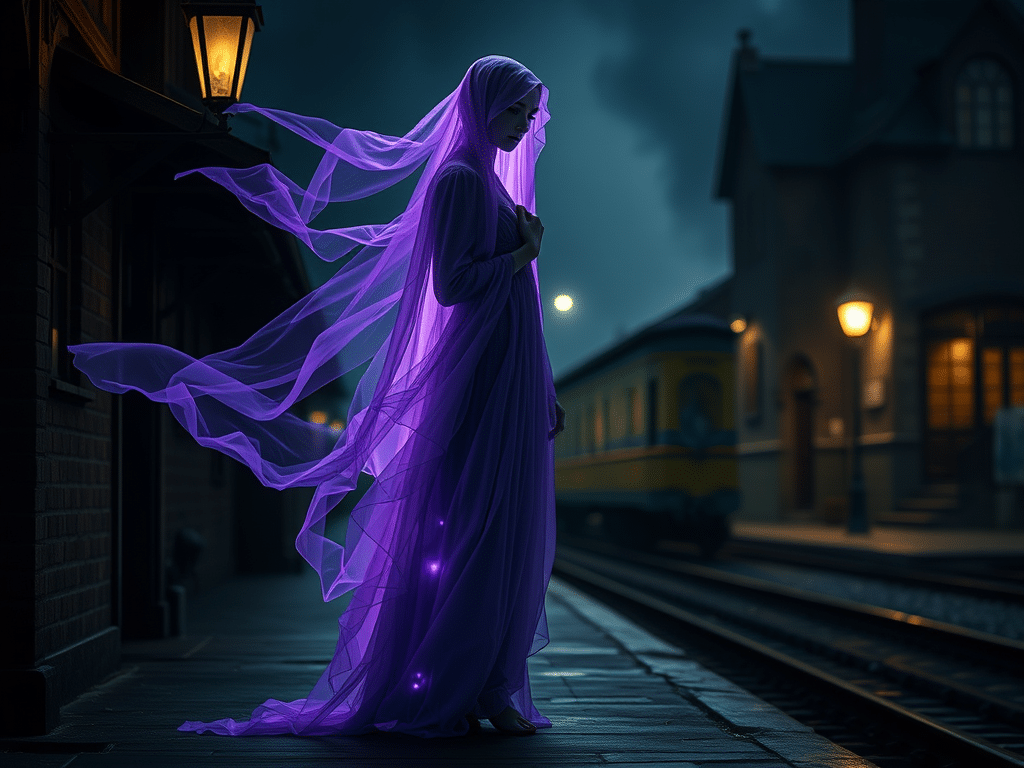
People believe vampire faeries to be seductive yet dangerous creatures, drawing their unusually long lifespan from the blood or life energy of other living things. These beings may be able to entice prey with their alluring looks, but their actual motivations as predators will become apparent. One example is the legend of the Baobhan Sith, a Scottish faerie believed to entice men with its beauty before sucking their blood (MacKillop, 1998). This faerie highlights the fine line between enchantment and terror with its alluring and dangerous combination, making it a captivating figure in the pantheon of undead beings.
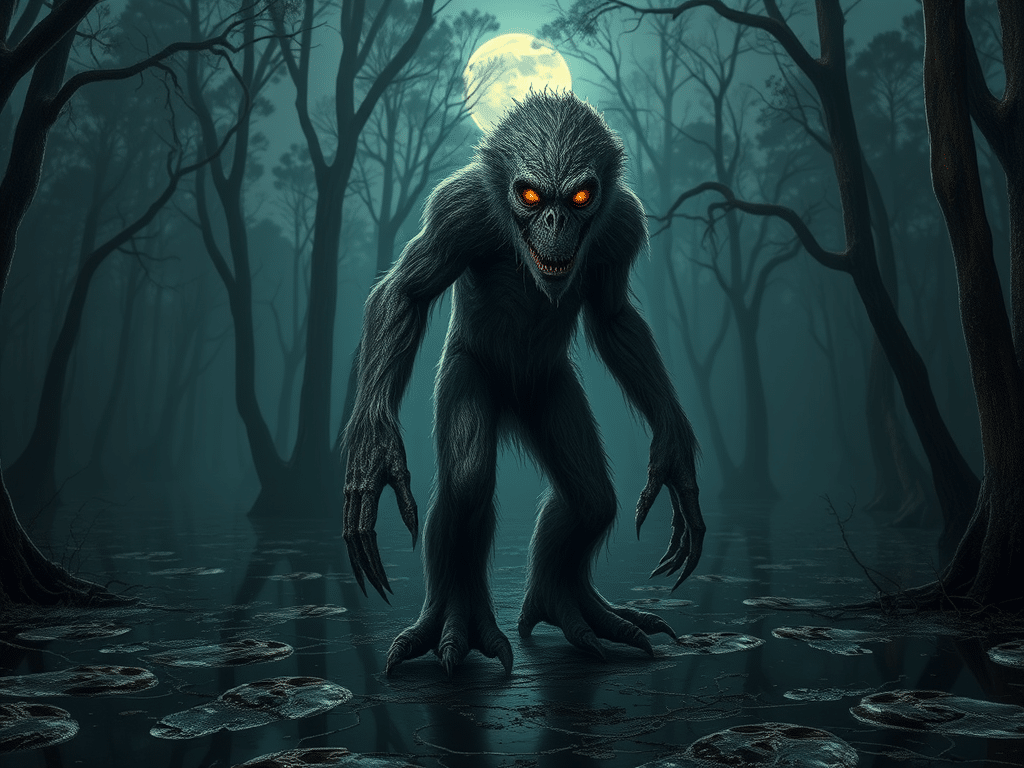
One could portray ghoulish faeries as hideous, warped reincarnations of their previous selves, driven by a ravenous desire to consume living things. These faeries may prowl neglected ruins or old forests, feeding on anybody who ventures too near. Curran (2009) details numerous tales of faeries that change into hideous monsters as a result of curses or black magic in his extensive study of legendary beings. The metamorphosis of a faerie into a ghoul-like state often signifies the complete loss of their previous elegance and beauty, replaced by an insatiable hunger.
On the other hand, zombie faeries may be mindless and motivated only by primal impulses. These might be the product of a curse or a widespread magical illness that resurrects dead faeries into shambling husks. Even though they may not be as smart and crafty as their living counterparts, their sheer might and unrelenting behavior are quite dangerous. This idea is similar to the more general revenant folklore that Curran (2009) explores in connection with faerie lore. Zombie faeries could serve as a somber reminder of the perils of unbridled magic and the tenuous line separating life and death.
Having a liaison with lich faeries would be truly terrifying. These creatures would be faeries who enacted sinister rites to bond their souls to their deteriorating bodies in an attempt to obtain ultimate magical power or endless life. Liches are strong opponents since, in contrast to other undead faeries, they still possess their magical abilities and intelligence. They would probably know more about dark magic than any living faerie, and their goals would be to corrupt or rule over entire kingdoms. Many myths contain such formidable zombie monsters; Silver (1957) provides a thorough analysis, highlighting their potential for unparalleled evil impact. The lich faerie, a creature that has given up its inherent essence in favor of limitless power, is a symbol of the greatest perversion of faerie magic.
Conclusion
The concept of undead faeries offers a haunting and captivating glimpse into the transformation of even the most alluring creatures into terrifying forms, obfuscating the boundaries between magic, death, and life in a seductive manner. This theme offers a rich tapestry for storytelling in fantasy literature and other creative forms, in addition to enhancing the fairy tale. The innate beauty and grace of faeries contrast with the hideous and terrifying elements of undeath, deepening the complexity of these mythological creatures and opening up a world of creative and literary interpretation.
References
Briggs, K. M. (1969). The Fairies in Tradition and Literature. University of Chicago Press.
Curran, B. (2009). Encyclopedia of the Undead: A Field Guide to Creatures That Cannot Rest in Peace. Weiser.
Davidson, H. R. E. (1998). Roles of the Northern Goddess. Routledge.
Guiley, R. E. (2006). The Encyclopedia of Magic and Alchemy. Facts on File.
MacKillop, J. (1998). A Dictionary of Celtic Mythology. Oxford University Press.
Silver, C. (1957). The Silver Bough: A Four Volume Series on the Folklore of the British Isles. Macllellan.
Leave a Reply