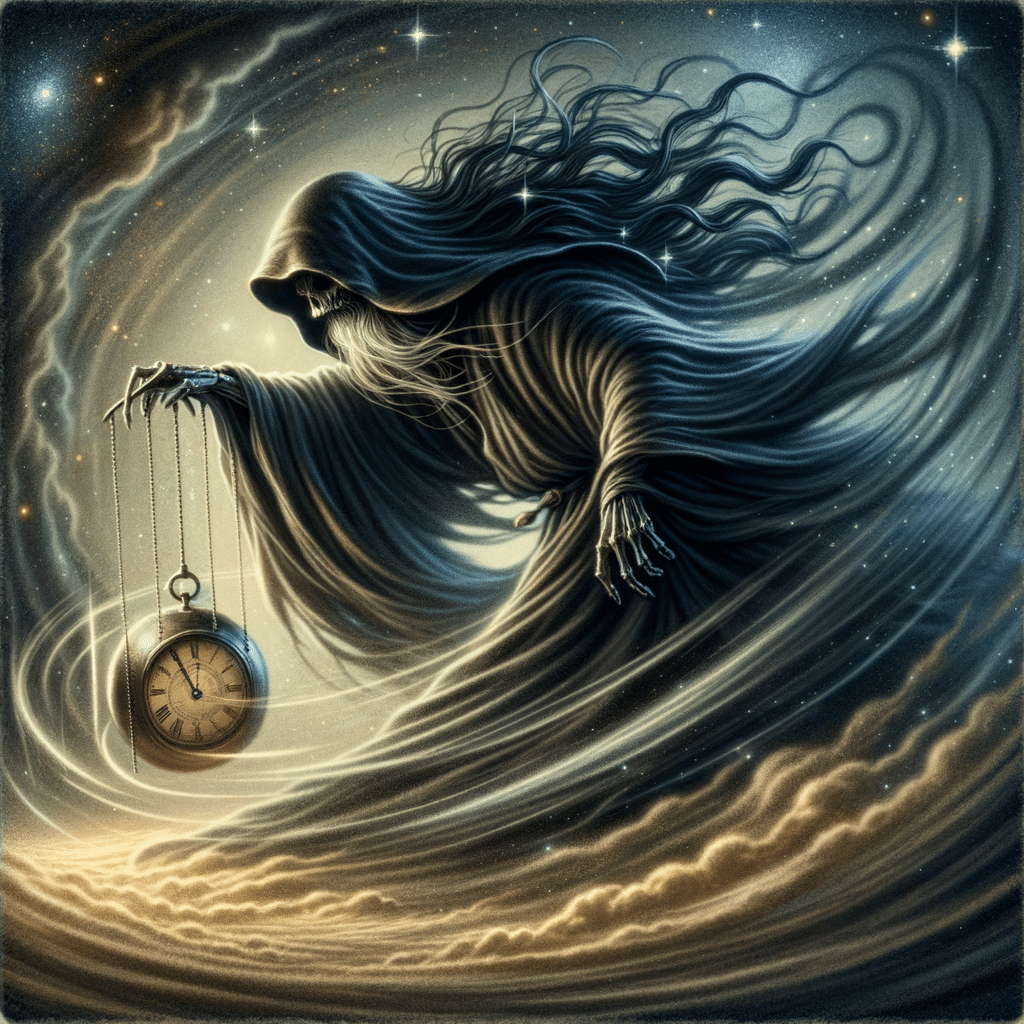
The Greek god of dreams, Morpheus, holds a special place in the pantheon of mythology as a god who unites reality and fantasy, awareness and sleep. Morpheus is a figure intricately intertwined in Hellenistic mythology. His traits, background, and the development of his worship offer a fascinating window into both ancient and contemporary interpretations of dreams and their meaning.

Morpheus Mythology
Often depicted as a winged god, Morpheus swiftly navigates the dream realm with a mysterious elegance. His name, which comes from the Greek word “morphe,” which means “form” or “shape,” emphasizes his capacity to assume any human form and adapt to the demands of the dreamer. With his ability to mold and control dreams, Morpheus became a pivotal figure in Greek mythology, symbolizing the imaginative and capricious quality of the dream realm.
Morpheus entered the pantheon of Greek mythology relatively late. He first appeared in the Roman work, Ovid’s Metamorphoses, which borrowed heavily from previous Greek customs. Ovid names Morpheus one of the Oneiroi, the dream personifications, and the gods’ main messenger in the dream world. His unique responsibility is to convey messages from the divine through dreams; this emphasizes the long-standing notion that dreams can serve as channels for communicating with the divine. The way that Ovid portrayed Morpheus highlights his capacity to take on the form of any character, which makes him a strong and adaptable figure in the legendary world.
The Oneiroi and Morpheus were not as well-known or popularly worshipped as other major gods like Athena or Zeus. However, dreams held significant importance in ancient Greek society, often interpreted as signs or messages from the gods. Temples frequently worshipped Asclepius, the god of healing, where supplicants slept in the hope of receiving healing dreams from the gods, a practice sometimes associated with Morpheus. Although mostly associated with Asclepius, the practice of “incubation,” or asking for divine instruction through dreams, suggests a hidden respect for the dream deities, especially Morpheus. Even though Morpheus was not worshipped directly, his influence was evident in dream-related religion and culture.

Modern Interpretations
In the modern period, Morpheus has evolved beyond his classical roots to become a symbol in numerous literary and artistic works. He frequently represents the mysterious and transformative potential of dreams, an idea that has captured people’s imaginations for ages. Carl Jung, who saw dreams as portals to the unconscious, explored dreams through the prism of characters like Morpheus in his work, which is notable in contemporary psychology. Jung’s archetypes illustrate Morpheus’s enduring influence on dream interpretation by emulating his shape-shifting abilities.
Not to mention, Morpheus has appeared across popular culture. In the Matrix film series, for example, the character Morpheus acts as a guide by pointing out that reality is illusory. This contemporary interpretation emphasizes the god’s ongoing relevance by drawing on the antiquated themes of dreams and reality. The character’s name alludes directly to the god of dreams, highlighting the age-old interest in the line dividing the real world from the dream realm.
Neil Gaiman’s critically acclaimed comic book series, The Sandman, offers a significant contemporary retelling of the dream god’s story. It recasts Morpheus as Dream, a member of the Endless, a race of powerful, eternal creatures that embody universal ideas. Gaiman depicts Dream, also known as Morpheus, as a tall, pallid man with dark, unkempt hair and a frequently melancholy appearance. Gaiman’s interpretation of Morpheus is a multifaceted character who captures the majesty and horror of dreams.
Morpheus’s kingdom in The Sandman is the Dreaming, a vast and strange place where dreams come true for everyone. He has a sense of obligation and solemnity over the dream since he is aware of the significant influence dreams have on the waking world. Gaiman’s story scrutinizes Morpheus’s relationships with other literary and mythical characters, as well as his interactions with individuals who visit the Dreaming. This depiction emphasizes the god’s complexity, presenting him as a distant, occasionally harsh deity in addition to being a creator and destroyer and a kind ruler.
Gaiman’s Morpheus is not unaffected by hardships; throughout the series, he faces obstacles and experiences profound character growth. His journey focuses on issues of accountability, atonement, and transformation. The series explores Morpheus’s past, exposing his transgressions and the fallout from them, providing a complex, multifaceted portrait that appeals to readers. The Sandman, whose mythical beginnings blend perfectly with modern storytelling to create a character who is both eminently relevant and ageless, gives Morpheus new life.
Analysis
Expert analysis frequently highlights Morpheus’ symbolic significance in both ancient and modern contexts. Researchers who have studied the significance of dreams in Greek mythology, such as Carl Kerenyi (1951), have pointed out how important characters like Morpheus were to the ancients’ comprehension of the subconscious. Kerenyi argues that Morpheus’s ability to convey heavenly messages through dreams highlights the Greeks’ understanding of dreams as a vital component of the human experience, spanning the divine and mortal realms.
Greek mythologist Jane Ellen Harrison (1962) examines how figures like Morpheus reflect the Greeks’ endeavor to personify natural and psychological events. Harrison contends that Morpheus personifies the Greeks’ study of the human psyche and its enigmatic workings, representing their preoccupation with the dream world.
Neil Gaiman’s newer renditions of these traditional themes have developed Morpheus into a dialogue on identity, power, and metamorphosis. Scholars have conducted numerous scholarly studies on Neil Gaiman’s The Sandman series, typically focusing on how the figure of Morpheus explores the nature of narrative and mythmaking. Academics such as David A. Beronä (2008) have examined how Gaiman’s depiction of Morpheus functions as a contemporary myth, referencing antiquated customs to tackle modern problems.
Conclusion
The Greek god of dreams, Morpheus, is still a powerful representation of the enigmatic and transformational potential of the dream world. Morpheus is a prime example of the persistent human preoccupation with dreams and their significance, from his legendary beginnings and historical setting to his subdued presence in ancient worship rituals and his enduring influence in modern culture. He is a testament to the enduring fascination of the dream world, since he never fails to inspire and captivate readers, regardless of whether they see him as a divine messenger, a psychological archetype, or a complicated figure in contemporary literature.
References
Beronä, D. A. (2008). Wordless books: The original graphic novels. Abrams.
Gaiman, N. (1989-1996). The Sandman series. DC Comics.
Harrison, J. E. (1962). Prolegomena to the study of Greek religion. Princeton University Press. (Original work published 1908)
Jung, C. G. (1964). Man and his symbols. Doubleday.
Kerenyi, C. (1951). The gods of the Greeks. Thames & Hudson.


Leave a Reply