
Algonquian-speaking tribes in the northern regions of both the United States and Canada mention the Wendigo, a terrifying creature, in their folklore. This malicious monster has captivated the imaginations of writers and horror enthusiasts alike, weaving a tapestry of fear and cultural significance.

Description
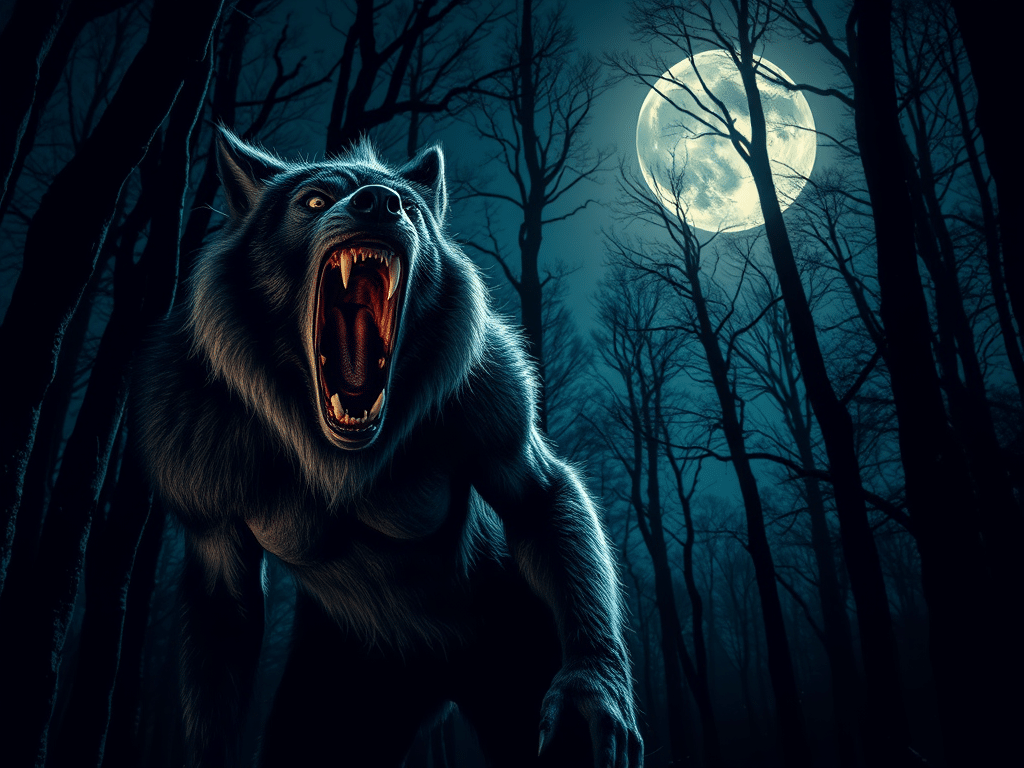
The Wendigo has a bizarre and terrifying appearance. People describe it as a tall and emaciated humanoid form, with a dreadfully pale complexion and sunken, gleaming eyes. The Wendigo boasts elongated and disproportionate limbs, and its mouth extends beyond conventional boundaries, revealing rows of sharp and jagged teeth. The Wendigo’s insatiable appetite for human flesh drives it to engage in cannibalism and perform acts of violence beyond comprehension (Atwood, 2009.)
In a similar vein, the Wendigo’s behavior is quite unsettling. People say it prowls across the freezing wilderness, leaving behind a trail of disfigured bodies and frightening footsteps in the snow. According to legends, it has the ability to imitate human voices, allowing it to lure people into its grasp without their knowledge. The Wendigo monster, with its incredible speed and strength, poses a dangerous threat to anyone unlucky enough to encounter it.
There is a strong connection between the cultural traditions of the Algonquian Native American peoples and the belief in the Wendigo with deep roots (Pawłowska-Mainville, 2022). It is often interpreted as an expression of the most negative aspects of human nature, such as gluttony, greed, and the drive to protect oneself at all costs. People utilized the tales of the Wendigo to impart important life lessons, including the significance of community, the value of sharing resources, and the importance of preserving nature.
The story of a tribe of starved hunters who turned to cannibalism in order to survive a difficult winter is one of the most terrifying stories ever told. The act of consuming human flesh allegedly transformed one of the hunters into a Wendigo. An unquenchable need for more human flesh drives this individual to wander the forest for all eternity. Another tale tells of a young kid who, while wandering aimlessly through the woods, came face to face with the Wendigo. He narrowly escaped its grasp by following a kind spirit’s advice.

Analysis
The Wendigo myths, serving as cautionary tales and moral guideposts for navigating the harsh realities of life in the merciless northern tundra, subjected Indigenous societies to a severe psychological influence. At the most fundamental level, the Wendigo personified the fear of starving and the desperation that may force a person to commit the ultimate taboo activity, which is cannibalism (Podruchny, 2004). When pushed to the brink of existence in a location where food scarcity is a constant fear, the Wendigo symbolises the propensity of human beings to lose their humanity and succumb to their most primitive inclinations.
In addition to the real fear of starving, the Wendigo was also a symbol of the perils that come with greed, selfishness, and a lack of respect for the natural environment. Native American communities were aware of the significance of living in peace with their natural surroundings and sharing resources among members of the group. The Wendigo served as a stern warning against hoarding or taking more than one’s fair share, since these behaviors have the potential to upset the delicate balance and lead to disastrous outcomes.
In addition, the Wendigo legends served as cautionary tales that emphasized the significance of preserving one’s mental and spiritual fortitude in the face of adversity. People believed that giving in to greed, hatred, or other unpleasant emotions could transform a person into a Wendigo, a fate far more terrible than death itself.
These legends reinforced the cultural values and traditions that had supported indigenous tribes for generations, fostering a sense of fear and reverence for the Wendigo. They urged individuals to put the group’s well-being ahead of their own desires, helping to cultivate a sense of community togetherness in the community.
At the end of the day, the Wendigo myths were a significant factor in the development of indigenous cultures’ psychological fortitude and cultural identity. Their presence served as a potent reminder of the repercussions that can result from deviating from the path that is characterized by compassion, respect, and equilibrium with the natural world.
Modern Interpretation
In contemporary times, the Wendigo has emerged as a well-known character in the realms of horror fiction and popular culture. Authors and filmmakers have drawn inspiration from this unsettling legend to explore topics like isolation, survival, and human wickedness. There is a possibility that the Wendigo is a symbol of the devastating forces of colonization and the exploitation of indigenous lands and resources, according to certain views.
Modern interpretations sometimes ignore or minimize the significance of these spiritual components, despite the profound entrenchment of traditional Wendigo tales in the spiritual beliefs and cosmologies of indigenous societies (Howard, 2021). The portrayal of the Wendigo as a supernatural terror monster or metaphor, rather than a fundamental component of a more comprehensive belief system, is prevalent. Some argue that certain contemporary retellings and adaptations of Wendigo stories amount to cultural appropriation (Tailor, 2023). This is because audiences who are not indigenous to the Wendigo people predominantly create and consume these stories, often without the appropriate respect or understanding of the cultural contexts from which they originated.
Some contemporary interpretations use the Wendigo as a metaphor for human vices like gluttony and greed, as well as for the more negative aspects of the psyche. These interpretations delve into the psychological and symbolic components of the legendary creature. Researching the Wendigo as a reflection of human nature is more common than in traditional legends. Contemporary tales occasionally incorporate environmental themes and messages. These retellings portray the Wendigo as a manifestation of human disdain for nature or the consequences of environmental exploitation and destruction. When it comes to the Wendigo tale, contemporary versions frequently take substantial artistic liberties, modifying its look, behavior, and origins in order to cater to the requirements of the specific work or creative vision. There is a possibility that this will lead to considerable deviations from the conventional narratives and beliefs.
Conclusion
The Wendigo continues to captivate audiences and it continues to keep its place in the public psyche, despite the fact that it has a reputation for being terrifying. This serves as a reminder of the power of storytelling, as well as the continuing relevance of cultural narratives in our comprehension of the reality that surrounds us.
References
Atwood, M. (2009). Strange things: the malevolent north in Canadian literature. Hachette UK.
Howard, A. J. (2021). Wild man, cannibal, trickster: The wendigo in literature and media (Doctoral dissertation, University of Leeds).
Pawłowska-Mainville, A. (2022). Cannibalizing the Wiindigo: The Wiindigog in Anishinaabeg and Oji-Cree Boreal Landscapes and Its Re-presentations in Popular Culture. Literatura Ludowa, 66(3), 51-69.
Podruchny, C. (2004). Werewolves and windigos: narratives of cannibal monsters in French-Canadian voyageur oral tradition. Ethnohistory, 51(4), 677-700.
Tailor, V. Wendigo. (2023). Psychosis: From Colonial Fabrication to Popular Culture Appropriations and Indigenous Reclamations. In Culture-Bound Syndromes in Popular Culture (pp. 203-223). Routledge.



Leave a Reply