
One of Europe’s most mysterious and supposedly haunted buildings is the majestic Houska Castle in the Czech Republic, roughly 50 kilometers north of Prague. Built in the 13th century under the rule of Bohemian Ottokar II, this Gothic fortification had an unusual architectural feature: its defenses pointed inward rather than outward, which many thought meant it was intended to contain something rather than guard against outside threats. Local tradition holds that the castle was constructed over the Gateway to Hell, a bottomless hole reputed to produce evil beasts and supernatural phenomena (Curran, 2011).

Nazi Connection
For millennia, the site of the castle perplexed historians since it was not located close to any trade routes, water supply, or strategic point of view. Rather, it was built in a far-off area among deep forests, with its major feature a church constructed straight over a sizable hole in the earth. Prisoners, allegedly dropped into this hole before the castle’s construction, reported seeing winged, half-human creatures and other hideous entities. These stories apparently inspired the church’s building to close the magical doorway (Michal, 2008).
The castle became even more well-known during World War II when Nazi soldiers claimed to be conducting occult experimentation and paranormal investigation inside its walls. Reports indicate that the site’s claimed connection to other dimensions and reputation for supernatural activity drew Nazi researchers there. Though exact proof of these operations is still elusive, several stories assert that Nazi scientists tried to use the portal for their own needs (Perry, n.d.).
The claimed Nazi takeover and experimentation at Houska Castle remain mostly a mystery due to the lack of recorded proof. Local stories and some historical documentation claim that the SS seized the castle in 1943 under direct orders from high-ranking Nazi officials, most likely due in part to its reputation for paranormal activity. Said to be led by a group of SS occultists, German researchers were said to have carried out a variety of tests trying to harness or comprehend the claimed portal. These supposedly included attempts to record inexplicable events, track temperature variations, and quantify electromagnetic abnormalities. Certain stories also imply they tried to interact with or gather proof of the mysterious forces thought to occupy the castle.
Nevertheless, much of what we know comes from local legends and secondhand stories, as many records were lost or destroyed in the last days of World War II. Though these assertions remain unsubstantiated, several witnesses claimed to have seen odd lights and heard strange noises emanating from the castle during the Nazi occupation. There simply isn’t a lot of good documentation from this time for this castle.
The Nazi interest in Houska Castle fits their recorded obsession with occult subjects and paranormal study, especially via the Ahnenerbe group that looked into supernatural and archeological events. Beyond proving the Nazi presence at the castle, though, historians have discovered scant hard data on particular experiments or their outcomes. The discrepancy between official history and local tradition about Nazi activity at Houska Castle shows how wartime occupation sometimes gets entwined with existing supernatural fiction, producing stories that are challenging to either confirm or refute decades later (Wood & Kolek, 2010).

Paranormal Connection
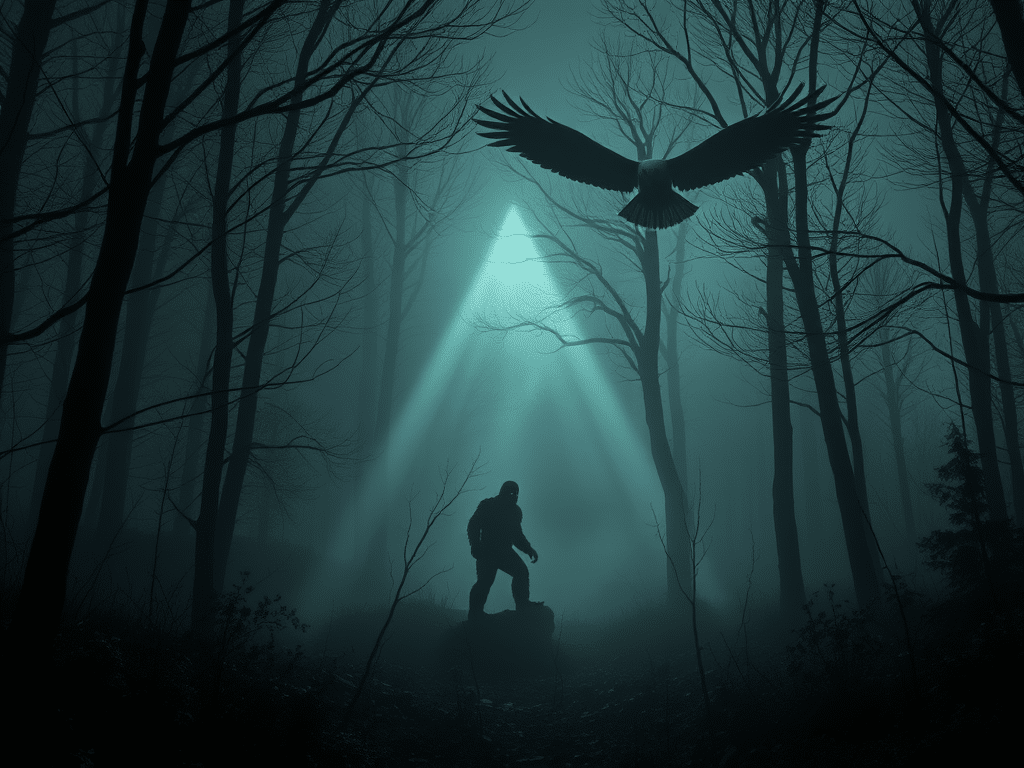
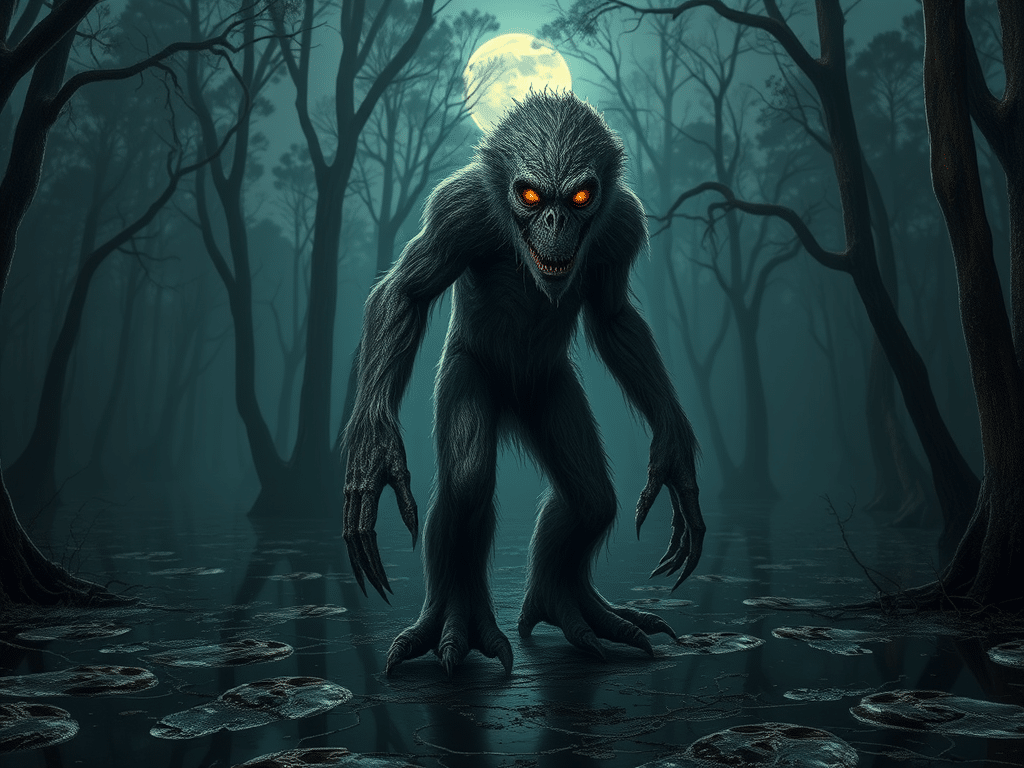
Over the years, guests to Houska Castle and paranormal investigators have documented many inexplicable events. Typical events include the sound of screaming and scraping from the chapel floor, shadowy figures showing up in pictures, and the sense of being watched or followed. Many guests have reported witnessing a headless black horse galloping across the courtyard or encountering a hybrid monster with a human body and bullish traits. Many have also noticed unexpected temperature falls, particularly near the chapel.
People have allegedly seen several separate ghostly entities at Houska Castle, creating a complex tapestry of supernatural interactions. Often reported as floating several inches above the ground, a very well-known apparition is that of a lovely young woman in a white dress appearing in the windows and huge hall of the castle. Witnesses assert she is deeply depressed, and some believe she might have been a noblewoman killed in the castle.
The spirits of prisoners allegedly dropped into the pit before the castle’s construction haunt the castle’s dungeons. Visitors have claimed to see shadowy individuals sprinting across the little hallways, muffled screaming, and shackles clanging. Some witnesses say these people look emaciated and messy, sporting frayed medieval attire. Among the most often mentioned apparitions are those of a group of plowmen supposedly killed in the castle during the Middle Ages. Said to show up early in the morning, especially in autumn, these spirits stroll over the castle grounds carrying ghostly farming tools. Sometimes spotted riding across the courtyard before disappearing into the walls; accompanying them is the enigmatic, headless black horse (Pfanz et al, 2019).
The chapel area has its own unusual supernatural occupants. Several witnesses have seen a monk-like man who seems to always be in prayer close to the altar. Even when the castle is unoccupied, the sound of Latin chanting is usually accompanying this creature. Particularly around the face and hands, some guests have also claimed to see what they describe as a human-animal hybrid creature—with the form of a man but possessing hideous animal traits.
The most unsettling accounts center on what witnesses describe as shadow people that seem to surface from the walled hole under the chapel. Some stories claim that these beings, darker than natural shadows, maintain their darkness even in the presence of direct light. Personnel and guests have reported seeing these shadows, which appear to follow people around the castle before disappearing when directly challenged.
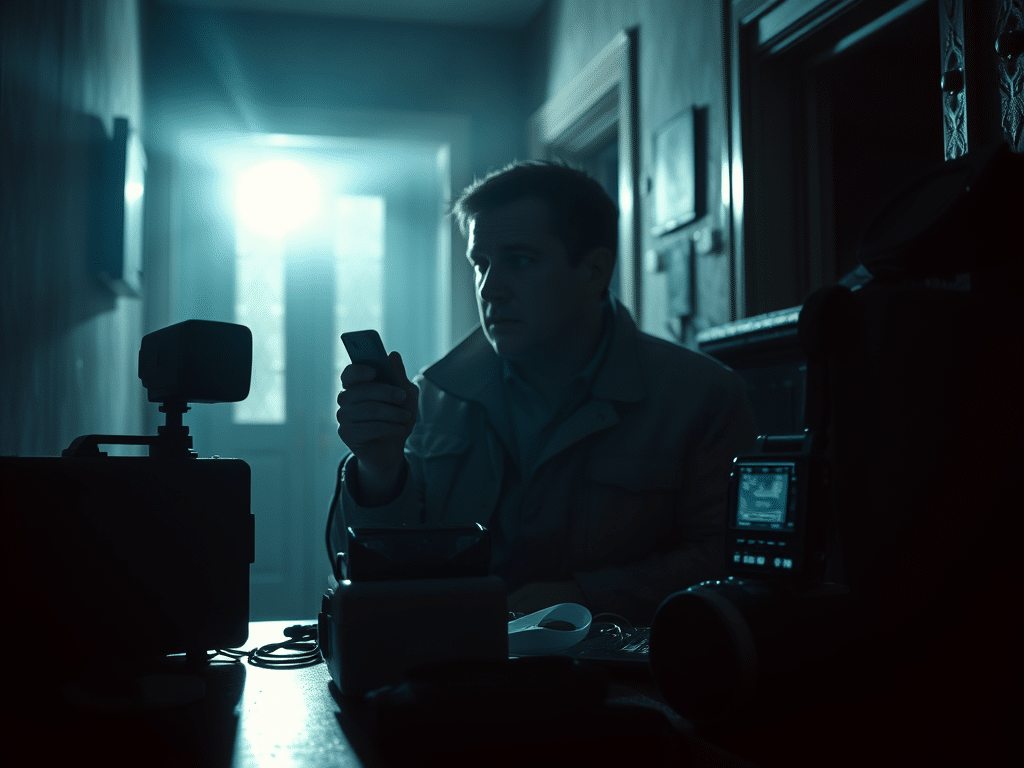
Dramatic temperature decreases, electromagnetic field fluctuations, and inexplicable equipment failures are just a few of the unexplainable events modern paranormal investigators have recorded along with these apparitions. Many visitors have reported camera difficulties, battery depletion, and unexplained orbs or figures showing in their pictures that were invisible to the unaided eye. Photography seems especially impacted.
These different ghostly meetings have greatly added to Houska Castle’s reputation as one of the most actively haunted sites in Europe. Some people believe these sightings are just a result of suggestion, the old buildings’ eerie atmosphere, or the castle’s isolated and spooky setting. However, the consistent and detailed accounts from different times and people still interest paranormal researchers and historians (David, 2004).
Houska Castle is now a major site of interest for modern folklore and paranormal aficionados in supernatural studies. Numerous television series, documentaries, and paranormal research projects have included the castle. Its reputation as one of Europe’s most haunted sites stems from the inspiration horror writers, directors, and artists have derived from its singular past and stories. The castle’s enigmatic past has been covered in several books and publications, and it still attracts visitors and paranormal investigators from all over the globe.
Conclusion
Houska Castle’s heritage lives as evidence of mankind’s continuous obsession with the supernatural and inexplicable. The castle’s distinctive construction, remote location, and consistent accounts of paranormal activity continue to beg questions even if critics contend that its legends are only the result of medieval superstition and imaginative narrative. Whether one believes in its supernatural links or not, Houska Castle is nonetheless a striking illustration of how historical sites could entwine with paranormal ideas to produce a complex tapestry of mythology that enthralls both storytellers and generations of tourists.
References
David, P. (2004). The Wonders of Bohemia, Moravia, and Silesia. Euromedia Group.
Curran, B. (2011). The World’s Creepiest Places. Red Wheel/Weiser.
Michal, K. (2008). Everyday Spooks. Karolinum Press.
Perry, B. P. (n.d.). The gateway to hell: Why was Houska Castle built? Sky HISTORY. Retrieved February 9, 2025, from https://www.history.co.uk/articles/houska-castle-gateway-to-hell.
Pfanz, H., Yüce, G., D’Alessandro, W., Pfanz, B., Manetas, Y., Papatheodorou, G., & Raschi, A. (2019). The Gates to Hell in Antiquity and their Relation to Geogenic CO2 Emissions. In Toxicology in Antiquity (pp. 185-219). Academic Press.
Wood, M., & Kolek, R. (2010). A Ghost a Day: 365 True Tales of the Spectral, Supernatural, and… Just Plain Scary!. Simon and Schuster.
Leave a Reply