
Underneath the surface of many old stories and folklore, there are frequently deeper truths about the human condition. One such link exists between the lycanthropy, or werewolfism, supernatural occurrence and the physiological state of alcoholism. Both entail change, loss of control, and a duality of life that has captivated and horrified humanity for millennia. The relationship between these apparently unrelated events is investigated in this essay together with how the werewolf myth has been a potent metaphor for addiction, especially alcoholism, over history. Looking at both situations separately and then at how they are connected symbolically helps us understand how folklore grows to help communities deal with and understand human problems like trust and changing behavior.

Overview
Alcoholism is a chronic, developing illness marked by a psychological and physical need for alcohol notwithstanding unfavorable effects. Alcoholic people find it difficult to regulate their drinking; they get preoccupied with getting alcohol; they continue to drink despite personal and professional damage; and they have physiological symptoms during withdrawal. The alcoholic person often talks of feeling like two separate people—their sober self and their drunk self—with the latter capable of behaviors, phrases, and actions that would horrify their sober consciousness. This dual nature causes immense shame, which ironically fuels more drinking as a means of escape from awareness of behaviors taken when drunk. The destructive pattern created by the cycles of regret, resolution, and relapse destroys relationships, professions, and finally physical health (Edenberg & Foroud, 2013).
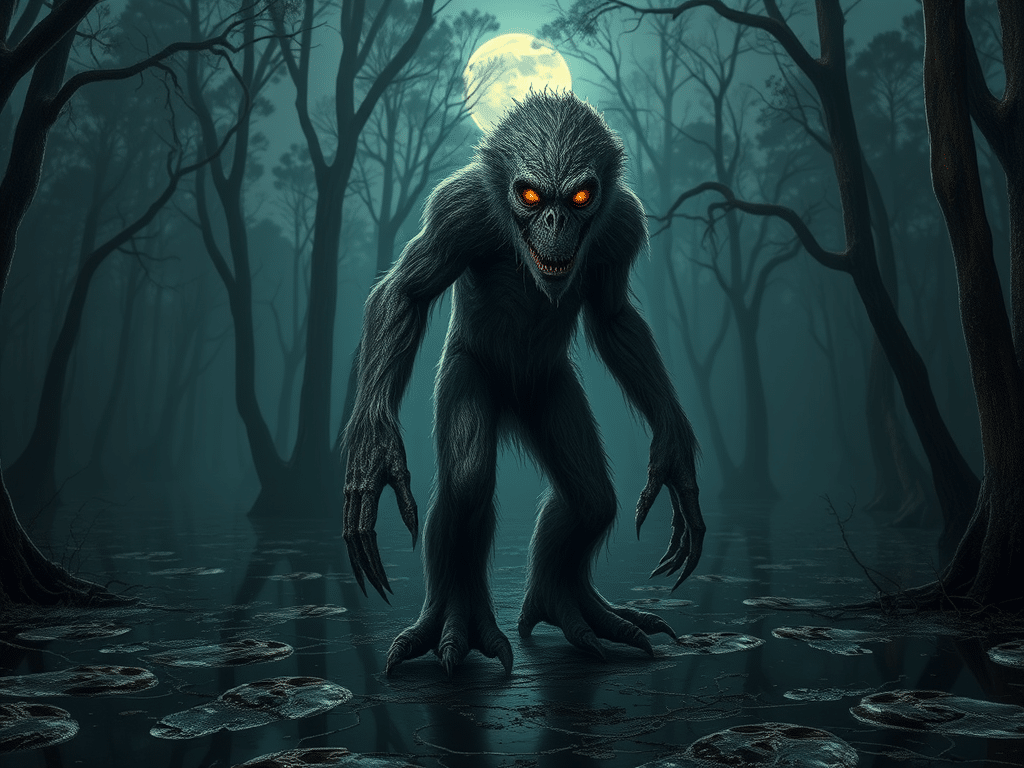
In its legendary sense, lycanthropy—which classically occurs with a full moon—describes the supernatural transformation of a human into a wolf or wolf-like monster. Across many civilizations, the werewolf myth shows remarkably consistent basic elements: an ordinary person suffers a terrible metamorphosis into a savage beast with superhuman strength and animal instincts, then finally returns to human form with varied degrees of awareness about their actions. Many classic iterations of the werewolf myth see the changed person assaulting even loved ones without regard or control, losing all sense of their human conscience and moral compass. Historical narratives often highlight clinical lycanthropy, a rare psychiatric disorder in which people believe they are changing into animals, especially wolves, therefore illustrating how this idea crosses psychological reality with supernatural ideas (Otten, 1986).

Alcoholism and Werewolves
With connections that go beyond simple comparison, the werewolf legacy functions as a potent parable for alcoholism. Both disorders include a startling metamorphosis that some find frightening and threatening. Like the werewolf, the drunk may become invisible to loved ones during episodes of drinking, showing hostility, poor judgment, and actions totally incompatible with their sober character. For the sufferer as well as those close by, the cyclical character of both diseases—the werewolf’s metamorphosis with the lunar cycle and the alcoholic’s pattern of sobriety and relapse—creates a rhythm of hope and despair. Most importantly, both the alcoholic experience and the werewolf lose a substantial degree of control and become vulnerable to forces outside their conscious will that propel terrible activities they would never contemplate in their human or sober condition (Ruck, 2016).
Over millennia, folklore about lycanthropy has developed in ways that reflect society’s shifting perspective on alcohol and drug abuse. In medieval werewolf stories, the change could be seen as either divine punishment or the result of evil agreements, similar to modern ideas that moral or spiritual flaws can lead to bad behavior and addiction. By the Victorian era, werewolf stories started addressing themes of heredity and the “beast within” all people, paralleling early medical realization that alcoholism might have inheritable components rather than being only a moral defect. Modern interpretations of werewolf mythology often incorporate themes of the struggle for control and the search for cures or management techniques, reflecting modern knowledge that addiction is a treatable condition requiring continuous management rather than a character defect needing punishment. Lycanthropy and alcoholism are diseases, not moral flaws.
The physical symptoms reported in werewolf transformations are remarkably similar to features of extreme alcohol withdrawal. The physical suffering of delirium tremens, involving tremors, hallucinations, and great bodily discomfort, is paralleled in werewolf stories by the anguish of transformation—with bones breaking and reconstructing, skin stretching, and tremendous pain throughout. Historical reports of suspected werewolves reflect the way people present during alcoholic binges and withdrawal: they show people with messy appearances, remarkable vigor during bouts, and later tiredness. The hypersensitivity to sound and light experienced during alcohol withdrawal suggests that some werewolf stories may have started with seeing people struggling with addiction; even the enhanced senses claimed to be werewolves can be compared .
Impact
Cultural reactions to alcoholics and werewolves expose notable similarities in how societies manage supposed hazards. Communities have swung historically between compassion and contempt for both diseases. While alcoholics have been hospitalized and given spiritual treatments, medieval villages may exile suspected werewolves while also praying for their redemption. The search for remedies in both traditions, ranging from temperance pledges to patent drugs, reveals societal attitudes. The use of silver bullets and wolfsbane for lycanthropes reflects the desire for quick cures for alcoholism. Modern methods acknowledge that individuals who are suffering do not choose their illness, regardless of the harm they may cause to others, and therefore, they require greater empathy and scientific knowledge. Lycanthropy and alcoholism have no quick cures.
Literature and movies mostly address the werewolf-as-alcoholic metaphor via subtext, occasionally directly. Though nominally about wolves and hounds, Jack London’s The Call of the Wild and White Fang were written during London’s own battles with alcoholism and explore ideas of civilized creatures returning to primeval conditions. Movies like The Wolf Man (1941) captured the protagonist’s terror over his uncontrollable changes in ways that connected with stories of addiction at the time. More contemporary works, like An American Werewolf in London, directly replicate alcoholic blackouts by clearly showing the protagonist waking after transformations with no recollection but evidence of destruction. By using the safer distance of supernatural metaphors, these cultural representations have helped societies absorb and grasp the intricacy of addiction (Mann, 2020).
Key elements of acceptance, community support, and constant awareness run across recovery stories for fictional werewolves as well as alcoholics. Often with the aid of others who share their condition, modern werewolf literature shows characters who come to accept their situation and discover safe means of management—a direct parallel to rehabilitation groups like Alcoholics Anonymous. The idea of the werewolf learning to control transformations instead of being cured completely reflects the emphasis of modern addiction treatment on management instead of eradication of addictive impulses. Both stories stress that healing starts with accepting one’s situation instead of denial and that keeping control depends on the help of others who know the experience (McMahon-Coleman & Weaver, 2012).
Conclusion
The werewolf myth offers a strong prism through which one may view the experience of drinking and addiction. This folklore analogy helps us to comprehend how civilizations have struggled with knowledge of major behavioral shifts, loss of control, and the duality of human nature. From moral failing to medical disease, from individual weakness to communal responsibility, the growth of werewolf lore matches our evolving knowledge of addiction. Examining this relationship helps us to understand not just how myths serve as psychological processing tools but also the timeless human struggle with the “beast inside” that threatens to develop when control is lost. Whether through drug addiction or supernatural change, the fear of losing one’s humanity to forces beyond one’s control is still a strong theme in both personal and cultural expression. This shows that mythology can still help us understand difficult human experiences through symbolic means. Lycanthropy and alcoholism go hand in hand.
References
Edenberg, H. J., & Foroud, T. (2013). Genetics and alcoholism. Nature reviews Gastroenterology & hepatology, 10(8), 487-494.
Mann, C. I. (2020). Phases of the Moon: A Cultural History of the Werewolf Film. Edinburgh University Press.
McMahon-Coleman, K., & Weaver, R. (2012). Werewolves and other shapeshifters in popular culture: A thematic analysis of recent depictions. McFarland.
Otten, C. F. (Ed.). (1986). The Lycanthropy Reader: Werewolves in Western Culture. Syracuse University Press.
Ruck, C. A. (2016). The wolves of war: evidence of an ancient cult of warrior lycanthropy. Neuroquantology, 14(3), 544-566.

Leave a Reply