Six Key Points About the Fuath
-
Fuath are evil water spirits from Scottish Gaelic tradition that live in the streams of the Highlands.
-
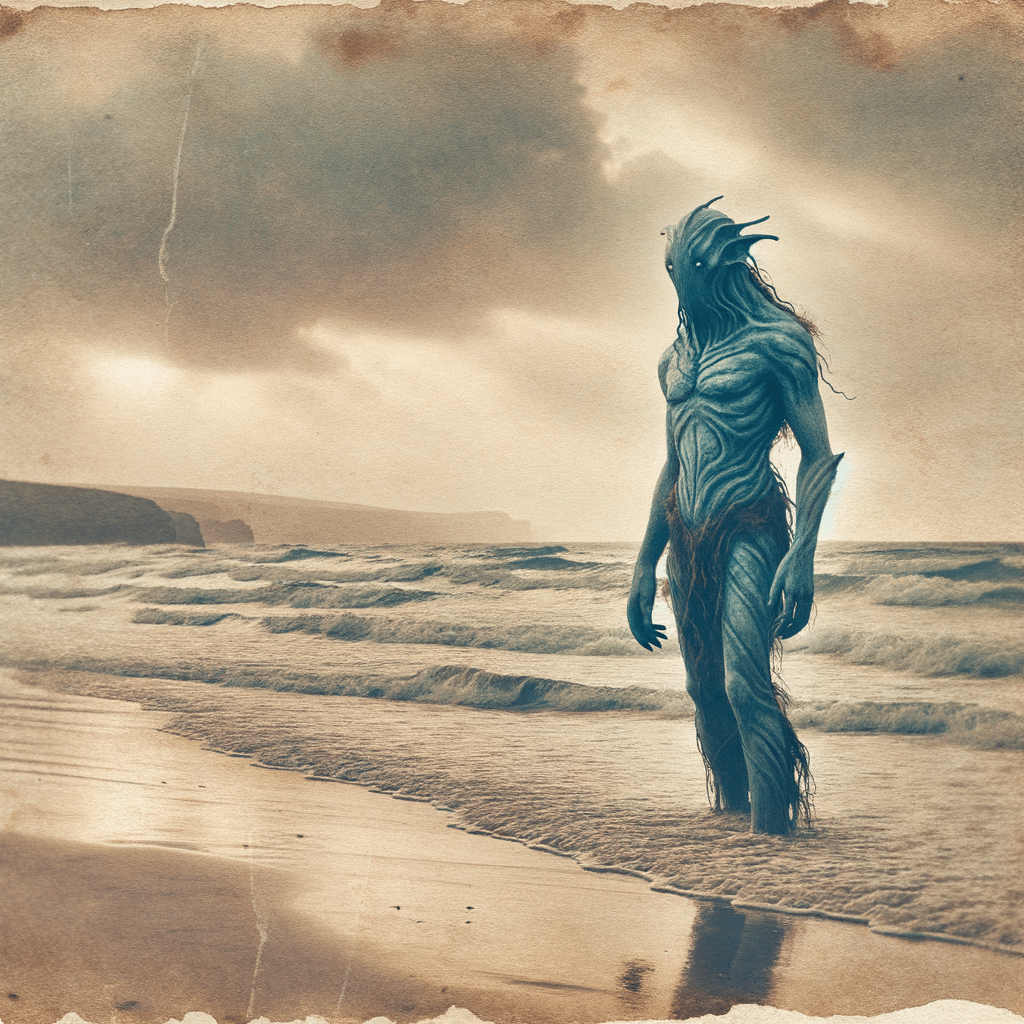
They look like shapeshifters with green skin and both human and aquatic traits.
-
They aggressively lure people in and drown them, especially at night and in the winter.
-
These stories were useful warnings and led to the creation of group rituals to keep people safe.
-
Scholarly theories range from changed pre-Christian gods to emblems of the risks of drowning.
-
Even though fewer people believe in Fuath legends literally, they nonetheless have an impact on Scottish culture and tourism.

Introduction
The Scottish Highlands, with their mist-shrouded mountains and deep, dark lochs, have long been regarded as places of mystery and danger. Among the many supernatural beings believed to inhabit these remote landscapes, few are as feared as the fuath, a collective term for malevolent water spirits or fairies in Scottish Gaelic folklore. These creatures have haunted the imagination of Highland communities for centuries, serving as both cautionary tales and explanations for the dangers of Scotland’s waterways. The fuath represent a complex mythology that reflects the Highland people’s relationship with their environment, particularly the perilous waters that could both sustain and destroy human life.
Description
The fuath encompass numerous specific water spirits in Scottish folklore, each with distinctive characteristics tied to particular waterways. The most infamous include the each-uisge (water horse), a shapeshifter that lures riders onto its back before drowning them in lochs, and the kelpie, a similar entity haunting rivers and streams rather than still waters. Other notable varieties include the blue men of the Minch (storm-raising sea spirits), the gruagach (female water spirits with golden hair), the fideal (marsh-dwelling creatures), and the peallaidh (shaggy male water monsters). The nuckelavee, a particularly horrific skinless horse-human hybrid from Orcadian folklore, is sometimes classified among the fuath, as are the gentle but still dangerous selkies (seal-people) and the deadly glaistig (half-woman, half-goat entities). These various water spirits, while sharing malevolent intent toward humans, reflect the diverse aquatic environments of Scotland, from rushing rivers and deep lochs to dangerous coastal waters and deceptive marshlands (Briggs, 2002).
Physically, these beings are typically described as combining human and animal features, often appearing partially or completely green with webbed hands and feet. Some accounts depict them with the upper body of a human and the lower body of a fish or horse, while others describe them as entirely humanoid but with distinctive aquatic features such as scales, fins, or seaweed-like hair. The fuath were said to be shapeshifters, capable of assuming different forms to lure their victims, though their true nature could sometimes be betrayed by telltale signs like water weeds in their hair or wet clothing even on dry days.
The behavior of the fuath is characterized by a deep hostility toward humans, with most tales depicting them as actively malicious rather than merely mischievous. These water spirits were believed to lure unwary travelers to watery graves, dragging them beneath the surface of lochs, rivers, and the sea. The each-uisge, for instance, would appear as a handsome horse on land, enticing riders to mount before bolting into the deepest part of a loch, where it would devour its victim, leaving only the liver to float to the surface. Similarly, kelpies would disguise themselves as beautiful horses or attractive humans to tempt victims onto their backs or into their arms before drowning them. The fuath were particularly active at night and during the transitional times of dawn and dusk, and were said to be especially dangerous during Samhain and the winter months (Goodrich-Freer, 1899).
![By Author - Colum, Padraic (1916) The King of Ireland's Son[1], New York: Henry Holt; (Internet Archive copy accessed 2016-07-09), Public Domain, https://commons.wikimedia.org/w/index.php?curid=95037818](https://i0.wp.com/connectparanormal.net/wp-content/uploads/2025/07/Colum-KOISHolt1916-Pogany-illustr-p095-fuawater_creature-1.png?resize=201%2C300&quality=80&ssl=1)
Analysis
In Scottish folklore, the fuath served important cultural and social functions beyond mere supernatural entertainment. Tales of these creatures established boundaries around dangerous natural features, effectively warning children and strangers away from deep water, treacherous currents, and unstable riverbanks. The geographic specificity of many fuath legends—often attached to particular lochs, waterfalls, or stretches of coastline—suggests they evolved as localized warnings about specific dangers (Mac Néill, 1929). Furthermore, these legends reinforced community bonds through shared narrative traditions and collective precautions. Highland communities developed rituals to protect against the fuath, such as carrying iron or rowan wood when traveling near water, avoiding certain places after dark, and observing taboos against whistling or singing near known fuath habitations.
Scholars have proposed various theories regarding the origins and significance of fuath legends in Scottish culture. Some folklorists suggest these tales represent memories of pre-Christian water deities, transformed into malevolent entities as Christianity spread through the Highlands. Others view them as personifications of the very real dangers of Scottish waterways, where sudden storms, hidden currents, and frigid temperatures claimed many lives throughout history. Psychoanalytic interpretations have suggested the fuath symbolize the subconscious mind or repressed fears, with water representing the unknown depths of human psychology. Anthropological perspectives, meanwhile, frame these legends as cultural adaptations that helped communities navigate environmental hazards and establish group identity through shared beliefs and practices.
The impact of fuath legends extends beyond their original context, influencing literature, art, and modern Celtic revival movements. Scottish writers from James Hogg to contemporary authors have drawn upon these traditions, incorporating fuath-like creatures into their works as metaphors for psychological states or environmental concerns. Tourism in the Scottish Highlands frequently capitalizes on these legends, with Loch Ness being the most famous example of a body of water associated with a mysterious creature, though the “Nessie” of modern fame differs significantly from traditional fuath descriptions. Modern paganism and Celtic spiritual movements have sometimes reinterpreted these beings, attempting to reclaim them as nature spirits requiring respect rather than simply monsters to be feared. This recontextualization reflects changing relationships with both folklore and the natural environment (Allison, 2023).
The persistence of fuath legends in modern consciousness raises questions about the enduring power of folklore in technological societies. Despite scientific explanations for drownings and water accidents, these ancient beliefs continue to resonate on emotional and cultural levels. The fuath embody humanity’s ambivalent relationship with water—essential for life yet potentially deadly—and our tendency to personify natural forces we cannot fully control. Even as literal belief in water spirits has waned, the psychological truth these legends convey about human vulnerability in the face of nature remains relevant. Modern environmental concerns about water pollution and climate change have given these old tales new resonance, as people once again grapple with the power and fragility of aquatic ecosystems (Nilsen, 1996).
Conclusion
The fuath represent a fascinating example of how human communities use narrative to navigate their physical and psychological landscapes. These water spirits emerge from the specific geography and culture of the Scottish Highlands, embodying local knowledge about environmental dangers while simultaneously expressing universal human fears about the unknown depths that lie beneath seemingly calm surfaces. While few modern Scots would claim literal belief in these creatures, their continued presence in literature, tourism, and cultural memory speaks to their psychological potency and symbolic versatility. The fuath serve as a reminder that folklore is not merely superstition or entertainment but a complex system of knowledge transmission and cultural expression that continues to evolve and find relevance even in our scientific age. As long as humans live alongside bodies of water that can both nurture and destroy, stories of what might lurk beneath the surface will likely continue to capture our imagination.
References
Allison, S. (2023). MELTING IN THE DAYLIGHT: The Asrai’s emergence in modern myth. Shima, 17(2).
Briggs, K. M. (2002). The fairies in tradition and literature. Psychology Press.
Goodrich-Freer, A. (1899). The powers of evil in the Outer Hebrides. Folklore, 10(3), 259-282.
Mac Néill, E. (1929). The Mythology of Lough Neagh. Béaloideas, 2(2), 115-121.
Nilsen, K. E. (1996). The Priest in the Gaelic Folklore of Nova Scotia. Béaloideas, 171-194.



Leave a Reply