Key Points About Mine Ghosts
-
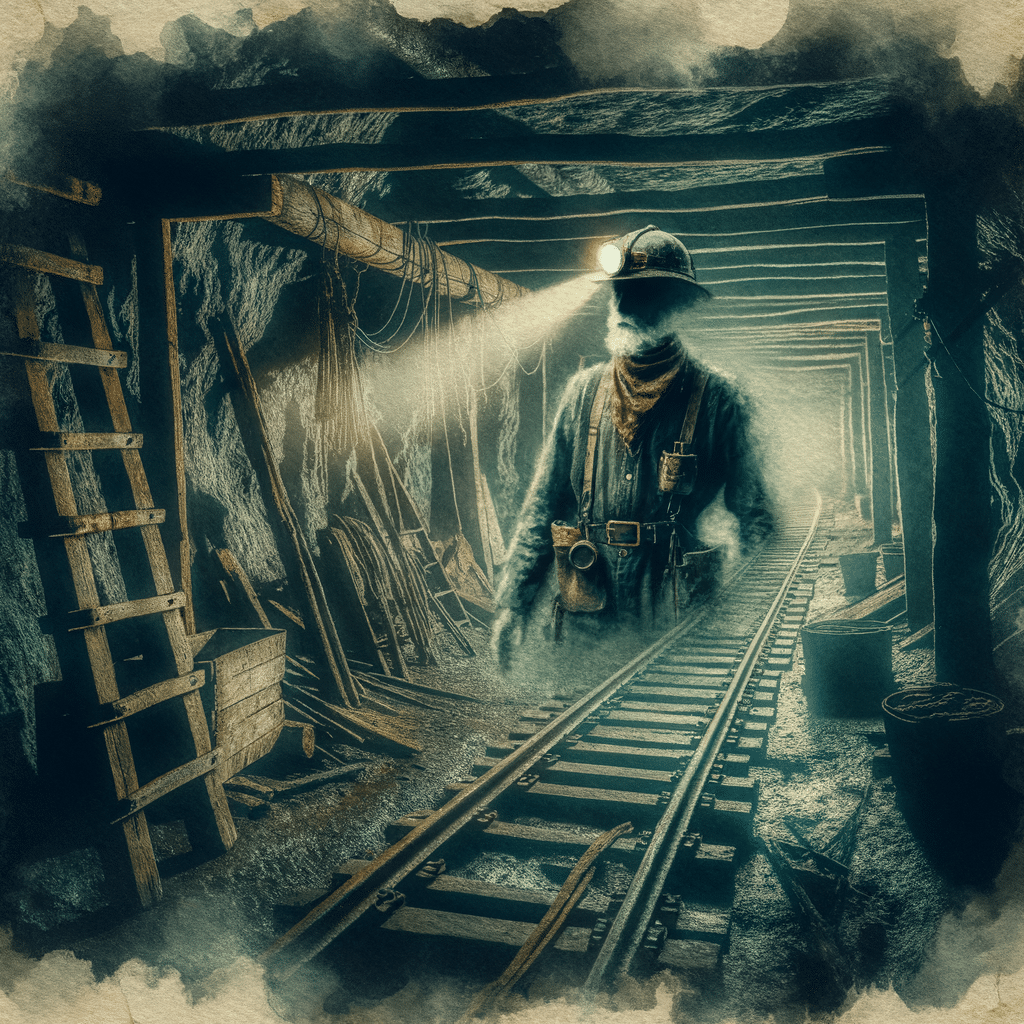
Mine ghosts usually look like dead miners with fatal injuries. They show up as floating lights, strange knocking sounds, or coal-dusted figures that are stuck in the area where they died.
-
In mining legends from around the world, there are supernatural beings like Cornish “Knockers,” German “Berggeister,” and Welsh “Coblynau” that either warn miners of danger or show them where to discover valuable resources.
-
Arizona’s Vulture Mine, South Dakota’s Big Thunder Gold Mine, and Tasmania’s Beaconsfield Mine are all famous haunted mines that have become popular tourist spots for paranormal activity.
-
My ghost stories are scary legends that remind people to follow safety rules and honor the miners who died underground.
-
These spooky stories have had an effect on popular culture through horror movies and video games, and they have also helped former mining communities build new economies based on tourism.
-
Mine ghost stories are still around because we are interested in strange things that happen underground. They also show how much it costs people to get resources from the earth.

Introduction
People have long thought that strange things happen in the dark, winding tunnels of mines, especially phantom figures that roam their depths. These underground mazes, made by people looking for minerals, have become the setting for stories about ghostly miners, guardian spirits, and frustrated ghosts. Mining communities all around the world have made up rich folklore about these underground hauntings over the years. The phenomenon has led to a particular type of ghost story that is closely linked to the risks and solitude of mining life. This essay looks at the unique traits of mine ghosts, their role in mining folklore, notable haunted mining sites, and the long-lasting effects these stories have had on mining culture and beyond.
Mine Ghosts
Mine ghosts have special traits that set them apart from other ghostly beings. These traits frequently show the specific risks and hazards of mining operations. My ghosts are different from ordinary hauntings that happen in homes or public places. They often show up as former workers who died in mining accidents, and their bodies sometimes show the horrible injuries that killed them. These ghosts might look like floating lights that look like miners’ lamps, strange pounding sounds that seem like unseen pickaxes at work, or full-bodied ghosts coated in coal dust or mining clothes. The spirit of a mine usually stays in the same place where it died, trapped in the exact ground that took its life. Such behavior makes for a haunting that is literally built into the mine’s geological structures (Cline, 2015).
Mining mythology from numerous cultures has created complex traditions around these supernatural beings, which often help people who labor in these perilous places. People in Cornwall, England, thought that the “Knockers” or “Tommyknockers” were the spirits of Jewish miners who worked in the tin mines in the Middle Ages. They made knocking sounds that either warned of danger or directed workers to rich veins of ore. German mining towns were home to “Berggeister” (mountain spirits) and the well-known “Kobold,” a goblin-like creature that could either aid or hinder mining operations. Welsh mining traditions said that “Coblynau” were tiny spirits, no taller than 18 inches, who would lead honest miners to valuable mineral veins but lead greedy or rude miners astray. These supernatural beliefs often served as early warning systems. For example, experienced miners would see or hear strange sounds or events as signs to leave regions that might be about to collapse (James, 1992).
Some of the most famous haunted mines in the world have gained fame that goes beyond the mining villages where they are located. The Abandoned Vulture Mine in Arizona is said to be home to the ghosts of twelve miners who perished in a terrible cave-in. Visitors have said they heard voices begging for help and felt like they were being watched by people who weren’t there (Anderson & Wilson, 2023). People say that the Big Thunder Gold Mine in South Dakota’s Black Hills is haunted by Bert, a miner who perished in an explosion. People say they can still see his ghost checking mining equipment and disappearing into solid rock sides. The Beaconsfield Mine in Tasmania, Australia, was the site of the renowned mining catastrophe and rescue in 2006. It has since been linked to paranormal activity, like a 19th-century miner’s ghost and self-operating equipment. These places have grown popular with paranormal investigators and thrill-seekers, turning old factories into spooky tourist spots.

Analysis
Mine ghost stories have a psychological effect that goes beyond just being fun. They show deeper parts of mining culture and how people interact with perilous underground surroundings. In active mining areas, ghost stories typically function as warnings that remind people to follow safety rules and respect the dangers that come with the job. The ongoing story of dead miners staying at their posts can be considered a metaphor for how the mining industry has historically ignored worker safety and the long-lasting trauma that mining communities feel following disasters. These stories also serve as a way to remember the people who died underground, keeping their memories alive when official records could have forgotten them. In this sense, my ghost stories serve as both oral history and ways for communities affected by the mining sector to express their feelings (Manning, 2005).
In contemporary times, many ghost stories have evolved beyond their origins, impacting wider popular culture and tourism industries in locations previously associated with mining. Horror movies like My Bloody Valentine and The Descent use the fear of being trapped in haunted mines a lot. Video games also often employ abandoned mines as places for supernatural events. Former mining towns have embraced their ghostly reputations by offering ghost tours of old mining sites that mix history lessons with spooky fun. Butte, Montana, was previously regarded as “the richest hill on Earth” because of its copper mines. Now, it promotes the World Museum of Mining as one of the most haunted places in the United States. This commercialization of mining hauntings is a way for communities that lost their main business when mines closed to adapt their economies by turning industrial history into paranormal tourism.
The enduring nature of my ghost stories prompts inquiries into human psychology and our connection to subterranean environments. Mines are dark, lonely, and dangerous places that can make people hallucinate, see things that aren’t there, and feel more anxious than usual. These conditions could explain many of the otherworldly experiences that people have recorded. Weird geological events, such as temperature changes that can’t be explained, weird acoustics that transmit sounds from far-away regions of the mine, and pockets of gases that can make people feel lost, can explain many ghostly encounters. These stories continue to fascinate people, though, because they tap into deep-seated fears about what lies beneath the surface, both literally (what’s underground) and figuratively (what’s hidden in the depths of human experience) (Prideaux & Timothy, 2010).
Conclusion
The ghosts of mines are a unique and long-lasting part of ghostly lore that still scares and fascinates people. These spirits, which emerged due to the dangerous conditions and high death rates in mining history, have transformed from practical warnings for miners into cultural touchstones that preserve industrial legacy and create jobs in former mining areas. Many ghost stories have been told in many cultures and for many years. Their existence shows how powerful they are as metaphors for how people relate to the underground world, which we have used for resources but never completely understood its dangers or secrets. As long as mines are part of our environment and memories, the souls of those who died in these dark places will continue to haunt our minds, reminding us of the toll that mining takes on people.
References
Anderson, P., & Wilson, D. (2023). Haunted Mining Towns of Arizona. Arcadia Publishing.
Cline, B. W. (2015). Buried Bodies, Buried Treasure: Coal Mines and the Ghosts of Appalachia. South Carolina Review, 47(2).
James, R. M. (1992). Knockers, knackers, and ghosts: immigrant folklore in the Western mines. Western Folklore, 51(2), 153-177.
Manning, P. (2005). Jewish ghosts, knackers, tommyknockers, and other sprites of capitalism in the Cornish mines. Cornish Studies, 13(1), 216-255.
Prideaux, B., & Timothy, D. J. (2010). From mining boom towns to tourist haunts: The ghost town life cycle. In Mining heritage and tourism (pp. 249-260). Routledge.

Leave a Reply