Night Hags: Key Points
-
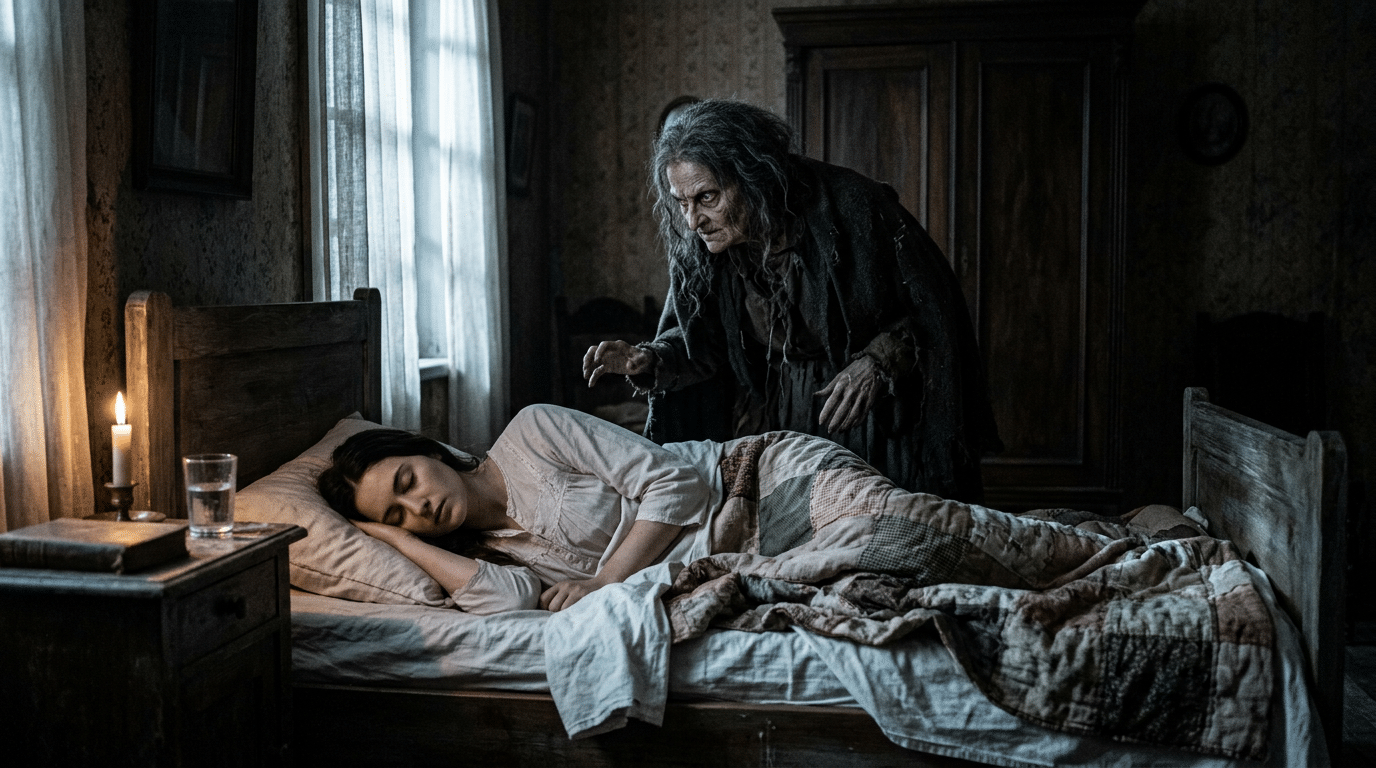
Night hags are malevolent folklore entities depicted as grotesque elderly female creatures that attack sleeping victims across many cultures.
-
They were believed to sit on sleepers’ chests, causing paralysis and feeding on life force or souls.
-
Night hags provide a folkloric explanation for sleep paralysis, where people wake unable to move while experiencing chest pressure and hallucinations.
-
In Dungeons & Dragons and fantasy games, night hags are powerful fiendish creatures that invade dreams and steal souls.
-
Theories suggest night hags represent universal sleep disorder experiences, fears about female power, or anxieties about vulnerability during sleep.
-
Night hag beliefs have influenced sleeping practices, contributed to witch persecutions, and persist in how we discuss nightmares today.

Introduction
Night hags are a fascinating blend of myths, real-life medical conditions, and fantasy games. They represent one of the most ancient attempts to elucidate the terrifying sensation of paralysis during sleep. The word “nightmare” comes from the Old English word “mare,” which comes from the Germanic word “mara.” Many different cultures include these wicked monsters in their mythology. People have been talking about the night hag for hundreds of years. It began as an old belief and has since become a well-known feature of both medical literature and popular culture. To understand night hags, you must examine their historical descriptions, their alleged behavior, their connection to sleep disorders, their use in modern games, and their cultural impact.
In traditional stories, night hags are frequently represented as hideous old ladies with magical powers and terrible intents. People usually report that these animals had withered features, keen claws, and eyes that shine and cut through the dark. People from different cultures see them a little differently, but they all have something in common: they are related to darkness, age, and physical ugliness, which aligns with their wicked nature. Some stories indicate that they can change shape and look like beautiful women during the day, but at night they exhibit their true, hideous shapes. Almost always, the physical descriptions emphasize elements intended to shock and disgust those who observe them.
Much research indicates that the hag is a common figure in myths from Eastern Europe and Slavic and Turkic cultures. The hag is a woman who eats people, consumes their blood, or does other horrible things in many legends. She is usually linked to the darkness or the underworld. Kazakh and other Turkic folklore portrays “hag” figures (e.g., Zhalmauyz Kempir) as wicked elderly women who threaten life and property, mirroring the global night-hag archetype as a precursor to danger and chaos (Rakysh et al., 2016).
People generally know about night hags since they target people who are asleep at night. Folklore tells that these creatures would come into people’s bedrooms at night and sit or push on their victims’ chests, making it difficult for them to move or call for help. People thought they fed on their victims’ breath, vital force, or even souls, which made them lethargic and afraid when they woke up. Some people thought that night hags could “ride” their victims all night, which would give them unpleasant dreams or take their souls to wicked places. Individuals thought that the creatures primarily went after persons who were alone in bed, had done something bad, or had somehow angered supernatural powers. People from different civilizations came up with different strategies to protect themselves from night hag attacks. These encompassed prayers, talismans, religious icons, and certain postures for repose.
Sleep Paralysis and Medical Interpretations
This connection between cognitive-behavioral and neurophysiological has been looked at in a number of places, which talk about both diagnostic frameworks and folkloric interpretations. Descriptions of sleep paralysis and its association with nocturnal beings are present in both historical and clinical literature, illustrating how this occurrence has been seen as supernatural visitation throughout diverse civilizations (Cox, 2015; Kompanje, 2008; Hayward, 2021). These stories show how medical conditions like sleep paralysis and hypnagogic hallucinations are related to mythological beings like incubi, sleep demons, or old hags (Cox, 2015; Hayward, 2021). The same trend may be seen in academic reviews that discuss how SP is perceived in different cultures, like as a demon or a ghost (Pisadeira in Brazil, Old Hag in Newfoundland, etc.) (Sá & Mota‐Rolim, 2016). These sources combined illustrate a substantial cross-cultural link between night-hag apparitions and incidents of sleep paralysis.
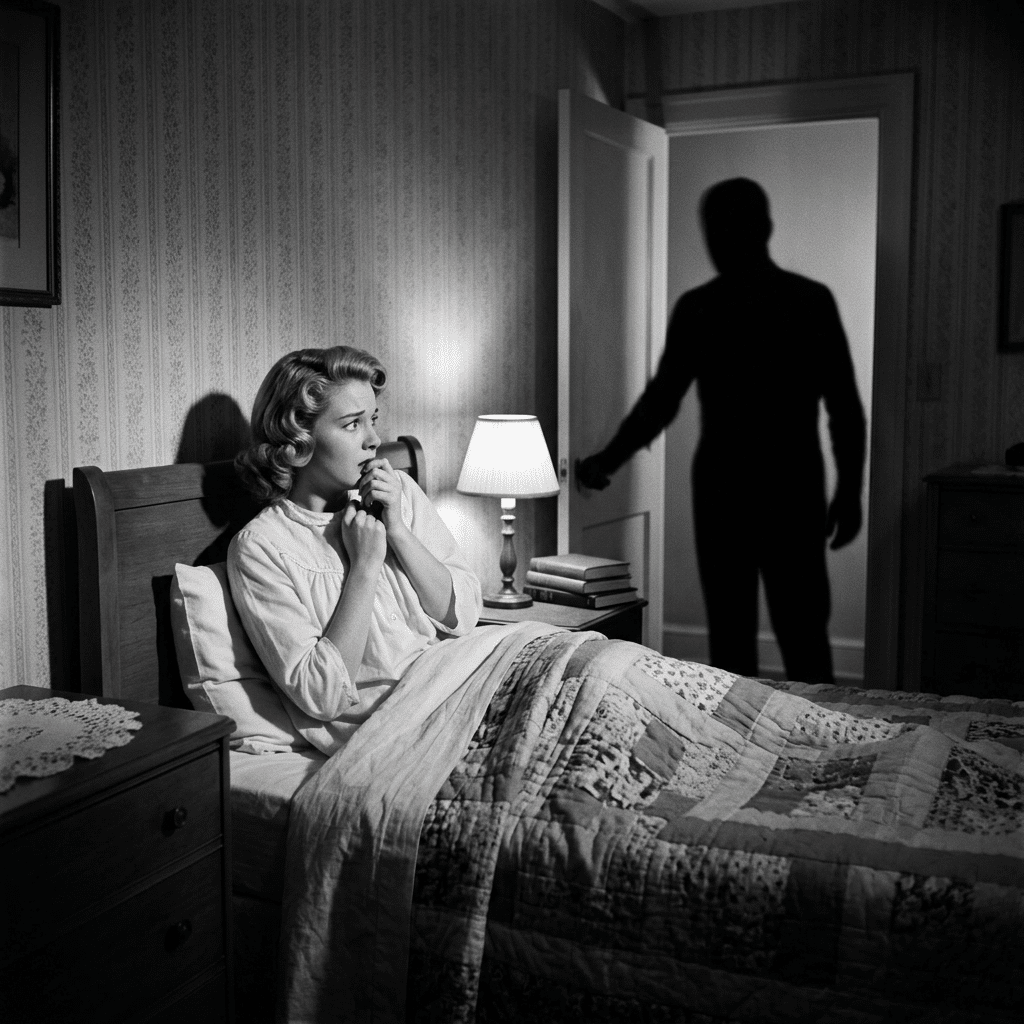
There is a significant connection between night hags and sleep paralysis, which is why people have believed in the supernatural for hundreds of years. During REM sleep, a person wakes up, but their body is still paralyzed. This condition is called sleep paralysis. This state of consciousness makes people feel alert yet unable to move. People with this disease often see things that aren’t there, such as thinking there is a terrible person in the room and a tremendous weight on their chest. It’s quite fascinating that these symptoms are so similar to what people have always stated about night hag attacks. This finding certainly explains where the myths come from. People who have suffered sleep paralysis in the past didn’t have any scientific way to understand what was occurring to them, so they naturally felt that these episodes were attacks by evil spirits. Recent sleep studies have shown that many people encounter sleep paralysis at least once in their lives. This symptom happens more often to persons who don’t get enough sleep or who have trouble sleeping.
Night hags are a key feature of nightmares in general, not simply sleep paralysis. The Old English word “mare,” which means “night” and “mare,” is where the word “nightmare” derives from. People used to imagine that night hags could produce or manipulate dreams, which made people see scary things that aided the creature. The hag might use these nightmares to hurt foes, gain information, or just satisfy her thirst for human agony. The connection between night hags and unpleasant dreams became so strong in language and culture that we still use the word “nightmare” today, even though most people don’t believe in spirits that can affect dreams anymore. This language legacy reveals how firmly the image of night hags has been in people’s imaginations for a long time.

Night Hags in Fantasy Gaming and Popular Media
In fantasy games, notably Dungeons & Dragons, night hags have been turned into powerful malevolent monsters who make fantastic villains. Night hags are evil monsters who inhabit the bottom planes of D&D. They like to corrupt mortals and take their souls. They are depicted as intelligent spellcasters capable of accessing the Ethereal Plane and infiltrating the dreams of sleeping individuals, inflicting nightmares that can be lethal. In D&D, night hags often look like old, worn-out ladies. However, they are incredibly powerful magic users that can change shape, cast spells, and construct magical things from stolen souls. They typically join forces with other hags in covens to make their already formidable powers even greater. Night hag rules are from folklore but have been changed for interactive storytelling and conflict.
The ludic bestiary idea helps us figure out why characters like night hags keep turning up in games. Stang and Trammell’s analysis of the ludic bestiary, specifically the hag as a case study, argues that the Monster Manual and related bestiary entries institutionalize the female “other” as malevolent, contemptible, and monstrous, thereby reinforcing patriarchal narratives within gaming communities. The authors talk about how these tropes have been changed for usage in digital games and retellings of stories. They show how the hag is still a well-known and easy-to-recognize evil in both tabletop and digital RPGs (Stang & Trammell, 2019).
People who might not have heard of the original legends have heard of night hags because of the game adaptation. People have used the idea of the night hag in video games, tabletop role-playing games, and fantasy fiction for amusement. In various games, night hags are formidable adversaries typically classified as being at least level 5 or higher. They can hurt players with magic and control them. Some games center on the areas where dreams invade, demanding players fight night hags in their dreams or defend individuals from otherworldly sleep invasions. Some people believe that hags are malevolent merchants who sell souls and dark magic. In modern popular culture, night hags are still around because they are still in games, instead of fading away like previous beliefs.
Cultural Meaning, Gender, and Enduring Influence
There are various theories that try to explain why the idea of the night hag has been present for so long and in so many different cultures. The most compelling explanation connects the night hag mythology to the widespread human phenomenon of sleep paralysis and other sleep disturbances. The remarkable consistency in the characterization of these phenomena across several cultures indicates a common physiological experience rather than cultural transmission. Another explanation suggests that night hags represent the manifestation of fear and anxiety toward female authority, particularly that of older women who functioned outside patriarchal control structures. Some scholars argue that accusations of being a night hag or exhibiting hag-like behavior served social functions by allowing communities to ostracize individuals who violated cultural norms. Psychological theories suggest that night hags symbolize fears related to loss of control, vulnerability during sleep, and the violation of the home as a safe space.
In European literature, the hag or hag-like character shows up a lot as a symbol of feminine power in contrast to age, fear, and sexuality. Historical examinations of supernatural phenomena in Elizabethan and Jacobean drama scrutinize witches, hags, and demonized feminine figures, contrasting them with more virtuous female representations. While the central theme of these works is not exclusively “night hags,” the analysis demonstrates how early modern drama portrayed female occult figures as embodiments of transgressive desire and societal threat, a tradition that shapes later literary representations of the hag in various forms (Schelling, 1903).
Beliefs concerning night hags have had a tremendous and intricate effect on human culture throughout history. People slept differently because of these beliefs, and they did different things to protect themselves against attacks at night. Putting doors and windows in certain areas or adding protective symbols to buildings and rooms to keep witches away occasionally changed the way buildings and rooms looked. Many societies hunted down witches because they felt women who were suspected of witchcraft were also doing things that night hags do. Medical history was also affected because doctors and healers tried different treatments for what they thought were supernatural attacks instead of sleep problems. The myths of night hags also added to the history of storytelling, which has led to many stories, warnings, and cultural traditions that have been passed down through the years.
In modern adaptations and cross-cultural interpretations, “hags” or “witches” function as narrative devices that explore themes of gender, power, and knowledge. For example, recent studies on Shakespearean adaptation investigate the recontextualization of witches and fairy tales in contemporary settings, such as Indian adaptations of Macbeth, and how these characters engender ambiguity concerning supernatural agency. These debates bolster a broader interpretation: night hag figures represent the narrative expression of anxieties about female autonomy and domination, whether erotic, political, or magical (Mondal & Sen, 2024).
Even though most people know a lot about science, the idea of night hags is still changing and relevant in today’s world. People no longer truly believe in evil spirits that attack people while they sleep, but we still use the same language and pictures to talk about sleep issues and bad dreams. People who have sleep paralysis often tell about their experiences in a way that sounds like night hag mythology, even if they know the medical reason. They discuss dark figures and feelings of being crushed. Horror movies and books still employ the idea of the night hag to scare people because they know that these old fears still work on people today. The animals link primal fear with cognitive knowledge. They remind us that terrifying things can still make us feel terrible even when we know why they happened.
Conclusion
Night hags are an excellent example of how stories passed down through generations can still be important to people in different cultures and times. These beings have constantly changed to fit each new generation, from ancient explanations for sleep paralysis to modern gaming baddies. Their story reveals how mythology changes over time to serve different purposes, such as literal belief, psychological understanding, and amusement, while still preserving some of the same elements that come from real life. Night hags are still a representation of our anxieties about being weak, being in the dark, and not knowing what will happen while we sleep. You can discover them in medieval novels, sleep problem publications, or a Dungeons & Dragons game. The enduring fascination with these entities suggests that while we may have rationalized the supernatural elements, we have not quite dispelled the anxieties that gave rise to the night hag mythos.
References
Cox, A. (2015). Sleep paralysis and folklore. JRSM Open, 6(7). https://doi.org/10.1177/2054270415598091
Hayward, P. (2021). Mer-hagography: The erasure, return and resonance of Splash’s older mermaid. Text Matters: A Journal of Literature, Theory and Culture, (11), 139–156. https://doi.org/10.18778/2083-2931.11.10
Kompanje, E. (2008). “The devil lay upon her and held her down”: Hypnagogic hallucinations and sleep paralysis described by the Dutch physician Isbrand van Diemerbroeck (1609–1674) in 1664. Journal of Sleep Research, 17(4), 464–467. https://doi.org/10.1111/j.1365-2869.2008.00672.x
Mondal, S., & Sen, A. (2024). “Are ye fantastical?”: Shakespeare’s weird w[omen] in the 21st-century Indian adaptations Maqbool, Mandaar and Joji. Humanities, 13(2), Article 42. https://doi.org/10.3390/h13020042
Rakysh, Z., Auyesbayeva, P., & Akhmetbekova, A. (2016). Character of Zhalmauyz in the folklore of Turkic peoples. IJASOS–International E-Journal of Advances in Social Sciences, 2(5), 384. https://doi.org/10.18769/ijasos.77877
Sá, J., & Mota‐Rolim, S. (2016). Sleep paralysis in Brazilian folklore and other cultures: A brief review. Frontiers in Psychology, 7, Article 1294. https://doi.org/10.3389/fpsyg.2016.01294
Schelling, F. (1903). Some features of the supernatural as represented in plays of the reigns of Elizabeth and James. Modern Philology, 1(1), 31–47. https://doi.org/10.1086/386578
Shakespeare, W. (2013). Macbeth. Bloomsbury. (Original work published 1606)
Stang, S., & Trammell, A. (2019). The ludic bestiary: Misogynistic tropes of female monstrosity in Dungeons & Dragons. Games and Culture, 15(6), 730–747. https://doi.org/10.1177/1555412019850059
Wizards of the Coast. (2014). Monster Manual (5th ed.). Wizards of the Coast.
Leave a Reply