
Six Key Points on Bodaks
-
Bodaks originated in Eastern European folklore but gained popularity through Dungeons & Dragons.
-
They appear as skeletal humanoids with ashen skin and deadly gazes.
-
They hunt alone in liminal spaces, retaining fragments of their former humanity.
-
Bodaks parallel other undead entities across world mythologies.
-
D&D standardized their appearance, abilities, and origin story.
-
Their influence extends beyond gaming into broader fantasy culture.

Introduction
The shadowy world of supernatural beings is home to many different kinds of monsters that have haunted people’s minds for hundreds of years. One of these mysterious species is the bodak. It is based on folklore, but it has become quite well-known since it is a big part of the popular tabletop role-playing game Dungeons & Dragons, which has made it much more well-known than just traditional mythology. This evil being is an interesting mix of old stories, modern fantasy games, and the way people tend to impart death and darkness human traits. Bodaks are the embodiment of corruption and spiritual decline. They have gone from being little-known legendary beings to well-known monsters in modern fantasy culture. This study examines the physical traits, behavioral tendencies, legendary origins, comparative mythology, theoretical frameworks, and cultural significance of the bodak, emphasizing the role of Dungeons & Dragons in transforming and popularizing this formerly unknown figure.
Description
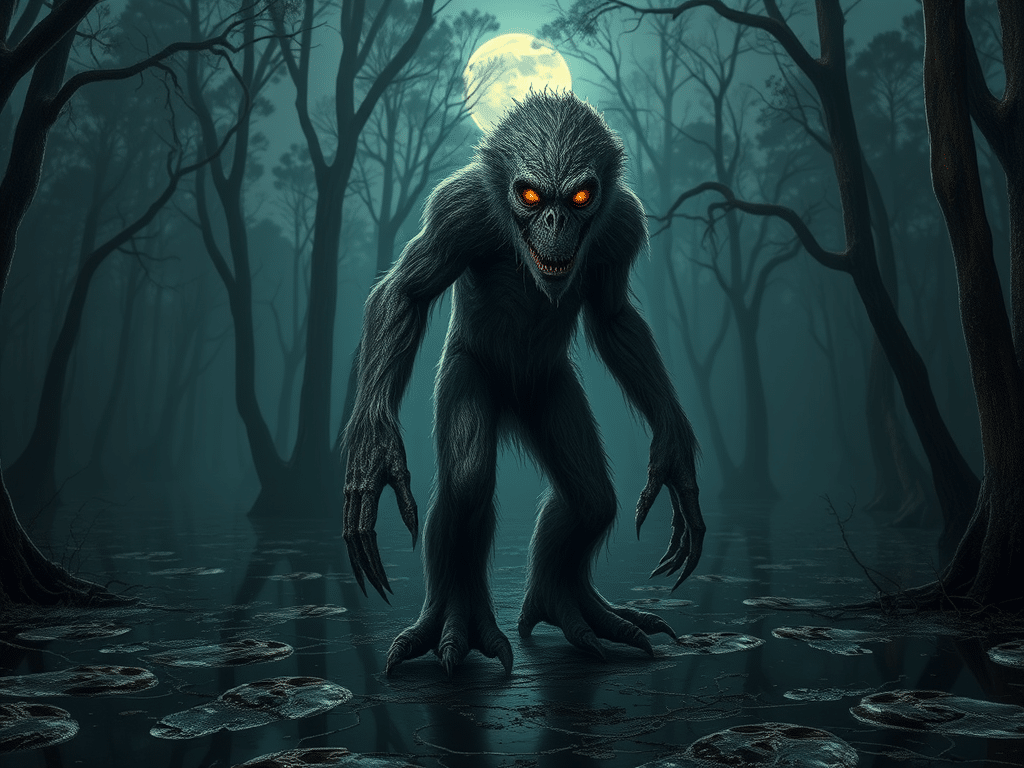
People usually characterize bodaks as thin, humanoid beings with grotesquely twisted features that show how spiritually corrupt they are. Their skin is generally shown as ashen gray or deathly pale, stretched tight over a skeletal frame that looks like it can barely hold them up. Their eyes are probably the most unique and scary feature. They are empty, hollow orbs that can kill or change anyone who looks straight at them. The Monster Manual for Dungeons & Dragons solidified this look by showing bodaks as humanoid beings with skull-like faces and menacing gazes. Their appearance made these visual traits even more popular. The game’s comprehensive pictures and descriptions have had a big impact on how bodaks are shown in other fantasy literature, generally focusing on their undead nature and corrupted human roots. This uniform image is so common that many people learn about bodaks not from stories but from game sourcebooks.
In traditional folklore, bodaks are solitary, nighttime hunters who are constantly looking for life energy or souls. People say they hide in places that have been forgotten, like old battlefields, abandoned ruins, or thick woodlands where the line between the living world and the spiritual world is thin. Dungeons & Dragons built on these personality qualities by making bodaks extraplanar undead creatures that are typically found in the lower planes of existence, especially those connected to evil and corruption. The game mechanisms that govern bodaks, such as their devastating gaze assault and their ties to malevolent gods, have influenced how they work in stories outside of the game. D&D made bodaks more than just mindless creatures; they were tragic people who still had some of their humanity left and were stuck in a nightmare world between life and death. This added psychological depth that players and storytellers both liked.
Folklore about bodaks usually says that they came from people who had very negative or sad changes after they died. In many Eastern European cultures, bodaks are said to be the restless spirits of people who did terrible things in life, such as breaking sacred oaths or using magic that was against the law. Dungeons & Dragons adopted this concept, developed it further, and expanded on these behavioral traits, defining bodaks as extraplanar undead creatures commonly found in the lower planes of existence, especially those linked to evil and corruption. This story about how the bodak changed became a big part of the bodak’s identity in the game. It gave dungeon masters story ideas and warnings for players who might want to look into things that should stay hidden. The game’s inventive reinterpretation of bodak lore illustrates how conventional mythology may be thoughtfully re-envisioned for modern audiences while maintaining essential themes of corruption and transformation.

Mythology and Impact
Bodaks have certain similarities with other supernatural beings in world mythology. The Indian vetala, a spirit that possesses dead bodies and haunts cremation grounds, is similar to the bodak in that it exists between life and death. The bodak’s corrupt human side and predatory behavior are similar to the Middle Eastern ghoul, which eats the dead and occasionally looks like them. Bodaks are part of a larger group of undead and evil beings in the game Dungeons & Dragons. They are grouped with other creatures like specters, wights, and wraiths in a coherent fantasy world. This methodical way of looking at supernatural entities has changed how we classify and perceive legendary beings in other contexts besides gaming. Many people now use the game’s monster ecology, which includes precisely established interactions between different varieties of undead, to comprehend and interpret traditional folklore. This approach has created links between old stories and modern fantasy.
There are many different theories on what bodak mythology means for culture and psychology and how it affects people. The depiction of bodaks in Dungeons & Dragons now significantly influences these theories. Anthropologists propose that the earliest bodak traditions functioned as metaphorical admonitions regarding social taboos, with the metamorphosis into a bodak symbolizing the ultimate repercussion of violating community rules. The inclusion of bodaks in D&D‘s large list of monsters shows how the game uses archetypes from different cultures that tap into deep-seated human phobias. Game designers and narratologists have observed that D&D‘s portrayal of bodaks exemplifies an effective adaptation of folklore into interactive storytelling components that fulfill both mechanical and narrative roles. Skeptics of supernatural events say that traditional bodak stories may have been based on real events, but their D&D versions clearly embrace the strange, reminding us of how much we love the macabre. The game’s impact has been so great that scholars of folklore today commonly talk about bodaks in relation to D&D‘s version of the creature as an important phase in its cultural history.
Bodak mythology has had a big effect on more than just traditional folklore. It has also had an effect on gaming communities, fantasy literature, digital media, and popular culture. The introduction of bodaks to a global audience primarily occurred through Dungeons & Dragons. The game turned a little-known mythological being into a well-known monster type in the fantasy genre. Millions of gamers throughout the world have had unforgettable experiences playing games that include bodaks. These events typically serve as warnings about the dangers of pride or forbidden knowledge. The bodak’s unique powers, especially its death stare, have changed how games work in both tabletop and video games. It has appeared in many fantasy games besides D&D. Many fantasy writers, including some who played Dungeons & Dragons when they were younger, have added bodak-like creatures to their made-up worlds. This creature has helped spread these ideas through books and movies. This cross-media pollination shows how interactive storytelling and fantasy games may make traditional folklore more relevant and reach a wider audience.
Conclusion
In conclusion, the bodak is a wonderful example of how modern fantasy games can give fresh life and more power to old stories. The bodak symbolizes apprehensions about mortality, moral degradation, and the potential evil concealed within the human condition. Its popularity is because of its unique physical features, predatory nature, and rich storytelling possibilities. Dungeons & Dragons has been a key player in keeping this once-obscure legendary figure alive, changing it, and making it more famous. This episode shows how tabletop role-playing games can be used to keep culture alive and change it. The bodak’s incredible journey from a localized folktale to a globally famous fantasy monster shows how traditional mythology and modern artistic expression may work together. As players keep meeting bodaks in their games and creative works keep getting ideas from these creatures, they are part of an ongoing conversation between old anxieties and new stories. The bodak, reimagined via the lens of Dungeons & Dragons, serves as a reminder that our oldest stories continue to hold force and significance when placed in new contexts that terrify and captivate us once more.
References
Cook, M. (2003). Monster manual: Core rulebook III (v. 3.5). Wizards of the Coast.
Cordell, B. R., Bernstein, E., & James, B. R. (2009). Open grave: Secrets of the undead. Wizards of the Coast.
Forgotten Realms Wiki. (n.d.). Bodak. Retrieved August 23, 2025, from https://forgottenrealms.fandom.com/wiki/Bodak
Gygax, G. (1977). Monster manual: An alphabetical compendium of all the monsters found in Advanced Dungeons & Dragons. TSR Games.
Mearls, M., & Crawford, J. (2014). Monster manual (5th ed.). Wizards of the Coast.
Mearls, M., Schubert, S., & Wyatt, J. (2008). Monster manual (4th ed.). Wizards of the Coast.
Mearls, M., Crawford, J., et al. (2016). Volo’s guide to monsters. Wizards of the Coast.
Peterson, J. (2012). Playing at the world: A history of simulating wars, people, and fantastic adventures from chess to role-playing games. Unreason Press.
Williams, S., Tweet, J., & Cook, M. (2003). Monster manual (v.3.5). Wizards of the Coast.
Williams, S., Tweet, J., & Cook, M. (2000). Monster manual (3rd ed.). Wizards of the Coast.
Leave a Reply