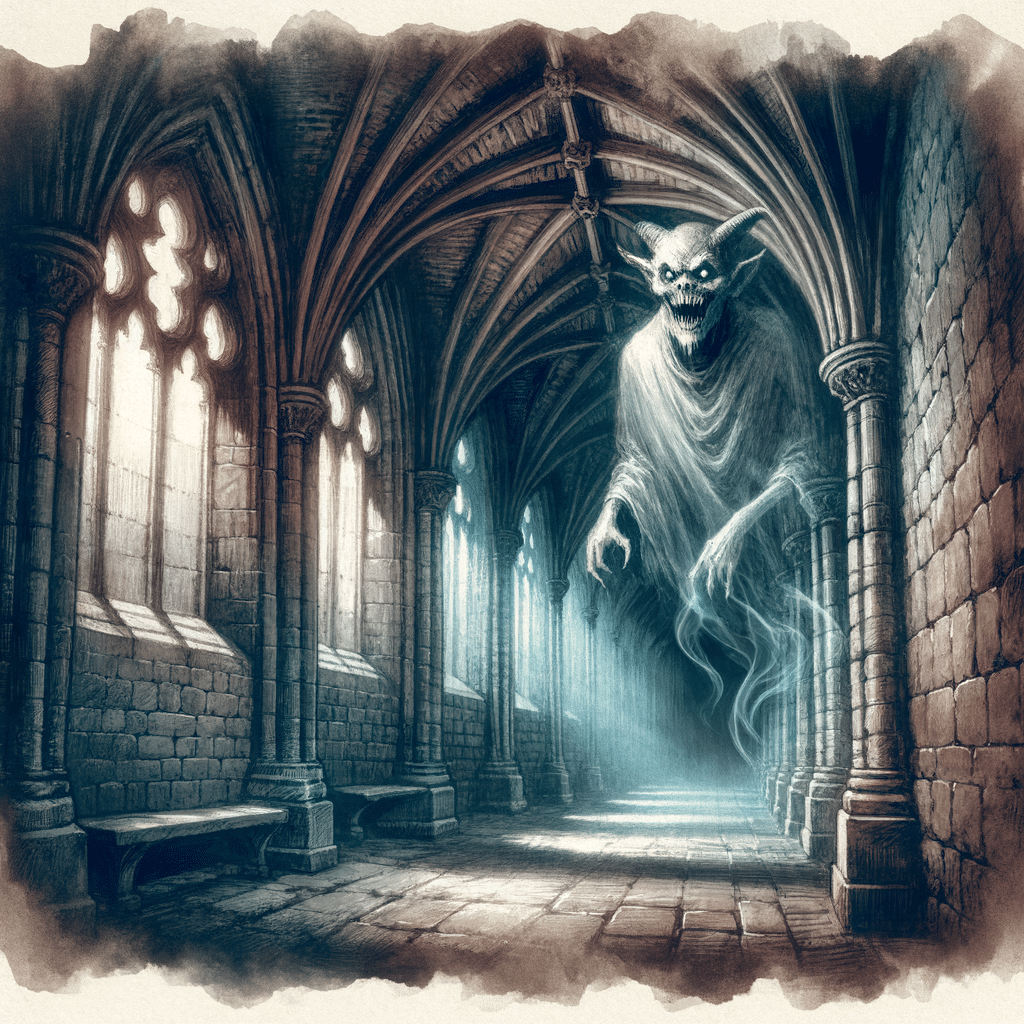
Ghosts and Castles: Key Points
-
Castles are ideal for ghost stories due to their ancient histories and emotional imprints.
-
Ghost beliefs span cultures, with spirits tethered to our world through unfinished business or violent deaths.
-
Castle ghost folklore preserves historical memory and connects communities to their ancestral past.
-
Famous haunted castles feature distinctive spectral inhabitants with backstories tied to historical events.
-
Paranormal theories exist alongside skeptical explanations involving psychology and natural phenomena.
-
Castle ghost stories boost tourism while keeping cultural narratives alive.

Introduction
Castles have always fascinated us, not just because they are beautiful buildings, but also because they are places where strange things happen. These huge stone buildings, with their twisting hallways and hidden rooms, are the perfect setting for stories about ghosts stuck between worlds. For centuries, our folklore has included the connection between ghosts and castles. This has led to many stories that mix historical tragedy with paranormal mystery, making a rich tapestry of beliefs that still interests us today.
Overview
Ghosts have been a part of human thought for as long as people have been around. They show up in different ways in different cultures. People often say that these ghostly figures are the souls or spirits of people who have died and are still connected to our world for different reasons, such as unfinished business, violent deaths, or strong emotional ties to people or places. Many ghost stories discuss see-through figures in old-fashioned clothes, strange balls of light, or even evil beings that can touch the real world. The enduring belief in these supernatural entities reflects our collective confrontation with mortality and our yearning to affirm that a part of us endures beyond death (Guiley & Taylor, 1992).
Because of their long and often violent histories, castles are excellent places for ghosts to live after they die. These old fortresses have seen a lot of drama over the years, from royal plots and passionate love affairs to brutal executions and tragic deaths during sieges. The thick stone walls seem to soak up the emotional energy of things that have happened in the past, which paranormal experts call “residual hauntings.” The dark dungeons, secret passages, and creaking floorboards of castles make them seem even more supernatural. They create an atmosphere where the line between worlds feels especially thin. Many of Europe’s most famous castles have ghosts living there, like the White Lady of Balmoral Castle and the headless drummer of Edinburgh Castle (Grider, 2007).

Haunted Castles
The stories about haunted castles are a big part of the culture and identity of many countries and regions. Stories of ghostly royalty, doomed lovers, and sad children have been told for generations. They are often used as warnings or to explain historical events. In Scotland, almost every castle says it has at least one ghost. Most of these ghosts are linked to clan rivalries and the turbulent Stuart period. Stories about vampire nobility abound in Eastern European castles, while ghosts in Japanese castles frequently represent individuals killed in political plots or sacrifices. These stories do more than just entertain people; they keep historical memories alive, reinforce cultural values, and provide communities a shared mythology that links them to their ancestors.
Berry Pomeroy Castle in Devon is one of Britain’s most haunted fortresses. The infamous Blue Lady entices unsuspecting visitors to their demise within its walls. Local legend says that she was the daughter of a Norman lord who was put in the castle dungeons by her jealous sister after she caught their father’s eye. People who have been to the castle say they saw a woman in a flowing blue dress at the top of the crumbling stairs. She motioned for them to follow her with a sad look on her face, but she disappeared when they got to the top. People who claim to have seen her often discuss the hopelessness they feel and describe a cold sensation that penetrates to their bones. Paranormal investigators have found unusually high electromagnetic readings in places connected to the Blue Lady. Skeptics, on the other hand, point to the castle’s unusual geography, which creates strong downdrafts and strange lighting conditions that could explain what witnesses felt (McEvoy, 2016).
The old stone walls of Leap Castle in Ireland are filled with the tormented screams of the Elemental, a spirit so evil that even experienced ghost hunters are afraid to go near it. After a violent fight for power in the 1500s, one O’Carroll brother killed another—a priest—in what is now known as the “Bloody Chapel” while he was saying Mass. Witnesses say that the Elemental is a small, gray creature with a face that looks like it’s rotting and smells like sulfur and decay. Sean Ryan, the castle’s current owner and a musician, has written about many times when he has seen the entity, such as when things moved on their own and the temperature suddenly dropped for no reason. The castle’s violent past, which includes finding an oubliette full of human skeletons during renovations in the early 1900s, gives believers a lot to work with when they say that the Elemental is a sign of all the pain the castle has seen over hundreds of years of bloodshed and cruelty (Curran, 2012).
The high walls of Prague Castle hide the restless spirit of a headless templar who comes out of the shadows on moonless nights, his ghostly sword still glowing with otherworldly light. Czech legend says that this knight was part of a secret Templar group that hid a priceless religious relic inside the castle walls during the 14th century, when the order was being persecuted. He was beheaded by a fellow knight to keep him quiet, but his ghost still guards the old corridors, keeping his secret even after he died. Workers at the castle say they have found strange cold spots near the old chapel and heard metal footsteps when no one was there. During a big renovation in the 1980s, workers stopped working because tools kept disappearing and then showing up in different places. Security cameras also caught strange light changes near the areas connected to the Templar’s legend. Historians disagree about how accurate the Templar’s story is, pointing out things that don’t fit with the time in the earliest written accounts. However, the fact that similar things have happened to witnesses over the centuries has made this one of Central Europe’s most famous castle hauntings (Janeček, 2022).
Analysis
Paranormal researchers utilize diverse theoretical frameworks to elucidate the phenomena reported by witnesses of castle hauntings. Some people support the “stone tape theory,” which says that the castle’s physical structure can record strong emotional events and play them back in certain situations. Some people think that castles are built on ley lines or energy vortices that make paranormal activity more likely. Researchers often use electronic voice phenomena (EVP) sessions and special equipment during castle investigations, saying they have found proof of spectral communications. People who believe in the supernatural see the sudden drops in temperature, strange noises, and broken electronics that happen a lot in these old buildings as signs of something from another world.
Skeptics say that castle hauntings can be explained by more ordinary things, like the power of suggestion and the fact that people tend to search for patterns in random events. The way sound travels in stone buildings can make strange noises that people might think are ghostly footsteps or voices. Drafty hallways, shifting foundations, and old plumbing systems make strange noises that add to stories about the supernatural. Psychological factors are also crucial. When people go to a castle expecting to see a ghost, they are more likely to think that normal things are paranormal because they are more aware of what is going on. You can’t overstate the power of storytelling. Each time someone tells a castle ghost story, it makes it more culturally important and attracts new visitors ready for similar experiences.
The long-lasting link between castles and ghosts has a big effect on the culture and economy of communities that are lucky enough to have these old buildings. Ghost tours and paranormal investigations have become big businesses. Haunted castles draw people who might not otherwise be interested in preserving history. Television shows about ghost hunters exploring old castles have made these places popular all over the world, leading to a boom in tourism at historical sites that were once ignored. This kind of supernatural tourism is beneficial for local economies because hotels, restaurants, and souvenir shops cater to ghost hunters. The paranormal story is often a way for visitors to learn more about the real history of these wonderful buildings, which helps keep them safe for future generations.
References
The connection between ghosts and castles is more than just scary stories told around campfires. It shows how complicated our relationship is with history, death, and the unknown. These old stone forts are like bridges between the past and the present, letting us connect with the human dramas that happened inside their walls hundreds of years ago. Whether or not you believe in the supernatural, the ghost stories that go along with castles keep important cultural stories and historical memories alive that might otherwise be lost. These beautiful buildings and the accompanying ghost stories continue to captivate us. This is a tradition that has lasted for generations, and it keeps both the real castles and the intangible heritage they stand for alive in our minds.
References
Curran, R. (2012). A Haunted Land: Ireland’s Ghosts. The O’Brien Press.
Grider, S. A. (2007). Haunted houses. Haunting experiences: Ghosts in contemporary folklore, 143-70.
Guiley, R., & Taylor, T. (1992). The encyclopedia of ghosts and spirits (pp. 277-279). New York: Facts on File.
Janeček, P. (2022). Prague ghostlore of the late 19th century. Suburban ghosts between moral panic and vernacular spectacle. Estudis de Literatura Oral Popular/Studies in Oral Folk Literature, (11), 11-29.
McEvoy, E. (2016). Becoming a Haunted Castle: Literature, Tourism and Folklore at Berry Pomeroy. In Gothic Tourism (pp. 127-159). London: Palgrave Macmillan UK.


Leave a Reply